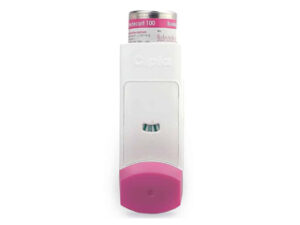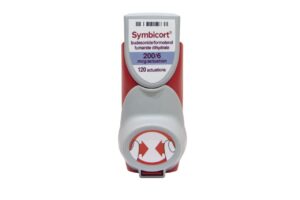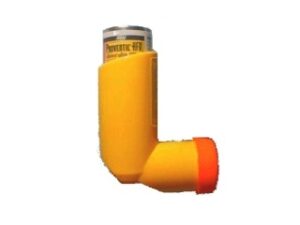
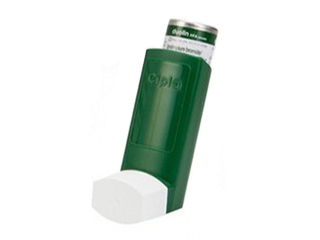
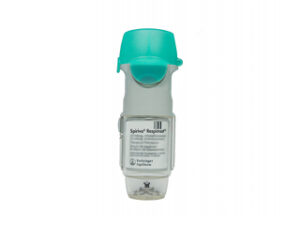
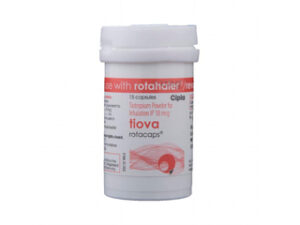
Tiova Inhaler (Tiotropium Bromide) – Patient Information (Australia)
Tiova Inhaler contains tiotropium bromide, a long-acting inhaled medicine used to help keep airways open and make breathing easier in certain chronic lung conditions. It works by relaxing the muscles around the airways and reducing airflow limitation over time.
This page explains how Tiova works, how and when to use it, key safety information, and what to expect. It is written for patient understanding and should be used alongside advice from your healthcare professional.
At a glance
- Medicine: Tiotropium bromide
- Type: Long-acting antimuscarinic (anticholinergic) bronchodilator
- How it’s used: Inhalation (via a dedicated inhaler device)
- Common conditions: Chronic Obstructive Pulmonary Disease (COPD) and in some cases asthma (as directed)
- Typical benefit: Helps improve airflow and reduce symptoms/exacerbations
- Onset: Often within minutes; full benefit builds with regular use
Basic product information
Tiova Inhaler (tiotropium bromide) is designed for people who need long-term control of breathing problems. It is intended for everyday use to support lung function and symptom management.
| Category | Details |
|---|---|
| Active ingredient | Tiotropium bromide |
| Medicine class | Long-acting antimuscarinic bronchodilator (LAMA) |
| Route | Inhalation |
| Typical dosing frequency | Once daily (depending on the prescribed product strength/device) |
| Common uses | COPD; may be used in asthma in selected patients as advised |
| Storage | Store as directed on the pack; protect from moisture and heat |
How Tiova Inhaler works (mechanism of action)
Tiotropium bromide is an antimuscarinic medicine. In the airways, the body uses signals from nerves called muscarinic (M3) receptors. When these receptors are activated, the muscles around the airways tend to tighten, mucus may increase, and breathing becomes more difficult.
Tiotropium blocks muscarinic receptors (especially M3) in the airway smooth muscle. This leads to:
- Bronchodilation: Relaxation of airway muscles
- Reduced airflow limitation: Easier passage of air in and out
- Improved symptom control: Less breathlessness and better daily functioning
Because it binds strongly and works for a long time, Tiova is classified as a long-acting maintenance therapy.
Pharmacokinetics (how the body handles tiotropium)
Pharmacokinetics describes what happens after inhalation—absorption, distribution, metabolism, and elimination.
- Absorption: Tiotropium is inhaled directly into the lungs. Lung absorption contributes to local effect on airway receptors.
- Distribution: Small amounts may enter the bloodstream and distribute to tissues, but its main action is local in the airways.
- Metabolism: Tiotropium undergoes limited metabolic transformation.
- Elimination: Tiotropium is primarily eliminated by the kidneys. Reduced kidney function may require extra caution and clinical review.
- Onset and duration: Inhaled therapy typically provides bronchodilation fairly quickly, with sustained effect across the day.
Important: Individual response varies. Consistent daily use is key for long-term control.
Typical use: what conditions it treats
Chronic Obstructive Pulmonary Disease (COPD)
Tiova Inhaler is commonly used as a maintenance bronchodilator to help manage symptoms of COPD, including:
- Shortness of breath
- Reduced exercise tolerance
- Ongoing airflow limitation
Asthma (selected patients)
In some cases, long-acting bronchodilators may be added to treatment for asthma when symptoms are not adequately controlled. This depends on your personal assessment and the asthma plan provided by your healthcare professional.
Note: Tiova is not a replacement for controller inhalers such as inhaled corticosteroids in asthma unless specifically advised.
Indications (when the medicine is used)
Tiova Inhaler is indicated for:
- COPD for long-term maintenance treatment to improve lung function and reduce symptoms
- Asthma in selected patients as part of an appropriate management plan
Dosing and timing (how to take Tiova)
Always follow the dosing directions on your pack or those provided by your healthcare professional. Dosing can differ depending on the inhaler strength and device.
Typical dosing schedule
- Most commonly: Once daily inhalation
- Try to use at the same time each day to maintain consistent control
How to time doses
- If your dose is once daily, choose a time that fits your routine (morning or evening).
- Use it consistently even when you feel well.
- Do not increase the dose to try to treat sudden breathlessness.
Forgot a dose
If you miss a dose, take it as soon as you remember unless it is close to your next scheduled dose. Do not take a double dose to make up for the missed dose. If unsure, ask a pharmacist or healthcare professional.
Practical use tips (getting the most from your inhaler)
Correct inhaler technique is essential for the medicine to reach the lungs effectively. Because Tiova is used by inhalation device, instructions can vary slightly by device type. Use the leaflet that comes with your specific Tiova product.
Helpful technique reminders
- Prepare: Ensure the inhaler is ready to use as described in the instructions.
- Exhale gently: Breathe out away from the device (not into it).
- Seal lips around the mouthpiece: Ensure a good seal.
- Inhale steadily and deeply: Follow device instructions carefully.
- Hold your breath briefly: After inhaling, hold breath for as long as comfortable (often around 5–10 seconds if advised).
- Rinse mouth (if advised for your regimen): Some people are advised to rinse after inhaled medicines that can affect the mouth. Ask your clinician for advice tailored to your treatment plan.
Regular checks
- If symptoms worsen or you’re unsure your technique is correct, ask your pharmacist or nurse to observe you.
- Bring the inhaler with you to appointments to confirm proper use.
Food interactions
Food interactions are not generally expected to be clinically significant for inhaled tiotropium, because the medicine is delivered directly to the lungs and acts locally in the airways. However, always follow your inhaler instructions and consider the following practical tips:
- It’s usually fine to take Tiova with or without food.
- If your stomach is sensitive or you experience nausea, try taking the dose at a time that suits you (e.g., with your usual routine).
- Do not change meal patterns solely due to Tiova unless advised.
Alcohol and medicine interactions
Alcohol: Moderate alcohol intake does not typically cause direct interactions with tiotropium inhalers. However, alcohol can affect breathing and overall health—especially if you have COPD or other lung conditions. Alcohol may worsen breathlessness in some people. If you notice increased symptoms after drinking, consider reducing intake and discuss with your healthcare professional.
Other medicines that may be relevant
Because Tiova has antimuscarinic activity, using multiple medicines with similar effects may increase side effects. Tell your healthcare professional or pharmacist about all medicines you take, including:
- Other antimuscarinic bronchodilators (including other inhalers with similar mechanisms)
- Medicines with anticholinergic effects (some allergy medicines, motion sickness treatments, some bladder medications, and certain other drugs)
- Other respiratory medicines (e.g., inhaled corticosteroids, beta-agonists)
- Medicines for urinary problems or glaucoma-related conditions
Key safety concept: Your overall regimen should be checked to avoid duplicating therapies that increase side effects without adding benefit.
Safety profile and side effects
Like all medicines, Tiova Inhaler can cause side effects. Many are mild and improve as your body adjusts. Some effects require medical attention.
Common side effects
- Dry mouth (antimuscarinic effect)
- Throat irritation or mild cough
- Constipation (can occur in some people)
- Headache or dizziness (less commonly)
Less common but important side effects
- Urinary retention (difficulty passing urine), especially in people with prostate issues or bladder outlet obstruction
- Blurred vision or eye pain
- Rapid heart rate or palpitations (uncommon)
- Allergic reactions (rare): swelling, rash, itching, trouble breathing
Seek urgent help if
- You develop signs of a serious allergic reaction (e.g., swelling of face/lips, severe rash, difficulty breathing).
- You experience new/worsening severe eye pain, blurred vision, halos around lights, or redness (possible acute eye problem).
- Your breathing suddenly worsens after inhaling, especially if you cannot speak full sentences.
Special populations
- Kidney impairment: Because tiotropium is eliminated largely through the kidneys, people with reduced kidney function may need closer monitoring.
- Older adults: Generally use the same inhaled approach, but side effects like constipation or urinary issues may be more noticeable.
- People with glaucoma or prostate/bladder problems: Discuss risks with your clinician before using antimuscarinic medicines.
Practical safety guidance
- Do not use for sudden attacks: Tiova is a maintenance bronchodilator. For sudden breathlessness, you may need a fast-acting reliever inhaler (often a short-acting beta-agonist) as part of your asthma/COPD plan.
- Keep track of symptoms: If your usual symptoms increase, you may need your treatment plan adjusted.
- Check inhaler technique regularly: Poor technique can reduce benefit and increase unnecessary exposure.
- Know your triggers: Smoking, cold air, infections, and allergens can worsen COPD/asthma.
What to expect: onset, effectiveness, and adherence
Many people notice improvement in breathing within the first days of consistent use, though full benefits may take time. The medicine is intended for long-term management, so regular daily use is important.
- If you feel no benefit after proper use over a reasonable period, speak to your pharmacist or doctor.
- If you experience increased symptoms (more breathlessness, more frequent reliever use, or worsening exercise tolerance), your overall therapy may need review.
Alternative options (discuss with your healthcare professional)
Depending on your diagnosis, severity, and existing treatment, your healthcare professional may consider alternative bronchodilators and maintenance therapies.
Possible alternatives to consider
- Other long-acting bronchodilators:
- Long-acting beta-agonists (LABAs)
- Combination inhalers (e.g., LAMA/LABA) for COPD in some patients
- Inhaled corticosteroids (ICS) ± bronchodilator for selected asthma or COPD patients based on exacerbation risk and symptom pattern
- Short-acting relievers for quick symptom relief during flare-ups (used as needed per your plan)
Your best option depends on your condition, lung function, symptom frequency, and how you respond to therapy.
Market and legal context for Australia
In Australia, medicines are regulated through the Therapeutic Goods Administration (TGA). Patient access may vary depending on product classification and local pharmacy requirements. Inhaled maintenance therapies like tiotropium are used under clinical guidance to support safe and effective management of chronic respiratory disease.
Dispensing and safety checks: Pharmacy teams may ask about your current medicines, allergies, inhaler technique history, and key health conditions (such as kidney problems or urinary symptoms) to support safe use.
Pharmacist advice: If you are unsure which inhaler device you have (and how to use it correctly), ask your pharmacist for device-specific instructions.
Recent guidance and evolving respiratory care (general overview)
Respiratory guidelines for COPD and asthma are periodically updated based on new evidence. While recommendations vary by country and patient group, common themes across recent guidance include:
- Personalised inhaler regimens based on symptoms and exacerbation history
- Ensuring correct inhaler technique and adherence before changing therapy
- Using appropriate controller therapy for asthma (typically involving inhaled corticosteroids)
- Optimising bronchodilation for COPD with long-acting medicines where appropriate
Your clinician can help determine whether tiotropium remains suitable for your current needs, especially if symptoms change or you have flare-ups.
Delivery and availability (online pharmacy)
Availability and shipping options may vary by pharmacy and stock levels. When ordering Tiova Inhaler online:
- Check that you are selecting the correct product strength and inhaler device listed for the right medicine.
- Confirm storage instructions so the inhaler remains in good condition until you use it.
- Allow time for delivery—especially if stock is limited in your area.
If your delivery is delayed or you are running low, contact customer support or a pharmacist for advice on interim management consistent with your care plan.
FAQ
1. Is Tiova Inhaler used as a reliever for sudden breathlessness?
No. Tiova is a long-acting maintenance inhaler used to manage ongoing symptoms. For sudden breathing problems, you may need a fast-acting reliever inhaler as part of your plan. If you’re unsure what to use during an attack, ask your pharmacist.
2. How long does Tiova take to work?
Some people notice improvement relatively soon after inhalation, but the main benefit comes from regular daily use. If symptoms do not improve or worsen, seek advice.
3. Can I use Tiova if I have asthma?
It may be used in asthma for selected patients as directed by your healthcare professional. In asthma, it is important that you have the right controller therapy (often including inhaled corticosteroids) to reduce inflammation and risk.
4. What if I forget a dose?
Take it when you remember unless it’s close to your next dose. Do not double up. If you’re uncertain, consult your pharmacist.
5. Will food affect Tiova?
Food interactions are not typically a major concern for inhaled tiotropium. You can generally take it with or without meals. Follow your inhaler instructions and schedule.
6. Are there interactions with other medicines?
Tell your healthcare professional or pharmacist about all medicines you take—especially other antimuscarinic medicines or drugs with anticholinergic effects—because side effects may increase.
7. What side effects are most common?
Common side effects include dry mouth and mild throat irritation. Constipation or urinary symptoms may occur in some people.
8. Who should be extra careful when using tiotropium?
Extra caution may be needed if you have glaucoma, urinary problems (such as prostate enlargement), or kidney impairment. Discuss your history with a pharmacist or clinician.
9. Can I drink alcohol while using Tiova?
Alcohol does not usually interact directly with tiotropium, but it can affect breathing and overall health. If you notice that alcohol worsens your symptoms, reduce intake and discuss with your healthcare team.
10. What should I do if my breathing gets worse?
If you experience worsening breathlessness, increased reliever use, chest tightness that doesn’t settle, fever, or any signs of a flare-up, follow your action plan. Contact your healthcare professional promptly for assessment.
Summary
Tiova Inhaler (tiotropium bromide) is a long-acting inhaled antimuscarinic medicine used mainly for COPD and in some selected asthma patients. By relaxing airway muscles and reducing airflow limitation, it supports steadier breathing day-to-day. For best results, use it consistently as directed, practise correct inhaler technique, and seek advice if symptoms change or side effects occur.