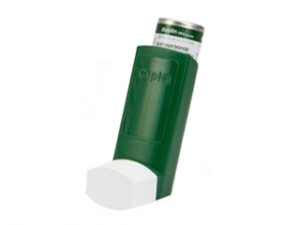
Tiova Rotacap (Tiotropium Bromide) – Patient Guide (Australia)
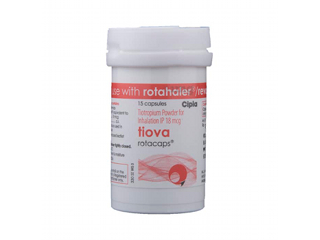
Tiova Rotacap contains tiotropium bromide, a medicine used to help open the airways and make breathing easier in certain long-term lung conditions. It is taken using a Rotacap® inhalation device (capsule inhaler), delivering medicine directly to the lungs for ongoing symptom control.
This guide explains what Tiova Rotacap is, how it works, typical uses, how to take it, what to watch for, and common questions—written to be patient-friendly and suitable for an online pharmacy listing in Australia.
1) Basic product information
- Brand: Tiova Rotacap
- Generic name: Tiotropium bromide
- Medicine type: Long-acting antimuscarinic (LAMA) bronchodilator
- Route: Inhaled (through a Rotacap® capsule inhaler)
- How it’s supplied: Rotacap® capsules (typically in blister packs)
Important: Only use Tiova Rotacap with the appropriate Rotacap® inhaler. Do not swallow the capsule contents.
2) How Tiova Rotacap works (mechanism of action)
Tiotropium bromide is an antimuscarinic medicine. In the airways, nerves that control airway diameter release a chemical called acetylcholine. Acetylcholine can cause the airway muscles to tighten (bronchoconstriction) and increase mucus, making breathing harder.
Tiotropium blocks muscarinic receptors—especially M3 receptors—leading to:
- Airway relaxation (bronchodilation)
- Reduced bronchospasm
- Improved airflow, helping symptoms such as breathlessness
Because tiotropium is long-acting, it provides sustained bronchodilation over the day, supporting long-term symptom control.
3) Pharmacokinetics (how the body handles it)
Tiotropium works locally in the lungs, but some medicine is absorbed into the bloodstream. Key points (approximate general principles) include:
- Absorption: Inhaled tiotropium is absorbed through the lungs and a portion enters systemic circulation.
- Distribution: It is distributed throughout the body, with higher affinity for muscarinic receptors.
- Metabolism: Tiotropium is minimally metabolised.
- Excretion: Mostly excreted via the kidneys (renal elimination).
- Duration: The drug’s receptor-binding properties contribute to long duration of action.
People with reduced kidney function may be more likely to experience side effects, so monitoring and careful use are important.
4) Typical use and indications
Tiova Rotacap is used for:
- Chronic obstructive pulmonary disease (COPD): For maintenance treatment to reduce airflow limitation and improve symptoms.
- Chronic symptoms associated with COPD (such as breathlessness) to support daily management.
It is not intended as a rescue inhaler for sudden attacks. If you have sudden worsening breathlessness or wheeze, you should use your doctor’s recommended fast-acting reliever.
5) When to take it (timing)
Tiova Rotacap is typically taken in the maintenance treatment of COPD, at approximately the same time each day.
- Best time: Choose a time that fits your routine (morning or evening).
- Consistency: Taking it at the same time each day helps maintain steady symptom control.
- Missed dose: If you miss a dose, take it when you remember. If it is close to the time of the next dose, skip the missed dose and continue as normal.
- Do not double dose: Avoid taking extra capsules to make up for a missed dose.
6) Dosing (how much to take)
Dosing can depend on the strength of the capsule and your condition. Common regimens in COPD involve inhaled tiotropium once daily. Follow the dosing instructions provided with your pack and by your healthcare professional.
For an online pharmacy listing, the following typical guidance may help you understand the usual approach:
| Condition | Typical dosing frequency | Route | Rescue use? |
|---|---|---|---|
| COPD (maintenance) | Usually once daily | Inhaled via Rotacap® capsule inhaler | No (use fast-acting reliever if needed) |
Do not change your dose without advice. If you are unsure which strength you have been prescribed or advised to use, check the label and packaging.
7) Food interactions
Because Tiova Rotacap is delivered to the lungs, food is not expected to have a clinically significant interaction. You may generally take it with or without food.
However, if you are using the inhaler while eating or lying down, you may have a higher chance of coughing. Try to take your dose in a comfortable upright position.
8) Alcohol and medicine interactions
Alcohol
There are no well-known direct interactions between tiotropium and alcohol. Still, alcohol may worsen breathing in some people with lung disease, particularly if it contributes to sedation, dehydration, or poor sleep.
- Tip: If alcohol affects your breathing or makes you feel dizzy, limit intake and seek advice.
Other medicines
Tell your doctor or pharmacist about all medicines you take, including inhalers, tablets, herbal products, and supplements. Some medicines can affect side effect risk or effectiveness.
- Other antimuscarinic medicines: Combining multiple antimuscarinics may increase the risk of dry mouth, constipation, or urinary retention.
- Other COPD inhalers: Tiotropium is commonly used alongside other long-term COPD medicines (for example, inhaled corticosteroids and/or long-acting beta-agonists) depending on your symptoms and plan.
- Glaucoma (narrow-angle): Antimuscarinics may cause eye effects in susceptible people; care is needed if you have certain eye conditions.
- Urinary issues: Tiotropium may worsen urinary retention in people with certain urinary conditions (e.g., enlarged prostate).
If you have to use a new medicine, ask your pharmacist whether it can be used with Tiova Rotacap.
9) Practical use tips (how to use Tiova Rotacap correctly)
Correct inhaler technique helps ensure medicine reaches your lungs. Poor technique may reduce benefit and increase side effects. Below is a patient-friendly checklist for using Rotacap® capsules.
- Use the correct device: Tiova Rotacap capsules must be inhaled using the Rotacap® inhaler supplied for this product.
- Do not swallow the capsule: The capsule is for inhalation only.
- Prepare a dose: Insert one capsule into the inhaler as directed.
- Release/ pierce as instructed: Many Rotacap devices require piercing the capsule to release powder for inhalation. Follow your device instructions carefully.
- Breathe out first: Exhale fully away from the mouthpiece to create space for inhalation.
- Inhale steadily and deeply: Close lips around the mouthpiece and inhale fully through the device.
- Hold your breath: Try to hold the breath for about 5–10 seconds (or as comfortably as possible) before exhaling slowly.
- Check capsule empty: After inhalation, the capsule should usually be nearly empty. If powder remains, your technique may need review.
Dry powder inhalers can vary. Always follow the specific Rotacap® inhaler instructions included with your medicine or device.
Common reasons inhalers “don’t work” as expected
- Not inhaling deeply enough
- Improper capsule placement
- Inhaling too quickly (or not strongly enough) to pull powder into the lungs
- Breathing out into the device before using it
10) Safety profile (side effects and when to seek help)
Most people tolerate tiotropium well. However, like all medicines, Tiova Rotacap can cause side effects. Some side effects may decrease with time, while others require urgent attention.
Common side effects
- Dry mouth
- Constipation or bowel changes
- Throat irritation
- Cough or mild breathing discomfort after inhalation
- Headache (occasionally)
Less common but important side effects
- Urinary retention (trouble passing urine, especially in men with prostate problems)
- Blurred vision or eye pain (rare; seek help urgently if suspected)
- Palpitations or fast heartbeat
- Allergic reactions such as rash, swelling, or breathing difficulty (rare)
Seek urgent medical advice if
- You develop severe allergic symptoms (swelling of face/lips, hives, severe shortness of breath)
- You experience severe eye pain, sudden blurred vision, or halos around lights
- Your breathing suddenly worsens significantly, and you do not improve with your reliever
Special populations
- Kidney impairment: Because tiotropium is cleared by the kidneys, caution may be needed.
- Prostate enlargement / urinary symptoms: Monitor for urinary retention.
- Glaucoma (especially narrow-angle): Be cautious and discuss your eye history with a healthcare professional.
If you notice side effects that worry you, stop using and seek advice promptly (unless you have been told otherwise). Never ignore severe symptoms.
11) Indicated use vs. not intended use
Tiova Rotacap is for long-term maintenance. It is designed to help control symptoms over time. It is generally not used to treat sudden breathing difficulties or acute bronchospasm.
- Maintenance symptoms: Use as prescribed for daily control.
- Sudden flare-ups: Use your doctor’s recommended reliever inhaler.
- Worsening condition: If you need reliever more often, seek medical review.
12) What to expect when starting Tiova Rotacap
Many people notice improved breathing over the first days, but the full benefit may build with regular use. Improvement is not always immediate, especially if your COPD is unstable.
- Continue daily use even if you feel better (unless advised to stop).
- Track symptoms (e.g., breathlessness, cough, activity tolerance).
- Review technique if benefit is limited—your pharmacist can help.
13) Alternative options (other COPD maintenance inhalers)
Depending on your symptoms, severity, and medical history, prescribers may consider other maintenance treatments. Alternatives may include:
- Other LAMA inhalers (long-acting antimuscarinics)
- LABA inhalers (long-acting beta-agonists)
- LAMA/LABA combinations for broader bronchodilation
- Inhaled corticosteroids in selected patients, often combined with LABA
- Roflumilast or other non-inhaled options in particular cases
- Non-pharmacological care such as pulmonary rehabilitation, smoking cessation support, vaccination, and proper inhaler technique
Choosing an alternative depends on what you’re being treated for, how often you have flare-ups, your current inhaler regimen, and your side effect tolerance. A healthcare professional can help decide the most suitable option.
14) Market and legal context in Australia
In Australia, medicines are regulated under the TGA (Therapeutic Goods Administration) and dispensed according to scheduling requirements. COPD inhalers commonly require appropriate patient education and technique training, and supply may be subject to brand availability.
The Australian healthcare system also supports ongoing COPD care through:
- Pharmacist support for inhaler technique and adherence
- Chronic disease management plans
- Specialist review for patients with frequent exacerbations
Availability and brand presentation may vary by supplier, and stock levels can change over time.
15) Recent guidance and clinical approach (high-level)
Clinical management of COPD generally focuses on:
- Long-acting bronchodilator therapy as baseline maintenance
- Assessing symptom burden and exacerbation history
- Step-up therapy when symptoms are not controlled
- Inhaler technique education and adherence support
- Smoking cessation, vaccinations, and pulmonary rehabilitation when appropriate
Tiotropium (as a LAMA) is commonly used in maintenance therapy. Your overall plan may involve one or more inhalers depending on your clinical response and risk of exacerbations.
For the most current, patient-specific advice, refer to guidance from Australian respiratory and primary care sources and your treating clinician.
16) Delivery and availability (Australia)
Online pharmacy availability for Tiova Rotacap can depend on product strength, pack size, and local supply. When it is in stock, delivery timelines typically follow standard courier service schedules across Australian states and territories.
- Stock status: Check product page availability for current status.
- Delivery: Usually provided as a standard or express option where available.
- Cold storage: In most cases, inhaler products do not require refrigeration; store as directed on packaging.
If Tiova Rotacap is temporarily unavailable, your pharmacist may discuss suitable alternatives or equivalent formulations.
17) Storage and handling
- Store below: Follow the storage instructions on the carton (commonly “below 25°C”).
- Keep dry: Protect capsules from moisture.
- Keep out of reach of children.
- Use before expiry date: Do not use after the expiry shown on the pack.
18) FAQ
1. Is Tiova Rotacap a reliever inhaler?
No. Tiova Rotacap is intended for maintenance (long-term control). For sudden breathlessness, use your doctor’s recommended reliever.
2. What does Tiova Rotacap feel like when it’s working?
You may notice you can breathe more comfortably, have less breathlessness during daily activities, and possibly fewer symptoms over time. If you are not noticing benefit, review inhaler technique and discuss next steps with your healthcare professional.
3. Can I take it with food or after a meal?
Yes, food is not expected to significantly affect tiotropium inhaled therapy. Many people take it at any time of day that suits them.
4. What should I do if I cough after using the capsule?
A brief cough can occur. Try to inhale steadily and deeply, and keep the mouthpiece sealed with your lips during inhalation. If coughing is frequent or severe, discuss inhaler technique with a pharmacist.
5. Can I use Tiova Rotacap with other inhalers?
Often, yes—many COPD plans combine inhalers for better symptom control. However, your regimen should be individualised, and you should avoid duplicating antimuscarinic medicines without advice.
6. Are there any alcohol-related concerns?
Direct drug interactions are not commonly reported, but alcohol may worsen breathing or increase side effects in some people with COPD. Use caution and monitor how you feel.
7. What are the most common side effects?
The most common include dry mouth and sometimes constipation or throat irritation. Seek medical advice for severe or persistent symptoms.
8. Who should be extra careful with Tiova Rotacap?
People with glaucoma (especially narrow-angle), urinary retention risk (e.g., enlarged prostate), or kidney impairment should discuss safety considerations with a clinician.
9. What should I do if I miss a dose?
Take it when you remember unless it’s close to the next dose. Do not take extra capsules to make up for a missed dose.
10. How long does Tiova Rotacap take to start working?
Some improvement may occur within days, but consistent daily use is important for ongoing benefit. If you don’t feel any improvement after starting (and using it correctly), ask your pharmacist or doctor to review your COPD plan.
Disclaimer: This information is general and for patient education. Always follow the instructions on the product packaging and the advice of your healthcare professional. If you have worsening symptoms or concerns, seek medical advice promptly.