Budecort (Budesonide) — Patient Information (Australia)
Budecort contains budesonide, a medicine belonging to the corticosteroid (steroid) family. It is used to reduce inflammation in specific parts of the body, particularly the lungs and the digestive tract, depending on the form prescribed.
This guide is written to help you understand what Budecort is, how it works, how to take it, and what to watch for. Always follow the instructions provided with your product and any healthcare advice you receive.
1) Basic product information
- Medicine: Budecort (budesonide)
- Medicine type: Corticosteroid (anti-inflammatory)
- Common forms: (Depending on your product) inhaled preparations for airway conditions and oral preparations for gut conditions
- Manufacturer/brand: Budecort (brand name)
- Therapeutic class: Anti-inflammatory steroid
Note: Budecort products can differ by formulation (e.g., inhaler vs oral). Your exact instructions (dose, timing, and technique) depend on the specific Budecort product you have.
2) How Budecort works (mechanism of action)
Budesonide is a glucocorticoid. It works by turning down inflammatory pathways involved in conditions such as asthma, COPD-related airway inflammation, and inflammatory bowel disease. In simple terms, it helps:
- Reduce swelling and irritation in the affected tissues
- Lower inflammatory chemical signals released during flare-ups
- Improve airway or gut function over time by controlling inflammation
Compared with some other steroids, budesonide is designed to have strong local anti-inflammatory effects with more rapid breakdown in the body (notably in the liver), which can help reduce systemic effects when used as intended.
3) Pharmacokinetics (how the body handles it)
Pharmacokinetics describes absorption, distribution, metabolism, and excretion.
Absorption
- Inhaled Budecort: much of the dose acts locally in the lungs; a portion may be swallowed and absorbed through the gut.
- Oral Budecort (gut-targeted forms): absorption depends on the formulation and where it releases budesonide in the gastrointestinal tract.
Metabolism
- Budesonide is primarily metabolised in the liver by the enzyme system CYP3A4.
- This “first-pass” metabolism helps limit the amount of active steroid circulating in the bloodstream.
Elimination
- Metabolites are eliminated mainly through urine and bile/faeces depending on the pathway.
Important: Medicines that affect CYP3A4 (such as some antifungals and antibiotics) may increase or decrease budesonide levels and therefore influence side effects or effectiveness.
4) What Budecort is typically used for (indications)
Budecort is used for conditions where inflammation needs control. The exact indication depends on the specific Budecort formulation:
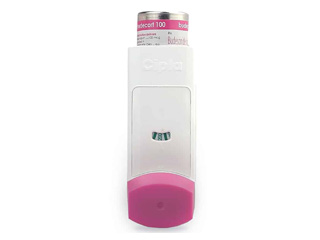
- Inhaled budesonide may be used for asthma and other inflammatory airway conditions under clinician guidance.
- Oral budesonide may be used for certain inflammatory bowel conditions such as Crohn’s disease or ulcerative colitis when a locally acting steroid is appropriate.
If you are unsure which condition your Budecort product is for, check the label and consumer medicine information (CMI) for your specific formulation or ask your pharmacist.
5) When it starts working and timing
Timing depends on the condition and the formulation.
- Inhaled budesonide: some symptom relief may be noticed within days, but full benefit can take longer (often days to weeks) as inflammation is controlled.
- Oral budesonide: improvement can also take days, with longer-term control typically developing over time.
General timing tips:
- Use it at the same time(s) each day to maintain steady effects.
- Do not stop suddenly without advice, especially if you have been taking it regularly for a period of time.
- If symptoms worsen, follow your action plan (if you have one) and seek medical guidance.
6) How to take Budecort (general dosing guidance)
Always use the dose that your prescriber/pharmacist has recommended for your specific Budecort formulation. Doses vary by condition, severity, and patient factors (including age and other medicines).
The sections below provide typical dosing concepts. For exact directions, refer to the label/CMS/CMI for your product.
Typical dosing approach (inhaled preparations)
- Often taken once or twice daily depending on the product and condition.
- In asthma, budesonide inhalation is usually part of longer-term control rather than immediate relief.
Typical dosing approach (oral preparations)
- Commonly taken in divided doses or once daily depending on the formulation and target area in the gut.
- It may be used for induction of remission and sometimes for maintenance under clinician review.
Missing a dose: If you miss a dose, take it when you remember unless it is close to the next dose. Avoid doubling doses. If you are unsure, ask your pharmacist.
Do not change your dose: unless advised. Steroids often require careful adjustment to avoid flare-ups and manage adrenal function risk.
7) Food interactions (and practical eating advice)
Food effects can differ by formulation. Some people can take oral budesonide with or without food, but others benefit from taking it at consistent times.
- Inhaled budesonide: food usually has little direct interaction, but rinsing/swishing after use is important to reduce mouth/throat effects.
- Oral/gut-targeted budesonide: follow the instructions on your product label regarding whether to take with food. Consistency can help maintain predictable effects.
General approach: If you want the most reliable routine, take your dose as directed and avoid changing meal timing unless your pharmacist advises it.
8) Alcohol and medicine interactions
Alcohol
There are no universally required restrictions for all patients, but consider the following:
- Alcohol may worsen reflux or gut symptoms in some people, which could affect comfort when using oral treatments.
- Regular heavy alcohol intake can affect liver function and may influence how steroids are processed.
Practical advice: Keep alcohol intake moderate and discuss your alcohol habits with your pharmacist or doctor, especially if you have liver disease or other long-term conditions.
Medicine interactions (important)
Budesonide is metabolised by CYP3A4. Medicines that influence this enzyme may alter budesonide levels.
Examples of medicines that may interact:
- Antifungals (e.g., some azoles)
- Certain antibiotics (e.g., macrolides)
- HIV medicines (some types)
- Some anti-seizure medicines (which may lower budesonide levels)
- Other corticosteroids (increased risk of steroid side effects)
What to do:
- Tell your pharmacist about all medicines you take, including over-the-counter products, vitamins, herbal supplements, and nasal sprays.
- If you start a new medicine, ask whether it could affect budesonide levels.
9) Safety profile: side effects and when to seek help
Like all medicines, Budecort can cause side effects. Many are related to steroid effects and whether the steroid acts mainly locally or also influences the body systemically.
Common side effects
- Inhaled forms: possible thrush (oral fungal infection), hoarseness, throat irritation, cough.
- Oral forms: may include indigestion, abdominal discomfort, and headache.
More serious side effects (seek medical advice urgently)
- Signs of severe allergic reaction (swelling of face/lips, difficulty breathing, hives).
- Symptoms of infection that are worsening (fever, severe sore throat, shortness of breath beyond your normal condition).
- Vision changes or eye pain (relevant with long-term steroid exposure).
- Severe mood or sleep changes, including agitation or confusion.
Longer-term risks to discuss with your clinician
Risk increases with higher doses and longer duration, but can occur even when used appropriately.
- Suppression of adrenal function (relevant if steroids are used regularly or in higher doses)
- Bone thinning (osteoporosis risk)
- High blood sugar or worsening diabetes
- Weight gain and fluid retention
- Cataracts or glaucoma with prolonged use
Do not stop suddenly: follow guidance provided with your treatment plan.
10) Practical use tips (helps you get the best results and reduce side effects)
For inhaled Budecort (technique and mouth care)
- Rinse your mouth and spit after each inhaled dose (follow instructions on your product). This helps reduce the risk of thrush and hoarseness.
- If your device instructions allow, ensure proper inhaler technique to get the correct dose to the lungs.
- Keep track of doses used per month (some inhalers have dose counters).
- If using a spacer (if recommended for your device), use it exactly as instructed.
For oral Budecort (consistency and monitoring)
- Take it at the same times each day to maintain consistent anti-inflammatory coverage.
- Follow instructions regarding whether to take with food for your specific formulation.
- Use a reminder system (phone alarm or medication organiser) to avoid missed doses.
- Let your pharmacist know if you develop persistent diarrhoea, severe abdominal pain, or signs of infection.
General steroid precautions
- Report infections early. Steroids can mask some symptoms.
- Do not share your Budecort inhaler or tablets with others.
- Keep your medicine stored as directed on the packaging (usually at room temperature, away from moisture/heat).
11) Alternative options
“Alternative” depends on the condition and the specific Budecort formulation. Your clinician may consider other therapies such as:
- Other corticosteroids (e.g., different inhaled or oral steroid options)
- Non-steroidal anti-inflammatories for certain gut conditions (depending on diagnosis and severity)
- Biologic therapies for inflammatory bowel disease in selected patients
- Bronchodilators for asthma/COPD symptom relief, used alongside controller therapy when appropriate
- Leukotriene receptor antagonists for some asthma patients (as determined by a clinician)
If you’re looking for alternatives due to side effects, cost, or preferences, speak with your pharmacist or doctor. They can help match options to your diagnosis and current symptom control.
12) Budecort in the Australian market: legal and regulatory context
In Australia, medicines are supplied under the Therapeutic Goods Administration (TGA) framework. Budecort products are regulated for quality, safety, and performance, and the exact supply requirements may vary by formulation.
- Budecort is an established brand containing budesonide.
- Product information includes a consumer medicine information (CMI) document, which outlines approved uses, side effects, and dosing directions.
- Australian pharmacies must follow relevant state and national legislation for dispensing and counselling.
Important: If you have a question about whether your specific Budecort product is suitable for you, ask a pharmacist. They can also confirm the correct product name and strength.
13) Recent guidance and evolving best practice
Clinical guidance for steroid use in asthma and inflammatory bowel disease focuses on:
- Using the lowest effective dose for the shortest necessary duration
- Ensuring correct inhaler technique and appropriate mouth care to reduce local side effects
- Reviewing long-term steroid risk (e.g., bone health and eye checks when relevant)
- Individualised treatment plans with regular symptom and safety monitoring
Because treatment strategies may change over time, follow the latest advice from your clinician and the product CMI supplied with your medicine.
14) Delivery and availability (online pharmacy in Australia)
Budecort may be available through Australian pharmacies depending on the specific formulation and strength. Delivery options often vary by provider and your location.
- Availability: may depend on stock levels and whether the product is inhaled vs oral.
- Dispatch time: typically depends on order processing and local courier schedules.
- Packaging: medicines are generally supplied in original manufacturer packaging with clear labelling.
If your product is not in stock, some pharmacies can suggest alternatives or help you arrange delivery when stock returns.
15) Dosing summary table (general overview)
These are general concepts only. Always follow the dose on your product label or instructions from your healthcare provider.
| Budecort form (example) | Typical dosing concept | How it’s taken | When to expect improvement |
|---|---|---|---|
| Inhaled budesonide | Often once or twice daily (varies by condition and strength) | Inhaled using the specific device instructions | Some improvement may start within days; full effect often takes longer |
| Oral gut-targeted budesonide | Once or divided doses daily (depends on formulation) | Swallowed as directed | May improve within days; longer-term control typically develops over time |
16) FAQ — Frequently asked questions
How long does Budecort take to work?
Many people notice some improvement within days, but budesonide primarily controls inflammation. Full benefit can take longer (often days to weeks), depending on the condition and dose. Continue using it as directed even if you feel better early.
Will Budecort treat immediate symptoms?
Budecort is usually a controller medicine that reduces inflammation over time. For rapid relief of acute symptoms (especially in asthma), you may need a different medication. Ask your pharmacist or clinician about your specific rescue plan.
Can I stop Budecort when I feel better?
Do not stop suddenly unless your healthcare provider advises it. Stopping can cause flare-ups or steroid-related complications, particularly after regular use.
Do I need to rinse my mouth after using inhaled Budecort?
Yes—generally rinsing/swishing and spitting after each inhaled dose helps reduce the risk of mouth/throat side effects like thrush and hoarseness. Follow the instructions provided with your inhaler.
Is Budecort safe for long-term use?
When used appropriately, budesonide can be a key treatment. Long-term safety depends on the dose, duration, and your underlying condition. Your clinician may monitor for steroid-related effects (e.g., bone health, eyes, blood sugar), particularly with higher or prolonged exposure.
What should I do if I miss a dose?
Take it as soon as you remember if it’s not close to the next dose. Don’t double up. If you’re unsure, contact your pharmacist for advice specific to your dosing schedule.
Are there any food restrictions?
There are no universal food restrictions, but instructions can differ by formulation. Check your product label and follow whether you should take it with food. Consistency is usually helpful.
Can I drink alcohol while using Budecort?
Moderation is generally sensible. If you have liver problems or notice that alcohol worsens your symptoms, discuss this with your pharmacist. Also be aware that alcohol doesn’t replace healthy lifestyle measures (such as smoking cessation for respiratory conditions).
What medicines interact with Budecort?
Budesonide is metabolised by CYP3A4. Some antifungals, certain antibiotics, and other medicines may raise or lower budesonide levels. Tell your pharmacist about all medicines you take so they can check for interactions.
How do I store Budecort?
Store according to the packaging instructions. Keep it in the original container, away from moisture and excessive heat, and out of reach of children.
When should I seek urgent medical help?
Seek urgent help if you have symptoms of a severe allergic reaction, serious infection, or sudden significant worsening of breathing or severe abdominal pain. If you experience troubling mood changes, vision problems, or persistent fevers, contact a healthcare professional promptly.
Always read the Consumer Medicine Information provided with your specific Budecort product for the most accurate directions on use, dosing schedule, and side effect details.