
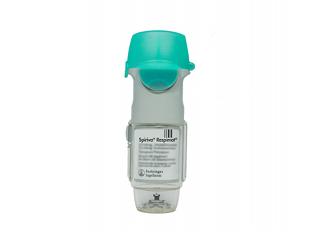

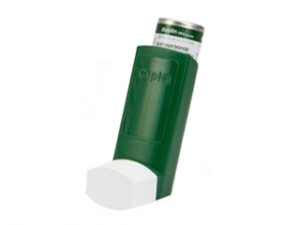
Tiotropium Bromide (LAMA) — Patient Information (Australia)
Tiotropium bromide is a long-acting inhaled medicine used to help keep airways open and reduce symptoms of chronic lung conditions such as chronic obstructive pulmonary disease (COPD). It works by relaxing airway muscles and helping patients breathe more comfortably over the long term.
This guide is designed to be patient-friendly and to support safe, informed use. Always follow the instructions provided with your inhaler and consult a healthcare professional if you have questions about your specific situation.
Basic Product Information
| Item | Details |
|---|---|
| Generic name | Tiotropium bromide |
| Medicine type | Inhaled bronchodilator (long-acting muscarinic antagonist; LAMA) |
| Main benefit | Helps prevent and reduce breathlessness by keeping airways open |
| Common conditions treated | COPD (most commonly); also used in some asthma management plans |
| Typical dosing schedule | Usually once daily for maintenance therapy (depending on device and regimen) |
Important: Tiotropium bromide is available in different inhaler devices (for example, mist/soft-mist inhalers and dry powder devices). The exact dose and technique can vary by product and device—use the specific instructions for your inhaler.
How Tiotropium Works (Mechanism of Action)
Tiotropium bromide is a long-acting muscarinic antagonist. In the lungs, airway narrowing is partly driven by the muscarinic pathway (a signalling system that can cause airway muscles to tighten and secretions to increase).
- Blocks muscarinic receptors (particularly M3 receptors) on airway smooth muscle.
- Reduces bronchoconstriction (airway tightening).
- Improves airflow by helping keep airways open.
- Lasting effect supports once-daily maintenance control in COPD.
Unlike “reliever” medicines used during sudden breathlessness, tiotropium is designed for ongoing daily control.
Pharmacokinetics (How the Body Handles It)
“Pharmacokinetics” describes what happens to a medicine after you take it—how much reaches the lungs, how long it stays active, and how it’s eliminated from the body.
- Absorption and distribution: When inhaled, tiotropium primarily acts locally in the airways. Some of the dose may be swallowed after inhalation, but the main effect is in the lungs.
- Onset of effect: Many patients notice benefit after the first dose, but the full maintenance benefit is typically developed over continued regular use.
- Duration of action: The drug dissociates slowly from its receptors, supporting a long-lasting bronchodilator effect.
- Metabolism: Tiotropium is not extensively metabolised in the body.
- Excretion: Primarily eliminated through the kidneys.
Kidney function matters: Because elimination is largely renal, patients with reduced kidney function may need extra medical advice and monitoring.
Typical Use and Indications
Tiotropium bromide is used to improve breathing and reduce symptoms in people with chronic lung disease.
Common indications
- COPD (chronic obstructive pulmonary disease): maintenance bronchodilator therapy to reduce symptoms and help improve lung function.
- Asthma: may be used in certain asthma management plans under specialist guidance when appropriate (device-specific use and eligibility vary).
What it can help with
- Shortness of breath (breathlessness)
- Reduced exercise tolerance
- Breathing symptoms that persist despite other controller therapies
- Prevention of symptoms from becoming worse over time (maintenance control)
Timing and How to Take Tiotropium Bromide
Tiotropium bromide is generally used as once-daily maintenance therapy. The best time of day can depend on your routine and any other medicines you take.
Typical timing
- Once daily: take at the same time each day if possible.
- Same time matters: regular use helps maintain steady bronchodilation.
- If you miss a dose: follow the advice provided with your product. In general, take it when you remember unless it’s close to the time of the next dose—do not double up.
Consistency over “as needed”
Tiotropium bromide is not meant for sudden attacks of breathlessness. For emergencies or acute symptoms, you may be prescribed a separate reliever inhaler (often a short-acting bronchodilator). Always keep your reliever available if recommended by your healthcare team.
Food Interactions
Because tiotropium is administered by inhalation and primarily acts in the lungs, food interactions are not generally expected.
- Swallowed portion: If some medicine is swallowed after inhalation, it is not typically affected meaningfully by food.
- Practical advice: You can usually take tiotropium with or without food.
If you have a complex medication regimen or swallowing difficulties, ask your pharmacist how best to manage inhalation technique.
Alcohol Interactions
Direct interactions between tiotropium and alcohol are not commonly reported. However, alcohol can worsen breathing in some people by affecting sleep, hydration, and overall respiratory comfort.
- If alcohol makes your symptoms worse (e.g., increased breathlessness or coughing), consider limiting intake.
- If you feel unwell after drinking—especially if you also have severe COPD—seek medical advice.
Interactions With Other Medicines
It’s important to consider medicines that affect the airways, particularly other anticholinergic drugs.
Potential interaction considerations
- Other anticholinergic medicines: Using multiple anticholinergic medicines (including some inhaled or systemic treatments) may increase the risk of anticholinergic side effects such as dry mouth or constipation.
- Other inhalers for COPD or asthma: Many patients use tiotropium alongside inhaled corticosteroids and/or long-acting beta2-agonists (LABAs). Combination regimens may be appropriate, but your clinician should ensure the overall regimen is suitable.
Medicines and conditions to mention to your pharmacist/doctor
- Any medicines for urinary retention or overactive bladder
- Medicines for motion sickness or certain allergies (antihistamines may have anticholinergic effects)
- Other inhaled bronchodilators in your current plan
- History of glaucoma, prostate enlargement, or urinary difficulties
General safety rule: Always provide your healthcare team with a full list of medicines (including over-the-counter and herbal products).
Dosing (Patient-Friendly Overview)
Follow your specific inhaler instructions. Tiotropium bromide dosing is device-dependent. The brand and inhaler type determine the dose strength and how many inhalations you take.
Typical dosing pattern
- COPD maintenance: commonly once daily inhalation therapy.
- Asthma (where used): dosing and appropriateness should be determined by your healthcare professional.
How many puffs/inhalations?
The number of inhalations can vary between products. Do not assume that one inhaler is interchangeable with another. If you switch brands or devices, re-check the instructions.
Missed dose
- Use the product-specific instructions. Many regimens advise taking the missed dose as soon as remembered, unless it’s near the next dose.
- Do not take extra to make up for a missed dose unless your clinician advises it.
Safety Profile and Side Effects
Most people tolerate tiotropium well. Like all medicines, it can cause side effects—some more common than others.
Common side effects
- Dry mouth
- Sore throat or throat irritation
- Cough
- Constipation (in some patients)
- Headache (reported occasionally)
Less common but important side effects
- Urinary retention or difficulty passing urine (more relevant in people with prostate problems)
- Eye symptoms if mist gets into the eyes (blurred vision, eye pain, halos around lights)
- Allergic reactions (swelling of face/lips, rash, trouble breathing)
- Worsening breathing immediately after inhalation (inhaler technique or bronchospasm considerations)
When to seek urgent help
Seek urgent medical attention if you experience:
- Severe allergy symptoms (e.g., swelling of face/lips, breathing difficulty)
- Severe eye pain with blurred vision after inhalation
- Sudden worsening breathlessness that is severe or rapidly progressive
Special populations
- Kidney impairment: because tiotropium is eliminated via the kidneys, your clinician may adjust monitoring and suitability.
- Older adults: generally can use tiotropium, but side effects affecting the urinary tract or constipation may be more noticeable.
- Pregnancy and breastfeeding: discuss with your healthcare professional for individualised advice.
Practical Use Tips (Getting the Best Results)
Many benefits of tiotropium depend on correct inhaler technique. Even a perfectly good medicine may not work well if it doesn’t reach the lungs.
General technique tips
- Follow the device directions exactly (different inhalers use different steps).
- Exhale gently before use (away from the inhaler, as instructed).
- Inhale at the correct speed for your device type (slow/steady for some devices, faster/deeper for others).
- Hold your breath for as long as comfortable after inhalation (as directed).
- Rinse your mouth if your regimen includes an inhaled corticosteroid (not because tiotropium itself requires it, but for overall inhaler hygiene).
Avoiding common problems
- Mist/ powder in eyes: Keep your face away from the inhaler and avoid aiming at the eyes.
- Oral dryness: Sip water, use good hydration, or speak with your pharmacist if dry mouth becomes bothersome.
- Constipation: Consider fibre, fluids, and activity; consult a healthcare professional if constipation is persistent or severe.
Device care
- Store your inhaler as directed on the label.
- Check expiry date and do not use if damaged or expired.
- Keep track of doses/counters if your product has one.
What to Expect: Benefits and Monitoring
With regular use, tiotropium can help improve daily breathing and reduce symptoms. You may still have “bad days,” especially with infections, pollution exposure, heat/humidity changes, or during flare-ups.
- Track symptoms: note breathlessness, coughing, and ability to do activities.
- Track inhaler use: use the inhaler as prescribed and avoid extra doses unless advised.
- Follow-up: regular reviews help adjust your COPD/asthma plan.
If your symptoms are not improving or are worsening, speak with your healthcare professional. You may need a treatment adjustment or to check inhaler technique.
Alternative Options
There are several other bronchodilators used for COPD and asthma management. Your healthcare team can recommend alternatives based on your symptom pattern, lung function, and overall treatment plan.
Alternatives for COPD
- Other LAMAs (long-acting muscarinic antagonists), such as umeclidinium or aclidinium (availability and devices vary).
- Long-acting beta2-agonists (LABAs) such as formoterol or salmeterol (often used in combination therapy).
- Combination inhalers (e.g., LAMA/LABA or LABA/inhaled corticosteroid combinations) depending on severity and guidelines.
Alternatives if you experience side effects
If dry mouth, urinary symptoms, or constipation becomes problematic, your clinician may consider:
- Switching to a different LAMA
- Adjusting your overall COPD plan
- Addressing contributing factors (fluid intake, diet, constipation management)
Do not stop or change therapy without medical advice.
Market and Legal Context for Australia
Medicine availability and supply processes in Australia are regulated to support safe and effective use. Tiotropium bromide inhalers are commonly supplied through pharmacies and are used as part of standard care for COPD (and selected asthma management situations).
For online purchases, you should expect:
- Supply of the exact brand/device you order
- Clear product information including dosing and inhaler instructions
- Pharmacy checks to confirm your suitability and safe use, including potential interaction screening
Important: Availability may vary by product type, device, and packaging (including different strengths and inhaler technologies).
Recent Guidance and Clinical Considerations
Clinical recommendations for COPD and asthma evolve as new evidence emerges. In Australia, healthcare professionals commonly use international and local guidance to decide when to start or escalate controller therapy.
In many COPD treatment pathways:
- Long-acting bronchodilators such as LAMAs are a core component of maintenance therapy.
- If symptoms persist, treatment may be stepped up by combining long-acting bronchodilators and/or adding inhaled corticosteroids depending on exacerbation history and blood eosinophil levels (when available).
- Regular review of technique and adherence is emphasised because inhaler use errors are a frequent cause of poor symptom control.
If you are unsure whether tiotropium is the right medicine for you, ask your pharmacist or GP about current management goals and whether your inhaler technique is correct.
Delivery, Availability and What to Expect When Ordering
When ordering tiotropium bromide online in Australia, availability depends on stock of the specific brand and inhaler device. Delivery practices can vary by pharmacy, location, and courier service.
Typical ordering and delivery points
- Product matching: ensure the ordered item matches the device you currently use (or the device your clinician recommended).
- Packaging: medicines are usually packed with patient information and instructions for use.
- Delivery timeframe: most online pharmacies provide an estimated delivery window at checkout.
- Storage: store at the temperature and conditions listed on the label; keep away from moisture where relevant.
If you need the medication urgently due to worsening symptoms, contact the pharmacy before ordering to confirm stock and delivery timeframes.
FAQ — Tiotropium Bromide
1) Is tiotropium bromide the same as a “reliever” inhaler?
No. Tiotropium bromide is a long-acting maintenance bronchodilator used for regular control. Reliever medicines are typically used for sudden symptoms or attacks and work over a shorter time period.
2) How quickly will it start working?
Some patients notice improvement soon after starting, but the full maintenance benefit comes with regular daily use. If you see no improvement after your clinician expects, review inhaler technique and talk to a healthcare professional.
3) Can I take it with food?
Generally yes. Food interactions are not usually a concern with inhaled tiotropium.
4) What if I forget a dose?
Check the instructions for your specific product. Typically, take it when you remember unless it’s almost time for your next dose. Do not take extra doses to compensate.
5) Are there any alcohol interactions?
Direct interactions are not commonly expected, but alcohol may worsen breathing for some people. If alcohol aggravates your symptoms, limit or avoid it and discuss with a clinician if needed.
6) Can I use tiotropium with other inhalers?
Many COPD/asthma plans include multiple inhalers. It’s usually appropriate to combine therapies when prescribed, but avoid doubling up on similar “anticholinergic” effects without advice from a healthcare professional.
7) What should I do if I get dry mouth?
Dry mouth is a common side effect. Sip water, stay hydrated, and let your pharmacist know if it persists. In some cases, your treatment plan may be adjusted.
8) What if I experience eye pain or blurred vision after using my inhaler?
Stop using the device and seek urgent medical advice. Eye symptoms after inhalation can be a warning sign of medication reaching the eyes.
9) Who should be extra careful?
People with kidney problems, glaucoma, urinary retention, or significant prostate/urinary difficulties should be monitored closely and should discuss suitability with a healthcare professional.
10) How do I know if my inhaler technique is correct?
If symptoms aren’t controlled, ask your pharmacist or nurse to watch your technique. Many inhaler errors are correctable with coaching.
Summary
Tiotropium bromide is an inhaled long-acting muscarinic antagonist used mainly for COPD maintenance. It relaxes airway muscles and helps keep airways open for ongoing symptom control. Benefits depend on consistent daily use and correct inhaler technique. Most people tolerate it well, with dry mouth and mild throat irritation being common. If you experience severe side effects, eye symptoms, or sudden worsening breathing, seek urgent medical advice.
If you’d like, tell me which tiotropium inhaler device you have (brand name and device type), and I can help you understand the correct steps and best timing for that specific product.