Theophylline (Australia) – Patient-Friendly Guide
Theophylline is a medicine used to help manage certain breathing conditions—most commonly some forms of chronic asthma and COPD (chronic obstructive pulmonary disease). It works by relaxing airway muscles and improving airflow. Because theophylline has a relatively narrow safety margin and can interact with many medicines (and with smoking and alcohol), it’s important to understand how it works, how it’s taken, and what to watch for.
This guide is written for people in Australia and focuses on practical, patient-friendly information.
Basic product information
- Medicine name: Theophylline
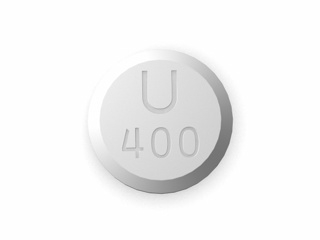
- Common forms: Tablets, capsules, and modified/slow-release preparations (e.g., extended release)
- Typical role: Maintenance/longer-term control in selected patients; may be used when other options are insufficient or unsuitable
- How it’s usually supplied: Available via pharmacy channels in Australia; exact brands and strengths vary by product
- Key safety note: Dose adjustments may be needed, and some people require blood tests (therapeutic drug monitoring)
Always use the product exactly as directed on your label or by your healthcare professional. Different formulations (immediate-release vs slow/extended-release) are not interchangeable on a mg-for-mg basis.
What theophylline does (mechanism of action)
Theophylline belongs to a group of medicines sometimes referred to as methylxanthines. It helps the airways in several ways:
- Airway smooth muscle relaxation: This reduces bronchospasm (tightening of the airways), helping you breathe more easily.
- Improves airway function: It may enhance airflow and reduce symptoms such as wheeze and shortness of breath.
- Anti-inflammatory effects (partial): Theophylline may modestly affect inflammatory pathways in the lungs.
- Helps respiratory muscle activity: In some people, it may support breathing mechanics.
The effect is usually stronger as part of ongoing management rather than as a “quick fix” during sudden attacks.
Pharmacokinetics (how the body processes the medicine)
Understanding pharmacokinetics helps explain why interactions and dose changes matter.
Absorption
- Theophylline is absorbed from the gastrointestinal tract.
- Slow-release formulations provide a steadier release over time.
Distribution
- It distributes throughout body tissues and can cross into body fluids.
Metabolism (liver processing)
- Theophylline is primarily metabolised in the liver.
- Many factors can change liver metabolism, including other medicines, smoking, diet, and age.
Half-life and duration
- Theophylline has a variable half-life among individuals.
- Because it can build up, especially if metabolism is slowed, monitoring and dose adjustments may be needed.
Therapeutic drug monitoring (TDM)
For some patients, healthcare professionals may measure blood levels to ensure the dose is effective but not excessive. This is particularly relevant if you:
- start or stop interacting medicines
- have liver disease
- are an older adult
- smoke (or stop smoking)
- are pregnant or have rapidly changing health
Typical use and indications (what it’s used for)
Theophylline is used to help manage long-term breathing problems. Depending on local practice and product availability, indications may include:
- Asthma: In some patients with chronic asthma symptoms not fully controlled with standard inhaled therapies.
- COPD: For selected people with COPD to improve symptoms and airflow.
- Short-term situations: In some clinical contexts, it may be used when other treatments are limited. The decision depends on your overall situation.
Theophylline is not typically used as the only treatment during severe sudden asthma attacks. Reliever inhalers (such as short-acting bronchodilators) usually play a key role during emergencies.
When to take it (timing and how to use)
The correct timing depends on the type of theophylline you are using.
Immediate-release vs modified/slow-release
- Immediate-release: Usually taken more frequently (as directed).
- Modified/slow-release: Often taken once or twice daily to maintain steadier levels.
Practical tips for timing
- Take consistently: Try to take doses at the same times each day.
- Swallow whole if required: Many slow-release tablets/capsules must not be crushed or chewed.
- Follow the label: If your label says “slow release,” do not substitute another formulation.
- Don’t skip and double: If you miss a dose, follow your product instructions or seek advice—avoid taking extra doses to make up for a missed one.
Dosing (general guidance)
Dosing varies widely based on age, formulation, smoking status, liver function, and interacting medicines. Because of the potential for side effects at higher levels, dose individualisation is important.
Key points:
- Dose is often started lower and increased gradually for safety.
- Blood level monitoring may be recommended to keep theophylline within a target range.
- Older adults often need lower doses.
- Smoking can increase theophylline clearance, which may change dose needs.
To find your exact dosing schedule, check the patient information leaflet inside your medicine pack and the instructions on your label.
Important: This information is general and cannot replace your prescriber’s or pharmacist’s instructions.
Food interactions
Food can affect how theophylline is absorbed and how quickly peak levels occur.
General advice
- Take as directed with or after food if your label recommends it, to reduce stomach upset.
- Try to keep your eating patterns consistent day-to-day.
Caffeine
Theophylline is chemically related to caffeine effects in the body. Drinks or foods containing caffeine (coffee, strong tea, energy drinks, some colas, and certain supplements) may worsen side effects such as jitteriness, restlessness, or sleep disturbance.
If you drink caffeine regularly, discuss safe amounts with your pharmacist or doctor, especially when starting theophylline or adjusting doses.
Alcohol and medicine interactions
Alcohol
Alcohol may increase the likelihood of side effects such as nausea, stomach irritation, and dizziness. It may also affect how your liver metabolises medicines.
- Limit alcohol where possible.
- Avoid binge drinking.
- If you notice increased side effects after drinking, stop alcohol and seek advice.
Major medicine interactions
Many medicines can change theophylline levels by affecting liver enzymes or kidney function. This can increase toxicity or reduce benefit.
Examples of medicines that may interact (not exhaustive):
- Antibiotics (some types may increase theophylline levels)
- Antifungals (may increase levels)
- Oral contraceptives (may increase levels in some people)
- Seizure medicines (some can decrease levels)
- Heart medicines (some can change the risk profile)
- Other asthma/COPD medicines (may affect heart rate or side effects)
- Herbal products (certain products may interact through liver enzyme effects)
Because theophylline levels can be affected, it’s crucial to let your pharmacist know about all medicines and supplements you take—especially:
- new prescriptions
- over-the-counter (OTC) products
- vitamins and herbal remedies
- smoking-related changes
Smoking and vaping
Smoking can speed up theophylline metabolism in some people, which may lower blood levels and reduce effectiveness. If you stop smoking or change your smoking amount, your dose may need adjustment.
Safety profile (what to watch for)
Theophylline is effective for some people, but side effects can occur—particularly if levels become too high. Because of this, it’s important to be aware of warning signs and seek help when needed.
Common side effects
- Nausea or stomach discomfort
- Headache
- Restlessness, jitteriness
- Diarrhoea
- Difficulty sleeping (especially if taken late)
- Heart beating faster than usual (palpitations)
Serious side effects (seek urgent medical attention)
Contact emergency services or seek urgent medical care if you experience symptoms that could indicate high theophylline levels or complications, such as:
- Severe vomiting or inability to keep fluids down
- Significant tremor, confusion, or severe agitation
- Fainting, severe dizziness, or collapse
- Chest pain, rapid or irregular heartbeat
- Seizures
Overdose and toxicity risk
Taking more than the recommended dose can be dangerous. If you suspect an overdose, seek urgent medical attention promptly. Keep your medicine packaging available for staff.
Practical use tips (to get the best benefit safely)
- Use the same formulation: Don’t switch between brand names or between immediate-release and slow-release preparations unless advised.
- Check timing carefully: If you’re on slow-release medicine, take it exactly as instructed—often morning and/or evening.
- Be consistent with caffeine: Sudden increases can increase side effects.
- Keep an up-to-date medicine list: Include OTCs, inhalers, antibiotics, and herbal products.
- Don’t stop abruptly without advice: Stopping suddenly may worsen breathing symptoms for some patients.
- Know your triggers: Asthma/COPD symptoms can flare due to allergens, infections, smoke, and temperature changes—your broader plan matters too.
- Ask about monitoring: If blood tests are recommended, schedule them promptly after dose changes or when starting/stopping interacting medicines.
Alternative options (other ways to manage asthma/COPD)
The best alternative depends on your diagnosis, severity, current treatment, and personal factors. Common alternatives include:
For asthma
- Inhaled corticosteroids (ICS) (often the foundation of control)
- Long-acting beta-agonists (LABA) often used in combination with ICS
- Leukotriene receptor antagonists (for selected patients)
- Biologic therapies (for certain severe asthma phenotypes)
For COPD
- Long-acting bronchodilators (LAMA, LABA, or combinations)
- Inhaled corticosteroids for selected people
- Smoking cessation support and pulmonary rehabilitation
- Vaccinations (e.g., influenza and pneumococcal) to reduce exacerbations
Your healthcare professional can help you choose a plan that balances symptom relief, long-term control, and safety.
Market and legal context for Australia
In Australia, availability and supply of medicines are governed by national and state/territory regulations, including the Australian Register of Therapeutic Goods (ARTG) managed by the Therapeutic Goods Administration (TGA). Medicines are classified and regulated based on safety, evidence, and appropriate use.
Theophylline-containing products may be supplied under different scheduling/dispensing arrangements depending on the product and strength. Online pharmacy supply must comply with Australian laws and pharmacy practice standards, including appropriate patient identification, medicine verification, and safety screening.
Recent guidance and practice trends (general)
Clinical practice for asthma and COPD in Australia has increasingly emphasised:
- Optimising inhaled therapy (technique, adherence, and stepwise control)
- Reducing reliance on medicines with higher interaction potential when safer alternatives are suitable
- Individual risk assessment for theophylline where it is used
- Monitoring (including blood levels where appropriate) because of the potential for toxicity
Always check current guidance from Australian clinical resources and discuss your treatment plan with a clinician or pharmacist, particularly if you are changing medicines or have new health conditions.
Delivery and availability (online pharmacy)
Theophylline products may vary in brand, strength, and formulation (including modified-release). Availability can depend on stock levels and product ordering time.
- Processing time: Orders are typically processed within standard business hours.
- Delivery: Delivery times vary by location and courier service. You’ll generally receive tracking or delivery updates.
- Stock differences: If your preferred brand or strength is unavailable, the pharmacy may offer an equivalent option if permitted by dispensing rules.
If you have questions about which theophylline formulation is right for you (immediate-release vs slow/extended-release), ask before ordering.
FAQ
1) Is theophylline a reliever like my blue inhaler?
No. Theophylline is generally used as part of longer-term control in selected patients. It is not a replacement for emergency reliever inhalers during sudden symptoms.
2) How long does it take to work?
Some benefit may occur after starting therapy, but the full effect can take days as dosing stabilises and breathing control improves. If you’re adjusting dose, changes may be clearer over several days.
3) Why do I sometimes need blood tests?
Theophylline levels can vary between individuals and may be affected by other medicines, smoking, age, and liver function. Blood tests help keep levels within a safer, more effective range.
4) Can I take theophylline with food?
Many people can take it with food to reduce stomach upset. Follow your product label instructions and keep your food routine consistent.
5) What should I do if I miss a dose?
Check your product instructions. In general, don’t take extra doses to “catch up.” If you’re unsure, contact your pharmacist for personalised advice based on your schedule and formulation.
6) Can I drink coffee or energy drinks?
It’s best to limit caffeine. Large or sudden increases can worsen side effects such as jitteriness, palpitations, and sleep disturbance.
7) What interactions should I be most careful about?
Be especially cautious with medicines that can alter theophylline metabolism (certain antibiotics, antifungals, seizure medicines, and others). Tell your pharmacist about everything you take, including OTC products and herbal supplements.
8) Is it safe to drink alcohol?
Alcohol may increase side effects and can affect how the liver handles medicines. Limit alcohol and seek advice if you notice worsening symptoms.
9) What are the early signs of too much theophylline?
Early signs can include nausea, vomiting, severe restlessness, tremor, palpitations, and insomnia. Serious symptoms include seizures, fainting, or chest pain—seek urgent help if these occur.
10) Can I stop theophylline suddenly?
Don’t stop without advice. Stopping may lead to worsening breathing symptoms. Your clinician can guide a safe plan.
Summary
Theophylline can help improve airflow and ease symptoms in selected people with asthma or COPD. It relaxes airway muscles and affects respiratory function, but it has important interaction potential and can cause side effects—especially if blood levels rise too high. Consistent dosing, careful attention to caffeine, alcohol, smoking changes, and medicine interactions, and follow-up monitoring when recommended can help you use theophylline more safely and effectively.
For individual advice, speak with a pharmacist or healthcare professional—particularly if you have liver disease, are an older adult, smoke, or are starting or stopping other medicines.