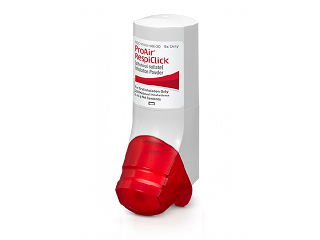
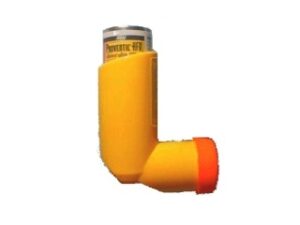
Proair Inhaler (Salbutamol / Albuterol) – Patient Information (Australia)
Proair Inhaler is a “reliever” medicine used to quickly ease symptoms of asthma and other breathing conditions that cause airway narrowing. The active ingredient is salbutamol (also known as albuterol), which helps open the airways so you can breathe more easily.
This page is written for patient understanding and is not a substitute for advice from a pharmacist or doctor. If your symptoms are worsening or you need to use your reliever much more often than usual, seek medical advice urgently.
Quick overview
- Medicine: Proair Inhaler
- Active ingredient: Salbutamol (Albuterol)
- Type: Short-acting bronchodilator (SABA)
- Purpose: Relieves sudden symptoms such as wheeze, tight chest and shortness of breath
- Typical onset: Often within minutes
- Duration: Commonly lasts about 4–6 hours
Important: Proair Inhaler helps symptoms but does not treat airway inflammation.
Basic product information
| Feature | What it means for you |
|---|---|
| Brand | Proair Inhaler |
| Generic name | Salbutamol (Albuterol) |
| Drug class | Short-acting beta2-adrenoceptor agonist (SABA) |
| Route | Inhalation into the lungs |
| Common forms | Pressurised metered-dose inhaler (pMDI) style device (varies by product) |
| Use style | For fast symptom relief during flare-ups |
How Proair Inhaler works (mechanism of action)
Salbutamol belongs to a group of medicines called beta2-agonists. After you inhale it, salbutamol stimulates beta2 receptors on the smooth muscle lining the airways. This leads to:
- Relaxation of airway muscles (bronchodilation)
- Opening of narrowed airways
- Improved airflow and relief of wheezing and breathlessness
Because it works quickly, it is used to relieve acute symptoms. However, it does not address the underlying inflammation driving many asthma attacks. Long-term asthma control often requires anti-inflammatory medicines (such as inhaled corticosteroids).
Pharmacokinetics (how your body handles it)
Pharmacokinetics describes how the medicine is absorbed, distributed, metabolised and eliminated. After inhalation:
- Absorption: Most of the dose delivered to the lungs is absorbed locally and some may be swallowed if it ends up in the throat.
- Onset: Relief typically begins within minutes.
- Metabolism: A major portion is metabolised in the liver.
- Elimination: Metabolites are mainly excreted by the kidneys (urine).
- Duration: Effects generally last around 4–6 hours (individual response varies).
If you use Proair Inhaler very frequently, side effects can become more likely (for example, fast heartbeat, tremor or feeling “shaky”). Increased reliever use may also indicate worsening asthma control.
What Proair Inhaler is used for (indications)
Proair Inhaler is commonly used for:
- Asthma: Relief of bronchospasm and symptoms such as wheeze, cough, chest tightness and shortness of breath.
- Exercise-induced bronchoconstriction: To prevent symptoms triggered by exercise (as part of an asthma action plan).
- COPD (chronic obstructive pulmonary disease): Relief of breathing symptoms in COPD where a SABA is appropriate.
Your treatment plan should be based on your symptoms and severity. If you have asthma, it is especially important to use the correct long-term controller if prescribed.
Typical timing and how quickly it works
Many people notice symptom relief within a few minutes of inhaling salbutamol. The most common pattern is:
- First effects: usually within 5 minutes
- Peak effect: often around 15–30 minutes
- Ongoing relief: typically lasts for several hours
If you have not improved after using it as directed, follow your asthma action plan or seek medical advice. Worsening symptoms may need urgent assessment.
Dosing (general guidance)
Dosing depends on your age, condition, symptom pattern and the specific product strength. Always follow the directions on the label or as advised by a healthcare professional.
Common adult dosing (general)
- Relief of symptoms: commonly 1–2 inhalations per episode, repeated if needed according to your action plan.
- Before exercise (if advised): usually 1 inhalation shortly before activity.
Children and adolescents
Dosing for children can differ by age and product. Use only as directed for the child’s specific product and age group. Spacer devices are often recommended to improve delivery.
When to seek urgent help
- If you need your reliever much more often than usual
- If you are not getting adequate relief after using it as instructed
- If breathing is rapidly worsening, you are struggling to speak, or lips/face look bluish
Safety note: Overusing inhalers can be dangerous. If you repeatedly require higher doses, this may signal uncontrolled asthma or another serious problem.
Food interactions
Because Proair Inhaler is delivered to the lungs, food interactions are generally minimal. Salbutamol may be swallowed in small amounts if aerosol deposits in the throat, but there are usually no specific dietary restrictions.
If you have swallowing difficulties, severe reflux, or you frequently feel medication “go down the wrong way,” speak to a pharmacist about inhaler technique and whether a spacer or technique adjustment may help.
Alcohol and medicine interactions
Alcohol
There is no direct, universal “prohibited” alcohol interaction for salbutamol; however, alcohol can affect breathing in some people. Alcohol may also worsen dehydration and sleep quality, which can indirectly affect asthma control. If you notice symptoms worsen after drinking, consider reducing alcohol intake and discuss with your doctor.
Other medicines that may interact
Tell your pharmacist or doctor about all medicines you take, including:
- Beta-blockers (including some eye drops for glaucoma): may reduce the effect of salbutamol or cause bronchospasm in susceptible people.
- Diuretics (“water tablets”) and medicines that can lower potassium: salbutamol can also lower blood potassium in some cases, increasing risk of low potassium.
- Corticosteroids (oral or high-dose inhaled): can influence potassium levels indirectly when used with salbutamol.
- Other inhaled bronchodilators (e.g., additional beta-agonists): using multiple relievers can increase side effects such as fast heart rate or tremor.
- Digoxin: low potassium can increase the risk of digoxin-related effects.
- MAOIs and certain antidepressants (varies): may increase cardiovascular effects in some circumstances.
If you are taking medicines for heart rhythm problems, blood pressure or thyroid disease, or if you have diabetes, ask your pharmacist for specific advice tailored to your regimen.
Practical use tips (how to get the best effect)
Effective inhaler technique is crucial. Many treatment failures happen because not enough medicine reaches the lungs. Consider using a spacer if recommended—especially for children, older adults, or anyone who struggles to coordinate breathing with actuation.
Step-by-step technique (general pMDI guidance)
- Shake the inhaler (if required by your device instructions).
- Remove the cap and check the mouthpiece is clean.
- Breathe out gently away from the inhaler.
- Seal your lips around the mouthpiece.
- Start breathing in slowly.
- Press once to release one dose while you continue to breathe in.
- Keep breathing in steadily as deeply as comfortable.
- Hold your breath for about 10 seconds (or as long as comfortable).
- Breathe out slowly.
- If you need another dose, wait about 30–60 seconds and repeat.
Common issues and fixes
- No improvement: technique may need adjustment; consider a spacer and re-check steps with a pharmacist.
- Taste or medicine at the back of the throat: you may not be timing the breath correctly; using a spacer can reduce throat deposition.
- Cold inhaler feel: inhaler performance may vary; use as directed and store correctly.
Device care and storage
- Store at appropriate temperatures as stated on the pack.
- Avoid puncturing or exposing the inhaler to high heat (typical for pressurised devices).
- Replace when it is empty or when the dose counter indicates it is finished (if your model has a counter).
Safety profile and side effects
Salbutamol can cause side effects, particularly when higher doses are used or when it is overused. Many people experience mild effects that improve as your body adjusts.
Common side effects
- Tremor (shakiness)
- Fast heartbeat (palpitations)
- Headache
- Feeling restless or anxious
- Muscle cramps (can occur)
Less common but important side effects
- Low blood potassium (hypokalaemia), especially with frequent dosing or high doses
- Chest pain or irregular heartbeat
- Worsening breathing despite treatment (rare; “paradoxical bronchospasm”)
- Allergic reactions such as rash, swelling of lips/face or difficulty breathing
Seek urgent help if you experience severe chest pain, fainting, significant irregular heartbeat, or a severe allergic reaction.
When to be extra cautious
- Heart rhythm disorders or significant heart disease
- Uncontrolled hyperthyroidism
- Diabetes (salbutamol can affect blood sugar in some cases)
- Low potassium history
- Using multiple medicines that may affect potassium or heart rate
What to do if symptoms don’t improve
If your symptoms do not improve after using Proair Inhaler as directed, it may indicate that:
- The attack is more severe than expected
- Inhaler technique needs adjustment
- Your asthma is not adequately controlled with your long-term plan
- Another condition is causing breathing difficulty
Follow your personal asthma action plan. If you do not have one, ask your pharmacist or doctor to help you create it.
Alternative options for symptom relief
Depending on the condition and severity, other reliever and bronchodilator options may be considered. Availability and suitability vary.
Reliever medicines
- Other short-acting beta2-agonists (SABAs): different brands of salbutamol or similar quick-relief inhalers.
- Short-acting bronchodilators for COPD: sometimes combined approaches are used under professional guidance.
Controller medicines (for long-term control in asthma)
If you regularly need reliever treatment, your doctor may recommend controller therapy, such as inhaled corticosteroids (ICS), combination ICS/LABA inhalers, or other regimen adjustments. These help reduce inflammation and reduce future attacks.
Ask your pharmacist about which alternatives are appropriate for you, based on your diagnosis, symptom pattern and current treatment.
Market and legal context for Australia (general information)
In Australia, medicines are regulated under the Therapeutic Goods Administration (TGA). Inhaler products including salbutamol are supplied according to their approved status. Some products may be available over the counter, while others may require a pharmacist to dispense based on local rules and product scheduling.
Pharmacies also support safe use through patient counselling, checking that the medicine suits the patient’s needs, and advising on correct inhaler technique and appropriate follow-up if symptoms worsen.
Always ensure the product you receive matches the strength and device type you intended to use.
Recent guidance and asthma action context (Australia)
Australian asthma management emphasises:
- Using a reliever correctly for symptom relief
- Recognising when symptoms are worsening (increased reliever use can be a warning sign)
- Having an asthma action plan that outlines steps during flare-ups
- Using controller therapy when indicated to reduce risk of attacks
Many patients benefit from regular review of inhaler technique and medication plans with a healthcare professional. If you are using Proair Inhaler frequently, consider speaking with a pharmacist or doctor to reassess control.
Delivery and availability (online pharmacy)
Proair Inhaler may be available via online pharmacies across Australia. Availability can vary due to stock levels, device types and pack sizes. When ordering, ensure you select:
- The correct brand and strength
- The correct inhaler type (pMDI vs other devices)
- pack size (for example, number of doses)
Delivery timeframes depend on your location and courier services. Many pharmacies offer standard and express options. You will typically receive tracking details once dispatched.
Storage on arrival: Keep the inhaler in a safe, dry place at the recommended temperature and away from heat.
FAQ – Proair Inhaler (Salbutamol/Albuterol)
1) Is Proair Inhaler the same as albuterol?
Yes. Salbutamol is known as albuterol in some countries. Proair Inhaler contains salbutamol.
2) How fast will it work?
Many people notice relief within minutes. If you do not feel improvement after using it correctly, follow your action plan and seek advice.
3) Can I use Proair Inhaler every day?
Some people with asthma use a reliever as needed rather than daily. Using it frequently (for example, more often than your plan indicates) may mean your asthma is not well controlled. Discuss your pattern of use with a healthcare professional.
4) Should I take it before exercise?
If recommended in your asthma action plan, salbutamol may be used before exercise to help prevent exercise-induced symptoms. Common guidance is to take it shortly before activity, but follow your personal plan.
5) Will food affect how it works?
Food interactions are generally not significant with inhaled salbutamol. Continue normal eating unless your healthcare professional advises otherwise.
6) What are the main side effects to watch for?
Common side effects include shakiness (tremor), fast heartbeat and headache. Seek urgent care if you experience severe chest pain, fainting, serious irregular heartbeat or signs of an allergic reaction.
7) Can Proair Inhaler be used with a spacer?
Many people benefit from using a spacer with a pressurised metered-dose inhaler. If you are unsure, ask your pharmacist which spacer is compatible and how to use it.
8) What if I keep needing to use my reliever?
Needing your reliever more often can be a warning sign of worsening asthma or poor control. Contact your pharmacist or doctor to review your treatment plan.
9) Are there medicine interactions?
Yes, interactions can occur—particularly with beta-blockers and medicines that affect potassium or heart rhythm. Tell your pharmacist about all medicines and supplements you use.
10) When should I seek emergency help?
Seek urgent/emergency assistance if breathing is rapidly worsening, you cannot speak comfortably, you have severe chest tightness, or your symptoms are not responding to your reliever as directed in your action plan.
Key takeaways
- Proair Inhaler (salbutamol) is a quick-relief bronchodilator for asthma/COPD symptoms.
- It works by relaxing airway muscles and improving airflow.
- Most effects begin within minutes and last several hours.
- Correct inhaler technique and (often) a spacer are vital for best results.
- If you need your reliever more than usual, get medical advice to improve long-term control.
If you have questions about your inhaler technique, dosing schedule, or whether your symptoms suggest worsening control, speak with a pharmacist.