Sporanox (Itraconazole) – Patient-Friendly Medicine Information (Australia)
Sporanox is the brand name for itraconazole, an antifungal medicine used to treat a range of fungal infections. This guide is designed to help you understand how Sporanox works, how it’s taken, what to expect, and important safety considerations for adults in Australia.
Always follow the dosing instructions provided by your healthcare professional. If you have questions about whether Sporanox is suitable for you, seek medical advice.
Key Product Information
| Item | Details |
|---|---|
| Medicine name | Sporanox (Itraconazole) |
| Type | Oral antifungal (systemic) |
| Therapeutic use | Treats fungal infections in different body sites, including skin, nails, and internal fungal disease |
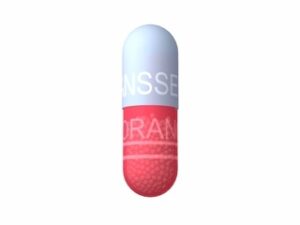
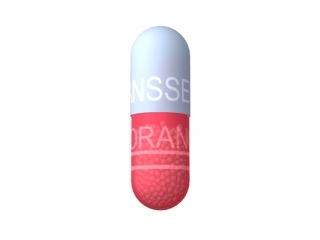
| Common formulation forms | Capsules and/or oral solution (depending on availability) |
| Drug class | Azole antifungal |
| Country market | Available in Australia under brand/approved listings |
How Sporanox Works (Mechanism of Action)
Fungi need ergosterol—a key component of their cell membranes—to survive and grow. Itraconazole works by blocking an enzyme involved in ergosterol production, leading to impaired fungal cell membrane formation.
The result is a reduction in fungal growth and, in many cases, clearance of the infection. Itraconazole is considered fungistatic in many settings (it can inhibit growth) though clinical effects can be strongly fungicidal for specific organisms and sites over time.
Pharmacokinetics (Absorption, Distribution, Metabolism, Elimination)
Understanding how itraconazole behaves in the body may help you take it correctly:
- Absorption: Absorption can vary depending on whether you take it with food, and it may differ between capsule and oral solution. Adequate gastric acidity is generally important for absorption of itraconazole capsules.
- Onset: Improvement may take days, but for nail and skin infections, effects often require weeks to months because growth cycles are slow.
- Distribution: Itraconazole distributes into tissues and can persist at levels that support ongoing antifungal activity.
- Metabolism: It is metabolised in the liver.
- Elimination: It leaves the body mainly via metabolism and excretion pathways; traces can remain for some time after stopping.
In practice, these factors mean that consistent dosing and correct instructions (especially around food and stomach acid medicines) matter.
Typical Uses and Indications
Sporanox is used for a variety of fungal infections. The exact indication depends on the organism involved, the site of infection, and your overall health.
Common uses may include:
- Fungal skin infections (including some cases of tinea and other dermatomycoses)
- Fungal nail infections (onychomycosis)
- Yeast infections in selected situations
- More serious or invasive fungal infections where systemic therapy is required
- Endemic fungal diseases (depending on local risk and organism sensitivity)
Not all fungal infections respond to itraconazole. If symptoms worsen or do not improve as expected, reassessment is important.
Timing and How to Take Sporanox
General dosing principles
- Take it at the same times each day to maintain consistent drug levels.
- Finish the full course even if you feel better early.
- Do not stop early unless your healthcare professional advises you to.
Capsules vs oral solution (food instructions may differ)
Sporanox may be available in more than one oral form. Food-related absorption instructions can vary between capsules and solution. As a general approach, follow the directions provided with your specific product.
If you’re unsure whether your dose is capsules or oral solution, check the packaging or consult a pharmacist.
Example schedules (illustrative)
Your exact schedule depends on the infection and your prescribed plan. Common regimens in clinical use may include daily dosing or “pulse” style approaches for certain nail infections. Only use the dosing plan that matches your situation.
Food Interactions (Important)
Food can significantly affect itraconazole absorption, especially with the capsule formulation. This is one of the most important practical considerations for Sporanox use.
- Capsules: often have improved absorption when taken with food.
- Oral solution: may have different absorption characteristics and is often recommended differently (sometimes on an empty stomach).
Because directions depend on the exact form you have, always follow the instructions printed on your medicine label or provided by your healthcare professional.
Stomach acid medicines and absorption
Some medicines that reduce stomach acid may lower itraconazole absorption and reduce effectiveness. Examples include:
- Proton pump inhibitors (PPIs), such as omeprazole, esomeprazole
- H2 blockers, such as famotidine
- Antacids (depending on timing and formulation)
If you use acid-reducing medicines, it’s important to discuss timing and options with your prescriber or pharmacist.
Alcohol and Sporanox Interactions
Itraconazole is processed by the liver. Alcohol can also affect liver function and may worsen side effects in some people. While there is not always a strict “never” rule, it’s safest to:
- Avoid heavy or binge drinking while taking itraconazole.
- Tell your doctor if you have liver disease or regularly drink alcohol.
- Seek urgent advice if you develop symptoms of liver problems (see Safety section).
If your doctor has advised complete avoidance of alcohol, follow that advice.
Medicine Interactions (Very Important)
Sporanox can interact with several other medicines. These interactions may change itraconazole levels or affect other drugs, increasing the risk of side effects or reducing effectiveness.
Common interaction categories
- Medicines that affect liver enzymes (CYP450): some medicines can increase or decrease itraconazole levels.
- Heart rhythm medicines: some drugs can increase the risk of rhythm disturbances.
- Statins: certain cholesterol-lowering medicines may interact and increase muscle-related side effects risk.
- Anticoagulants (blood thinners): may require monitoring and dose adjustment.
- Some sedatives/anti-anxiety medicines: levels may change.
- Immunosuppressants: drug levels may need adjustment.
Grapefruit and similar products
Dietary substances may affect drug metabolism. To minimise risk, ask your pharmacist whether you should avoid grapefruit or similar products.
What you should do
- Make a list of all medicines and supplements you take (including herbal products).
- Check that your prescriber/pharmacist knows about them before starting itraconazole.
- Do not start or stop any medicine without advice.
Dosing: What to Expect
The correct Sporanox dose depends on:
- the infection type and location
- the suspected/confirmed fungus
- your liver function and overall health
- drug interactions
- the formulation (capsules vs oral solution)
Your healthcare provider will calculate your specific dose and duration. In some cases, treatment may continue for weeks or longer—particularly for nail and invasive fungal disease.
Typical course length considerations
- Skin infections: may improve within days to weeks, depending on severity.
- Nail infections: improvement is gradual; it may take months for fully clear nails due to slow nail growth.
- Serious systemic infections: treatment duration can be longer and may involve follow-up tests.
If you miss a dose, follow the instructions provided by your pharmacist or the label. In general, don’t double up unless instructed.
Safety Profile and Side Effects
Like all medicines, Sporanox can cause side effects. Many people tolerate it well, but it’s important to know what to watch for.
Common side effects
- Nausea, stomach discomfort
- Headache
- Dizziness
- Diarrhoea or constipation
- Changes in taste
- Rash
Serious side effects (seek medical help urgently)
- Signs of liver problems such as yellowing of the skin/eyes (jaundice), dark urine, severe fatigue, persistent nausea/vomiting, or upper right abdominal pain.
- Severe allergic reactions including swelling of the face/lips, difficulty breathing, or widespread rash with fever.
- Heart-related symptoms, especially if you have existing heart disease (e.g., shortness of breath, swelling of legs, sudden weight gain, chest pain, fainting).
- Severe skin reactions such as blistering, peeling skin, or sores in the mouth.
Special caution groups
- Heart failure or certain heart conditions: itraconazole may pose increased risk; your healthcare professional will weigh benefits and risks.
- Liver disease: may require monitoring and dose adjustment or avoiding use.
- Older adults: may have higher risk of interactions; monitoring may be needed.
- People taking multiple medications: interaction risk can increase significantly.
Practical Tips for Safe, Effective Use
- Use consistent timing: set reminders for daily doses.
- Follow food instructions exactly: this can strongly affect effectiveness.
- Avoid missed doses: if you forget often, speak with your pharmacist for strategies.
- Watch for side effects early: especially fever, rash, yellowing of the skin/eyes, unusual breathlessness, or severe stomach symptoms.
- Keep medication lists: bring them to appointments and review interactions.
- Do not share medicine: fungal infections vary and dosing must match the condition.
- Consider hygiene and prevention: for skin and nail fungus, infection control measures (drying feet, changing socks, avoiding nail trauma) can reduce recurrence.
If your healthcare professional recommends monitoring (for example, liver tests), ensure you attend those appointments.
Alternative Options
Treatment alternatives depend on the infection site, organism, severity, and your medical history. Options that may be considered by clinicians include:
- Other oral antifungals such as terbinafine (often used for certain skin/nail infections)
- Topical antifungals (creams/solutions) for limited, superficial infections
- Different azoles (depending on organism sensitivity and local guidelines)
- Non-azole antifungals where appropriate
The “best” alternative depends on drug interactions and safety factors. For example, terbinafine may be chosen for some nail infections, but it also has its own safety profile. Discuss options with a healthcare professional.
Australia: Market, Legal, and Clinical Context
In Australia, itraconazole products are provided within the national medicines framework and must be dispensed in line with requirements for supply and clinical use. Medicines for systemic fungal infections are typically managed with appropriate clinical oversight due to interaction and safety considerations.
Guidance and availability can vary by product form and brand listing. Healthcare professionals may also consult local formularies and antimicrobial stewardship advice where available.
Recent guidance and practice considerations
- Drug–drug interaction awareness continues to be a key focus when prescribing systemic antifungals.
- Liver safety monitoring remains important, particularly in people with liver risk factors or those on longer courses.
- Formulation-specific administration (capsules vs oral solution) remains a practical emphasis to ensure proper absorption.
- Heart-related risk assessment is routinely considered due to antifungal class-related concerns.
Your prescriber may also recommend baseline assessments or follow-up tests depending on infection severity and planned treatment length.
Delivery and Availability (Australia)
Availability can depend on the specific Sporanox formulation (capsules or oral solution) and stock levels at suppliers. Online pharmacies in Australia commonly arrange delivery to metro and regional areas.
What you can expect from an online pharmacy
- Product verification: confirmation of the correct product strength and form.
- Packaging and labelling: delivered in secure packaging with clear instructions.
- Delivery options: typical shipping timeframes vary by location and dispatch schedule.
- Cold chain: generally not required for itraconazole, but follow packaging instructions.
If you need a specific formulation (for example, oral solution vs capsules), check product listings before placing an order and confirm availability with customer support.
FAQ – Sporanox (Itraconazole)
1) What is Sporanox used for?
Sporanox (itraconazole) is used to treat fungal infections. It may be used for certain skin, nail, yeast, and more serious systemic fungal infections depending on the diagnosis and organism.
2) How long does it take to work?
Some improvement may occur within days for skin infections, but for nail infections it can take weeks to months. Even after symptoms improve, the fungus may still need time to fully clear, so finishing the course is important.
3) Should I take Sporanox with food?
Food can affect absorption. Directions may differ between Sporanox capsules and oral solution. Follow the instructions on your medicine label or given by your pharmacist.
4) Can I take acid reducers (for heartburn) with itraconazole?
Some acid reducers can reduce itraconazole absorption. If you take PPIs, H2 blockers, or frequent antacids, discuss timing and options with your healthcare provider/pharmacist before starting treatment.
5) What medicines commonly interact with Sporanox?
Many drugs can interact with itraconazole, including some heart rhythm medicines, statins, anticoagulants, certain sedatives, immunosuppressants, and medicines affecting liver enzymes. Always review your full medication list with a pharmacist.
6) Is it safe to drink alcohol while taking Sporanox?
Alcohol may increase the burden on the liver and can worsen side effects for some people. It’s safest to avoid heavy drinking and seek advice if you have liver problems or drink regularly.
7) What should I do if I miss a dose?
Refer to your label or pharmacist instructions. In many cases, you take it when you remember unless it’s close to the next dose—then you skip the missed dose rather than doubling.
8) What side effects should I watch for?
Watch for nausea, headache, dizziness, and rash. Seek urgent help if you notice signs of liver problems (yellow skin/eyes, dark urine), severe allergic reactions, serious skin reactions, or symptoms suggesting heart problems.
9) Can Sporanox be used in people with heart failure?
Caution is required. People with certain heart conditions may be at higher risk. A healthcare professional should assess benefits and risks and may recommend alternatives or monitoring.
10) Are there alternatives to Sporanox?
Yes, depending on your fungal infection and health situation. Other oral antifungals (such as terbinafine) and topical antifungals may be options. A clinician can advise based on diagnosis and expected effectiveness.
Important: This information is general and may not cover every situation. If your symptoms persist, worsen, or you experience concerning side effects, seek medical advice promptly.