Terbinafine (Oral and Topical) – Patient-Friendly Medicine Information (Australia)
Terbinafine is an antifungal medicine used to treat a range of fungal infections of the skin, hair, and nails. It works by stopping the fungus from building and maintaining its cell membrane, helping the body clear the infection over time.
This guide explains how terbinafine works, how it’s used, what to expect, key safety information, and practical tips to help you get the best results.
Basic product information
- Medicine name: Terbinafine
- Common forms: Tablets (oral) and creams/ointments/sprays (topical) depending on the product strength and formulation
- Brand examples: Varies by manufacturer (your local product may list a brand name on the pack)
- Therapeutic class: Allylamine antifungal
- Where it’s used: Skin, scalp, and nails (pattern depends on oral vs topical products)
- Availability in Australia: Some topical products may be available through pharmacies, while oral options may be restricted depending on local regulations and product classification.
How terbinafine works (mechanism of action)
Terbinafine is an allylamine antifungal. It primarily inhibits the fungal enzyme squalene epoxidase, which plays a key role in producing ergosterol—an essential component of fungal cell membranes.
By blocking ergosterol synthesis, terbinafine causes:
- Accumulation of toxic fungal compounds (including squalene)
- Disruption of the fungal cell membrane
- Death of the fungus and clearance of infection
Important: Terbinafine may take time to show full results, especially for nail infections, because nails must grow out over weeks to months.
Pharmacokinetics (how your body handles it)
Pharmacokinetics describe absorption, distribution, metabolism, and elimination.
Oral terbinafine (tablets)
- Absorption: Absorbed through the gut; absorption can be affected by how the medicine is taken and individual factors.
- Distribution: Terbinafine distributes into skin and nail tissue. In nail disease, drug levels persist long enough to help clear infection as the nail grows.
- Metabolism: Primarily metabolised by liver enzymes.
- Elimination: Excreted mainly via urine (and to some extent through other routes).
Topical terbinafine (cream/ointment/spray)
- Absorption: Limited systemic absorption compared with oral terbinafine, so whole-body effects are generally less common with proper topical use.
- Local action: Concentrates at the site of infection to suppress fungal growth.
Monitoring note (oral use): Because oral terbinafine is processed by the liver, clinicians may consider liver function monitoring in certain situations, especially when treatment is longer or if you have existing liver disease or symptoms of liver problems.
Typical uses and indications
Terbinafine is used for fungal infections caused by susceptible organisms, most commonly dermatophyte fungi. It may also be used for some types of yeast-related infections depending on the species and local guidance.
Common indications
- Tinea (ringworm) of the skin: e.g., tinea corporis (body), tinea cruris (groin), tinea pedis (athlete’s foot)
- Fungal infections of the feet (including athlete’s foot)
- Tinea capitis (scalp) – often requires systemic treatment depending on severity
- Onychomycosis (fungal nail infection) – typically treated with oral terbinafine in many cases
- Some cutaneous fungal infections where terbinafine is appropriate
Not all rashes are fungal. If you’re unsure, it’s important to get the correct diagnosis. Some skin conditions mimic fungal infections (e.g., eczema, psoriasis, bacterial infections).
When to take terbinafine (timing) and how long it takes to work
Timing depends on the product form and the infection type.
Oral terbinafine timing
- Usually taken once daily. Many oral regimens involve a daily dose for a fixed period.
- Take at the same time each day to help maintain steady levels.
Topical terbinafine timing
- Apply to the affected area once or twice daily depending on the specific product and strength.
- Continue for the full course even if symptoms improve early.
How quickly you should notice improvement
- Skin infections: You may notice improvement within several days, but complete clearance can take longer (often 1–4 weeks depending on the location and severity).
- Nail infections: Improvement typically appears only after new nail growth. Treatment may last for weeks, and clearing can take months.
Tip: For nail infections, consistent treatment is key. Even when the fungus is controlled, infected nail may remain until it grows out.
Food interactions
Oral terbinafine: Food does not generally require strict avoidance, but absorption may be influenced by timing and the presence of food. Many instructions allow terbinafine to be taken with or without food.
- If you experience nausea or stomach discomfort, taking it with food may help.
- Always follow the directions on your specific product packaging.
Topical terbinafine: Food interactions are not usually relevant because systemic absorption is minimal when used correctly.
Alcohol and medicine interactions
Alcohol
Alcohol may increase the risk of liver stress when taking medicines processed by the liver, especially with oral terbinafine. While occasional alcohol may not cause problems for everyone, it’s best to be cautious.
- If you drink alcohol regularly, discuss this with a healthcare professional before starting oral terbinafine.
- Avoid heavy drinking, particularly during treatment.
- Stop and seek advice promptly if you develop signs of liver problems (see “Safety profile”).
Medicine interactions
Terbinafine can interact with other medicines by affecting liver enzyme activity or through shared metabolic pathways.
- Some antidepressants, certain heart rhythm medicines, and other medicines may interact depending on individual metabolism.
- Warfarin and other anticoagulants: Changes in clotting measures may occur with some antifungal medicines; if you take blood thinners, extra monitoring may be needed.
- Certain antibiotics or antifungals may increase or decrease terbinafine levels.
Action step: Tell a pharmacist or healthcare professional about all medicines you take, including:
- Prescription medicines
- Over-the-counter medicines
- Herbal products (especially those affecting liver enzymes)
- Supplements
Do not start or stop other medicines without advice if you are taking oral terbinafine.
Dosing information (general guidance)
Dosing depends on the infection type, location, and whether you’re using oral or topical terbinafine.
Oral terbinafine (tablets) – common dosing patterns
In many settings, oral terbinafine is prescribed by weight for children and using standard adult doses for adults. Typical adult dosing often involves a once-daily regimen.
| Condition (examples) | Typical approach | Notes |
|---|---|---|
| Nail fungal infection (onychomycosis) | Once daily oral therapy for a defined course | Time to visible improvement depends on nail growth; infected nail may remain until it grows out |
| Scalp fungal infection (tinea capitis) | Oral therapy for a defined course | Often combined with antifungal shampoos or additional measures depending on guidance |
| Widespread or resistant skin infections | Oral therapy in selected cases | Choice between topical vs oral depends on severity, body area, and diagnosis |
Follow your product instructions: exact tablet strength and duration can differ by formulation and clinical assessment. Use the dose and length recommended for your specific situation.
Topical terbinafine (cream/ointment/spray) – common dosing patterns
Topical terbinafine is generally applied to affected skin once or twice daily, depending on the product.
| Condition (examples) | Typical topical regimen | Notes |
|---|---|---|
| Athlete’s foot (tinea pedis) | Apply a thin layer once/twice daily | Continue for the full course and for about 1–2 weeks after symptoms clear if advised |
| Groin ringworm (tinea cruris) | Apply once/twice daily | Keep area clean and dry; avoid re-infection |
| Body ringworm (tinea corporis) | Apply once/twice daily | Don’t stop early even if redness improves |
Practical dosing tip: Apply to clean, dry skin. Wash hands after application unless treating the hands.
Safety profile: who should be cautious and what to watch for
Terbinafine is generally well tolerated when used as directed. However, all medicines can cause side effects. Your individual risk depends on your health history, other medicines, and the form of terbinafine used (oral vs topical).
Common side effects
- Oral terbinafine: gastrointestinal upset (e.g., nausea, diarrhoea, abdominal discomfort), headache, taste disturbance (less common), rash
- Topical terbinafine: mild skin irritation, redness, burning or itching at the application site
Serious but uncommon side effects (seek urgent advice)
Oral terbinafine: Because it can affect the liver, seek medical help promptly if you develop:
- Yellowing of the skin or eyes (jaundice)
- Dark urine
- Severe fatigue, persistent vomiting
- Right upper belly pain
- Unexplained flu-like symptoms that don’t settle
Also seek advice for signs of severe allergic reactions such as:
- Swelling of the face/lips
- Widespread rash or hives
- Difficulty breathing
Important precautions
- Liver disease: Oral terbinafine may not be suitable if you have significant liver impairment.
- Existing skin conditions: If you’re treating an area with eczema or psoriasis, antifungal creams may not be enough—get the correct diagnosis.
- Pregnancy and breastfeeding: Discuss risks and benefits with a healthcare professional.
- Children: Oral dosing and safety depend on age/weight and indication.
When to stop and get help
If you experience severe or persistent adverse effects, stop using terbinafine and seek advice. For oral therapy, do not wait for symptoms to improve if you suspect liver problems or a serious allergy.
Practical use tips for better results
Good treatment habits improve cure rates and reduce recurrence.
For skin infections (topical use)
- Apply beyond the edges: Treat slightly beyond visible rash (if directed) to cover microscopic spread.
- Keep the area dry: Moisture supports fungal growth. Use breathable clothing and change socks regularly.
- Don’t share towels: Fungal spores can spread via fabrics and surfaces.
- Wash bedding and clothing: Especially for active tinea. Use warm/hot washes where fabrics allow.
- Replace shoes if possible: Athlete’s foot often recurs from contaminated footwear.
For nail infections (oral use)
- Be patient: Nails grow slowly. You may not see clearance immediately.
- Adhere to the course: Stopping early increases the chance of persistent infection.
- Trim and file nails: This can reduce discomfort and improve appearance while treatment works.
Preventing reinfection
- Keep feet clean and dry.
- Use separate towels for feet.
- Consider antifungal powders or sprays for shoes if recommended.
- Check for infections in close contacts, especially in shared households.
Alternative options
Depending on the type of fungal infection, alternatives may include other antifungal medicines such as:
- Azole antifungals: e.g., clotrimazole, miconazole, econazole (often available as creams/solutions)
- Other allylamines: e.g., naftifine (where available)
- Different systemic antifungals: such as itraconazole or fluconazole for specific cases
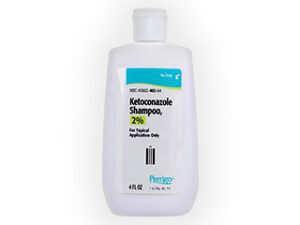
- Antifungal shampoos for scalp involvement (adjunct use in some conditions)
Choosing the right option depends on: infection location (skin vs nails vs scalp), suspected organism, severity, and whether topical treatment is sufficient.
Terbinafine in the Australian market and legal context
In Australia, access to terbinafine depends on the formulation and classification. Some topical terbinafine products may be available from pharmacies, while oral formulations can be subject to additional requirements. Online pharmacies typically provide product information and direct you to the correct category of medicine based on Australian regulations.
What this means for you:
- You may be able to purchase certain topical antifungal products without additional steps, depending on availability.
- Oral terbinafine may require additional eligibility checks or healthcare involvement depending on current prescribing and regulatory rules.
- Always confirm the exact product and directions shown on the pack you receive.
Regulatory updates: Medicine availability, classification, and guidance can change over time. Reputable Australian online pharmacies and pharmacists will align supply and information with current requirements.
Recent guidance and clinical considerations (Australia)
Clinical guidance for fungal infections generally emphasises:
- Correct diagnosis: verifying the cause of rash or nail changes (fungus vs other skin conditions)
- Appropriate duration: completing full courses to prevent recurrence
- Safety checks for systemic treatment: assessing liver risk factors for oral terbinafine
- Managing reinfection: hygiene measures for feet, footwear, and shared surfaces
In Australia, health professionals may advise additional steps if infections are persistent or severe, such as fungal testing (e.g., microscopy/culture) or reviewing potential causes like diabetes, immune compromise, or household transmission.
Delivery and availability (online pharmacy)
Availability depends on stock and medicine classification. When ordering from an Australian online pharmacy, you can typically expect:
- Packaged delivery: Medicines are dispatched in compliance with storage and handling requirements.
- Trackable shipping: Many services offer dispatch notifications and tracking details.
- Clear product labelling: Including directions for use and active ingredient information.
- Pharmacist support: If you have questions about suitability, side effects, or interactions, pharmacy teams can provide advice.
Storage: Keep terbinafine as directed on the pack (commonly at room temperature, away from moisture and heat). Keep out of reach of children.
FAQ about terbinafine
1) Is terbinafine for fungal infections only?
Yes. Terbinafine is an antifungal medicine. It is not effective for bacterial infections. If your symptoms don’t improve as expected, you may need a reassessment of the diagnosis.
2) How long does terbinafine take to work?
Skin infections: you may see improvement within several days, but full clearance usually takes longer. Nail infections: improvement depends on nail growth and may take months to look fully clear.
3) Can I stop once I feel better?
Try not to stop early. For antifungal treatments, completing the full course reduces the risk of relapse. Your exact duration depends on the condition and the product instructions.
4) What should I do if the rash comes back?
Reinfection is common, especially for athlete’s foot and toenail fungus. Focus on drying the area, cleaning clothing and footwear, and consider checking close contacts. Persistent or recurring infections may require medical review or fungal testing.
5) Can I use terbinafine on broken or very irritated skin?
Topical terbinafine is usually intended for intact affected skin. If the area is severely inflamed, blistered, or weeping, ask a pharmacist or healthcare professional for advice before applying.
6) Does terbinafine interact with other medicines?
Oral terbinafine can interact with some medicines, particularly those metabolised by the liver. Tell your pharmacist about all current medicines and supplements to check for interactions.
7) Can I drink alcohol while taking oral terbinafine?
Because oral terbinafine is processed by the liver, it’s wise to limit alcohol and seek advice if you drink regularly or have liver conditions. Stop and seek medical help if you develop symptoms of liver problems.
8) What if I miss a dose?
If you miss a dose, take it as soon as you remember unless it is close to your next dose. Do not take extra doses to make up for the missed amount. Follow your pack instructions.
9) Is terbinafine safe for pregnancy or breastfeeding?
Suitability depends on individual circumstances. Discuss with a healthcare professional for personalised guidance.
10) When should I seek medical advice urgently?
Seek urgent help if you develop signs of a serious allergy (swelling, breathing difficulty), or potential liver problems (yellow skin/eyes, dark urine, severe fatigue, persistent vomiting, or right upper abdominal pain).
Remember: The best outcome comes from the right diagnosis, correct dosing, and completing the full treatment course. If you’re uncertain whether your symptoms are fungal, or if there’s no improvement after the expected time, consult a pharmacist or healthcare professional for further advice.