Itraconazole (Antifungal Medicine) – Patient-Friendly Guide (Australia)
Itraconazole is an oral antifungal medicine used to treat a range of fungal infections. It works by stopping fungi from making essential cell components, helping to control and clear infection. This guide explains what itraconazole is, how it works, how it’s typically taken, key interactions, and important safety information for everyday use in Australia.
| Product overview | Details |
|---|---|
| Generic name | Itraconazole |
| Medicine type | Antifungal (triazole) |
| Common forms | Capsules and oral solution (product-specific) |
| Common uses | Fungal skin, nail, and systemic infections (as appropriate to the condition) |
| Key interaction focus | Major drug interactions (especially via CYP3A4); food affects absorption |
| Safety focus | Heart failure risk; liver monitoring may be needed; pregnancy considerations |
Basic product information
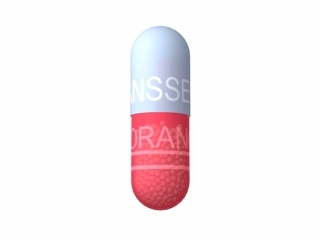
Itraconazole is a systemic antifungal medication available in Australia in different oral formulations. The choice of formulation (capsules vs oral solution) can affect how the medicine is absorbed, including how it should be taken with food.
Important note: Always follow the specific instructions provided for your exact product and your healthcare professional’s advice. Dosing and timing can vary depending on the infection type and the formulation.
How itraconazole works (mechanism of action)
Itraconazole belongs to the triazole class of antifungal medicines. It works by blocking an enzyme called lanosterol 14-α-demethylase (a fungal cytochrome P450 enzyme). This step is needed to produce ergosterol, a key component of fungal cell membranes.
By reducing ergosterol formation, itraconazole disrupts the fungal cell membrane. Over time, this helps prevent fungal growth and supports eradication of infection.
Pharmacokinetics (how the body handles it)
“Pharmacokinetics” refers to how the medicine is absorbed, distributed, metabolised, and eliminated.
- Absorption: Itraconazole absorption depends on the formulation and food/acid conditions. Capsules typically require stomach acid for best absorption; oral solution is generally absorbed differently.
- Distribution: Itraconazole distributes into tissues, including skin and nails, which is why it can be used for some chronic fungal conditions.
- Metabolism: It is metabolised in the liver, and many drug interactions occur because of liver enzyme pathways (especially CYP3A4).
- Elimination: It is cleared more slowly than some other medicines. Even after stopping, levels in tissues may persist for a time.
Because of these properties, it’s normal for improvement to take time—particularly for nail or skin infections—since infected material must gradually be replaced as new healthy tissue grows.
Typical uses and indications
Itraconazole may be used for fungal infections caused by susceptible organisms. In clinical practice, it can be considered for:
- Dermatophyte and skin infections (depending on severity and organism)
- Onychomycosis (fungal nail infections)
- Oropharyngeal, oesophageal, and other mucosal candidiasis in selected cases (as advised by a clinician)
- Vaginal candidiasis in specific situations where appropriate (often other agents are preferred)
- Systemic (deep) fungal infections including certain endemic mycoses and mould infections, when clinically indicated
The exact use depends on the infection type, severity, likely fungal species, your health history, and potential interactions with other medicines.
Timing: when and how to take itraconazole
Timing instructions can vary by formulation. Always check your product label and the specific directions provided with your medicine.
General principles
- Take it at the same times each day to maintain consistent antifungal levels.
- Finish the full course even if symptoms improve, unless advised to stop.
- Allow time for results: skin and especially nail infections often take weeks to months to clear.
With food (key absorption considerations)
Food can strongly influence absorption for itraconazole, particularly the capsule formulation.
- Capsules: often taken with food (commonly after a meal) to improve absorption. Follow your exact product instructions.
- Oral solution: often taken on an empty stomach (commonly with water), depending on the product instructions.
If you are unsure whether your medicine is a capsule or solution—or how to take it with meals—check your packaging or ask your pharmacist.
Food interactions and stomach-acid effects
Itraconazole absorption may be reduced if stomach acid is low. Some medicines and conditions lower stomach acid, which can affect antifungal effectiveness.
Be especially cautious with medicines such as:
- Proton pump inhibitors (e.g., omeprazole, esomeprazole, pantoprazole)
- H2 blockers (e.g., famotidine)
- Antacids (e.g., aluminium/magnesium hydroxide)
- Medicines that significantly reduce gastric acidity
Timing with antacids may be possible in some situations, but because the interaction is important, it’s best to discuss the plan with a pharmacist—especially if you take acid-reducing medicine regularly.
Alcohol and medicine interactions
Alcohol
Drinking alcohol while taking itraconazole may increase the chance of unwanted effects, particularly related to the liver. If you drink alcohol, consider keeping it minimal and discuss your situation with a healthcare professional.
- Risk considerations: liver stress, and possible worsening of side effects like nausea or fatigue.
- Practical approach: avoid heavy drinking; if you have liver disease, alcohol should generally be avoided unless specifically advised otherwise.
Major medicine interactions (important)
Itraconazole interacts with many medicines because it affects liver enzymes. Some combinations can cause itraconazole levels to rise (increasing toxicity) or fall (reducing effectiveness). Others may create a serious rhythm problem in the heart.
It is especially important to mention all medicines you take, including:
- Statins (cholesterol-lowering medicines)
- Some heart rhythm medicines and medicines that affect heart rhythm (QT prolongation)
- Anti-epileptics (certain seizure medicines)
- HIV medicines
- Rifampicin/rifabutin (for tuberculosis and related infections)
- Immunosuppressants (e.g., some transplant-related medicines)
- Anticoagulants (blood thinners) such as warfarin
Examples of medicines commonly discussed with itraconazole include: (not an exhaustive list)
- Simvastatin / lovastatin (often strongly affected)
- Some benzodiazepines and sleep/anxiety medicines
- Some antihistamines and allergy medicines
- Some migraine medicines (depending on class)
If you are taking multiple medications, a pharmacist can help check interaction risk and advise on safe timing or alternatives.
Dosage guidance (general information)
Dosing is based on the specific diagnosis, severity, body factors, and which formulation you are using. The following provides general dosing context so you understand what to expect.
Do not use this section as a substitute for your prescribed or labelled instructions. Always follow the instructions for your exact product.
Common dosing patterns (varies by infection)
- Skin and mucosal infections: often taken once or divided into multiple doses per day for a defined period.
- Onychomycosis (nail infections): may use shorter “pulse” cycles or longer continuous regimens, depending on the approach.
- Systemic infections: typically require longer courses with careful monitoring.
If you miss a dose
- If you remember soon, take it when convenient.
- If it’s close to the next dose, skip the missed dose.
- Do not double the dose to catch up.
If missed doses are frequent or you’re unsure what to do, consult a pharmacist or clinician.
Safety profile and warnings
Like all medicines, itraconazole can cause side effects. Most people tolerate it well when used correctly, but certain risks need attention.
Serious risks to be aware of
- Heart-related risk: Itraconazole is associated with a warning related to heart failure. People with certain heart conditions may be advised not to use itraconazole or to use alternatives.
- Liver effects: itraconazole can rarely cause serious liver problems. Some patients may require baseline or follow-up liver tests depending on the course and risk factors.
- Drug interaction risks: some interacting medicines can cause dangerous outcomes, including rhythm problems.
- Pregnancy and breastfeeding: discuss use with a healthcare professional. The safety of itraconazole depends on trimester, dose, and infection severity.
Common side effects
- Nausea, stomach discomfort
- Headache
- Dizziness
- Rash or itching
- Changes in taste (sometimes)
When to seek urgent help
Seek urgent medical help if you experience any of the following:
- Symptoms of heart failure, such as sudden breathlessness, swelling of feet/ankles, rapid weight gain, or severe fatigue
- Signs of liver problems such as yellowing of the skin/eyes (jaundice), dark urine, severe abdominal pain, or persistent vomiting
- Allergic reaction symptoms such as facial swelling, severe rash, or trouble breathing
- Fainting, severe dizziness, or palpitations with feeling unwell
Practical use tips for best results
- Confirm the formulation: capsules and oral solution may have different food instructions. Don’t assume they can be taken interchangeably.
- Follow food timing carefully: stomach-acid changes can reduce absorption. Take itraconazole exactly as directed.
- Avoid missed doses: set a daily reminder if you’re taking multiple doses.
- Expect slow improvement for nails: fungal nail infections require time for healthy nail growth. Regrowth may take months.
- Support hygiene measures: keep skin/nail areas dry, change socks regularly, and avoid sharing towels or footwear when relevant.
- Review other medicines early: if you start new medications or supplements, check interaction risk promptly.
- Don’t stop early due to symptom relief alone: antifungal courses often need to be completed.
Alternative antifungal options (depending on your condition)
The best treatment depends on the infection site, severity, likely fungal type, and your medical history. Common alternatives include:
- Terbinafine: often used for dermatophyte skin and nail infections; may be considered where appropriate.
- Fluconazole: sometimes used for certain yeast infections and some systemic infections.
- Voriconazole or Posaconazole: used for more serious mould infections under specialist guidance.
- Topical antifungals (for suitable superficial infections): creams, gels, or solutions for skin or nails in some cases.
A pharmacist or clinician can help compare options based on the infection type, expected duration, and interaction risk.
Market and legal context in Australia (overview)
In Australia, antifungal medicines are regulated under the TGA (Therapeutic Goods Administration). Whether a medicine is supplied without restriction, with pharmacist-only conditions, or under prescription requirements depends on the specific product and strength.
Availability may vary by formulation and brand. Online pharmacy services typically require verification of relevant medication information, and supply must follow Australian laws and pharmacy standards.
If you’re using itraconazole from an online pharmacy, ensure the product matches your intended formulation (capsules vs solution) and strength, and confirm the dosing directions on the pack.
Recent guidance and best-practice considerations
Fungal infection treatment guidance can evolve based on emerging evidence, resistance patterns, and safety updates. In recent years, key themes for azole antifungals have included:
- Strong focus on drug–drug interactions due to CYP-mediated metabolism
- Careful safety monitoring for liver function and heart-related risks
- Formulation-specific instructions (especially for absorption differences)
- Longer timelines for nail infections and the need to complete courses
If you have complex health needs, take multiple long-term medicines, or have liver/heart conditions, ask your pharmacist for a medication interaction check before starting or continuing therapy.
Delivery and availability (online pharmacy)
Delivery timeframes depend on stock availability and your location within Australia. Many online pharmacies offer:
- Secure packaging to protect the medicine
- Tracking updates for orders
- Careful verification of product details and supply conditions
When placing your order, consider:
- Whether you need a capsule or oral solution product
- Checking the strength on the label
- Ensuring the supply matches the intended course duration
If you need the medicine urgently, contact customer support to confirm dispatch and delivery estimates.
FAQ – Frequently asked questions
1) How long does it take for itraconazole to work?
It depends on the infection. Skin symptoms may improve within days to weeks, but nail and deeper infections can take weeks to months. Even when the fungus is controlled, visible improvement requires healthy tissue to regrow.
2) Can I take itraconazole with food?
It depends on the formulation. Capsules are often taken with food to improve absorption, while the oral solution may require a different approach (often on an empty stomach). Follow the instructions on your specific product.
3) Why can acid-reducing medicines matter?
Reduced stomach acid can lower itraconazole absorption for some formulations. If you use proton pump inhibitors, H2 blockers, or antacids, speak to a pharmacist to confirm the best timing or whether an alternative antifungal is safer.
4) Are there foods I should avoid?
There are no specific foods that universally must be avoided, but meal timing can significantly affect absorption (especially for capsules). Follow your product’s instructions for taking with meals.
5) What are the biggest drug interactions?
The most significant interactions involve medicines that affect or are affected by liver enzyme pathways (especially CYP3A4). Some combinations can increase toxicity, reduce antifungal effect, or cause heart rhythm problems. Always tell your pharmacist about all prescription medicines, over-the-counter products, and supplements.
6) Is it safe to drink alcohol?
Moderate alcohol may increase stress on the liver and can worsen side effects. Avoid heavy drinking, and if you have liver disease or previous liver problems, discuss alcohol use with a healthcare professional.
7) What should I do if I have liver issues?
Inform your doctor or pharmacist if you have liver disease, elevated liver enzymes, or previous drug-induced liver injury. You may require monitoring while on itraconazole.
8) Can itraconazole be used in pregnancy?
Pregnancy safety depends on the infection’s seriousness and the risk/benefit balance. Discuss the situation with a healthcare professional. If you become pregnant while taking itraconazole, contact a clinician promptly.
9) How should itraconazole be stored?
Store according to the label. Keep it in a cool, dry place and out of reach of children. Do not use after the expiry date.
10) What if my symptoms don’t improve?
If symptoms worsen or do not improve after the expected timeframe, seek medical advice. The fungal type may differ, the infection might be resistant, or an interaction might be reducing absorption.
Summary
Itraconazole is a powerful oral antifungal medicine used for a variety of fungal infections. Its effectiveness depends on correct formulation-specific timing (including food and stomach-acid considerations), and it has important interaction and safety considerations—particularly for heart failure risk and liver health. For best outcomes, take it exactly as directed, complete the full course, and check interactions with any other medicines or supplements.