

Diflucan (Fluconazole) – Patient Information (Australia)
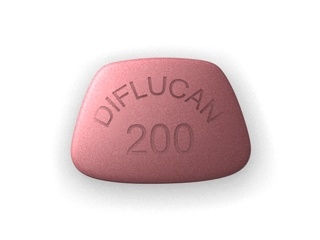
Diflucan is a well-known antifungal medicine containing fluconazole. It is used to treat a range of fungal infections, including infections caused by Candida and other susceptible yeasts. This guide explains how Diflucan works, how it is usually taken, key safety information, and practical tips to help you use it confidently.
Note: Medicines can affect people differently. Always read the consumer medicine information (CMI) supplied with your product and follow the directions given by your healthcare professional.
1) Basic product information
| Product | Active ingredient | Common form(s) | Typical use |
|---|---|---|---|
| Diflucan | Fluconazole | Tablets or oral suspension (depending on brand/strength) | Treatment of susceptible fungal infections |
What it treats: Fluconazole is used for fungal infections such as vaginal thrush, oral thrush, oesophageal candidiasis, certain skin infections, and some systemic (deeper) fungal diseases depending on the situation and organism.
How it is taken: It is usually taken by mouth. The dose and length of treatment vary by the infection type, severity, and patient factors.
2) How Diflucan works (mechanism of action)
Fungi need specific building blocks to make cell membranes and maintain healthy growth. Fluconazole works by inhibiting an enzyme called lanosterol 14-α-demethylase (a key part of the ergosterol production pathway).
- Ergosterol is a major component of fungal cell membranes.
- By blocking its production, fluconazole weakens the fungal cell membrane.
- This helps stop fungal growth and can lead to fungal death or elimination over time.
Why this matters: For many yeast infections, symptoms improve within a few days, but complete resolution may take longer. Finishing the course exactly as directed helps reduce the chance of relapse.
3) Pharmacokinetics (how the body handles fluconazole)
Pharmacokinetics describes what the body does to a medicine—absorption, distribution, metabolism, and elimination.
- Absorption: Fluconazole is generally well absorbed when taken by mouth.
- Distribution: It distributes into body fluids and tissues and can reach areas where susceptible fungi grow (for example, mucosal surfaces in oral/vaginal candidiasis).
- Metabolism: Part of the dose is metabolised (broken down) by the liver.
- Elimination: Most is eliminated via the kidneys. Fluconazole has a relatively long half-life, allowing once-daily dosing in many regimens.
Kidney and liver considerations: Dose adjustments may be needed in people with reduced kidney function. Because fluconazole is processed by the body and can affect the liver, monitoring may be recommended in some cases.
4) Typical use in Australia (indications)
Fluconazole is used for a variety of fungal (mycotic) infections that are susceptible to the drug. Indications commonly include:
- Vaginal candidiasis (vaginal thrush): For some cases, treatment may be a single dose or a short course depending on severity and clinical guidelines.
- Oral thrush (oral candidiasis): Often treated with a course of fluconazole, particularly when symptoms are moderate or recurrent.
- Oesophageal candidiasis: Usually requires longer therapy.
- Skin and mucocutaneous candidiasis: Selected cases depending on organism and location.
- Candidemia and other invasive candidiasis: In hospital or specialist care for serious infections.
- Other fungal infections: Depending on local practice, susceptibility patterns, and patient factors.
Important: Not all thrush-like symptoms are caused by yeast. Conditions such as bacterial vaginosis, skin disorders, sexually transmitted infections (STIs), or dermatitis can mimic fungal infection symptoms. If symptoms are unusual, persistent, or recurrent, a clinician may need to confirm the cause.
5) When to take Diflucan (timing and treatment duration)
The exact timing depends on the infection being treated. Many fluconazole regimens are:
- Single dose: Often used for uncomplicated vaginal thrush in some circumstances.
- Once daily for several days: Common for oral thrush or other mucosal infections.
- Longer courses: Used for oesophageal candidiasis or more serious infections.
Practical timing tips:
- Take your dose at the same time each day if prescribed a multi-day course.
- Set an alarm or use a reminder to avoid missed doses.
- If you’re unsure whether your dose is correct for your symptoms, check the product information or ask a pharmacist/clinician.
6) Food interactions
Food usually does not significantly affect fluconazole. Fluconazole can generally be taken with or without food. If the medicine makes you feel nauseous, taking it with a meal may help.
- Take with water.
- If you miss a dose, do not double up unless your clinician/pharmacist advises it.
7) Alcohol and medicine interactions
Alcohol
While moderate alcohol may not directly “cancel out” fluconazole, alcohol can increase the chance of stomach upset and may add strain to the liver. Because fluconazole can affect liver function in rare cases, it’s sensible to limit alcohol during treatment—especially if you have liver disease or you’re taking other medicines that affect the liver.
Important medicine interactions
Fluconazole can interact with several medicines, mainly by affecting drug metabolism in the liver (including the cytochrome P450 enzyme system). These interactions may increase or decrease medicine levels, potentially leading to side effects or reduced effectiveness.
Tell your pharmacist or clinician about all medicines and supplements you use, including:
- Warfarin and other anticoagulants
- Some heart rhythm medicines (antiarrhythmics)
- Certain antiepileptics
- Immunosuppressants
- Some antidepressants and antipsychotics
- Certain antibiotics and antifungals
- Oral diabetes medicines (depending on the medicine)
- Herbal supplements (for example, St John’s wort can affect drug levels)
Why this matters: Some interactions can raise drug concentrations and increase the risk of side effects (including effects on the heart rhythm). Others can lower levels and reduce antifungal effectiveness. Your pharmacist can check for interaction risks relevant to your current medication list.
8) Dosing: how much Diflucan is commonly taken
Diflucan dosing varies by the infection and patient factors. The information below is general and does not replace medical instructions.
General dosing principles:
- Uncomplicated mucosal candidiasis may be treated with shorter courses.
- More severe or deeper infections often need higher doses and longer therapy.
- In children, dosing is commonly calculated based on weight and indication.
- In kidney impairment, doses may need adjustment due to renal elimination.
Common regimen patterns (example categories):
- Vaginal candidiasis (thrush): may be treated with a single oral dose or a short course depending on the product regimen used and clinical situation.
- Oral thrush: often treated once daily for several days.
- Oesophageal candidiasis: often treated once daily for a longer period.
Missed dose: If you forget a dose, take it as soon as you remember. If it’s close to the time for the next dose, skip the missed dose and resume your regular schedule. Avoid taking extra doses unless advised.
Do not share your medicine: Even if someone has similar symptoms, dosing depends on the type of infection and medical context.
9) Safety profile and side effects
Most people tolerate fluconazole well. However, like all medicines, it can cause side effects.
Common side effects
- Headache
- Nausea or stomach upset
- Diarrhoea
- Abdominal pain
- Rash (can occur)
Less common but important risks
- Liver effects: Rare cases of hepatitis or liver injury have been reported. Symptoms to watch for include unusual tiredness, dark urine, pale stools, yellowing of the skin/eyes (jaundice), persistent nausea/vomiting, or upper right abdominal pain.
- Allergic reactions: Seek urgent care if you develop swelling of the face/lips, severe rash, blistering skin, or breathing difficulties.
- Heart rhythm changes: Some people may be at higher risk of QT prolongation (an electrical heart rhythm issue), particularly with other interacting medicines or existing heart conditions.
- Severe skin reactions: Rare but serious skin conditions can occur. Stop the medicine and seek urgent medical attention if you develop severe rash or skin blistering.
Who should take extra care
- People with liver disease
- People with kidney impairment
- People taking medicines that interact with fluconazole (especially those affecting heart rhythm)
- People with a history of serious drug allergies
- Pregnancy and breastfeeding situations (individual risk assessment is important)
Stopping treatment: If you develop signs of allergy or severe adverse effects, stop and seek urgent medical help. For milder side effects, contact a pharmacist for advice—do not stop abruptly unless told to do so.
10) Practical use tips (how to get the best outcome)
- Confirm symptoms match thrush: If symptoms do not improve or keep returning, consider checking with a clinician to confirm the diagnosis.
- Complete the planned course: Even if you feel better after a day or two, continue for the full prescribed duration.
- Hygiene without overdoing it: Use mild, unscented products. Avoid aggressive douching or harsh antiseptics.
- Avoid irritants: Some people find that scented soaps, tight synthetic underwear, or prolonged dampness can worsen symptoms.
- Consider underlying factors: Diabetes, recent antibiotics, weakened immune function, hormonal changes, and friction can contribute to recurrence.
- Sexual health considerations: If you’re treating genital thrush, avoid sexual activity if it worsens symptoms, and consider discussion with a clinician if symptoms are frequent or involve partners.
- If symptoms persist: If there is no improvement within the expected timeframe, seek advice. Persistent symptoms may be due to non-yeast causes or resistant organisms.
11) Alternatives to Diflucan (fluconazole)
Depending on the infection site and severity, alternatives may include:
- Topical antifungals: Creams, pessaries, or gels for certain vulvovaginal infections (often useful for mild or localised disease).
- Other oral antifungals: For some infections, clinicians may consider different antifungal agents depending on susceptibility and patient factors.
- Non-oral regimens: For oral thrush, some mouth treatments are also used.
- Supportive measures: Treating contributing factors (e.g., managing diabetes, reviewing antibiotic use, addressing irritation) can reduce recurrence.
Choosing an alternative: The best option depends on where the infection is, the severity, prior episodes, pregnancy status, and the medicine interactions profile. A pharmacist can help outline options suitable for your situation.
12) Australia context: market, legal and guidance considerations
In Australia, availability and guidance for medicines are governed by the Australian Therapeutic Goods Administration (TGA) and related regulatory frameworks. Fluconazole products are supplied according to their registration status and scheduling (which can vary by formulation/strength and local policy).
Consumer medicine information (CMI): Each product should provide a CMI with details on indications, dosing, contraindications, side effects, and interaction warnings. Always use the CMI for the specific brand you purchased.
Recent guidance (general trends): Over time, antimicrobial stewardship and infection control practices have emphasised:
- Confirming diagnosis when symptoms are recurrent or atypical
- Using the correct therapy duration to reduce relapse
- Reviewing medicines that may interact
- Checking risk factors for severe infection or complications
If you’re in doubt: If you have recurrent thrush, immunosuppression, pregnancy, or severe symptoms, seek clinician advice before repeating treatment.
13) Delivery and availability (online pharmacy)
Diflucan (fluconazole) may be supplied through online pharmacies where permitted. Availability can vary depending on formulation (e.g., tablet vs oral suspension), strength, and stock levels.
Typical delivery expectations:
- Delivery timeframes depend on your location and the pharmacy’s shipping service.
- Check estimated delivery times at checkout.
- Keep medicines in a cool, dry place and away from direct sunlight, following the packaging instructions.
Packaging and privacy: Online pharmacies usually ship in plain packaging and provide tracking where available.
14) FAQ – Diflucan (Fluconazole)
How quickly does Diflucan work?
Many people notice improvement within a few days, particularly for uncomplicated yeast infections. Complete symptom resolution can take longer, especially for oral or deeper infections. If you have not improved within the expected timeframe for your condition, contact a pharmacist or clinician.
Can I take Diflucan with food?
Yes. Fluconazole is generally taken with or without food. If it upsets your stomach, taking it with a meal may help.
What if I miss a dose?
Take the missed dose when you remember if it’s not close to your next dose. If it’s near the next dose, skip the missed dose and resume your usual schedule. Do not double doses.
Can I drink alcohol while taking fluconazole?
It’s best to limit alcohol during treatment. Alcohol can worsen stomach upset and may increase strain on the liver. If you have liver problems or you’re taking multiple medicines, ask a pharmacist for personalised advice.
Are there medicines I must avoid?
Some medicines interact with fluconazole and can increase risk of side effects or change drug effectiveness. Examples include certain anticoagulants (like warfarin), some heart rhythm medicines, and several other drug classes. Always provide your full medicine list to your pharmacist.
Can Diflucan be used for “vaginal thrush” every time symptoms return?
Recurrent symptoms should be assessed. Not all vulvovaginal discomfort is yeast. If symptoms come back repeatedly, you may need a diagnosis review and possibly different management for contributing factors.
Is Diflucan safe for everyone?
Not always. Extra caution may be needed for liver disease, kidney impairment, certain heart conditions, and during pregnancy or breastfeeding. If any of these apply, seek professional advice before use.
What side effects should make me stop and get urgent help?
Seek urgent medical care if you develop signs of allergy (swelling, severe rash, breathing difficulty) or severe skin reactions (blistering/peeling). Also seek help urgently if you show signs of liver injury (yellow skin/eyes, dark urine, severe persistent vomiting) or severe worsening symptoms.
Does fluconazole cure thrush permanently?
It treats the current infection, but thrush can recur due to underlying factors (such as diabetes, recent antibiotics, immune changes, or irritation). Prevention strategies can reduce recurrence.
What can I do to prevent recurrence?
- Manage underlying conditions (e.g., diabetes) with your healthcare professional.
- Avoid unnecessary antibiotics.
- Use gentle, fragrance-free products and breathable underwear.
- Keep the area dry and avoid prolonged moisture.
What are practical signs the infection is improving?
Symptoms such as burning, itching, abnormal discharge, or discomfort typically lessen over days. If symptoms worsen or do not improve within the expected window, get advice.
15) When to seek medical advice urgently
Please seek urgent medical attention if you experience:
- Severe allergic reaction symptoms (swelling of face/lips, difficulty breathing)
- Severe rash, blistering, or peeling skin
- Signs of liver problems (yellowing eyes/skin, dark urine, severe abdominal pain, persistent vomiting)
- Severe pain, fever, or symptoms suggesting a serious infection
If you’re concerned about an ongoing or recurring infection, contact a healthcare professional for assessment and the most appropriate treatment plan.
Always refer to the product’s CMI for detailed information tailored to your specific Diflucan formulation and strength.