Grisactin (Griseofulvin) – Patient-Friendly Information
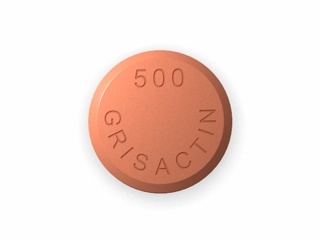
Grisactin contains griseofulvin, an antifungal medicine used to treat certain fungal infections of the skin, hair, and nails. This page explains how Grisactin works, how it’s usually taken, important food and medicine interactions, practical tips to improve treatment success, and guidance on safety.
While this information helps you understand your medicine, it does not replace advice from your clinician or the product label. If you have questions about your specific infection or dose, seek personalised medical advice.
Basic product information
| Item | Details |
|---|---|
| Medicine name | Grisactin (griseofulvin) |
| Type | Antifungal (fungistatic in many settings) |
| Common forms | Oral tablets and/or oral formulations (availability may vary) |
| Uses | Fungal infections involving keratin (skin/hair/nails), such as tinea infections and dermatophyte-related disease |
| How it’s taken | By mouth, usually with fatty food to improve absorption (follow your label instructions) |
| Key cautions | Drug interactions (e.g., with warfarin, hormonal contraceptives), liver considerations, sun sensitivity |
How Grisactin works (mechanism of action)
Griseofulvin works by targeting fungi that grow in keratin-containing tissues—namely skin, hair, and nails. It interferes with the fungus’s ability to form properly functioning cell structures.
- Disruption of fungal cell division: Griseofulvin affects mitosis (cell division) in dermatophytes.
- Prevents fungal spread: As new skin or nail grows, fewer fungal cells remain in the treated area.
- Faster improvement depends on tissue turnover: Nail and scalp infections often take longer to clear because infected material must grow out or be replaced.
Pharmacokinetics (how the body processes it)
Understanding absorption and metabolism can help explain why taking Grisactin correctly matters. Individual responses vary, but the main principles are below.
- Absorption: Griseofulvin absorption is generally improved when taken with food—especially food containing fat.
- Distribution: It distributes to skin, hair, and nails, where it can exert antifungal effects on growing tissue.
- Metabolism: Griseofulvin is metabolised in the liver.
- Elimination: Metabolites and small amounts of unchanged drug are eliminated primarily through the kidneys and bile.
- Clinical implication: Consistent daily dosing and correct administration with food help achieve reliable antifungal exposure.
Typical uses and indications
Grisactin is used for infections caused by dermatophyte fungi—organisms that infect keratinised tissue. It may be considered for:
- Tinea corporis (ringworm of the body)
- Tinea cruris (jock itch)
- Tinea pedis (athlete’s foot)
- Tinea capitis (scalp ringworm)
- Tinea unguium (nail fungal infection / onychomycosis) in appropriate cases
Your clinician may choose Grisactin when the infection involves areas less responsive to creams alone (such as the scalp or nails), or when specific fungal types are suspected or confirmed.
Important note: Grisactin is not intended for all fungal infections. Conditions such as candida infections are not typically managed with griseofulvin.
Timing and course duration
The schedule and length of treatment depend on the location and severity of the infection, and the organism involved. Because skin, hair, and nails grow at different rates, improvement can be gradual.
What you may notice over time
- Skin infections: Often begin to improve within days to weeks, but full clearance may still take several weeks.
- Scalp infections: Usually require longer courses and may involve additional therapies.
- Nail infections: Can take months, since nails need time to grow out fully.
Taking the dose consistently
Aim to take Grisactin every day at the same time. If you miss a dose, take it when you remember unless it’s close to the next dose. Avoid doubling up.
Food interactions and absorption tips
Grisactin absorption is commonly enhanced with food. Many people are advised to take it with fatty meals to improve effectiveness. Follow your product label or clinician’s instructions.
- Take with food: Especially if your instructions mention “with meals” or “after a meal”.
- Choose regular meals: A consistent routine helps maintain steady absorption.
- Don’t take on an empty stomach unless advised: This may reduce absorption for some people.
If you have dietary restrictions or nausea, speak to a clinician or pharmacist about practical ways to take it while maintaining tolerability.
Alcohol interactions
Griseofulvin is metabolised by the liver. For many patients, alcohol can increase the burden on liver metabolism and may worsen side effects such as dizziness, fatigue, or stomach discomfort.
- General guidance: It’s usually recommended to limit or avoid alcohol during treatment.
- If you choose to drink: Keep it moderate and observe how you feel; stop and seek advice if you develop symptoms such as severe nausea, jaundice, or dark urine.
Always check your product information and discuss your circumstances (including liver health) with a pharmacist or clinician.
Medicine interactions
Grisactin can interact with other medicines, which may change effectiveness or increase side effect risk. Some interactions can be clinically significant.
Examples of important interactions
- Warfarin (and other vitamin K antagonists): Grisactin may reduce warfarin effect, potentially affecting clotting control. Close monitoring may be required.
- Hormonal contraceptives: Grisactin may reduce effectiveness of some hormonal methods, increasing the chance of pregnancy. Additional or alternative contraception may be recommended.
- Other medicines affecting liver enzymes: Some drugs that influence hepatic metabolism can alter griseofulvin levels.
- Medicines that also cause liver stress: Combining may increase liver risk—your clinician may monitor or adjust therapy.
Tell your pharmacist about
- All prescription medicines
- All over-the-counter medicines
- Herbal products and supplements
- Any history of liver disease or abnormal liver tests
If you start a new medicine while taking Grisactin, check whether it may interact with your antifungal treatment.
Dosing (general guidance)
Dosing depends on infection type, body weight, age, and clinician assessment. Always follow the dose on the product label. The ranges below are for general orientation only.
Common dosing approach
- Adults: Typically taken once daily or in divided dosing depending on the formulation and indication.
- Children: Often dosed by weight; dosing schedules should be confirmed by a clinician or pharmacist.
Duration considerations
- Skin infections: Frequently treated for several weeks.
- Scalp infections: Often require longer courses and may be combined with topical treatment.
- Nail infections: Courses can extend for several months; clinicians may also consider monitoring response and side effects.
Do not stop early when symptoms improve. Incomplete treatment can lead to recurrence because fungi in nail/scalp tissue may persist.
Safety profile and side effects
Most people tolerate Grisactin reasonably well, but side effects can occur. Seek medical advice if symptoms are severe, persistent, or worsening.
Common side effects
- Gastrointestinal symptoms: nausea, upset stomach, diarrhoea
- Headache
- Dizziness or tiredness
- Skin sensitivity: rash or photosensitivity (increased sensitivity to sunlight)
Serious side effects (seek urgent medical help)
Contact a clinician urgently or seek emergency care if you experience signs of a serious allergic reaction or liver problems, such as:
- Allergic reaction: swelling of the face/lips, difficulty breathing, widespread hives
- Liver-related symptoms: yellowing of the skin/eyes (jaundice), dark urine, pale stools, severe abdominal pain
- Severe skin reactions: blistering, peeling skin, or widespread painful rash
- Unexplained bruising or unusual bleeding
Monitoring and liver considerations
Because griseofulvin is processed in the liver, clinicians may consider baseline and/or follow-up checks in certain situations—especially for long courses (notably nail infections) or those with risk factors.
Practical tips for successful treatment
Take it the right way
- With food: Use a meal that suits your routine; a fatty meal may improve absorption if recommended.
- Consistency: Set a daily reminder.
- Don’t skip topical care: If topical antifungals or medicated shampoos are prescribed, use them as directed. Oral therapy may not replace local care in scalp or skin infections.
Hygiene and preventing spread
- Keep the area dry (fungi thrive in warm, moist environments).
- Change socks daily and wear breathable footwear.
- Don’t share towels or clothing.
- Clean frequently touched surfaces (e.g., bath floors, shower surfaces).
- For nail infections: keep nails trimmed; avoid picking at fungal areas.
Sun protection
If you experience rash or feel unusually sun-sensitive, consider protective measures such as sunscreen, protective clothing, and avoiding prolonged sun exposure.
What to do if symptoms don’t improve
- Don’t assume the infection has cleared until treatment is complete and your clinician advises.
- If you’re worsening, developing new lesions, or not improving after an appropriate time, seek medical advice. It may be the wrong diagnosis or a resistant organism.
Alternative options
Treatment choices depend on the infection site, severity, likely organism, extent of involvement, and patient factors. Alternatives may include topical antifungals, other oral antifungals, or supportive measures.
Common alternatives (not exhaustive)
- Topical antifungals for mild localised skin conditions (e.g., creams/solutions/ointments based on the active ingredient)
- Other oral antifungals that may be used in certain nail or skin infections (your clinician will consider liver function, interactions, and the infection type)
- Medicated shampoos or topical scalp treatments for tinea capitis
Your clinician may recommend an alternative if Grisactin is not suitable due to drug interactions, side effects, liver concerns, pregnancy-related considerations, or if a different organism is suspected.
Australia market and legal context (high-level overview)
In Australia, antifungal medicines are regulated under the Australian Therapeutic Goods framework. Availability and supply status can vary by product and presentation (for example, whether it is prescription-only or otherwise supplied).
For online pharmacy customers, this typically means you may be asked to confirm relevant information during ordering and to ensure the medicine is suitable for your situation. Always check the product listing for availability, pack size, and supply constraints.
If you are unsure whether Grisactin is appropriate for your condition, speak with a pharmacist—fungal rashes can resemble eczema, psoriasis, dermatitis, or bacterial infections, and correct diagnosis improves results.
Recent guidance and practical clinical considerations
Clinical practice for fungal infections commonly focuses on accurate diagnosis, appropriate selection of antifungal therapy, and recognising that treatment duration varies significantly—especially for nail and scalp infections.
- Confirm likely diagnosis: If the rash doesn’t look like classic tinea, clinicians may consider tests or review of the diagnosis.
- Consider infection extent: Oral therapy is often reserved for more extensive or keratin-involved infections (scalp/nails) where topical treatment alone may be insufficient.
- Manage recurrence risk: Reinfection can happen if clothing, bedding, footwear, or close contacts aren’t addressed.
- Follow interaction safety: Review concurrent medicines—especially those affecting coagulation or contraception.
Local protocols and individual clinician recommendations may evolve. Your pharmacist can help you interpret product information and safety considerations.
Delivery, availability, and what to expect
Online pharmacies in Australia typically offer home delivery for medicines where supply is permitted. Availability can depend on stock levels, pack size, and the specific Grisactin formulation.
Delivery tips
- Check your location: Delivery timeframes can vary by region.
- Storage: Store medicine as directed on the label (usually at controlled room temperature away from moisture and heat).
- Plan ahead: If you’re starting a longer course (e.g., nail infections), consider ordering early to avoid interruptions.
Packaging and instructions
Your order should include the product label and consumer medicine information. Always read them alongside this page. If you have questions about how to take Grisactin, contact a pharmacist.
FAQ
1) What infections is Grisactin used for?
Grisactin (griseofulvin) is used mainly for infections caused by dermatophyte fungi affecting keratinised tissues, such as tinea infections (skin and groin) and fungal infections of the scalp and nails in appropriate cases.
2) How long does it take to work?
Skin infections may start improving within days to weeks, but full clearance depends on treatment length. Scalp and nail infections often take much longer because infected tissue must grow out or be replaced.
3) Should I take Grisactin with food?
Many patients are advised to take griseofulvin with food to improve absorption. Follow your label or pharmacist’s instructions.
4) Can I drink alcohol while taking Grisactin?
It’s generally recommended to limit or avoid alcohol because griseofulvin is processed in the liver and alcohol may increase side effects. If you drink, do so cautiously and seek medical advice if you develop concerning symptoms.
5) What medicines commonly interact with Grisactin?
Notable interactions may include medicines such as warfarin and certain hormonal contraceptives. Griseofulvin can also interact with other drugs that affect liver metabolism. Tell your pharmacist about everything you take.
6) Are there any liver-related warnings?
Because griseofulvin is metabolised in the liver, monitor for signs of liver problems (e.g., yellowing of the skin/eyes, dark urine, severe abdominal pain). If symptoms occur, contact a clinician promptly.
7) What if I miss a dose?
Take the missed dose when you remember unless it’s close to the next dose. Don’t take double doses. If you’re unsure, ask your pharmacist.
8) Will Grisactin cure nail fungus?
It can help, but nail infections typically require prolonged treatment and full nail regrowth to confirm cure. Some cases may need alternative approaches depending on the nail’s extent and the causative organism.
9) Can Grisactin be used in children?
It may be used in paediatric patients for appropriate fungal infections. Dosing is often weight-based and should be confirmed by a clinician or pharmacist.
10) What should I do if my rash doesn’t improve?
If there’s no improvement after an appropriate time, worsening, or new symptoms, re-check the diagnosis and treatment plan. Fungal rashes can resemble other skin conditions, so medical review can be important.
Summary
Grisactin (griseofulvin) is an oral antifungal medicine used for certain dermatophyte infections affecting skin, scalp, and nails. Its effectiveness depends on consistent daily dosing, taking it with food when recommended, and allowing enough time for infected tissue to clear or grow out. As with any medicine, review interactions (especially with warfarin and hormonal contraceptives), consider liver safety, and seek advice promptly if you develop concerning symptoms.