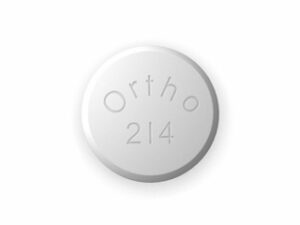
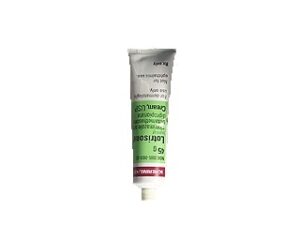
Lamisil (Terbinafine): Patient-Friendly Guide (Australia)
Lamisil is a well-known antifungal medicine that contains terbinafine. It is used to treat common fungal infections of the skin and nails. This guide explains how terbinafine works, how it behaves in the body, typical uses and timing, practical tips, safety considerations, and how it may interact with other medicines and alcohol. It is written for people in Australia and includes market and regulatory context.
Key product information
- Active ingredient: Terbinafine
- Brand name: Lamisil
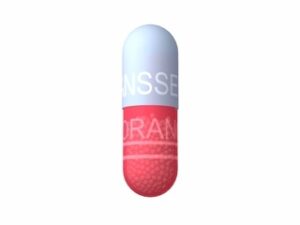
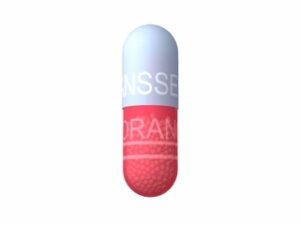
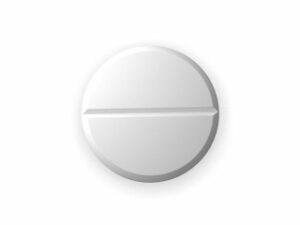
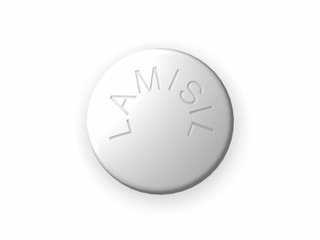
- Medicinal forms (commonly available): tablets (oral), and creams/sprays (topical, depending on product range)
- Medicinal purpose: Antifungal (treats fungal infections)
- How it’s taken: Either by mouth (tablets) or applied to the skin/nail area (topical), depending on the product and condition
Different Lamisil products exist for different infections. Always use the specific product and strength you have been supplied and follow the instructions on the pack or your healthcare professional’s advice.
What fungal infections does terbinafine treat?
Terbinafine targets fungal organisms that commonly cause skin infections (such as athlete’s foot and ringworm) and nail infections (onychomycosis). The most frequently involved fungi include dermatophytes such as Trichophyton.
Common indications
- Skin fungal infections (depending on severity and product type), including:
- Athlete’s foot (tinea pedis)
- Ringworm (tinea corporis)
- Jock itch (tinea cruris)
- Groin, feet, and body fungal rashes caused by dermatophytes
- Nail fungal infection (onychomycosis) (oral tablets are commonly used for suitable cases)
- Some other fungal skin conditions as directed for the specific product
If you are unsure whether your symptoms are fungal, it’s important to get the right diagnosis. Many skin conditions can look similar to fungal infections.
How Lamisil works (mechanism of action)
Terbinafine works by interfering with fungal cell membrane production. It inhibits an enzyme called squalene epoxidase, which is involved in making ergosterol—an essential component of fungal cell membranes.
When ergosterol production is blocked, fungal cells cannot maintain their structure and function. The end result is fungal death (fungicidal action) rather than merely stopping growth.
Pharmacokinetics: what happens in the body
Pharmacokinetics describes how the body absorbs, distributes, metabolises, and eliminates terbinafine. While details vary depending on whether you use tablets or topical forms, the following provides a general overview for tablets.
Absorption
Terbinafine tablets are absorbed from the gastrointestinal tract. Absorption can vary between individuals.
Distribution
Terbinafine distributes into tissues, including skin and (for appropriate infections) nails. This is one reason it can be effective even when dosing is not daily for the entire “growth time” of nails.
Metabolism
Terbinafine is metabolised primarily in the liver. This matters for safety—people with significant liver problems may be at higher risk of side effects.
Elimination
Metabolites are mainly excreted through the kidneys and in bile/urine pathways. The overall clearance influences dosing schedules.
Important note for nail infections
Even after fungus is treated, visible improvement in nails may be delayed because nails grow slowly. You may feel better before nails fully clear.
Typical use and timing
Timing depends on the infection location, severity, and whether the medicine is used topically or orally.
Skin infections (topical options)
Topical terbinafine is generally used for skin fungal infections affecting the feet, groin, or body. Follow the product directions closely. Common advice includes applying to the affected skin and a small area around it, usually once or twice daily depending on the product.
Nail infections (oral tablets)
For certain nail infections, oral terbinafine is commonly used. Improvement often occurs gradually as the nail grows out.
A common pattern (varies by clinician and local guidance) is:
- Toenail fungal infection: longer treatment duration is usually needed compared with fingernails.
- Fingernail fungal infection: may require a shorter course.
Because individual cases differ (extent of nail involvement, thickness, number of nails), dosing duration should match the product directions and clinical assessment.
Dosing (general guidance)
Dosing varies by the specific Lamisil presentation (tablet vs topical), infection type, age, and other factors. Below are typical adult dosing patterns used for terbinafine products. Always check your particular pack instructions.
Oral terbinafine tablets (adults)
Commonly used adult dosing patterns include:
- 250 mg once daily for appropriate durations depending on whether fingernails or toenails are affected.
Your clinician/pharmacist can advise the exact regimen for your specific diagnosis and product.
Topical terbinafine (creams/sprays)
Topical dosing depends on the formulation. Many topical regimens follow principles such as:
- Apply to clean, dry skin
- Cover the affected area and surrounding skin
- Use consistently for the full recommended course, even if symptoms improve early
- Continue a short time after symptoms improve (as advised) to reduce relapse
Children and special populations
Children may require different dosing and formulations. Topical products and oral tablet dosing should be chosen and used under appropriate guidance, based on age and weight.
Indications: when you might be advised Lamisil
Lamisil may be recommended when symptoms and examination are consistent with fungal infection caused by organisms sensitive to terbinafine. It is especially useful when dermatophyte infections are involved.
Examples of situations where it may help
- Athlete’s foot that is persistent or widespread
- Ringworm-like rashes affecting the body/groin
- Nail changes suggestive of onychomycosis (e.g., thickening, discolouration)
If your symptoms include severe pain, rapidly spreading rash, fever, or signs of secondary bacterial infection (such as pus, marked swelling, or worsening redness), seek medical advice promptly.
Food interactions
Food interactions can influence how some medicines are absorbed. For terbinafine tablets, food generally does not cause major changes in effectiveness for most people. In practical terms:
- You may take it with or without food depending on the product instructions and tolerability.
- If it upsets your stomach, taking it after meals may improve comfort.
Always follow the instructions on your specific pack.
Alcohol interactions and lifestyle considerations
Alcohol does not usually have a direct interaction with terbinafine in the way some medicines do, but it may increase the burden on the liver—especially with higher alcohol intake.
- Moderation is important, particularly if you use oral terbinafine.
- If you drink alcohol heavily or have known liver disease, discuss suitability with a healthcare professional before starting treatment.
Medicine interactions (including liver-related considerations)
Terbinafine can interact with other medicines, mainly because it is metabolised by liver enzymes and because it may influence drug levels. The exact interaction risk depends on the other medicines you take and your liver function.
Examples of important interaction categories
- Drugs metabolised by hepatic pathways: Some medications may alter terbinafine levels.
- Other medicines that also affect the liver: Combining multiple liver-stressing medicines can increase risk.
- Medicines that affect skin or immune response: Co-treatment may require monitoring if side effects overlap.
Because interaction profiles vary, it’s important to tell your pharmacist about all medicines you use, including:
- Prescription medicines
- Over-the-counter products
- Herbal supplements (e.g., St John’s wort)
- Vitamins and “natural” products
Practical safety advice
- Do not start new medicines while on terbinafine without checking first.
- If you suspect an interaction (new rash, unusual bruising, yellowing of eyes/skin, severe fatigue), stop and seek advice urgently.
Safety profile and side effects
Most people tolerate terbinafine well. However, as with any medicine, side effects can occur. The risk profile depends on whether you use topical or oral forms.
Common side effects (often mild)
- Topical: skin irritation, redness, itching, burning, or dryness at the application site.
- Oral: mild gastrointestinal upset (e.g., nausea), headache, altered taste (often temporary), or mild rash.
Serious side effects (seek urgent medical advice)
For oral terbinafine especially, be alert for signs of liver problems and allergic reactions:
- Signs of liver issues: yellowing of the skin or eyes (jaundice), dark urine, pale stools, persistent nausea, severe fatigue, right upper belly pain.
- Severe skin reactions: widespread rash, blistering, or peeling skin.
- Allergy: swelling of the face/lips, difficulty breathing, severe hives.
- Blood disorders (rare): unusual bruising or bleeding, fever, persistent sore throat.
If you experience any serious symptoms, seek medical assistance promptly.
Who should be extra cautious?
- People with known liver disease
- People taking multiple medicines that may affect the liver
- People with a history of drug allergy
- Pregnancy/breastfeeding: use only if considered appropriate by a healthcare professional
Practical use tips for best results
Antifungal treatment works best when the medicine is used correctly and hygiene measures reduce reinfection. Below are practical tips that improve outcomes.
How to apply topical terbinafine
- Wash and dry the area before applying.
- Apply a thin layer to the affected skin and a small border of surrounding skin.
- Wash hands after use (unless the hands are the treatment area).
- Avoid covering with occlusive dressings unless advised.
- Wear clean, breathable footwear and change socks daily.
Toenail and nail care tips (oral treatment)
- Be patient: nail growth is slow; clearance often takes months.
- Keep nails trimmed and filed to reduce fungal load and improve medication penetration.
- Disinfect or replace nail care tools if advised.
- Manage athlete’s foot if present, as it can spread fungus back to nails.
- Don’t share towels or footwear.
Reduce reinfection
- Dry feet thoroughly after bathing.
- Use separate towels for affected areas if advised.
- Wash bedding and clothing that contacts the affected area (especially for groin/feet infections).
What to expect: response and when to reassess
Fungal infections may improve gradually. If symptoms do not improve within the expected timeframe, or if they worsen, reassess the diagnosis or treatment plan.
- Skin infections: improvement is often noticed within days, but full clearance may take weeks.
- Nail infections: visible improvement typically occurs as new nail grows; completion can take several months.
If there is no improvement or you have recurrent infections, consider factors such as improper diagnosis, reinfection, resistant organisms, or inadequate course duration.
Alternative options
Depending on the infection type, location, severity, and organism, alternatives to terbinafine may include other antifungal medicines. Options may come as topical creams/sprays or oral medications.
Topical alternatives (examples)
- Azole antifungals (e.g., clotrimazole, miconazole, ketoconazole) in appropriate forms
- Other antifungal agents depending on diagnosis
Oral alternatives (examples)
- Itraconazole (for selected cases)
- Fluconazole (selected cases)
Choice of alternative depends on the specific fungal species, the site (skin vs nails), and safety considerations for the individual. Your pharmacist can help you compare options available in Australia for your situation.
Market and legal context in Australia
In Australia, availability and classification of medicines are regulated by the Therapeutic Goods Administration (TGA). Medicines may be supplied as pharmacy-only items, pharmacy medicines (behind-the-counter), or prescription-only, depending on the product and strength.
For online pharmacy services, the correct product selection and suitability checks are important. The type of terbinafine product you can purchase depends on:
- The formulation (topical vs oral)
- Strength and pack size
- Indications and patient factors
- Regulatory classification at the time of supply
If you need oral terbinafine for nail infections, availability may differ from topical products. A pharmacy professional can advise on the appropriate product option for your condition.
Recent guidance and stewardship considerations
Antifungal prescribing and use is guided by principles of appropriate diagnosis, correct duration, and minimising unnecessary exposure. Over time, clinical practice has emphasised:
- Using the right medicine for the right infection (skin vs nail; dermatophyte vs other causes)
- Reviewing symptoms if there’s no response as expected
- Checking for risk factors when using oral antifungals (particularly liver-related risk)
- Promoting hygiene and prevention strategies to reduce reinfection
Local recommendations and monitoring practices can vary by clinician and by product. Always follow the instructions provided with your specific Lamisil product.
Delivery and availability (online pharmacy)
Lamisil products may be available through online pharmacies across Australia. Availability can depend on:
- Stock status at the supplier/warehouse
- Formulation and strength
- Delivery location within Australia
Typical delivery timelines vary by provider and suburb/region. Your online order confirmation should indicate an estimated dispatch and delivery window.
If your order contains temperature-sensitive items (less common for antifungal creams/sprays, but still possible for some products), packaging and delivery terms will be shown at checkout.
FAQ
1) How long does Lamisil take to work?
For skin infections, you may notice improvement within the first week, but complete clearing can take longer and depends on the course duration. For nail infections, improvement is slow because nails need to grow out; it can take several months for a fully clear nail.
2) Can I stop early once I feel better?
It’s best not to stop early. Stopping too soon can lead to relapse. Use the medicine for the full recommended course on your product instructions.
3) Should I treat both feet if only one is affected?
If you suspect fungus in both feet (itching, scaling between toes, odour, redness), it may be wise to treat both, but follow product directions and consider a pharmacist’s advice. You can also focus on prevention (drying feet, changing socks) to reduce spread.
4) What if my rash looks worse after starting?
Mild irritation can occur, especially with topical medicines. However, rapid worsening, blistering, or spreading severe rash may signal an allergy or another condition. Seek advice promptly if symptoms are unexpectedly severe.
5) Is Lamisil safe to use with other medicines?
Many people can use terbinafine safely alongside other medicines, but interactions can occur. Tell your pharmacist about all medicines and supplements you take, especially those affecting the liver or drug metabolism.
6) Can I drink alcohol while using terbinafine?
If using oral terbinafine, it’s generally best to keep alcohol intake moderate, and avoid heavy drinking—because terbinafine is metabolised in the liver. If you have liver risk factors, ask a healthcare professional for personalised advice.
7) Do I need liver tests?
Monitoring may be considered for oral terbinafine in people with risk factors or if symptoms suggest liver issues. Follow the advice associated with your specific product and your healthcare professional’s recommendations.
8) Can terbinafine be used for “nail polish” or cosmetically related changes?
Nail discolouration can have many causes (trauma, psoriasis, poor circulation, other infections). If you’re treating suspected fungal nails, it helps to confirm the diagnosis. A pharmacy clinician may advise on whether further assessment is needed.
9) What should I do if I miss a dose?
For topical products: apply when you remember, then return to your usual schedule. For tablets: take the next dose at the correct time. Avoid doubling doses. If you’re unsure, check the pack instructions or ask a pharmacist.
10) Are there any signs I should stop and get help?
Stop and seek urgent help if you develop signs of serious allergy (swelling, breathing difficulty), severe skin reactions (blistering/peeling), or liver-related symptoms (yellow eyes/skin, dark urine, severe fatigue).
Summary table: practical overview
| Topic | What to know |
|---|---|
| Active ingredient | Terbinafine |
| How it works | Inhibits fungal ergosterol production (squalene epoxidase), leading to fungal death |
| Common uses | Dermatophyte skin infections; selected nail fungal infections |
| Timing | Skin improves within days; nails improve as new nail grows over months |
| Food interaction | Generally minimal impact for tablets; follow pack instructions (after meals may help nausea) |
| Alcohol | Alcohol should be moderated, especially with oral terbinafine due to liver metabolism |
| Key safety concern | Oral therapy: possible liver problems or serious skin/allergy reactions (rare) |
| Best results | Use full course; apply to surrounding skin for topical forms; reduce reinfection through hygiene |
| Alternatives | Other topical azoles or different oral antifungals depending on diagnosis and suitability |
Important final reminders
- Use the correct Lamisil product for the specific infection (skin vs nails).
- Follow the dose and duration instructions on the pack.
- Don’t stop early—relapse is more likely.
- Seek medical advice promptly for severe symptoms or signs of liver problems or allergy.
- If symptoms persist, worsen, or keep coming back, the infection may not be fungal or may require a different treatment strategy.
If you’d like, tell us which Lamisil form you have (cream/spray/tablets) and what area is affected, and we can help you understand how that specific product is typically used and what to watch for.