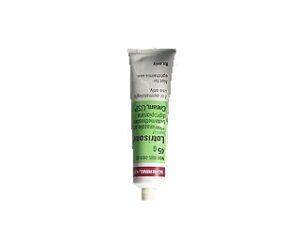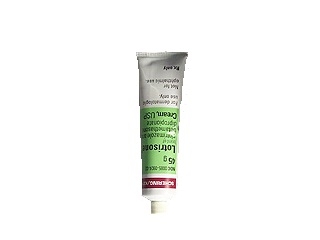
Lotrisone Cream (Betamethasone / Clotrimazole) — Patient Guide (Australia)
Lotrisone is a combination medicine used on the skin for certain fungal (yeast/mould) infections and the inflammation that comes with them. It contains: betamethasone (a corticosteroid to reduce inflammation and itching) and clotrimazole (an antifungal to kill fungus).
This guide is designed to be patient-friendly and covers how Lotrisone works, typical uses, how to apply it safely, and practical tips—tailored for Australians. Always follow the instructions provided by your healthcare professional and the product label.
Basic product information
- Brand: Lotrisone
- Active ingredients: betamethasone + clotrimazole
- Dosage form: topical cream (applied to affected skin)
- Common purpose: fungal skin infection with inflammation, redness, itch, or swelling
- Where it’s used: the skin surface only (not for eyes, mouth, or inside the body)
Note: Product strengths and pack sizes can vary. Check your specific carton/label for the exact concentration.
How Lotrisone works (mechanism of action)
Lotrisone brings together two complementary actions:
- Clotrimazole (antifungal): works by interfering with fungal cell membrane formation. This weakens or kills the fungus, helping clear the infection.
- Betamethasone (corticosteroid): reduces inflammatory responses in the skin. It decreases redness, swelling, itching, and irritation—often providing faster symptom relief than antifungal treatment alone.
Together, the antifungal targets the cause (fungus) while the corticosteroid helps control symptoms linked to inflammation. Because it includes a steroid, it must be used carefully and typically for limited courses on appropriate conditions.
Pharmacokinetics (what the body does to it)
Lotrisone is applied to the skin. Only a portion of the active ingredients is expected to be absorbed through intact skin. Absorption can increase if:
- the skin barrier is damaged (e.g., scratching, broken skin)
- the area is covered with occlusion (e.g., bandages/plasters that trap moisture)
- large areas are treated
- treated skin is in areas with higher absorption (e.g., groin, skin folds)
- use is prolonged beyond recommended duration
Once absorbed, corticosteroids can undergo metabolism mainly in the liver and are excreted via the kidneys. Clotrimazole is also metabolised in the body. Systemic effects are generally less likely with short-term, limited topical use on intact skin, but risk rises with overuse, extensive application, or long duration.
Typical use and timing
Lotrisone is typically used once or twice daily depending on the condition and prescriber instructions. Many regimens involve thinly applying to the affected area after gently cleaning and drying the skin.
- Best timing: apply at the same times each day.
- After bathing: apply once the area is fully dry.
- Do not stop early: even if symptoms improve, continue for the full recommended course to reduce recurrence.
If you have missed a dose, apply it when you remember unless it’s close to the next dose. Do not apply extra cream to “catch up.”
Food interactions
Lotrisone is applied to the skin. Because it is topical, food interactions are not expected to be clinically significant. However, general health measures—like good hygiene, keeping the area dry, and managing contributing factors (e.g., diabetes control)—can strongly affect outcomes.
Alcohol and medicine interactions
Alcohol interactions: Lotrisone is unlikely to interact with alcohol in the way oral medicines can. Still, excessive alcohol use can worsen immune function and skin healing in some people, which may indirectly affect recovery.
Other medicine interactions: Because systemic absorption is usually low with appropriate topical use, major drug–drug interactions are uncommon. That said, interactions or increased effects may occur if:
- you use other topical products on the same area (especially other steroids or strong antiseptics)
- you have already been using antifungal treatments
- you apply Lotrisone under occlusion or over very large areas
Tell your pharmacist or doctor about all medicines you use, including skin treatments, to ensure they are compatible.
Indications (what Lotrisone is used for)
Lotrisone is used for fungal skin infections that also involve significant inflammation (for example, redness, itch, and irritation) where a combination of antifungal therapy and anti-inflammatory action is appropriate.
Common examples include:
- Tinea infections (ringworm/dermatophyte-related skin infections) in selected presentations
- Fungal infections of skin folds, when inflammation is prominent
- Candidal (yeast) skin infections when a clinician considers combination therapy suitable
Important: Not all rashes with redness and itching are fungal. Some may be eczema, psoriasis, bacterial infections, or dermatitis. Using a steroid-containing cream on the wrong condition can sometimes worsen or mask an underlying problem.
Dosing and how to apply (practical guidance)
Use Lotrisone exactly as directed. If you’re unsure, check the product pack or ask your pharmacist.
Typical adult application approach
- Amount: apply a thin layer to the affected area and a small margin around it.
- Frequency: commonly once or twice daily (follow the label/instructions for your situation).
- Course length: follow your prescribed guidance or label direction. Avoid using beyond the recommended duration.
- Hands: wash hands before and after applying (unless your hands are the treatment site).
Step-by-step: how to use Lotrisone cream
- Clean gently: wash the area with mild soap and water.
- Dry fully: pat dry—fungal organisms thrive in warm, moist environments.
- Apply thinly: spread the cream evenly over the affected skin.
- Don’t over-cover: avoid thick layering unless instructed. Do not cover with airtight bandages or occlusive dressings unless told to do so.
- Continue for the advised period: even if symptoms settle quickly.
Areas to be cautious with
- Face and eyelids: avoid unless specifically instructed; steroid creams can be risky for these areas.
- Genital area: use only if recommended. Keep the amount minimal and duration short.
- Broken skin: avoid application to open wounds unless instructed.
- Large body areas: avoid unless advised, as absorption may increase.
Safety profile (warnings and precautions)
Lotrisone contains a corticosteroid. While effective when used appropriately, topical steroids can cause side effects, especially with prolonged use, overuse, or application to sensitive areas. Most people tolerate Lotrisone well when used correctly and for the recommended time.
Common local effects
- temporary burning or stinging on application
- itching or mild irritation
- dryness
Stop and seek medical advice urgently if
- you develop a widespread rash, swelling, or signs of allergy (e.g., hives, breathing difficulty)
- the skin rapidly worsens, becomes very painful, or starts to ooze significantly
- there are signs of infection not consistent with a fungal rash (e.g., increasing warmth, pus, fever)
Known risks associated with topical corticosteroids
- Skin thinning (atrophy) with longer use
- Stretch marks (striae) especially in skin folds
- Perioral dermatitis or acne-like rash (more common on face)
- Changes in skin colour
- Rebound/worsening if stopped too early or used on an incorrect condition
When to be extra careful
- Pregnancy and breastfeeding: discuss with a healthcare professional before use, especially on large areas or for extended periods.
- Children: topical steroid-containing creams should be used with caution; follow healthcare guidance.
- Diabetes or immune system problems: fungal infections may need closer review.
- Frequent recurrences: if the rash returns, you may need a diagnosis check and tailored longer-term management.
Do not use on: eyes, inside the mouth, or other internal body areas.
Practical use tips for best results
- Keep the area dry: moisture supports fungal growth. Use breathable clothing.
- Don’t share towels: reduce reinfection.
- Clean and dry clothing and bedding: especially for athletes’ foot or skin-fold infections.
- Change socks regularly: for foot involvement. Consider antifungal powders if recommended.
- Limit scratching: helps prevent skin breakdown and spread.
- Check your environment: if you have athlete’s foot, it can be a source of re-infection to groin or hands.
If the rash does not improve within the timeframe recommended on your label or by your clinician, get reassessed. Persistent symptoms may mean the diagnosis is incorrect, the fungus is resistant, or there is another contributing condition (like dermatitis or eczema).
Alternative options (what else may be used)
Depending on the exact diagnosis and location, alternatives may include single-ingredient antifungal treatments or different anti-inflammatory approaches. Your pharmacist can help you choose options based on symptoms and likely cause.
Antifungal-only options (often considered if inflammation is mild)
- Clotrimazole antifungal creams (without steroid)
- Terbinafine topical treatments (commonly for certain dermatophyte infections)
- Other azole antifungals (based on availability and suitability)
For inflammatory non-fungal rashes
- Non-steroid anti-inflammatory treatments or moisturisers (for eczema/dermatitis)
- Tailored therapies if psoriasis or other conditions are suspected
When a clinician may consider other steps
- confirming the diagnosis (e.g., skin scraping or culture)
- checking for spread or deeper infection signs
- systemic (oral) antifungal therapy in selected cases (not always needed)
The key is correct diagnosis: steroid-containing combinations can be harmful if the problem isn’t fungal.
Market and legal context in Australia
Medicines in Australia are regulated through the Therapeutic Goods Administration (TGA) and are supplied under rules for pharmacy access, labelling, and consumer safety. Lotrisone (betamethasone/clotrimazole) is an established topical combination used in clinical practice. Availability and brand presentation can vary across states and pharmacies.
Pharmacy supply must follow applicable Australian regulations. Your pharmacist can clarify the product status for your location and advise on correct use, safety, and suitability.
Recent guidance and best practice note: Updated clinical practice generally emphasises accurate diagnosis of skin rashes, cautious steroid use, short courses when appropriate, and reassessment if symptoms do not improve. This helps reduce side effects and avoids treating non-fungal conditions with steroid-containing products.
Delivery and availability (online pharmacy in Australia)
If you’re ordering Lotrisone through an Australian online pharmacy, availability may depend on stock levels and the exact presentation (tube size and strength). Most online pharmacies offer:
- Home delivery across Australia (timing varies by location and courier)
- Discrete packaging (commonly used for privacy)
- Pharmacist support via phone or online consultation for correct use questions
Delivery timeframes depend on processing time and shipping method. Check the store’s delivery estimate at checkout.
FAQ (frequently asked questions)
1) What is Lotrisone used for?
Lotrisone is used on the skin to treat certain fungal infections where there is also significant inflammation such as redness, itching, and irritation. It combines an antifungal (clotrimazole) with a corticosteroid (betamethasone).
2) How long should I use it?
Use Lotrisone for the shortest time necessary and follow the label or your healthcare professional’s instructions. If you don’t notice improvement within the recommended timeframe, stop and seek medical advice rather than continuing indefinitely.
3) Can I use it on my face or around my eyes?
Avoid using Lotrisone on the face or near the eyes unless a clinician specifically tells you to. Corticosteroids on sensitive areas can cause side effects and may mask other conditions.
4) Should I stop when the itching improves?
It’s tempting, but don’t stop early. Symptoms may settle quickly due to the steroid component while the fungus still persists. Continue for the full recommended course.
5) What should I do if my rash gets worse?
Stop using Lotrisone and seek medical advice. Worsening could mean the diagnosis is incorrect (e.g., not fungal), the infection has spread, or another condition needs treatment.
6) Is it safe to use with other creams or antifungals?
Be cautious. Using multiple products on the same area can increase irritation and may change absorption. Ask your pharmacist before combining with other topical treatments, especially other steroids.
7) Will Lotrisone interact with alcohol?
Significant alcohol interactions are not expected with topical use. However, alcohol can affect overall health and healing, and it’s best to avoid excessive intake while treating infections.
8) Can I use it if I’m pregnant or breastfeeding?
Discuss with a healthcare professional first. Extra caution is needed on large areas, broken skin, or for extended use because corticosteroid absorption may increase.
9) Can Lotrisone be used for athlete’s foot?
It may be used for certain fungal-related presentations with inflammation, but athlete’s foot often responds to antifungal-only treatments as well. Correct diagnosis and appropriate duration matter. If unsure, ask your pharmacist for guidance.
10) How can I prevent the infection from coming back?
Focus on hygiene and moisture control:
- dry the skin well after bathing
- wear breathable fabrics
- avoid sharing towels
- treat any source of fungus (e.g., both feet if one is affected)
Summary
Lotrisone (betamethasone/clotrimazole) is a combination cream that targets fungus (clotrimazole) and reduces inflammation (betamethasone). It can provide symptom relief while treating the underlying infection—when used for the right skin problem, on appropriate areas, and for the recommended duration.
If your rash is not improving, is spreading, or you’re unsure whether it is fungal, seek professional advice rather than continuing treatment. Your pharmacist can also help you select the safest and most suitable option for your situation.