Miconazole (Topical) – Patient-Friendly Guide for Australia
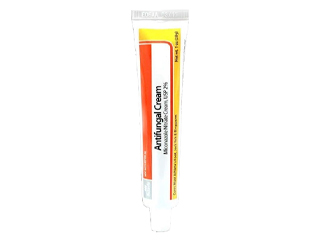
Miconazole is an antifungal medicine used to treat infections caused by fungi (yeasts and dermatophytes). It is commonly available in Australia in a range of topical forms, such as creams, powders, pessaries/vaginal products, sprays, and gels—depending on the brand and strength. This guide explains how miconazole works, how to use it effectively, what to expect, and important safety and interaction information for everyday life.
Note: The exact directions can vary by formulation (for example, cream vs vaginal pessary vs spray). Always follow the instructions on the pack and consult your pharmacist if you are unsure which product is suitable for your symptoms.
Quick product information
| Category | Details |
|---|---|
| Medicine | Miconazole |
| Medicinal use | Antifungal treatment for fungal infections of skin and mucosal areas (form-dependent) |
| Available forms (examples) | Creams, powders, sprays, gels, vaginal pessaries/creams, and other topical preparations |
| Typical strength | Varies by product (e.g., % cream strengths or mg pessary content) |
| How it’s used | Applied to affected areas; vaginal products used intravaginally as directed |
| Medicinal class | Imidazole antifungal |
How miconazole works (mechanism of action)
Miconazole belongs to the imidazole group of antifungal medicines. It works by interfering with the production of ergosterol, an essential component of fungal cell membranes.
- Disrupts fungal cell membranes, making it harder for fungi to survive and multiply.
- May also have additional effects that reduce fungal growth, supporting faster clearing of symptoms.
Because miconazole targets fungal cells, it is not designed to treat bacterial infections or viral infections.
Pharmacokinetics (what happens in the body)
Pharmacokinetics describe how a medicine is absorbed, distributed, metabolised, and eliminated. With topical miconazole products:
- Absorption through intact skin is generally limited.
- Absorption may be higher when applied to areas with inflammation or on mucosal surfaces (such as vaginal tissue), or when the skin barrier is compromised.
- Once absorbed, miconazole is metabolised primarily in the liver and eliminated mainly through bile and faeces (to varying degrees depending on the route and formulation).
What this means for you: Most topical users experience local treatment effects with minimal systemic exposure. However, absorption can be greater with vaginal use and with damaged skin, so safety advice still matters.
Typical uses and indications
Indications depend on the formulation and the fungal condition being treated. Common uses in Australia include:
Skin infections
- Athlete’s foot (tinea pedis) – itching, scaling, redness between toes or on the soles
- Ringworm / tinea corporis – ring-shaped rashes on the body
- Jock itch (tinea cruris) – itching and redness in the groin area
- Fungal skin infections where a topical antifungal is appropriate
Candida-related conditions (form-dependent)
- Skin candidiasis (for example, in skin folds) depending on product directions
- Vaginal candidiasis (thrush) for products labelled for intravaginal treatment
- Vulvovaginal candidiasis where indicated on the pack
Other fungal conditions
- Some miconazole products may be indicated for other fungal overgrowths depending on local labelling and product type.
Important: If your symptoms are severe, spreading quickly, involve the face/scalp, cause fever, or are not improving within the expected timeframe, seek advice from a healthcare professional.
When to use it (timing and duration)
Successful antifungal treatment usually depends on using miconazole for the full course even after symptoms start to improve.
- Start early: Begin treatment as soon as you suspect a fungal infection.
- Follow the pack instructions: Treatment duration varies by infection site and product strength.
- Continue even if you feel better: Stopping too early can increase the chance of recurrence.
Typical patterns (general guidance):
- Skin infections: often treated for at least 2–4 weeks depending on severity and area.
- Vaginal candidiasis: product-specific regimens vary (for example, shorter vs longer courses).
Always check your exact product label.
Dosing (how much to use)
Dosing depends on the product type and the site of infection. Use the directions on the pack as the primary dosing reference.
General dosing principles for topical skin products
- Apply a thin layer to the affected area and a small margin of surrounding skin.
- Wash and dry the area before applying.
- Use the frequency stated on the pack (commonly once or twice daily for many creams/sprays, but this varies).
General dosing principles for vaginal products
- Use only as directed for the specific product (pessary/cream/gel).
- Wash hands before and after use.
- Avoid using applicators or devices unless supplied with the product or recommended by the pack.
If you miss a dose: Use it as soon as you remember, unless it is close to the next dose. Do not double up unless the pack instructs otherwise.
Food interactions
Because miconazole is commonly used as a topical medicine, food interactions are usually not expected. Food does not typically affect how topical miconazole works on the skin.
If you are using a formulation that is used in the vagina, eating and drinking generally do not change effectiveness. However, always keep to the pack directions and talk to a pharmacist if you are taking other medicines or have liver disease.
Alcohol and medicine interactions
Alcohol
For most topical miconazole users, there is no specific alcohol restriction required based on typical absorption levels. Alcohol mainly becomes relevant when medicines are taken orally or when there are broader health considerations.
Practical advice: If you experience irritation during treatment (for example, vaginal burning), limiting alcohol may help some people feel more comfortable, but it is not usually required for pharmacological reasons.
Medicine interactions
Clinically important interactions are more likely with medicines that are absorbed systemically. With topical miconazole, the risk is usually lower, but it is still helpful to consider interactions if you are using other medicines or if absorption may be higher (such as with vaginal preparations).
- Warfarin and other anticoagulants: Some antifungals (especially when systemic) can affect bleeding risk by influencing metabolism. If you take warfarin, speak to your pharmacist—particularly if you use miconazole on large areas, for long periods, or if you are using a formulation with greater absorption.
- Liver-affecting medicines: If you have liver disease or are taking multiple medicines metabolised by the liver, seek advice.
Always tell your pharmacist about all medicines you are using, including creams, pessaries, vitamins, and herbal products.
Safety profile (side effects and when to seek help)
Common side effects
Side effects are often local and mild. They may include:
- Skin irritation such as redness, itching, or burning
- Dryness or mild peeling
- For vaginal products: local irritation, burning, or discomfort
Serious reactions (seek urgent help)
Stop treatment and seek medical advice urgently if you experience signs of a severe allergic reaction or serious worsening symptoms, such as:
- Swelling of the face, lips, or throat
- Severe rash or widespread hives
- Breathing difficulties
- Severe pain, rapidly spreading redness, or pus-like discharge
When to get professional advice
- Your symptoms do not improve after the expected time on the pack (commonly within 1–2 weeks for skin, depending on infection)
- The infection keeps returning
- You are pregnant, breastfeeding, immunocompromised, or have diabetes and infections are frequent
- You have extensive skin involvement or breakdown of skin
- Symptoms suggest another condition (for example, eczema, dermatitis, bacterial infection, or sexually transmitted infection)
Practical use tips for best results
Topical antifungal success depends on more than just applying the medicine. These practical steps can significantly improve outcomes:
- Apply to clean, dry skin: Wash the area and dry thoroughly before applying.
- Cover the right area: Treat not only the visible rash but also a small border around it (as directed).
- Maintain hygiene in skin folds: Keep the area dry and change clothing if damp.
- Don’t share towels: Use separate towels and wash them regularly.
- Choose breathable clothing: Loose-fitting, breathable fabrics can reduce moisture.
- Change socks daily: For athlete’s foot, rotate shoes and allow them to dry.
- Continue the course: Even if the rash improves, finish the recommended duration.
- Avoid contamination: Wash hands after application to prevent spread to other areas.
For vaginal use:
- Use the product exactly as directed for the specific regimen.
- If you experience significant burning or irritation, stop and seek advice.
- Consider whether condoms or diaphragms may be affected by certain formulations (some vaginal products contain ingredients that can weaken latex). Check your product label or ask a pharmacist.
Alternative options (other antifungals and supportive care)
Depending on the type and location of the fungal infection, there are several alternatives to miconazole. Your pharmacist can help you select an option based on product availability and your symptoms.
Other topical antifungals
- Clotrimazole (another imidazole antifungal)
- Terbinafine (commonly used for athlete’s foot and tinea infections; may have shorter regimens for some skin types)
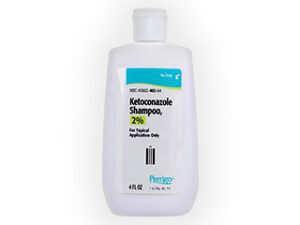
- Ketoconazole (varies by formulation and indication; often used for specific fungal conditions)
- Nystatin (used for certain yeast infections, depending on availability and formulation)
Supportive measures
- Keep the area dry to reduce recurrence
- Treat contributing factors (for example, prolonged moisture, tight clothing, or shared footwear)
- Consider skin care if there is underlying irritation or eczema that mimics fungal rashes
Choosing the right medicine: The site (feet vs groin vs body vs vaginal area) and the likely organism matter. If diagnosis is uncertain, ask a pharmacist or clinician for advice.
Market and legal context for Australia
In Australia, antifungal medicines such as miconazole are supplied under the regulatory framework of the Australian Therapeutic Goods Administration (TGA). The availability of miconazole products depends on the specific formulation and strength, and some products may be available over the counter while others may require clinician direction based on the category and intended use.
Product labelling in Australia includes guidance on indications, directions for use, contraindications (if any), and safety information. Online pharmacies must supply medicines in accordance with Australian law and applicable pharmacy regulations. Always ensure you are choosing an item that matches your intended condition and is labelled for the relevant body site.
Recent guidance and practical updates (what to consider now)
While treatment practices can evolve, the key modern principles remain consistent for antifungal use in Australia:
- Confirm the diagnosis when symptoms don’t improve—persistent or recurrent symptoms may indicate a different condition or antifungal resistance.
- Use the full treatment duration to reduce relapse.
- Review hygiene and risk factors such as moisture, tight footwear, and shared towels.
- Be cautious with product mixing—avoid using multiple antifungals simultaneously unless advised.
If you have recurrent thrush or frequent skin fungal infections, a pharmacist can help you review underlying factors (for example, diabetes control, skin conditions, or moisture-related triggers).
Delivery and availability (Australia)
Availability of miconazole varies by brand, formulation, and pack size. Many topical antifungals are commonly stocked by Australian pharmacies, and online stores may offer:
- Standard delivery within typical Australia-wide timeframes
- Express options depending on location and the pharmacy’s logistics
- Packaging discreetly to protect privacy
- Stock availability updates that reflect current supply
When ordering online, check:
- That the product is the correct form (cream vs powder vs vaginal product)
- That the strength and indication match your condition
- Expiry date (most online pharmacies display or ensure compliant shelf-life handling)
If you have urgent symptoms, consider asking a pharmacist whether a different formulation or dosing schedule is better suited.
Frequently Asked Questions (FAQ)
1) How long does it take for miconazole to work?
Many people notice improvement within several days. However, fungal infections often require weeks to fully clear. If there is no improvement after the time recommended on the pack, seek advice.
2) Should I stop once the itching or redness improves?
No—generally you should finish the full course stated on the pack. Symptoms can improve before the fungus is fully eradicated, and stopping early increases the chance of return.
3) Can I use miconazole on broken or damaged skin?
It depends on the product and location. If the skin is cracked, bleeding, or severely inflamed, ask a pharmacist for guidance—absorption and irritation can be higher and the best product may differ.
4) Is miconazole safe in pregnancy or while breastfeeding?
Safety depends on the exact condition and product type. Many topical medicines are used during pregnancy/breastfeeding only when appropriate. Check the pack or talk to your pharmacist for advice tailored to your situation.
5) Can I use miconazole if I have diabetes or a weakened immune system?
You can often use topical antifungals, but infections may be more severe or recurrent. Seek advice if symptoms persist or return, especially if you are immunocompromised or have poorly controlled diabetes.
6) What if symptoms keep coming back?
Recurrence is common if moisture triggers continue or if the diagnosis is incorrect. Consider hygiene and environmental measures (drying feet, changing socks, breathable footwear). If it keeps returning, consult a pharmacist or clinician to review causes and confirm the diagnosis.
7) Are there any lifestyle changes I should make?
- Keep the affected area clean and dry
- Change underwear and clothing regularly
- Avoid sharing towels and wash them frequently
- For foot infections, rotate shoes and allow them to dry
8) Can miconazole be used with other creams?
Generally, it is best to avoid layering multiple products unless the pack instructs it. If you use moisturisers, use them at a different time or seek advice to avoid interfering with absorption and effectiveness.
9) Does miconazole interact with other medicines I take?
Topical antifungals usually have a lower risk of systemic interactions. However, tell your pharmacist about all current medicines, particularly if you take warfarin or other medicines that affect clotting, or if you have liver disease.
10) When should I seek urgent medical care?
Get urgent advice if you develop signs of severe allergy (swelling, difficulty breathing, severe rash), rapid spreading infection, fever, or severe pain.
Summary
Miconazole is a widely used antifungal medicine for treating fungal infections such as athlete’s foot, ringworm, and (depending on the product) vaginal candidiasis. It works by disrupting fungal cell membranes, helping clear the infection when used correctly. For best results, apply to clean, dry skin, use the appropriate amount, and continue the full course as directed. While food interactions are typically not relevant for topical use, be mindful of medicine interactions—especially if you take anticoagulants—and seek advice if symptoms do not improve or keep returning.