Griseofulvin (Oral) — Patient Information for Australia
Griseofulvin is an antifungal medicine used to treat certain fungal infections of the skin, hair, and nails. It works by interfering with the way fungi grow and multiply, helping affected tissue to become “fungus-free” as new, healthy growth forms.
This guide is written to be patient-friendly and focuses on how the medicine works, how it is taken, important interactions, safety considerations, and practical tips. It is intended for use in Australia and includes general information about availability and regulatory context.
Basic product information
| Category | Details |
|---|---|
| Medicine name | Griseofulvin |
| Type | Oral antifungal (fungistatic against many dermatophytes) |
| Common indications | Dermatophyte (ringworm) infections of the skin, scalp, hair, and nails |
| How it’s taken | By mouth, typically with food to improve absorption |
| Typical course length | Often weeks for skin/scalp; months for nail infections |
| Key practical point | Takes time because fungal involvement includes growing tissue (especially nails) |
How Griseofulvin works (mechanism of action)
Griseofulvin targets dermatophyte fungi (the group of fungi that commonly cause “ringworm” infections). It works primarily by disrupting microtubules inside fungal cells. This affects fungal cell division, preventing effective growth and spread.
Importantly, griseofulvin does not “instantaneously” remove fungus from already-infected, keratinised tissue. Instead, it helps the body replace infected tissue with newly grown healthy keratin as treatment continues.
Pharmacokinetics (absorption, distribution, metabolism, elimination)
Absorption
- Griseofulvin is absorbed from the gastrointestinal tract. Absorption can vary between formulations and individuals.
- Food—especially fat-containing meals—may increase absorption, which can improve effectiveness.
Distribution
- After absorption, griseofulvin distributes into tissues including skin and keratinising structures (hair and nails), where it can reach relevant infection sites as treatment continues.
Metabolism and elimination
- Griseofulvin is metabolised in the liver. Metabolites are eliminated mainly via the urine and/or faeces (routes may vary).
- Because the medicine relies on replacement of affected tissue, clinical improvement often lags behind starting therapy.
What Griseofulvin is used for (indications)
Griseofulvin is commonly used for infections caused by dermatophyte fungi involving keratinised tissue. Typical uses include:
- Tinea capitis (scalp ringworm)
- Tinea corporis (ringworm of the body)
- Tinea barbae (beard area)
- Tinea pedis (athlete’s foot) and other foot/skin dermatophyte infections, in selected cases
- Onychomycosis (fungal nail infections), where oral therapy is considered
The specific choice of antifungal and duration depends on the site and severity of infection, the species of fungus when known, and patient factors (e.g., age, liver function, drug interactions).
Typical timing and how long treatment takes
Treatment length varies. A common pattern is:
- Skin infections: often measured in weeks
- Scalp infections: often measured in weeks, sometimes longer
- Nail infections (onychomycosis): often measured in months because nails grow slowly
Key expectation: Even when fungus is controlled, nails and hair may take time to look normal because infected tissue must be replaced as it grows out.
How to take Griseofulvin (dosing overview)
Doses depend on the indication, formulation, body weight (particularly for children), and individual risk factors. For safety and effectiveness, follow the dosing instructions provided by your healthcare professional.
General dosing principles
- Take at the same time each day to help maintain steady exposure.
- Many regimens specify taking with food (often a meal or a snack with some fat) to improve absorption.
- Use the full course even if symptoms improve early.
Dosing forms
- Griseofulvin is available in oral forms such as tablets and/or microsize formulations, depending on availability.
- Different formulations may have different absorption characteristics; dose schedules should match the specific product used.
If you are unsure which dosing schedule applies to your product, speak with a pharmacist or check the consumer medicine information (CMI) supplied with the medicine.
Food interactions and best way to take it with meals
Food can significantly affect how well griseofulvin is absorbed. In practice:
- Take griseofulvin with or after food, ideally with a meal.
- Meals containing some fat may help absorption (e.g., with a regular lunch or dinner).
- If you regularly eat small meals, take the dose with the largest meal of the day.
Practical tip: If you forget a dose, take it when you remember unless it’s close to the next scheduled dose. Do not double up to make up for missed doses.
Alcohol interactions
Alcohol can increase the risk of liver irritation and may worsen side effects such as dizziness or nausea. Because griseofulvin is processed by the liver, it is generally advisable to:
- Avoid alcohol or keep consumption to a minimum during treatment.
- Seek advice if you have existing liver disease, hepatitis, or regularly drink alcohol.
If you notice symptoms such as unusual fatigue, persistent nausea, yellowing of the skin/eyes, dark urine, or severe abdominal pain, contact a healthcare professional urgently.
Interactions with other medicines (including important examples)
Griseofulvin may interact with other medicines because it can affect liver enzyme activity and drug metabolism. Interactions can lead to medicines becoming less effective or increase the risk of side effects.
Medicines that commonly matter
- Warfarin (and other coumarin-type anticoagulants): may require closer monitoring due to changes in anticoagulant effect.
- Oral contraceptives (including combined pills): some antifungals can reduce effectiveness of hormonal contraception. Discuss reliable contraception options with your pharmacist or doctor.
- Some anti-epileptic medicines (antiepileptics): interactions are possible, and seizure control may be affected.
- Other medicines affecting liver enzymes: results can vary depending on the specific drug.
How to reduce the risk of interactions
- Keep an up-to-date list of all medicines, vitamins, and herbal products you use.
- Check with a pharmacist if starting, stopping, or changing any medicine during griseofulvin treatment.
- Do not start new supplements or herbal products without advice—some can affect metabolism.
Safety profile and side effects
Like all medicines, griseofulvin can cause side effects. Many are mild and improve as your body adjusts. However, some effects may require prompt medical attention.
Common side effects
- Nausea, stomach upset, or indigestion
- Headache
- Dizziness
- Fatigue
- Skin rash
Less common but important reactions
- Allergic reactions: swelling of the face/lips, breathing difficulty, hives—seek emergency help.
- Liver problems: jaundice (yellow skin/eyes), dark urine, severe abdominal pain—seek urgent advice.
- Blood count changes (rare): unusual bruising or infections may warrant review.
When to seek urgent help
Contact a healthcare professional immediately or seek emergency care if you develop:
- Severe rash or blistering skin
- Swelling of the face, lips, or throat
- Difficulty breathing
- Yellowing of the skin/eyes, dark urine, or severe persistent abdominal pain
Who should be extra cautious
- People with liver disease or a history of abnormal liver function
- People who consume alcohol regularly
- Those with multiple medicines that may interact
- Pregnant or breastfeeding individuals—discuss risks and benefits with a healthcare professional
- Children and adolescents—dosing should be weight-appropriate
Practical tips for successful treatment
Antifungal treatment works best when medicines and hygiene measures work together to prevent re-infection and to support healing. Consider the following:
- Keep the area clean and dry: moisture can worsen fungal growth.
- Follow local skin care advice: for example, keep scalp/hair area treated as directed for tinea capitis.
- Wash bedding and towels regularly: particularly if infection is on the body or scalp.
- Avoid sharing personal items: towels, combs, hats, and footwear.
- Continue for the full course: stopping early may allow infection to return.
- Monitor improvement: symptoms should gradually improve, but nail and hair may take months to fully normalise.
If your symptoms don’t improve: persistent or worsening symptoms may mean incorrect diagnosis, poor absorption, inadequate duration, or a resistant/other type of organism. Seek advice rather than simply extending treatment on your own.
Alternative options (depending on the infection site and type)
The best alternative depends on where the fungal infection is, how severe it is, and the fungus involved. Options may include:
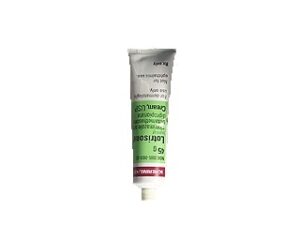
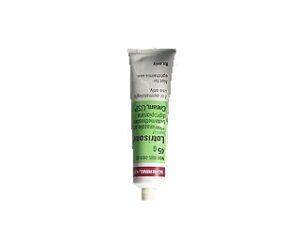
- Topical antifungals (for many skin infections), such as creams or solutions containing antifungal active ingredients. These may be used for limited or superficial disease.
- Other oral antifungals often used for dermatophyte infections or nail disease, selected based on patient factors and interactions. Examples include medicines from the “allylamine” class (commonly used for some nail and skin infections).
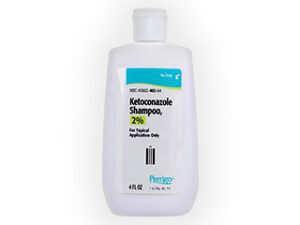
- Adjunct measures such as medicated shampoos for scalp infections, if recommended.
A pharmacist or doctor can help compare options by infection type and safety profile, including how they interact with other medicines.
Griseofulvin in the Australian market: availability and legal context
In Australia, medicines are regulated under the TGA (Therapeutic Goods Administration). Availability can vary by formulation and brand name, and some products may be listed on the Pharmaceutical Benefits Scheme (PBS) depending on eligibility and clinical criteria. If a medicine is not PBS-listed for your specific indication, it may be supplied through private scripts.
Consumer medicine information (CMI) is available for approved products and includes details on dosing, side effects, contraindications, and interactions. Always check that you have the correct medicine and strength.
Recent guidance: Antifungal treatment approaches can evolve based on emerging evidence, resistance patterns, and stewardship efforts. For the latest national clinical practices, it’s important to rely on current Australian clinical guidance and advice from healthcare professionals.
Note: Product availability can change. If griseofulvin is temporarily unavailable, a pharmacist may suggest suitable alternatives based on your diagnosis and medical history.
Delivery and availability (online pharmacy information)
Griseofulvin may be supplied as oral tablets or other available formulations, depending on current stock. Online pharmacy delivery options typically include:
- Dispatch times: may vary based on warehouse location and order volume
- Delivery methods: standard or express options where available
- Packaging: medicine is usually supplied in manufacturer packaging with required labelling
To avoid delays, ensure your delivery address is correct and that you are available to receive the package if signature is required. If stock is limited, you may be offered an expected delivery timeframe or an alternative option.
Monitoring and follow-up
Depending on duration and your medical history, a healthcare professional may monitor:
- Liver function (especially during longer courses or if you have risk factors)
- Response to treatment (clinical improvement in skin/hair; nail appearance over time)
- Any side effects or signs of intolerance
If you develop symptoms suggesting liver irritation or a severe rash, stop and seek medical advice promptly.
FAQ — Griseofulvin
1. How quickly will I feel better?
Skin and scalp symptoms often begin to improve within days to weeks, but full clearance can take longer. Nail infections typically take much longer because nails grow slowly. Even after the fungus is controlled, appearance may lag behind treatment.
2. Can I stop griseofulvin once symptoms improve?
It’s important to complete the full course recommended for your specific infection. Stopping early can increase the chance of recurrence. If you’re unsure, speak to a pharmacist or doctor before changing your regimen.
3. Should I take it with food?
Many people are advised to take griseofulvin with food to improve absorption. Follow the instructions for your specific product. If you regularly miss meals, plan your dose around a meal or snack that includes some fat where suitable.
4. Is it safe to drink alcohol while taking it?
Alcohol may increase the risk of liver-related side effects and can worsen dizziness or nausea. It’s generally best to avoid alcohol or keep it to a minimum. If you’re concerned, ask a pharmacist for advice tailored to your situation.
5. What happens if I miss a dose?
Take the missed dose as soon as you remember unless it’s close to the next scheduled dose. Do not take a double dose to catch up. If you frequently miss doses, discuss strategies to improve adherence.
6. Will griseofulvin treat all types of fungal infections?
Griseofulvin is mainly used for dermatophyte infections. Other fungal infections (e.g., yeast infections) may require different medicines. Diagnosis matters—if you’re not improving, the cause may not be dermatophyte fungus.
7. Does griseofulvin interact with other medicines?
Yes. Griseofulvin can interact with several medicines, including anticoagulants and hormonal contraception, and it may affect levels of some other drugs. Tell your pharmacist about everything you take so they can check for interactions.
8. Can children take griseofulvin?
Yes, when appropriate, but dosing must be weight- and age-appropriate and depends on the infection type. Parents/caregivers should ensure dosing instructions are followed carefully and report side effects promptly.
9. Are there any tests I might need?
For longer courses or for people with risk factors, clinicians may check liver function. Monitoring also depends on your overall health and the duration of treatment.
10. What if my nail changes don’t look normal yet?
That’s common. Nail infections often improve slowly. New healthy nail growth must replace infected nail, which can take months. If there is no improvement at all after a reasonable time, seek review to confirm diagnosis and treatment plan.
Summary
Griseofulvin is an oral antifungal medicine used for dermatophyte infections involving skin, scalp, hair, and nails. It works by interfering with fungal cell division, and success relies on continuing therapy long enough for infected keratinised tissue to be replaced with healthy growth. Taking the medicine with food, avoiding unnecessary alcohol, and being mindful of drug interactions can help improve outcomes and reduce side effects.
If you have questions about your specific infection, dosing schedule, or whether an interaction might apply to you, speak with a pharmacist.