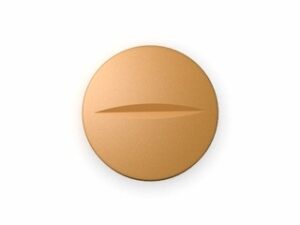
Sotalol (Sotalol Hydrochloride) – Patient Information (Australia)
Sotalol is a heart medicine used to help control certain rhythm problems (abnormal heartbeats). This page explains, in clear and practical terms, what sotalol is, how it works, how it behaves in the body, typical uses, and important safety information. Always follow the directions provided by your healthcare professional and the instructions on your product label.
Basic product information
- Medicine name: Sotalol (often as sotalol hydrochloride)
- Common type: Antiarrhythmic (anti–heart rhythm) medicine
- How it is used: Usually taken by mouth as tablets/capsules
- Brand availability: Brand names vary by manufacturer and supplier in Australia
- Key risks: Can affect heart rate and rhythm (including QT prolongation), so monitoring is important
How sotalol works (mechanism of action)
Sotalol has two main actions:
- Beta-blocking (class II) effects: It slows the heart rate and reduces the heart’s workload by blocking beta receptors. This can stabilise rhythm and reduce episodes triggered by stress hormones (like adrenaline).
- Potassium-channel blocking (class III) effects: It prolongs the electrical recovery phase of the heart cells. This can help prevent certain abnormal rhythms from restarting.
Together, these effects are used to treat rhythm disturbances where slowing and electrical stabilisation are helpful.
Indications: what sotalol is used for
In clinical practice in Australia, sotalol may be used for rhythm problems such as:
- Atrial fibrillation (AF) and atrial flutter in selected patients
- Ventricular arrhythmias (abnormal rhythms originating in the lower chambers), under specialist guidance
- Maintenance of rhythm control in certain patients after restoration of a more normal rhythm
The suitability of sotalol depends on your ECG findings, symptom type, previous treatment responses, and kidney function.
Pharmacokinetics: how the body processes sotalol
Pharmacokinetics describes what the body does to the medicine (absorption, distribution, metabolism and elimination). Key points:
- Absorption: Sotalol is absorbed from the gastrointestinal tract after oral dosing.
- Distribution: It distributes into body tissues; effects depend on adequate blood levels.
- Metabolism: Sotalol is not extensively metabolised by the liver.
- Elimination: The medicine is cleared largely by the kidneys. This means dose adjustments may be needed if you have reduced kidney function.
- Onset and duration: The antiarrhythmic effect depends on achieving and maintaining appropriate drug levels. Dosing schedules aim to keep levels steady.
Because clearance is mainly renal, kidney health is a major factor in safety. If your kidney function changes, your clinician may adjust your dose or review monitoring needs.
Typical dosing and timing
Dosing must be individualised. Your required dose depends on the arrhythmia being treated, your ECG response, heart rate, blood pressure, and kidney function.
| Topic | Patient-friendly guidance |
|---|---|
| Starting dose | Often begins low and may be increased based on ECG and heart rate response. |
| How often | Commonly taken once or twice daily depending on your prescribed regimen and product formulation. |
| Consistency | Take at the same times each day to help maintain stable levels. |
| Missed dose | Take it when you remember if it is close to the next dose time. If near the next dose, skip—do not double. |
| Kidney impairment | Dose adjustments are often needed. Tell your clinician if you have kidney disease or reduced creatinine clearance. |
| Monitoring | ECG monitoring (and sometimes blood tests for electrolytes) may be required when starting or changing dose. |
Important: Sotalol can affect the heart’s electrical system. Many prescribers prefer careful monitoring when beginning therapy or increasing the dose. If you feel faint, severely dizzy, or have worsening palpitations, seek urgent medical advice.
Food interactions and taking with meals
Food effects for sotalol can vary by formulation, but practical guidance is usually:
- Take sotalol consistently with respect to meals (e.g., always with food or always on an empty stomach), unless your product instructions say otherwise.
- If you notice that your timing with meals affects how you feel, discuss it with your healthcare provider.
Avoid starting major dietary or supplement changes without checking for interactions, especially if you use electrolyte-altering products (like high-dose diuretics or certain laxatives).
Alcohol and medicine interactions
Alcohol
Alcohol can affect heart rhythm and may increase the likelihood of dizziness or low blood pressure when combined with beta-blocking medicines. If you choose to drink alcohol, do so cautiously and consider limiting intake—especially during dose changes.
Medicine interactions
Several medications can increase the risk of rhythm disturbances by interacting with sotalol’s heart effects or by altering sotalol levels. Common interaction categories include:
- Other medicines that prolong the QT interval (the ECG “QT” risk marker)
- Other rhythm medicines (antiarrhythmics) that may add to slowing or electrical effects
- Medicines that slow heart rate (e.g., some calcium-channel blockers used for rate control)
- Diuretics and electrolyte-lowering medicines (low potassium/magnesium increases arrhythmia risk)
- Some antibiotics/antifungals and other drugs that can affect metabolism/clearance or QT risk
Tell your pharmacist or clinician about all medicines you take, including over-the-counter products and supplements. This includes cold and flu remedies, as some contain ingredients that may affect the heart or blood pressure.
Safety profile: key risks and who needs extra caution
Common side effects
Side effects can vary, but may include:
- Fatigue or tiredness
- Dizziness or light-headedness
- Slow heart rate (bradycardia)
- Low blood pressure (sometimes)
- Shortness of breath with exertion (in some people)
- Gastrointestinal upset in some individuals
Serious risks (seek urgent help)
Some symptoms may indicate a potentially serious rhythm problem or low blood pressure. Seek urgent medical attention if you experience:
- Fainting or near-fainting
- Severe dizziness
- Chest pain
- Sudden worsening palpitations
- Severe shortness of breath
QT prolongation and rhythm worsening
Sotalol can prolong the QT interval on ECG. This may rarely increase the risk of a dangerous rhythm called torsades de pointes. Risk is higher if:
- You have low potassium or magnesium
- You have significant kidney impairment (leading to higher sotalol levels)
- You have existing QT prolongation
- You take other QT-prolonging medicines
Beta-blocker precautions
Because sotalol blocks beta receptors, it should be used carefully if you have:
- Asthma or chronic lung disease (may worsen breathing symptoms)
- Certain heart conduction problems (for example, advanced heart block)
- Very slow resting heart rate
Practical use tips for patients
- Don’t start or stop suddenly: Abrupt changes may affect heart rhythm. If stopping is needed, it should be done under clinician guidance.
- Keep up with ECG and blood tests: Monitoring helps confirm safety—particularly when beginning or increasing dose.
- Maintain electrolytes: If you experience vomiting, severe diarrhoea, or muscle cramps, contact your clinician. Dehydration and electrolyte loss can raise risk.
- Track your pulse: If advised, monitor your heart rate and note symptoms like dizziness or faintness.
- Be careful with new medicines: Antibiotics, antifungals, antidepressants, and anti-nausea medicines can sometimes affect QT risk.
- Use a medication list: Keep an up-to-date list of all medicines and show it at appointments and emergencies.
When to seek medical help
Contact your healthcare provider promptly if you notice:
- Increased palpitations or episodes of rapid heartbeat
- Marked dizziness, unusual fatigue, or breathlessness
- Symptoms after a dose change
- New symptoms after starting another medicine
If you have fainting, chest pain, or severe shortness of breath, seek urgent medical care.
Recent guidance and monitoring considerations (Australia)
In Australia, clinicians generally emphasise careful monitoring for antiarrhythmic medicines with QT-prolonging potential. Current best practice commonly includes:
- ECG assessment before starting and during dose adjustment
- Review of kidney function to determine safe dosing
- Electrolyte checks (especially potassium and magnesium) when clinically indicated
- Medication interaction review to avoid additive QT-risk drugs
Guidance may be updated as new evidence and safety alerts become available. Your prescriber may follow local protocols and relevant therapeutic guidelines.
Alternative options
Depending on your type of arrhythmia and personal risk factors, alternative treatments may include:
- Other antiarrhythmic medicines (choice depends on ECG profile and comorbidities)
- Rate-control strategies for some patients (aiming to control heart rate rather than rhythm)
- Procedural options such as catheter ablation in selected cases
- Lifestyle and risk-factor management (e.g., reducing stimulants, managing thyroid issues, treating sleep apnoea)
Discuss alternatives with your healthcare provider, particularly if you’ve experienced significant side effects, QT concerns, or inadequate rhythm control.
Delivery and availability in Australia
Availability of sotalol can vary depending on the manufacturer and formulation. Online pharmacies may offer options such as:
- Common strengths and pack sizes, subject to supply
- Shipping timelines that vary by state/region and stock status
- Standard delivery and sometimes express options (where available)
If a particular strength is temporarily unavailable, your pharmacist may suggest a comparable option or help arrange restocking. Always confirm the strength and dosing instructions before use.
Market and legal context in Australia
Medicines in Australia are regulated under the Australian regulatory framework administered by the Therapeutic Goods Administration (TGA) and related bodies. The legal status of sotalol and the specific requirements to supply it (including whether additional checks are needed) depend on the product classification and local pharmacy policies.
For online orders, reputable pharmacies typically ensure appropriate supply processes such as verifying patient details and confirming suitability for current treatment. If you have questions about eligibility or supply requirements, contact the pharmacy before placing an order.
Frequently asked questions (FAQ)
1) How long does sotalol take to work?
Some rhythm effects may occur after the first doses, but stable control often takes time, particularly if dose adjustments are needed. Your clinician may schedule ECG checks after starting or changing dose to confirm response and safety.
2) Will I be able to drive while taking sotalol?
If you feel dizzy, unusually tired, or faint, avoid driving and seek medical advice. Many people can drive safely once they know how the medicine affects them, but individual responses vary.
3) What should I do if I miss a dose?
If you miss a dose, take it when you remember if it is not close to the next scheduled dose. If you are near the time of the next dose, skip the missed dose—do not double up. If you’re unsure, ask your pharmacist for specific guidance for your dosing schedule.
4) Can I take sotalol with other medicines for colds or allergies?
Some cold and flu products contain stimulants or ingredients that may affect heart rate or rhythm. Always check with your pharmacist before taking new over-the-counter products, especially decongestants or multi-symptom cold remedies.
5) Is sotalol safe if I have kidney problems?
Sotalol is cleared mainly through the kidneys. If you have impaired kidney function, dose adjustment is often required to reduce the risk of high drug levels and rhythm complications. Make sure your healthcare provider knows your kidney history and any recent kidney function results.
6) What electrolyte problems can increase risk?
Low potassium (hypokalaemia) and low magnesium (hypomagnesaemia) can raise the risk of dangerous heart rhythms with QT-prolonging medicines. Risk may increase with diuretics, prolonged vomiting/diarrhoea, or other conditions that affect electrolytes.
7) Can I drink alcohol while on sotalol?
Alcohol may increase dizziness and can potentially worsen heart rhythm issues in some people. If you choose to drink, keep it moderate and monitor how you feel. Avoid binge drinking.
8) What are warning signs that mean I should stop and get help?
Do not stop the medicine on your own, but seek urgent help if you experience fainting, severe dizziness, chest pain, severe shortness of breath, or rapidly worsening palpitations.
9) Are there alternatives if sotalol doesn’t work for me?
Yes. Alternatives may include other antiarrhythmic medicines, rate-control treatments, or procedures such as ablation depending on your specific rhythm and health profile. Discuss your symptoms and ECG findings with your healthcare provider.
10) How should I store sotalol?
Store according to the instructions on the product label (commonly at room temperature and protected from moisture). Keep tablets/capsules in their original container and out of reach of children.
Summary
Sotalol is a heart rhythm medicine with beta-blocking and QT-prolonging effects, used for selected atrial and ventricular arrhythmias. It is mainly cleared by the kidneys, so kidney function and ECG monitoring are important for safe use. If you take sotalol, keep your medication schedule consistent, avoid interacting medicines (especially those that affect QT), and seek urgent help if you experience fainting, severe dizziness, chest pain, or worsening breathlessness.