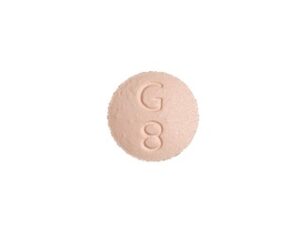


Hyplon (Zaleplon) — Patient Information (Australia)
Hyplon contains zaleplon, a medicine used to help people sleep. This guide explains how Hyplon works, how it is typically used, and important safety information—written in a clear, patient-friendly way for users in Australia.
Important: Individual treatment needs vary. Follow your healthcare professional’s instructions and the label directions. If you have concerns or side effects, speak with a pharmacist or doctor.
Basic product information
| Item | Details |
|---|---|
| Medicine | Hyplon |
| Active ingredient | Zaleplon |
| Medicinal class | Hypnotic (sleep medicine), part of the “Z-drugs” group |
| How it’s used | Short-term treatment of sleep difficulties, typically when sleep is hard to start |
| Common dosage forms | Oral capsules/tablets depending on brand presentation (availability can vary) |
| Typical timing | Taken at bedtime when you can stay asleep for the required number of hours |
How Hyplon works (mechanism of action)
Zaleplon is a sedative-hypnotic. It acts mainly on the brain’s GABA system—specifically the GABA-A receptor. By binding to a site linked to the receptor’s benzodiazepine complex, it can increase inhibitory signalling in the brain.
In practical terms, this helps:
- Reduce the time it takes to fall asleep
- Promote sleep after you take it
- Support short-term relief in insomnia symptoms, particularly sleep-onset difficulties
Pharmacokinetics (how the body processes it)
Pharmacokinetics describes what happens to a medicine in the body over time.
Absorption
Zaleplon is absorbed after oral dosing. Peak blood levels generally occur within about 1 hour (fast onset), which aligns with its typical role in helping people fall asleep quickly.
Distribution
It distributes into tissues and crosses into the brain to exert its sleep-promoting effects.
Metabolism
Zaleplon is metabolised mainly in the liver (involves cytochrome enzymes). This is one reason some medicines can change its effect.
Elimination
Zaleplon is removed from the body relatively quickly. Its short duration of action is one reason some people are prescribed it when they need help falling asleep and worry about next-day hangover.
Note: Exact times can vary among individuals based on age, liver function, other medicines, and whether food was taken.
Typical use and indications (what Hyplon is for)
Hyplon is used for insomnia—usually focused on sleep-onset difficulties (trouble falling asleep). It may be considered when insomnia symptoms are causing significant distress.
In general, sleep medicines like zaleplon are intended for short-term use or as directed by a healthcare professional, combined with good sleep practices.
Common indications may include:
- Difficulty falling asleep
When to take Hyplon (timing guidance)
Timing is critical for safe and effective use.
- Take at bedtime or when you are ready to sleep.
- Ensure you can stay in bed for the required time after taking it (as advised on the product information/your clinician’s instructions).
- If you wake and need to take another dose, do not “top up” unless instructed—taking extra doses can increase risk of sedation, impaired driving, and other side effects.
Tip: Plan for a night where you can get sufficient sleep. If you’re not sure you can, it’s better to discuss options with a pharmacist or doctor rather than taking it “just in case.”
Dosing (general information)
Dosing is individualised. The following is general guidance to help you understand typical patterns; always follow the label and your healthcare professional’s directions.
Adults
- Lower starting doses may be recommended for some people (for example, older adults or those with certain risk factors).
- The dose is often adjusted based on response and tolerability.
Older adults
Older adults may be more sensitive to sedation and next-day impairment. Clinicians often use conservative dosing and careful monitoring.
Liver or kidney concerns
Because metabolism involves the liver, people with liver impairment may require dose adjustments or may be advised not to use certain hypnotics.
Do not exceed the prescribed amount
Taking more than directed increases the risk of side effects, dependence, and dangerous impairment (including complex sleep behaviours).
Food interactions and what to eat
Food can affect how quickly zaleplon works. Taking Hyplon with or soon after a meal may delay absorption and slow onset of sleep effects.
Practical advice:
- For many people, taking it when the stomach is relatively empty can help it work faster.
- If you often eat late, discuss timing strategies with your pharmacist—especially if you struggle to fall asleep.
Example approach (general): If you have a late meal, consider taking Hyplon later when you’re closer to bedtime rather than immediately after eating—unless your healthcare professional instructs otherwise.
Alcohol and medicine interactions (important safety)
Alcohol
Do not combine Hyplon with alcohol. Alcohol can significantly increase sedation, impair coordination and reaction time, and increase the risk of serious side effects.
- Greater risk of excessive sleepiness and breathing problems
- Higher likelihood of memory gaps (amnesia)
- Increased risk of accidents and complex sleep behaviours
Other medicines that may interact
Hyplon can interact with medicines that affect the brain or liver enzymes. Tell your healthcare professional and pharmacist about all medications you take, including:
- Opioids (pain medicines such as morphine, oxycodone, codeine)
- Other sedatives (e.g., benzodiazepines, some antihistamines, antipsychotics)
- Some antidepressants and other mental health medicines (depending on which)
- Medicines that affect liver enzymes (some antifungals, antibiotics, anticonvulsants, and other agents)
Why this matters: Interactions may increase Hyplon levels in the body or enhance sedation, leading to next-day impairment or other adverse effects.
Driving and machines
Because Hyplon can reduce alertness, you should avoid driving and risky activities the next morning until you know how it affects you.
If you feel dizzy, unusually drowsy, or “not fully awake,” do not drive.
Safety profile (what to expect and when to get help)
Most people take sleep medicines without serious issues, but it’s important to understand potential side effects and red flags.
Common side effects
- Sleepiness or drowsiness
- Dizziness
- Headache
- Nausea or stomach discomfort
Less common but important reactions
- Memory problems (amnesia for events around the time of taking)
- Unusual behaviours during sleep such as sleepwalking or sleep-related eating/activities
- Mood changes, including agitation or abnormal behaviour in some cases
- Allergic reactions (rare; seek urgent advice if you develop swelling of the face/lips, difficulty breathing, or widespread rash)
Seek urgent medical help if
- You experience severe confusion, difficulty breathing, or fainting
- You or someone else notices dangerous sleep behaviours
- You have taken more than the recommended dose
Dependence and withdrawal risk
Like other hypnotics, zaleplon may carry a risk of tolerance and dependence, especially with prolonged or inappropriate use. Do not stop suddenly without medical advice if you’ve been using it regularly.
Practical use tips (get the best and safest results)
- Use it only for the intended purpose: If your insomnia is ongoing, discuss a long-term plan (sleep hygiene, CBT-I, or other strategies) rather than relying on sleep medicines indefinitely.
- Keep a consistent sleep routine: try to go to bed and wake up around the same times.
- Reduce stimulating activities: avoid intense exercise and heavy screen use close to bedtime.
- Keep the bedroom comfortable: cool, dark, and quiet.
- Limit caffeine: especially after midday.
- Don’t “chase” missed sleep: if you forget a dose, don’t double up.
- Avoid alcohol: it can worsen sedation and increase risks.
Complex sleep behaviours caution: If you develop sleepwalking, “doing things while not fully awake,” or food-related behaviours during sleep, stop using Hyplon and seek urgent medical advice.
Alternative options
If Hyplon isn’t suitable (due to side effects, interactions, or underlying causes), there are other ways to manage insomnia. Options may include:
- Non-medicine strategies
- CBT-I (Cognitive Behavioural Therapy for Insomnia) — often considered a first-line approach for chronic insomnia
- Sleep hygiene programmes
- Relaxation techniques, stimulus control, and sleep restriction therapy (guided)
- Other sleep medicines
- Other Z-drugs or short-term hypnotics (choice depends on symptom pattern and risk factors)
- Some antidepressants used at low dose for sleep in selected cases
- Treat underlying contributors
- Pain, anxiety, depression
- Restless legs syndrome
- Sleep apnoea or other breathing disorders
Your pharmacist or doctor can help select alternatives that minimise interactions and match your insomnia pattern (sleep onset vs staying asleep).
Market and legal context for Australia
In Australia, sleep medicines and sedatives are regulated to support safe use. Hyplon (zaleplon) is subject to scheduling and prescribing controls that may affect how it can be supplied. Availability may vary between products and suppliers depending on the current regulatory status.
Important: For Australian customers, always ensure you receive products from reputable sources that comply with local laws and quality standards. If you’re unsure about supply options, ask your pharmacist for guidance.
Recent guidance and clinical considerations
Across many healthcare settings, there is a strong emphasis on:
- Lowest effective dose for the shortest duration
- Regular review of need and ongoing risk/benefit
- Assessing contributors to insomnia (stress, pain, breathing disorders, medication side effects)
- Monitoring older adults for falls, confusion, and next-day impairment
- Careful caution around opioids, alcohol, and other CNS depressants
If you’re using a hypnotic and your sleep problems persist beyond the short term, it’s recommended to seek a structured plan (for example CBT-I) rather than continuing without reassessment.
Delivery and availability (online pharmacy)
Availability for Hyplon can depend on current supply and product listings. When ordering online through a pharmacy, typical steps may include:
- Verification of your details (and any required information for safety and compliance)
- Packaging and labelling according to Australian standards
- Delivery to your selected address using approved carriers
Delivery timeframes: These vary by location and dispatch times. Check the website’s estimated delivery information at checkout for the most up-to-date timelines.
Storage: Keep the medicine in a cool, dry place away from direct sunlight. Store out of reach of children.
FAQ — Frequently asked questions
1) How quickly does Hyplon work?
Zaleplon is designed for a fast onset of action. Many people notice sleepiness and reduced time to fall asleep relatively soon after taking it. Food (especially eating close to bedtime) may delay its effect.
2) Can I take Hyplon after drinking alcohol?
No. Alcohol increases sedation and risk. Avoid alcohol on nights you plan to use Hyplon.
3) What if I wake up during the night?
Don’t take extra doses unless your healthcare professional has specifically advised an “as-needed” plan. If you wake frequently, discuss your insomnia pattern—your doctor may recommend a different approach or medicine.
4) Will I feel sleepy the next day?
Some people may experience residual drowsiness, slowed reaction time, or dizziness—particularly if they took the dose too late, didn’t get enough sleep, took other sedating medicines, or drank alcohol. Avoid driving if you feel unwell or not fully alert.
5) Can I take Hyplon with other medicines for anxiety or pain?
Interactions are possible, especially with sedatives and opioids. Tell your pharmacist and doctor about all medicines you’re using so they can check for interaction risks.
6) Is Hyplon safe for long-term use?
Sleep medicines are generally used for the shortest duration possible with regular reassessment. Long-term use may increase risks such as tolerance and dependence. A long-term insomnia plan usually involves non-medicine strategies and addressing underlying causes.
7) What should I do if I miss a dose?
If it’s close to bedtime and you plan to sleep for the required time, follow your clinician’s instructions. Otherwise, skip the dose and resume your normal routine. Do not take a double dose.
8) What are complex sleep behaviours?
These include actions taken while not fully awake (such as sleepwalking or eating). They can occur rarely with hypnotics. If this happens, stop using the medicine and seek urgent medical advice.
9) Can I use Hyplon if I have sleep apnoea or breathing problems?
Sleep apnoea and breathing disorders can be worsened by sedatives. It’s essential to discuss your medical history with a clinician before use.
10) Are there natural alternatives?
Some supplements are marketed for sleep, but their effectiveness and safety vary, and they may interact with other medicines. Non-medicine approaches such as CBT-I and sleep hygiene are often safer first options. Ask your pharmacist before starting any supplement.
Summary
Hyplon (zaleplon) is a short-acting sleep medicine designed to help with sleep onset. It works by enhancing signalling in the brain’s GABA system. Because its effects and risks depend strongly on timing, food, alcohol avoidance, and other medicines, use it exactly as directed and prioritise safe sleep habits.
If your insomnia persists, or you experience side effects such as next-day impairment or unusual sleep behaviours, seek advice promptly.