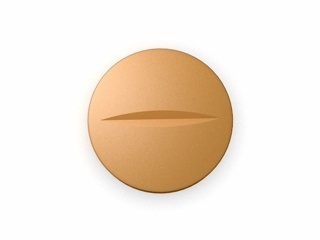


Azulfidine (Sulfasalazine) — Patient-Friendly Medicine Information (Australia)
Azulfidine is the brand name of sulfasalazine, a medicine used to treat certain inflammatory conditions, particularly diseases affecting the bowel and joints. This page explains what Azulfidine is, how it works, how it is used, what to expect, and how to use it safely.
Always follow the instructions provided with your medicine and seek medical advice if you have questions about your specific situation.
Quick overview
| Category | Anti-inflammatory / disease-modifying medicine (for some inflammatory conditions) |
|---|---|
| Active ingredient | Sulfasalazine |
| Brand name | Azulfidine |
| Common conditions | Ulcerative colitis, rheumatoid arthritis (in selected patients), and some other inflammatory bowel/joint conditions |
| How it works | Releases anti-inflammatory components in the gut and reduces inflammatory signalling |
| Typical route | Oral (by mouth) |
| Time to effect | Some symptom relief may occur in days; full benefit can take weeks |
Basic product information
Azulfidine (sulfasalazine) belongs to a group of medicines called aminosalicylates and is also considered a disease-modifying anti-rheumatic drug (DMARD) when used for certain inflammatory joint diseases.
Sulfasalazine is designed to act mainly in the intestines. After it passes through the stomach and small intestine, it is broken down by gut bacteria, producing active components that help reduce inflammation.
How Azulfidine works (mechanism of action)
Sulfasalazine is a prodrug: it becomes active after being processed by the gut. Its anti-inflammatory effect is thought to involve several pathways:
- Intestinal conversion: Gut bacteria split sulfasalazine into two main components: 5-aminosalicylic acid (5-ASA) and sulfapyridine.
- Local anti-inflammatory effect: 5-ASA helps reduce inflammatory chemicals in the bowel lining.
- Immune modulation: The medicine may influence immune signalling (for example, inflammatory cytokines), helping reduce flare-ups and ongoing inflammation.
- Effect on white blood cells: It may affect how inflammatory cells behave in the gut and, in some cases, joints.
Pharmacokinetics (how the body handles it)
Pharmacokinetics describes what the body does with a medicine. For sulfasalazine, the key features include delayed activation in the colon and conversion by gut bacteria.
Absorption and conversion
- Oral absorption: A portion of sulfasalazine remains in the gut and is converted by intestinal bacteria.
- Active metabolites: Conversion produces 5-ASA and sulfapyridine, which contribute to the medicine’s effects.
- Systemic exposure: Some of the metabolites can be absorbed into the bloodstream and contribute to both therapeutic benefit and potential side effects.
Distribution and elimination (general points)
- Metabolism: Sulfasalazine and its metabolites may undergo further processing in the liver.
- Excretion: Elimination occurs mainly via the kidneys and through faecal pathways (depending on metabolic processes).
- Variability: Gut bacteria, diet, and bowel function can influence how quickly and how completely the medicine is broken down.
Your clinician may perform regular blood and urine tests to monitor safety, particularly during the initial months.
Typical use: what Azulfidine is used for
Azulfidine is used for conditions where reducing inflammation is important. Indications can vary by person. In Australia, it is commonly associated with:
Inflammatory bowel disease
- Ulcerative colitis: To help induce remission in mild to moderate disease and to help maintain remission (maintenance).
Inflammatory joint disease
- Rheumatoid arthritis (selected patients): In some patients as part of treatment strategies to reduce symptoms and slow disease progression.
- Other inflammatory conditions: Sometimes used when a treating doctor considers sulfasalazine appropriate based on symptoms and past treatment response.
If you are unsure why you have been prescribed Azulfidine, ask your pharmacist or treating healthcare professional.
Indications (clearer list for patients)
The following are the common areas where sulfasalazine may be used:
- Ulcerative colitis (including mild to moderate cases)
- Inflammatory bowel–related symptoms as part of a management plan
- Rheumatoid arthritis (in selected patients)
Treatment decisions depend on disease severity, prior therapies, and your overall health.
How and when to take Azulfidine (timing and routine)
Sulfasalazine tablets are usually taken by mouth and the total daily dose is often split across the day. The goal is to improve tolerability and maintain steady levels.
Starting schedule
- Gradual dose increase: Many people start on a lower dose and increase gradually to reduce side effects.
- Consistent timing: Try to take doses at roughly similar times each day.
If you miss a dose
- Take it when you remember
- Do not take a double dose
- If you are unsure, ask your pharmacist for advice tailored to your schedule.
How long it takes to work
- Relief may begin within days for some symptoms.
- Full benefit often takes weeks and depends on the condition being treated.
- For inflammatory bowel disease, your doctor may assess progress and adjust therapy accordingly.
Dosing information (general guidance)
Doses vary depending on the condition, your age, kidney function, and whether you are starting or maintaining treatment. The information below is general and not a substitute for personalised dosing instructions.
Adults
- Dosing is commonly split into multiple doses per day.
- Some regimens use a titration period where the dose is gradually increased.
Children
Sulfasalazine may be used in paediatric patients under specialist guidance for certain inflammatory bowel diseases. Doses are based on weight and clinical factors. Follow the paediatric plan exactly.
Monitoring requirements
Because sulfasalazine can affect blood counts and liver function in some people, your clinician may arrange regular blood tests and urine tests (especially early in treatment).
Food interactions and taking Azulfidine with meals
Food may affect how comfortable sulfasalazine feels in the stomach rather than dramatically changing absorption. For many people, taking Azulfidine with food can reduce nausea or stomach upset.
Practical tips
- If you experience nausea, consider taking doses with meals.
- Stay hydrated, particularly if you have diarrhoea or stomach irritation.
- Keep taking it consistently, even if it takes time to feel the benefit.
Interaction with diet
No special “required diet” is universally necessary, but maintaining good nutrition during inflammatory disease is important. If you have dietary restrictions, discuss them with your dietitian or clinician.
Alcohol and medicine interactions
Alcohol can affect the liver and may worsen stomach irritation. Because sulfasalazine can also influence liver function and can cause gastrointestinal side effects, it’s generally wise to be cautious with alcohol.
Alcohol (general guidance)
- Limit alcohol intake and avoid binge drinking.
- If you have abnormal liver tests or a history of liver disease, seek medical advice before drinking alcohol.
- Stop alcohol and contact a clinician if you develop symptoms such as yellowing of the eyes/skin, dark urine, or severe fatigue.
Important medicine interactions
Tell your pharmacist or doctor about all medicines and supplements you use, including over-the-counter products. Some medicines may increase risk of side effects or require monitoring.
- Blood-thinning medicines (anticoagulants): There may be an interaction risk; monitoring may be needed.
- Immunosuppressants or other DMARDs: Combined immunologic effects may increase infection risk.
- Folic acid (and some vitamins): In some people, folate supplementation may be recommended.
- Other medicines affecting the blood or liver: Combined use may require extra monitoring.
- Sulfonamide-containing medicines: If you have a history of sulfonamide allergy, avoid without medical advice.
If you are taking multiple medicines, consider keeping an up-to-date list and showing it to every healthcare professional you see.
Safety profile: common side effects and what to watch for
Like all medicines, Azulfidine can cause side effects. Many are mild and improve as your body adjusts, especially during dose titration. However, some side effects require urgent medical attention.
Common side effects
- Nausea or upset stomach
- Headache
- Loss of appetite
- Rash
- Vomiting
- Minor stomach discomfort or reflux-like symptoms
Less common but important side effects
- Blood-related changes (e.g., low white blood cells or anaemia) — often detected through blood tests
- Effects on the liver (changes in liver enzymes)
- Kidney effects — less common, may require urine monitoring
- Hypersensitivity reactions (allergy-type responses)
Seek urgent medical care if you develop
- Swelling of the face, lips, or throat; trouble breathing (possible severe allergy)
- Severe rash, blistering skin, or peeling skin
- Unexplained bruising or bleeding
- High fever, severe sore throat, or frequent infections
- Yellowing of the eyes/skin (jaundice), dark urine, or severe fatigue
Important precautions
- Allergy history: Avoid sulfasalazine if you have previously had a serious reaction to sulfasalazine or related sulfonamide medicines.
- Blood disorders: People with certain blood conditions may require closer monitoring.
- Kidney or liver problems: Dose and monitoring may need adjustment.
- Dehydration: If you are unwell with vomiting or diarrhoea, maintain fluid intake and contact your clinician if symptoms persist.
Practical use tips (to get the best results)
The following tips can help you use Azulfidine comfortably and effectively:
- Take with food if you get stomach upset.
- Adhere to the titration schedule (if your dose is increased gradually).
- Attend monitoring appointments for blood and urine tests, especially early in treatment.
- Track your symptoms (flares, bowel frequency, joint pain) so you can discuss progress with your clinician.
- Don’t stop suddenly without advice, even if you feel better—stopping may lead to relapse.
- Watch for infection symptoms and seek medical advice promptly, particularly if you’re also taking other immune-modifying medicines.
- Sun sensitivity: If you notice rashes after sun exposure, protect skin and inform your clinician.
A small practical note: sulfasalazine can sometimes cause orange-yellow staining of urine (and occasionally tears) in some people due to metabolite colour. This is usually harmless, but if you feel unwell or have other symptoms, contact your healthcare professional.
Alternative options
Treatment choices depend on your diagnosis, severity, previous responses, and overall health. If you cannot tolerate Azulfidine or it is not sufficient, doctors may consider alternatives. Possible options (depending on the condition) include:
For ulcerative colitis / inflammatory bowel disease
- 5-ASA medicines (mesalazine / similar formulations) for bowel-specific anti-inflammatory effects
- Corticosteroids for short-term flare control (where appropriate)
- Immunomodulators or other long-term controllers in more complex cases
- Biologic therapies for selected patients with moderate to severe disease
For rheumatoid arthritis
- Other DMARDs such as methotrexate or others (choice depends on patient factors)
- Biologic agents or targeted therapies when appropriate
- NSAIDs may be used for symptom relief in some cases, but they do not replace DMARD effects
Discuss alternatives with your clinician if you have side effects, incomplete control, or changes in your condition. Do not switch without a plan.
Market and legal context for Australia
In Australia, sulfasalazine products such as Azulfidine are regulated medicines and must be supplied in accordance with Australian requirements. Availability may depend on product formulation, brand, and supply chain factors.
Your local pharmacy can advise on the most current options available, including generic alternatives where suitable.
Recent guidance and clinical monitoring (general)
Clinical practice for inflammatory bowel disease and rheumatoid arthritis evolves over time. Health professionals may update recommendations based on:
- New evidence from clinical trials
- Safety surveillance data
- Changes in guideline documents for disease management
- Individual risk factors (age, comorbidities, infection risk)
For sulfasalazine specifically, safety monitoring commonly includes periodic full blood counts, liver function tests, and sometimes kidney monitoring, especially in the early months and if dose adjustments occur.
Delivery and availability (online pharmacy)
Availability can vary by location and stock levels. Many pharmacies in Australia offer:
- Home delivery for eligible medicines (subject to local regulations and service areas)
- Standard and express options, depending on the supplier
- Tracking updates once the order has been dispatched
- Substitution options if the exact brand is temporarily unavailable and a suitable alternative is allowed
When placing an order, confirm the strength, dose form, and quantity match your needs. If you are unsure, contact the pharmacy team before paying.
Storage and handling
- Store below 30°C unless the label says otherwise.
- Keep tablets in the original packaging to protect them from moisture.
- Keep out of reach of children.
- Check the expiry date and discard any expired medicine safely.
FAQ about Azulfidine (sulfasalazine)
1) What is Azulfidine used for?
Azulfidine (sulfasalazine) is used for certain inflammatory conditions, most notably ulcerative colitis. It may also be used in selected patients with rheumatoid arthritis or other inflammatory disease contexts depending on clinical decision-making.
2) How long does it take to work?
Some people notice symptom improvement within days, but full effects may take weeks. If you’re not seeing improvement, don’t increase or change your dose without medical advice—speak to your clinician about next steps.
3) Should I take it with food?
Many people find it more comfortable to take sulfasalazine with meals, especially if they experience nausea or stomach upset. Use the instructions on your medicine label.
4) Can I drink alcohol while taking Azulfidine?
Alcohol may increase the chance of stomach irritation and can affect the liver. If you choose to drink, keep intake low and avoid binge drinking. Seek advice if you have liver issues or abnormal liver tests.
5) What monitoring will I need?
Many patients have regular tests such as full blood counts, liver function tests, and sometimes kidney tests. The schedule is tailored to your risk profile and how long you’ve been on therapy.
6) What should I do if I miss a dose?
Take it when you remember unless it’s close to the next dose. Do not take a double dose. Ask your pharmacist if you’re unsure.
7) Are there any allergy risks?
Yes. If you have had an allergic reaction to sulfasalazine or other sulfonamide medicines, you should not use it unless your healthcare professional confirms it’s safe for you. Get urgent help for severe symptoms like swelling, breathing difficulties, or widespread blistering rash.
8) Will sulfasalazine affect my urine or tears?
It may cause yellow-orange staining of urine or tears in some people. This can be harmless, but if you develop pain, burning, blood in urine, fever, or feel unwell, contact a healthcare professional.
9) What if I get a rash or fever?
A mild rash can sometimes occur, especially early on, but fever or a worsening rash may signal a serious reaction. Contact your clinician promptly, and seek urgent care if symptoms are severe.
10) What are common interactions?
Sulfasalazine may interact with certain medicines, including some affecting blood clotting, immune-modifying treatments, and medicines that influence liver or blood counts. Provide your pharmacist with a complete list of medicines and supplements.
Need help? Contact your pharmacy
If you have questions about how to take Azulfidine, manage side effects, or check potential interactions with your other medicines, speak with your local pharmacist. They can also help you understand your monitoring plan and provide practical advice for day-to-day use.