Ticlid (Ticlopidine) – Patient Information
Ticlid is a medicine containing ticlopidine, used to help reduce the risk of certain serious blood-clotting events in specific people. This page explains how Ticlid works, how it is usually taken, key safety information, and what to consider when using it alongside other medicines and alcohol.
Basic product information
| Feature | Information |
|---|---|
| Medicine name | Ticlid (ticlopidine) |
| Medicinal ingredient | Ticlopidine |
| Medicine type | Antiplatelet (helps prevent platelets from forming clots) |
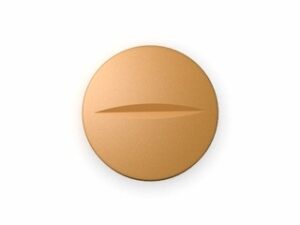
| Common form | Tablets (strengths may vary by product) |
| Where it is used | Selected patients to reduce thrombotic risk, based on clinician assessment |
| Monitoring | Regular blood tests are often required due to potential blood-related side effects |
What Ticlid is used for
Ticlid belongs to a group of medicines called antiplatelets. Platelets are blood cells that help blood clot. Ticlid reduces platelet activity, lowering the chance of unwanted clot formation inside blood vessels.
In Australia, Ticlid is used in selected situations where an antiplatelet medicine is needed, and where ticlopidine is considered suitable by a healthcare professional. It is often considered in people who cannot use other antiplatelet options or in certain specialised circumstances.
Common indications (what it may be prescribed for)
- Secondary prevention of vascular events (for example after certain types of stroke or transient ischaemic attack) where an antiplatelet effect is needed.
- Reduction of clot risk in people with specific arterial disease conditions, as determined by clinical guidelines and individual factors.
- Alternative when suitable for patients who are unable to use other antiplatelet medicines for reasons such as intolerance or contraindications.
The right choice of antiplatelet therapy depends on your medical history, risk factors, other medicines, and monitoring requirements. Always follow the specific plan agreed with your healthcare team.
How Ticlid works (mechanism of action)
Ticlid inhibits platelet aggregation (clumping) by blocking pathways that help platelets stick together. By reducing platelet activity, it decreases the likelihood of clot formation that can block blood vessels.
Unlike some other antiplatelet medicines, ticlopidine acts through effects on platelet function rather than preventing clotting factors directly. This is why it is considered an antiplatelet rather than an anticoagulant.
Pharmacokinetics (how the body handles ticlopidine)
Pharmacokinetics describes how a drug is absorbed, distributed, metabolised, and eliminated. Understanding this can help explain why regular dosing and monitoring matter.
- Absorption: Ticlopidine is absorbed from the gastrointestinal tract after oral dosing. Food can affect the rate of absorption, but it generally does not eliminate its overall antiplatelet effect.
- Distribution: The medicine is distributed throughout the body and acts on circulating platelets.
- Metabolism: Ticlopidine is metabolised in the liver. This is one reason liver function and blood counts may be monitored during treatment.
- Elimination: Metabolites are eliminated primarily via the kidneys. Your clinician may adjust or monitor therapy more closely if you have kidney impairment.
- Onset and duration: Because platelet activity is reduced over time, its full antiplatelet benefit may take some days of regular dosing. Platelet function improves gradually after stopping the medicine, not instantly.
Timing and how to take Ticlid
Consistency is important for antiplatelet medicines. Missing doses can reduce protection, while taking extra doses increases bleeding risk.
Typical dosing schedule
The exact dose and schedule should be confirmed by your clinician and the product instructions you receive. Common regimens involve taking ticlopidine twice daily.
If you forget a dose
- Take it when you remember if it’s close to your next dose time.
- Skip the missed dose if it’s almost time for the next one.
- Do not double up to make up for a missed dose.
- If you frequently miss doses, speak with your healthcare professional for advice.
Practical tips for daily use
- Use a pill organiser to avoid missed doses.
- Set phone alarms for morning and evening dosing.
- Try to take doses at roughly the same times each day.
- Keep a record of any side effects and report them promptly.
Food interactions
Food may influence how quickly ticlopidine is absorbed, but it generally does not negate its effect. Many people are advised to take antiplatelet medicines with food or just after meals to improve tolerability.
Key points
- If your dose causes stomach discomfort, taking it with meals may help.
- Try to keep your routine consistent (for example, always with breakfast and dinner).
- If you have severe nausea or vomiting, contact a healthcare professional, as poor intake may affect your ability to continue treatment safely.
Alcohol and medicine interactions
Alcohol can increase the risk of stomach irritation, falls, and bleeding—especially when combined with medicines that affect clotting behaviour. While ticlopidine is an antiplatelet medicine (not an anticoagulant), bleeding risk can still be a concern.
Safety guidance
- Limit alcohol and avoid binge drinking.
- Be cautious if you have a history of gastrointestinal bleeding.
- If you drink regularly, discuss your typical intake with your clinician.
- Seek urgent medical help if you notice signs of bleeding (see “When to get help urgently” below).
Medicine interactions (important)
Ticlid can interact with other medicines that affect bleeding, liver function, or blood counts. Tell your healthcare professional and pharmacist about all medicines you take, including over-the-counter products and supplements.
Medicines that may increase bleeding risk
- Other antiplatelet medicines (for example, aspirin or clopidogrel) – may increase bleeding risk.
- Anticoagulants (for example, warfarin, apixaban, rivaroxaban) – may increase bleeding risk.
- NSAIDs (non-steroidal anti-inflammatory drugs) such as ibuprofen or naproxen – may increase gastrointestinal bleeding risk.
- Regular aspirin use or high-dose aspirin may also increase bleeding risk; only use aspirin if advised by your clinician.
Medicines affecting the liver or blood profile
- Some medicines can also affect blood counts or liver enzymes. Because ticlopidine may cause certain blood-related side effects, additional caution and closer monitoring may be needed.
Herbal and supplement considerations
- Some supplements may affect bleeding (for example, products containing fish oil in higher doses, garlic supplements, or other “blood thinning” claims).
- Always discuss supplements with your pharmacist.
What to do
- Review your medicine list with your pharmacist when starting or changing any therapy.
- Do not start or stop medicines (including pain relief) without advice.
Dosing (typical guidance)
Your clinician will determine the correct dose for you based on your condition, other health issues, and your tolerance. Follow the directions on your medicine label or from your healthcare team.
Typical dose frequency
- Often taken twice daily.
- If dose changes are needed, they are usually based on response and safety monitoring results.
Who may need extra caution
- People with a history of blood disorders.
- People with liver disease or abnormal liver tests.
- People with kidney impairment.
- People taking medicines that increase bleeding risk.
Monitoring is a key part of safe use with ticlopidine. Blood tests help detect uncommon but serious side effects early.
Safety profile and side effects
Like all medicines, Ticlid can cause side effects. Some may be mild and improve with time, while others require prompt medical attention. Because ticlopidine can rarely affect blood cells, it is important to know what symptoms to watch for and to attend scheduled monitoring.
Common side effects
- Gastrointestinal symptoms such as nausea, diarrhoea, abdominal discomfort.
- Rash or skin reactions (sometimes mild).
- Headache or dizziness (less commonly).
Serious side effects (seek medical advice promptly)
These are uncommon, but because they can become serious quickly, it’s important to act early.
- Signs of infection (e.g., fever, sore throat, unusual fatigue) may suggest low white blood cells.
- Unusual bruising or bleeding (e.g., nosebleeds that are hard to stop, blood in urine/stool, bleeding gums) may indicate abnormal clotting or platelet function.
- Severe fatigue, pale skin, shortness of breath may indicate anaemia or other blood changes.
- Symptoms of liver problems such as yellowing of the skin/eyes (jaundice), dark urine, severe itching, or right upper abdominal pain.
- Severe allergic reactions (swelling of face/lips, difficulty breathing, widespread rash) require urgent help.
When to get help urgently
Contact emergency services or go to the nearest emergency department if you experience:
- Bleeding that is heavy, persistent, or you feel is life-threatening
- Signs of severe allergic reaction (breathing difficulty, facial swelling)
- High fever with severe illness symptoms
- Sudden severe weakness, collapse, or chest pain
- Black/tarry stools or vomiting blood
Practical use tips for safer treatment
- Attend all scheduled blood tests. These tests are a key safeguard when using ticlopidine.
- Report new symptoms early. If you develop fever, sore throat, unusual bruising, or signs of bleeding, seek medical advice promptly.
- Be cautious with dental work or surgery. Inform your dentist or surgeon that you are taking Ticlid before procedures.
- Use caution with injury risks. Wear appropriate protective gear during sports and be careful with sharp objects.
- Check with your pharmacist before using OTC pain relief. Some pain medicines can increase bleeding risk.
- Maintain a consistent routine. Taking doses at the same times daily helps keep platelet inhibition steady.
Alternative options (other antiplatelet medicines)
Depending on the reason you are taking an antiplatelet medicine, alternatives may include other agents. Your clinician will choose an option considering effectiveness, bleeding risk, and your medical history.
Common antiplatelet alternatives
- Aspirin (acetylsalicylic acid) – widely used for prevention of cardiovascular events.
- Clopidogrel – an antiplatelet medicine commonly used in various arterial conditions.
- Prasugrel and ticagrelor (where appropriate) – typically considered in certain cardiac settings.
In many clinical pathways, ticlopidine may be used less frequently than other antiplatelet medicines due to monitoring needs and safety considerations. However, for some individuals, ticlopidine may still be a suitable option based on clinician judgement.
Market and legal context for Australia
In Australia, medicines are regulated by the Therapeutic Goods Administration (TGA). Antiplatelet medicines are subject to pharmacy supply rules and may require appropriate clinical assessment and monitoring.
Availability can vary by brand and formulation. Healthcare professionals consider local guidelines, individual risk profiles, and safety monitoring requirements when choosing therapy. If Ticlid is not suitable, clinicians may recommend an alternative antiplatelet option.
Recent guidance and prescribing trends
Clinical practice evolves as evidence emerges. In general, healthcare providers weigh the benefits of antiplatelet therapy against bleeding risk and monitoring burden. For ticlopidine specifically, careful attention is paid to blood-count monitoring and potential adverse reactions, and clinicians may prefer other antiplatelet options when appropriate.
If you are already taking Ticlid, do not stop suddenly unless a clinician advises you to—risk of clotting events may change when therapy is interrupted.
Delivery and availability (online pharmacy information)
Product availability depends on stock levels and supply schedules. Many online pharmacies in Australia offer delivery to eligible areas, with shipping times varying by location and courier service.
- Check stock status on the product page before ordering.
- Allow processing time for orders to be verified and dispatched.
- Delivery address accuracy is important to avoid delays.
- Cool/temperature requirements (if any) are usually indicated on the product—most tablets do not require refrigeration.
If you need urgent supply, contact the pharmacy support team to discuss dispatch options.
FAQ – Ticlid (ticlopidine)
1. How long does it take for Ticlid to start working?
Ticlid works by inhibiting platelet activity. The full antiplatelet benefit may take several days of consistent dosing, because platelet function changes progressively. Do not stop or adjust dosing based on feeling better or worse—follow your clinician’s plan.
2. Can I take Ticlid with food?
Often it is taken with food or after meals to improve stomach comfort. Try to take it consistently with your usual routine unless your healthcare professional advises otherwise.
3. What should I do if I miss a dose?
If you remember soon after, take it. If it’s almost time for your next dose, skip the missed dose. Do not take double doses.
4. Does Ticlid increase bleeding risk?
As an antiplatelet medicine, Ticlid can increase the tendency to bruise or bleed. Seek prompt advice if you notice unusual bleeding, blood in urine or stool, or persistent nosebleeds.
5. Why do I need blood tests while taking Ticlid?
Ticlopidine can rarely affect blood cell counts and liver function. Regular monitoring helps detect problems early so treatment can be adjusted safely.
6. Can I drink alcohol while taking Ticlid?
It’s best to limit alcohol. Alcohol can worsen bleeding risk and stomach irritation. If you drink, keep intake moderate and seek advice if you have a bleeding history.
7. What pain relief is safest to use?
Some pain medicines (especially NSAIDs like ibuprofen or naproxen) can increase bleeding risk. Ask your pharmacist which option is safest for you, considering your antiplatelet therapy.
8. Are there alternatives if I can’t tolerate Ticlid?
Yes. Depending on your condition and risk profile, clinicians may consider other antiplatelet medicines such as aspirin or clopidogrel, among others. The best choice depends on your medical history and monitoring needs.
9. Should I stop Ticlid before surgery or dental work?
Inform your dentist or surgeon that you are taking Ticlid well in advance. Whether you need to stop or continue depends on the procedure and your clotting risk; only your healthcare team can advise the safest plan.
10. Who should avoid Ticlid or use it with extra caution?
Extra caution may be needed if you have liver disease, past blood disorders, a history of significant bleeding, or if you take other medicines that affect bleeding. Discuss your full medical history and all current medicines with your healthcare professional.
Important note
This information is designed to help you understand Ticlid and how it is commonly used. It does not replace advice from a healthcare professional. If you have questions about suitability, dosing, monitoring, or interactions, speak with your pharmacist or doctor.