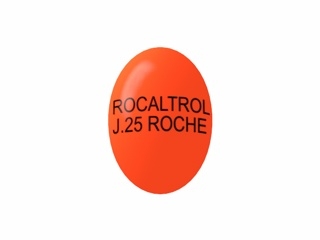


Rocaltrol (Calcitriol) – Patient Guide
Rocaltrol is a brand of calcitriol, the active (most potent) form of vitamin D. It is used to help regulate calcium and phosphate levels in the body. Because calcitriol is already “activated,” it works directly to increase calcium absorption and support normal bone and mineral metabolism.
This guide explains how Rocaltrol works, when it’s used, how to take it safely, and what to expect. It’s written for people living in Australia and covers practical day-to-day considerations, including interactions with food, alcohol, and medicines.
Basic product information
| Product | Active ingredient | What it does | Common forms |
|---|---|---|---|
| Rocaltrol | Calcitriol | Helps normalise calcium (and phosphate) levels and supports bone health | Capsules (various strengths, depending on local supply) |
Availability and specific strengths can vary between suppliers. Your pharmacist can confirm the exact packaging and strength you’ll receive.
How Rocaltrol works (mechanism of action)
Vitamin D normally helps the body absorb calcium from the gut and maintain healthy bones. Calcitriol is the active form of vitamin D that binds to vitamin D receptors in the intestine, kidneys, and bones.
- Increases calcium absorption in the small intestine
- Supports normal bone mineralisation (helps bones use calcium and phosphate appropriately)
- Affects phosphate handling in the kidney, helping maintain a balanced mineral environment
- Helps regulate parathyroid hormone (PTH) activity as calcium levels improve
In people with conditions that reduce the body’s ability to activate vitamin D—such as chronic kidney disease—calcitriol can be particularly important.
Pharmacokinetics (how your body processes it)
While individual responses vary, the following general points describe how calcitriol behaves after taking it:
- Absorption: Calcitriol is absorbed from the gastrointestinal tract after an oral dose.
- Distribution: It circulates in the bloodstream and acts on tissues with vitamin D receptors (including intestine and bone).
- Metabolism: Calcitriol is metabolised by the liver and other tissues.
- Elimination: Metabolites are removed primarily via the faeces and urine.
- Onset of effect: Changes in calcium levels can occur relatively quickly, but ongoing monitoring is often needed to maintain the right dose.
Because calcitriol is already active, dosing can have a stronger and faster effect than “inactive” vitamin D forms, which is why calcium monitoring is commonly advised.
Typical use and timing
Rocaltrol is commonly taken to treat mineral and bone disorders related to vitamin D deficiency or impaired vitamin D activation, including specific conditions affecting the kidneys. The timing depends on your prescribed schedule and your individual needs.
- Most people: take it once daily (or as directed)
- Consistency matters: try to take each dose around the same time each day
- If you miss a dose: see the FAQ below for general guidance
Indications (when Rocaltrol is used)
In Australia, Rocaltrol (calcitriol) is used for conditions where active vitamin D is needed. Common indications include:
- Hypocalcaemia (low calcium), particularly when caused by impaired vitamin D activation
- Secondary hyperparathyroidism in chronic kidney disease (CKD), where appropriate
- Renal osteodystrophy and other CKD-related mineral and bone disorders
- Some inherited or chronic disorders characterised by vitamin D–dependent abnormalities in calcium/phosphate metabolism (as advised by your clinician)
The exact indication and appropriateness of calcitriol depend on your medical history, calcium and phosphate levels, kidney function, and other treatments.
Dosing overview (important notes)
Dosing must be individualised. Calcitriol is potent, and too much can cause elevated calcium levels. Your prescriber will base the starting dose and adjustments on blood tests (especially calcium, and often phosphate, PTH, and kidney-related measures).
- Typical schedule: often once daily, but some people take it on a specific adjusted regimen
- Dose adjustments: may be made over time according to lab results and symptoms
- Do not self-adjust: changing the dose can quickly affect calcium levels
If you’d like, you can bring your medicine packaging to your pharmacist to confirm the exact strength and how many capsules make up each dose.
Food interactions
Calcitriol can generally be taken with or without food. However, following consistent timing helps maintain stable absorption.
- With food: may be easier for people who experience mild stomach upset.
- Empty stomach: some people prefer morning or evening routines; tolerability varies.
There are no common “prohibited” foods, but your overall intake of calcium and vitamin D may matter. If you take dietary calcium supplements or calcium tablets, discuss this with your healthcare team so calcium levels remain in a safe range.
Alcohol interactions
Alcohol is not known to have a single direct interaction with calcitriol similar to some antibiotics or anticoagulants. However, drinking alcohol can indirectly affect health by:
- Altering kidney function in some people (important if you have CKD)
- Increasing dehydration risk, which may worsen symptoms if calcium is too high
- Complicating medication routines (missed doses, inconsistent timing)
If you drink alcohol, aim for moderation and seek advice if you have kidney disease or a history of calcium-related complications.
Medicine interactions (what to watch for)
Several types of medicines and supplements may influence calcium balance, vitamin D activity, or the risk of side effects. Tell your healthcare team about all medicines you use, including over-the-counter products and herbal supplements.
Common interaction themes
- Other calcium supplements or vitamin D products: may increase the risk of high calcium levels.
- Thiazide diuretics (e.g., hydrochlorothiazide): can raise calcium levels.
- Some phosphate binders and CKD mineral therapies: the overall regimen may need coordination to maintain appropriate phosphate and calcium balance.
- Magnesium-containing antacids or supplements: in people with reduced kidney function, magnesium can accumulate and may complicate electrolyte balance.
- Cholestyramine/colestipol (bile acid sequestrants): can affect absorption of fat-soluble vitamin products; timing adjustments may be needed.
Some interactions are “dose and monitoring” issues rather than a strict prohibition—your pharmacist can help plan safe timing.
Practical tips for reducing interaction risk
- Keep a current list of all medicines and supplements.
- Ask your pharmacist whether you should separate doses if you take antacids or bile acid–binding products.
- Don’t start new supplements (especially high-dose calcium or vitamin D) without checking.
Safety profile and side effects
Like all medicines, Rocaltrol can cause side effects. The most important risk is hypercalcaemia (high calcium levels), which can be serious if not recognised and managed promptly.
Common or notable side effects
- Constipation, nausea, stomach discomfort
- Headache, weakness, fatigue
- Dry mouth or thirst
Signs of high calcium (hypercalcaemia)
Seek medical advice urgently if you experience symptoms such as:
- Excessive thirst and frequent urination
- Confusion, drowsiness, or unusual tiredness
- Constipation that becomes severe
- Nausea/vomiting
- Muscle weakness or persistent pain
Who needs extra caution?
- People with chronic kidney disease
- People with a history of high calcium or kidney stones
- People using additional calcium or vitamin D supplements
- Older adults who may be more prone to dehydration or electrolyte imbalances
Monitoring
Monitoring is a cornerstone of safe calcitriol therapy. Your clinician may check:
- Blood calcium (key safety marker)
- Phosphate and sometimes PTH
- Kidney function and related electrolytes
Practical use tips (daily living)
- Take at the same time each day to maintain routine and dosing consistency.
- Follow your lab schedule: monitoring helps keep your calcium in the intended range.
- Check supplement labels: calcium and vitamin D content can add up quickly.
- Hydrate appropriately, especially if you’re at risk of dehydration or have kidney disease.
- Report symptoms early that could suggest high or low calcium (your clinician can adjust treatment safely).
- Keep medicines organised (pillbox and reminders can help you avoid missed doses).
If you have difficulty remembering doses or have swallowing issues, ask your pharmacist what options are available for your specific formulation.
Alternative options
Depending on the underlying condition, clinicians may consider alternatives to calcitriol. Alternatives may include:
- Cholecalciferol (vitamin D3) or ergocalciferol (vitamin D2): inactive forms that must be activated by the body.
- Other vitamin D analogues used for certain mineral disorders (choice depends on the condition and monitoring requirements).
- Calcium supplementation: may be added in some situations but requires careful monitoring when calcitriol is used.
- Phosphate management therapies in CKD-related conditions (often tailored to phosphate and PTH levels).
If you’re considering an alternative, it’s important to discuss it with your healthcare team because potency and monitoring needs differ between vitamin D products.
Market and legal context in Australia (what this means for you)
Medicines like Rocaltrol are regulated in Australia under the Therapeutic Goods Administration (TGA) framework, with product listings, safety updates, and packaging requirements. Pharmacies supply medicines according to applicable Australian regulations and safety procedures.
Availability may vary by strength and supply chain. In most cases, your pharmacist can advise on:
- Which strengths are currently stocked
- Expected delivery timeframes
- Storage and handling instructions for your product
- Interaction checks based on your current medicine list
Because calcitriol requires careful dosing and monitoring, pharmacists may also ask about recent blood test results or other medicines that affect calcium.
Recent guidance and safety reminders (general)
Guidance for calcitriol use evolves with new research and updates in kidney and bone disorder management. In Australia and internationally, recent clinical themes have focused on:
- Individualised dosing guided by blood markers (especially calcium)
- Minimising the risk of hypercalcaemia through careful titration and monitoring
- Coordinating treatments for calcium, phosphate, and PTH in chronic kidney disease
- Reviewing supplements to avoid accidental over-supplementation
If you have kidney disease or a complex regimen, keep your healthcare team informed about any changes to medications, supplements, or diet.
Delivery and availability
Online pharmacies in Australia typically supply Rocaltrol subject to stock availability and regulatory requirements. Delivery times can vary by location and courier service.
- Stock availability: may change depending on demand and supply schedules
- Packaging: products are normally supplied in original manufacturer packaging
- Tracking: many deliveries include tracking updates
- Temperature: follow the storage instructions on the label to protect medicine quality
If you need the medicine urgently or have specific delivery requirements, contact the pharmacy to confirm the estimated dispatch and arrival time.
Frequently Asked Questions (FAQ)
1) What is Rocaltrol used for?
Rocaltrol (calcitriol) is used to help treat conditions where active vitamin D is needed to regulate calcium (and sometimes phosphate) levels—commonly in certain mineral and bone disorders, including those associated with chronic kidney disease.
2) How do I know if the dose is working?
The main way clinicians confirm effectiveness is through blood tests (particularly calcium). Improvements may include stabilised calcium levels, better symptom control related to mineral imbalance, and improved markers relevant to your condition.
3) When should I take it—morning or night?
Take Rocaltrol at a time that suits your routine and matches your clinician’s schedule. Many people take it once daily. Consistency is important. If you experience stomach upset, consider taking it with food and discuss options with your pharmacist.
4) Can I take Rocaltrol with food?
Generally, yes. You may take it with or without food. If you find it easier on your stomach, taking it with a meal is often a practical choice.
5) What foods or drinks should I avoid?
There are no specific “forbidden” foods, but because calcium levels are important, avoid suddenly changing your calcium supplement intake. Alcohol is best kept moderate, and you should seek advice if you have kidney disease.
6) Can I drink alcohol while taking Rocaltrol?
Alcohol isn’t usually a direct interaction, but it can affect hydration and kidney function, which may indirectly influence safety. If you have kidney disease or notice dehydration symptoms, it’s best to limit alcohol and stay well hydrated.
7) What medicines commonly interact with calcitriol?
Medicines that may increase calcium levels or affect vitamin D absorption include calcium supplements, vitamin D products, thiazide diuretics, and certain bile acid binders. Always check with your pharmacist if you’re unsure.
8) What happens if I miss a dose?
If you miss a dose, take it when you remember unless it’s close to the next dose. Do not take a double dose to make up for a missed one. If you’re unsure, ask your pharmacist for advice based on your specific schedule.
9) Are there symptoms I should watch for?
Yes. If calcium becomes too high, symptoms may include excessive thirst, frequent urination, constipation, nausea/vomiting, confusion, or weakness. Seek medical advice promptly if these occur.
10) How should I store Rocaltrol?
Store it according to the instructions on the packaging. Keep it in a safe place away from children and away from excess heat or moisture.
Need help choosing or checking suitability?
If you have kidney disease, take calcium or vitamin D supplements, or use multiple medications, consult a pharmacist to ensure your regimen is coordinated safely. They can also help confirm the right product strength and provide practical advice on timing and interactions.