
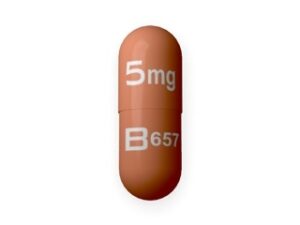

Provigil (Modafinil) — Patient-Friendly Guide (Australia)
Provigil is the brand name for modafinil, a medicine used to promote wakefulness in certain medical conditions. Many people know modafinil as a “wakefulness” treatment because it helps reduce excessive sleepiness. This guide explains how Provigil works, when it’s used, typical dosing approaches, common practical considerations (such as timing with meals), and key safety information for people in Australia.
Important: Always follow the advice provided by your healthcare professional and the information on the product packaging. Medicines can affect people differently.
Basic product information
| Category | Details |
|---|---|
| Active ingredient | Modafinil |
| Brand name | Provigil |
| Common forms | Oral tablets (strengths vary by market and product availability) |
| Therapeutic focus | Wakefulness promotion for specific sleep disorders and related conditions |
| Medicinal class (overview) | Wakefulness-promoting agent |
In Australia, modafinil products may be regulated and supplied according to local medicines legislation and guidance from Australian health authorities. Supply and eligibility can vary, so availability should be confirmed with the pharmacy before ordering.
How Provigil (modafinil) works (mechanism of action)
Provigil’s exact mechanism is not fully understood, but it is thought to promote wakefulness by influencing several brain pathways involved in arousal and alertness.
- Dopamine system effects (indirect): Modafinil may influence dopamine-related signalling, but it is not considered a direct “classic” stimulant in the same way as some other wakefulness medicines.
- Hypothalamic and orexin-related pathways: It may help stabilise sleep-wake regulation mechanisms.
- Reduced sleep pressure: Many people experience less perceived drowsiness and improved ability to stay awake.
What this means for you: Provigil is not designed to “make you energetic” in the same way as caffeine. Instead, it aims to address pathological excessive sleepiness associated with specific conditions.
Pharmacokinetics (how your body handles it)
Pharmacokinetics describes how the body absorbs, distributes, metabolises, and eliminates a medicine. Understanding this helps explain timing and interaction risks.
- Absorption: Modafinil is generally absorbed well after oral dosing.
- Peak effects: Blood levels typically rise after dosing; many people notice alertness during the day if taken appropriately.
- Half-life (duration): Modafinil has a relatively long half-life, which contributes to its “daytime” effect and possible lingering influence into the evening if taken too late.
- Metabolism: The liver metabolises modafinil through enzymatic pathways (notably involving CYP systems).
- Elimination: Metabolites are cleared mainly via the kidneys.
Practical implication: Because effects can last, careful timing is important to support sleep at night.
What Provigil is used for (indications)
Provigil is used to treat excessive sleepiness related to recognised sleep disorders. Indications can vary based on Australian regulatory status and clinical guidance. Common uses include:
- Obstructive sleep apnoea (OSA): For people with excessive daytime sleepiness, typically alongside appropriate treatment (such as CPAP where prescribed).
- Narcolepsy: For excessive daytime sleepiness and associated symptoms.
- Central sleep-related breathing disorders: In specific cases where excessive sleepiness is present due to central causes.
Key note: Provigil does not cure the underlying sleep disorder. It helps manage daytime sleepiness while other treatments address the underlying cause.
Typical use and timing
Provigil is generally taken once daily in the morning or earlier in the day to reduce the risk of disrupting sleep at night.
- Best time: Morning or early day (often within the first half of your waking day).
- Avoid late dosing: Taking it late can affect your ability to fall asleep, leading to short-term fatigue and long-term sleep disruption.
- Work schedule consideration: If you do shift work, some people are advised to align dosing with their “daytime” period; your healthcare professional can help you plan this.
Example timing:
- If you wake at 7:00 am and need alertness during the day, morning dosing is typically preferred.
- If you wake later or work nights, dosing may still need to avoid your main sleep period.
Dosing (general guidance)
Dosing should be individualised based on the condition being treated, age, other medical conditions, and potential medicine interactions. The following information is presented as general educational guidance.
- Start low and adjust: Many regimens begin at a lower dose and are adjusted if needed based on response and tolerability.
- Maximum daily dose: There is generally an upper limit to reduce the risk of side effects; your healthcare professional should determine your dose.
- Missed dose: If you miss a dose, do not double up. Take the next dose at the usual time.
How to take: Swallow the tablet with water. You may take it with or without food (see food section below for detailed considerations).
Food interactions and how to take with meals
Provigil can usually be taken with or without food. Food may not dramatically change effectiveness for most people, but individual tolerability can vary.
- Stomach comfort: If you feel nauseated, taking with food may help.
- Consistency: Taking it at the same time each day can improve predictability and reduce fluctuations in alertness.
- High-fat meals: While not typically a major concern, some people experience slightly different absorption rates with heavier meals. If you notice timing changes, choose a consistent eating pattern when possible.
Tip: If your morning appetite is low, consider taking it with a small snack and water rather than on an empty stomach—especially if you have a sensitive stomach.
Alcohol interactions
Modafinil is sometimes taken by people who also drink alcohol socially. However, combining alcohol with any wakefulness medicine can create safety issues because the combination may mask drowsiness while you still have impairment.
- Reduced sleep quality: Even if you feel more awake, alcohol can disrupt sleep architecture and reduce recovery at night.
- Impaired judgement and reaction time: Alcohol affects coordination and cognitive performance. Improved wakefulness does not reliably reverse these effects.
- Side effects overlap: Headache, dizziness, and nausea can occur with both alcohol and modafinil.
Practical approach: If you choose to drink, do so cautiously and avoid activities requiring full alertness (such as driving) after alcohol. Discuss your personal risk with a clinician.
Medicine interactions (including key interaction themes)
Modafinil can interact with other medicines because of how it is metabolised and because it may affect certain liver enzymes. This can change levels of other drugs or increase side-effect risk.
Common interaction themes
- Hormonal contraception: Some enzyme-modifying medicines can reduce the effectiveness of hormonal contraceptives. If you use the pill, patch, ring, or implant, ask your healthcare professional about reliable backup contraception.
- Antidepressants and anti-anxiety medicines: Depending on which ones you take, dose adjustments or monitoring may be required.
- Anticonvulsants (anti-seizure medicines): Enzyme-related interactions can affect seizure control or side effects.
- Anticoagulants and cardiovascular medicines: Interactions may alter drug levels. Close monitoring may be needed.
- Other stimulants (including caffeine/energy products): Combined use may increase anxiety, insomnia, palpitations, or headaches.
What to do
- Provide your pharmacy/doctor with a complete list of medicines, including over-the-counter products and supplements.
- Do not start or stop medicines without advice.
- If you experience new symptoms after a change in dose or medicine, seek guidance promptly.
Safety note: Interaction risk is highly individual. The most important step is to verify your specific regimen with a healthcare professional.
Safety profile and possible side effects
Most people tolerate Provigil reasonably well, but side effects can occur. The likelihood and type of side effects vary between individuals and doses.
Common side effects
- Headache
- Nausea or upset stomach
- Dry mouth
- Dizziness
- Insomnia or difficulty sleeping (especially if taken too late)
- Nervousness, irritability, or increased anxiety
- Reduced appetite
- Back pain or musculoskeletal discomfort (reported in some patients)
Less common but important warnings
- Skin reactions: Rare but serious skin reactions can occur with some medicines. Seek urgent medical care if you develop a widespread rash, blisters, peeling skin, or mouth sores.
- Allergic reactions: Stop and seek emergency help if you have difficulty breathing, facial swelling, or severe rash.
- Mood changes: Some people experience agitation, mood swings, or worsening anxiety. Discuss promptly if you notice significant emotional changes.
- Cardiovascular symptoms: Palpitations or chest discomfort should be assessed urgently.
Driving and machine use: Do not assume alertness equals safety. If you feel unwell, anxious, dizzy, or sleep deprived, avoid driving and operating machinery.
Practical use tips (making treatment safer and easier)
- Set a consistent schedule: Take it at the same time daily when possible.
- Protect your sleep: Keep a regular sleep routine; avoid late-night screens and caffeine close to bedtime.
- Start with attention to tolerance: If you’re sensitive to stimulation, you may benefit from lifestyle adjustments (hydration, reducing other stimulants).
- Stay hydrated: Dry mouth and headaches can be less frequent when you drink enough water.
- Limit other stimulants: Be cautious with energy drinks, high-dose caffeine, and pre-workout supplements.
- Track effects: Note sleep quality, headache frequency, anxiety levels, and daytime sleepiness to discuss with your healthcare professional.
- Plan for follow-up: If symptoms persist or side effects are bothersome, timely reassessment is important.
Alternative options (what else may be used)
Depending on the diagnosis (OSA, narcolepsy, or other causes of excessive sleepiness), alternatives may include:
- Sleep disorder treatments: For obstructive sleep apnoea, CPAP or other airway treatments remain central.
- Other wakefulness-promoting medicines: There are medicines with different mechanisms that may be considered by clinicians.
- Behavioural and lifestyle measures: Sleep hygiene, scheduled naps where appropriate, and treating contributing factors (e.g., shift-work patterns, sedating medications).
- Address underlying medical contributors: Anaemia, thyroid issues, medication side effects, and other conditions can worsen sleepiness.
Note: The best choice depends on your medical history, diagnosis, and other medicines you take. Discuss options with your healthcare professional.
Australia market and legal context (overview)
In Australia, medicines are regulated under the national framework overseen by government authorities. Wakefulness-promoting agents including modafinil may have specific prescribing, supply, and administrative requirements. These can include product classification, safety monitoring expectations, and documentation processes.
What this means for online purchasing: Availability can depend on stock status, required documentation, and eligibility criteria. A reputable pharmacy will be able to guide you on ordering steps and ensure the medicine is supplied in line with Australian requirements.
Quality assurance: Look for pharmacies that provide clear product information, batch/expiry details, and transparent delivery processes.
Recent guidance and important updates
Guidance for wakefulness medicines can evolve as new safety information, prescribing practices, and monitoring recommendations are reviewed. In Australia, clinicians may update their recommendations based on:
- New safety signals and adverse reaction monitoring
- Information about drug–drug interactions
- Updates from relevant Australian health authorities and professional bodies
- Changes to product availability or administrative requirements
Practical recommendation: When starting or changing dose, keep regular contact with your healthcare professional, especially if you’re on multiple medicines or have cardiovascular or psychiatric history.
Delivery and availability in Australia
Online pharmacies in Australia typically offer different delivery options depending on location and the pharmacy’s distribution network. Availability depends on:
- Current stock levels and distribution schedules
- Medicine strength and tablet form
- Any required patient verification or documentation processes
- Delivery address and courier service
What to expect:
- Clear product details (strength, quantity, expiry/batch information where applicable)
- Discrete packaging
- Tracking updates for shipped orders
- Support from pharmacy staff if there’s any uncertainty about ordering eligibility
Tip: Order early if you need your medicine around travel or work schedules. Consider delivery time and avoid running out—especially for daily wakefulness treatment.
FAQ — Provigil (Modafinil)
1) Is Provigil the same as modafinil?
Yes. Provigil is a brand of modafinil. Modafinil is the active ingredient.
2) When should I take Provigil?
Most people take Provigil in the morning or early in their waking day. Taking it too late may interfere with sleep at night due to its long-lasting effects.
3) Can I take Provigil with food?
Usually, yes. You can take it with or without food. If you experience nausea, consider taking it with a light meal or snack.
4) Will Provigil help me stay awake like a stimulant?
Provigil promotes wakefulness mainly in people with specific sleep-related conditions. While it can increase alertness, it is not a substitute for treating the underlying sleep disorder, and it doesn’t make alcohol or sleep deprivation “safe.”
5) Can I drink alcohol while taking Provigil?
It’s best to limit alcohol. Alcohol can worsen sleep quality and still impair coordination and judgement. Wakefulness medicines may mask drowsiness without correcting the harmful effects of alcohol.
6) What medicines commonly interact with modafinil?
Interaction risk depends on your full medication list. Modafinil can affect liver enzymes, which may change levels of other drugs. Hormonal contraception, certain antidepressants, anticonvulsants, anticoagulants, and other medications may require careful review.
7) What side effects should I watch for?
Common effects include headache, nausea, dry mouth, dizziness, and insomnia. Seek urgent medical care for signs of serious allergic reactions or concerning skin symptoms.
8) What should I do if I miss a dose?
Take it as soon as you remember only if it’s still appropriate for your schedule. If it’s close to your usual sleep time, skip and take the next dose at the regular time. Do not double up.
9) Can Provigil affect sleep?
Yes. Because it promotes wakefulness, late dosing can reduce your ability to fall asleep or decrease sleep quality.
10) Are there alternatives to Provigil?
Depending on your diagnosis, alternatives may include other wakefulness-promoting medicines or additional treatments for the underlying sleep disorder (such as CPAP for OSA), plus lifestyle strategies.
11) Is Provigil suitable for everyone?
No. Suitability depends on your medical history (including mental health, cardiovascular health), current medicines, and the diagnosis being treated. A healthcare professional can help determine whether it’s appropriate.
Disclaimer: This webpage provides general information about Provigil (modafinil) and is not a substitute for medical advice. If you have questions about dosing, interactions, or side effects—especially with other medications—please consult a healthcare professional.