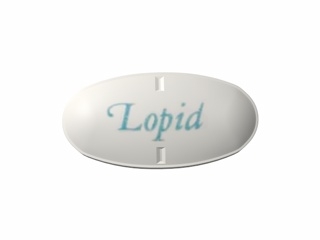
Lopid (Gemfibrozil) — Patient-Friendly Medicine Information (Australia)
Lopid is a brand of gemfibrozil, a medicine used to improve blood fat levels—particularly high triglycerides. It belongs to a group of medicines called fibrates. This page explains what Lopid is used for, how it works, how it’s taken, important safety information, and practical tips to help you use it safely.
Note: Medicine advice can differ from person to person. Always follow your healthcare professional’s instructions and the medicine label.
Basic product information
| Item | Details |
|---|---|
| Medicine name | Lopid (gemfibrozil) |
| Medicine type | Fibrate (lipid-regulating medicine) |
| Main role | Helps lower triglycerides and can raise HDL (“good” cholesterol) |
| How it is taken | Typically by mouth, with specific timing relative to meals (your prescriber may adjust) |
| Common availability in Australia | Availability may vary by brand and supply; online pharmacies may list current stock/ordering options |
How Lopid works (mechanism of action)
Lopid helps treat dyslipidaemia (abnormal blood fats). Its main actions include:
- Reducing triglyceride production in the liver.
- Increasing clearance of triglycerides by affecting pathways that break down circulating fats.
- Increasing HDL (high-density lipoprotein) modestly in many people.
In people with very high triglycerides, lowering triglycerides is particularly important because severe hypertriglyceridaemia increases the risk of pancreatitis (inflammation of the pancreas).
Pharmacokinetics (how the body handles gemfibrozil)
Pharmacokinetics describe how the medicine is absorbed, distributed, metabolised, and eliminated.
- Absorption: Gemfibrozil is absorbed after oral dosing. Food can influence how quickly it is absorbed, which is why timing with meals may be recommended.
- Distribution: It distributes into body tissues. It can bind to plasma proteins.
- Metabolism: Gemfibrozil is metabolised mainly by the liver.
- Elimination: Metabolites and some drug are removed mainly through the kidneys and other routes.
- Duration: The dosing schedule is designed to maintain effect while reducing side effects.
Practical takeaway: Because gemfibrozil’s effect depends on steady levels in the body, it’s important to take doses at the recommended times and not miss doses.
What Lopid is used for (indications)
Lopid is used for the treatment of certain lipid disorders, most commonly:
- High triglycerides (hypertriglyceridaemia), especially when levels are very high.
- Mixed dyslipidaemia in selected patients, as advised by a clinician.
In many cases, Lopid is used together with lifestyle measures such as diet changes, weight management, regular physical activity, and reducing alcohol intake where relevant.
Typical dosing and timing
Dosing can vary by your health profile, kidney and liver function, and other medicines you take. The information below is general and should not replace your prescribed directions.
Typical adult dosing (general guidance)
- Common regimens involve twice-daily dosing.
- Timing with meals: Many fibrate regimens include instructions to take doses before meals (or with meals), depending on the product instructions and your clinician’s advice.
How to take it
- Take each dose at the same times each day.
- Swallow tablets whole with water.
- If you miss a dose, take it when you remember unless it is close to the next scheduled dose. Don’t double up.
Important: Always check your specific packaging instructions for the exact timing guidance.
Food interactions and meal timing
Gemfibrozil absorption and tolerance may be influenced by food. For this reason, product instructions often recommend specific timing (for example, before meals for some regimens).
- Follow the “with” or “before” meals instruction on your package or as directed by your healthcare professional.
- If you have stomach upset, talk to your healthcare professional. Do not change timing unless you confirm it’s appropriate for your regimen.
Alcohol interactions
Alcohol can significantly affect triglyceride levels. In people with high triglycerides, alcohol may:
- Increase triglycerides, potentially reducing the benefit of lipid-lowering therapy.
- Increase the risk of pancreatitis when triglycerides are very high.
General advice: Limit or avoid alcohol, especially if your triglycerides are elevated. If you’re unsure what’s safe for you, ask your clinician.
Interactions with medicines
Drug interactions are important with gemfibrozil due to its effects on metabolism and transport processes in the body. Some combinations can significantly increase risk of adverse effects.
Medicines to be cautious with (high-risk interaction categories)
- Statins (cholesterol medicines): Combining gemfibrozil with certain statins can increase the risk of muscle injury (myopathy/rhabdomyolysis). This risk is well recognised, and combination therapy should only be used if specifically advised by a clinician with appropriate monitoring.
- Blood thinners (anticoagulants), e.g. warfarin: Gemfibrozil can increase anticoagulant effects, raising bleeding risk.
- Some diabetes medicines: Altered glucose control may occur in some patients; monitoring may be needed.
- Other lipid-lowering medicines: Additional lipid therapies may alter side-effect risk.
- Immunosuppressants and certain antivirals/antifungals: Interactions may affect gemfibrozil or the other medicine levels.
Tell your healthcare professional if you take
- All prescription medicines
- Over-the-counter medicines
- Herbal supplements (for example, St John’s wort or other products that affect liver enzymes)
Safety tip: Keep an up-to-date list of your medicines and show it whenever you see a clinician or pharmacist.
Safety profile: important warnings and side effects
Most people tolerate gemfibrozil well, but side effects can occur. Some adverse reactions require urgent medical attention.
Common side effects
- Stomach upset (nausea, abdominal discomfort)
- Headache
- Diarrhoea or constipation
- Fatigue
Less common but serious risks
- Muscle toxicity: Rarely, gemfibrozil can cause muscle pain, weakness, or more severe muscle damage—especially when combined with interacting medicines (notably some statins).
- Gallbladder problems: Fibrates can increase the risk of gallstones or related symptoms.
- Liver enzyme changes: Liver function may need monitoring.
- Blood count or kidney effects: Changes may occur in some patients.
- Pancreatitis risk: This is most often related to very high triglycerides and alcohol; however, severe illness should be discussed promptly.
Seek urgent medical help if
- Severe muscle pain, tenderness, weakness, or dark/tea-coloured urine
- Yellowing of skin/eyes (jaundice), severe fatigue, or persistent upper abdominal pain
- Signs of gallbladder trouble: severe right upper abdominal pain, fever, nausea/vomiting
- Signs of serious allergic reaction: swelling of face/lips, difficulty breathing, widespread rash
Do not stop the medicine suddenly without guidance unless you’re advised to do so due to a serious adverse reaction. Your clinician can advise next steps.
Practical use tips for patients
- Take it consistently: Use a reminder system so doses don’t get missed.
- Keep lifestyle measures going: Medication works best alongside diet and lifestyle changes.
- Monitor your blood tests: Your clinician may check triglycerides and cholesterol, plus liver and kidney function.
- Watch for symptoms early: If you notice unusual muscle aches or abdominal pain, contact your clinician promptly.
- Confirm interaction risks: Ask a pharmacist before starting new medicines, including over-the-counter products and supplements.
- Stay hydrated: Especially if you experience vomiting/diarrhoea or have kidney concerns.
Recent guidance and clinical considerations (Australia)
In Australia, lipid management generally follows evidence-based guidance with emphasis on:
- Assessing overall cardiovascular risk and treating with appropriate therapies.
- Managing triglycerides to reduce pancreatitis risk when levels are very high.
- Lifestyle first (dietary changes, weight management, physical activity, limiting alcohol).
- Careful selection of medicines and monitoring due to interaction risks, particularly for fibrates combined with other lipid-lowering agents.
Clinical decisions can depend on your age, diabetes status, kidney function, other cardiovascular conditions, and the specific lipid pattern (triglycerides vs LDL cholesterol vs mixed dyslipidaemia). For these reasons, the appropriateness of gemfibrozil and its exact regimen can vary between patients.
Important reminder: Guidance can evolve. If you have questions about whether gemfibrozil remains suitable for you, discuss it with your clinician or pharmacist.
Alternative options to Lopid (gemfibrozil)
Depending on your lipid results and health profile, alternatives may include:
- Other fibrates (e.g., fenofibrate) — may be considered in some situations.
- Omega-3 fatty acids (including prescription-strength formulations in some cases) — can lower triglycerides.
- Statins — primarily lower LDL cholesterol and reduce cardiovascular risk (selection depends on your lipid profile and risk).
- Niacin — used in selected cases depending on tolerance and guideline support.
- Lifestyle interventions — including reduced refined carbohydrate intake, weight loss, exercise, and limiting or stopping alcohol to lower triglycerides.
Some alternatives may be safer or more effective for particular patients. Your clinician can recommend the best option based on your triglyceride level, kidney function, and co-morbidities.
Market and legal context for Australia (overview)
In Australia, medicines are regulated under the Therapeutic Goods Administration (TGA). Supply, labelling, and distribution requirements are designed to support safety and quality.
Lipid-lowering medicines are typically used under appropriate clinical oversight, especially where drug interactions, liver function monitoring, and muscle toxicity risk may be relevant. Availability through pharmacies can vary depending on formulation and current supply arrangements.
Online pharmacies in Australia generally operate under relevant state and federal rules, including requirements for pharmacist involvement, product authenticity checks, and safe dispensing practices.
Delivery and availability (online pharmacy considerations)
Availability of Lopid (gemfibrozil) may vary by manufacturer stock levels. When ordering online, you can usually expect:
- Product confirmation: The pharmacy checks the correct product/strength before dispatch.
- Secure packaging: Tablets should be protected from moisture and handled as per store requirements.
- Delivery timelines: Delivery times depend on your location and the pharmacy’s dispatch schedule.
- Substitution policies: Substitutions (if allowed) should only occur in line with Australian pharmacy and medicine supply rules. Some pharmacies may require clinician confirmation for substitutions.
If you need the medicine urgently or have run-out concerns, contact the pharmacy directly so they can advise on current stock and estimated dispatch/delivery times.
FAQ: common questions about Lopid (gemfibrozil)
1) What does Lopid treat?
Lopid (gemfibrozil) is used to help manage certain lipid disorders, most notably high triglycerides. It may also be used for mixed dyslipidaemia in selected patients.
2) When will my triglycerides improve?
Many people see changes in lipid levels over a period of weeks. Your clinician may schedule follow-up blood tests to assess how well the medicine is working and whether any dose adjustments are needed.
3) Should I take Lopid with food?
Often, gemfibrozil is recommended to be taken before meals (or with specific meal timing) depending on the product instructions. Follow the directions on your packaging or from your healthcare professional.
4) Can I drink alcohol while taking Lopid?
It’s generally recommended to limit or avoid alcohol, especially if your triglycerides are high, because alcohol can increase triglycerides and raise pancreatitis risk.
5) Are there interactions with statins?
Yes. Combining gemfibrozil with certain statins can significantly increase risk of serious muscle problems. If you take a statin (or are starting one), discuss it promptly with your pharmacist or clinician.
6) What side effects should I watch for?
Common effects include stomach upset and headache. Seek urgent medical help for severe muscle pain/weakness, signs of gallbladder trouble, jaundice, or symptoms of serious allergy.
7) What if I miss a dose?
Take it when you remember unless it’s near your next dose. Don’t double up. If you’re unsure, ask a pharmacist.
8) Do I still need diet and exercise if I take Lopid?
Yes. Medication supports treatment, but lifestyle changes are crucial for best results and for long-term cardiovascular and metabolic health.
9) Who should take extra care when using Lopid?
People with kidney or liver problems, those taking interacting medicines (especially some lipid-lowering and blood-thinning drugs), and those who have previously had gallbladder issues or muscle symptoms should be monitored more closely.
10) Is Lopid suitable for everyone?
No. Suitability depends on your medical history, current medicines, kidney and liver function, and your lipid profile. A pharmacist or clinician can help assess risk and benefits.
Summary
Lopid (gemfibrozil) is a fibrate medicine used mainly to reduce high triglycerides and improve certain blood fat patterns. It works by affecting how the body produces and clears triglycerides. Because gemfibrozil can interact with other medicines and may affect liver, muscle, and gallbladder health, safe use requires:
- Taking doses at the recommended times relative to meals
- Being cautious with alcohol and interacting medicines
- Watching for symptoms such as muscle pain or abdominal pain
- Keeping up with blood test monitoring as advised
If you have questions about your specific situation—such as how to take your doses, what interactions to check, or what monitoring you need—speak with a pharmacist or healthcare professional in Australia.