Tricor (Fenofibrate) – Patient-Friendly Guide (Australia)
Tricor is a brand of fenofibrate, a medicine used to help improve certain blood fats (lipids), particularly triglycerides. It may also help raise HDL (often called “good cholesterol”) and lower LDL (“bad cholesterol”) in some people.
This guide explains how Tricor works, how it’s used, important interactions (including with alcohol and other medicines), and practical tips to help you use it safely and effectively in everyday life in Australia.
Quick facts
- Active ingredient: Fenofibrate
- Common uses: High triglycerides (and mixed dyslipidaemia in selected cases)
- How it’s taken: Usually once daily for many formulations; follow your specific dose instructions
- Key benefits: Lowers triglycerides; can improve lipid profile
- Important checks: Liver function tests, kidney function, and symptoms of muscle problems
Basic product information
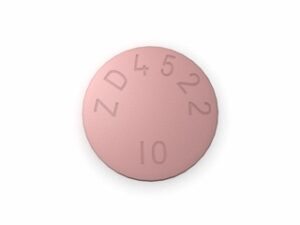
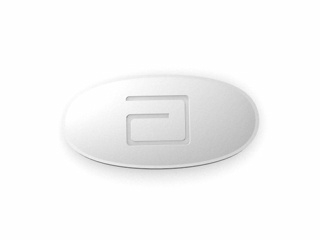
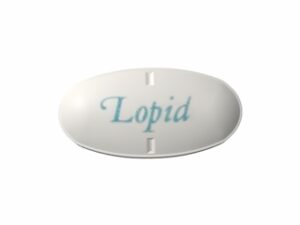
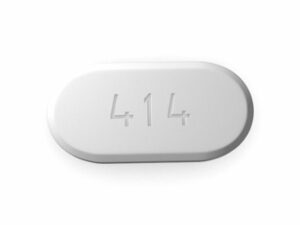
Tricor contains fenofibrate, part of a drug class called fibrates. In Australia, Tricor is commonly supplied in tablet form. The exact strength and dosing schedule depend on the specific product formulation.
Important note: Always use the strength and directions on your medicine packaging or as provided by your healthcare professional.
How Tricor is supplied
- Tablets (various strengths depending on product and brand/formulation)
- Typically taken by mouth, with a consistent daily routine
How Tricor works (mechanism of action)
Fenofibrate works mainly by activating a cell signalling pathway known as PPAR-α (peroxisome proliferator–activated receptor alpha). This influences how the body handles fats (lipids), including:
- Reducing triglycerides: Fenofibrate increases the breakdown of triglyceride-rich lipoproteins and helps improve their clearance.
- Improving lipid composition: It can shift lipid balance by affecting production and breakdown of lipoproteins.
- Increasing HDL in many people: It may raise HDL (“good cholesterol”) modestly.
While Tricor improves lab values, it does not replace lifestyle measures such as a heart-healthy eating plan, regular physical activity, stopping smoking where applicable, and blood sugar control if you have diabetes.
Pharmacokinetics (how the body processes it)
“Pharmacokinetics” describes how the body absorbs, distributes, metabolises, and eliminates a medicine. For fenofibrate, the key points typically include:
- Absorption: Fenofibrate is absorbed after oral dosing. Absorption may be improved when taken with food (see “Food interactions”).
- Conversion/metabolism: Fenofibrate is metabolised to active forms; the details vary by formulation.
- Elimination: Clearance is influenced by kidney function. This is why renal monitoring matters.
- Duration of effect: Many formulations are designed for once-daily dosing based on how long drug levels remain in the body.
Your response to treatment (how quickly triglycerides change, for example) can vary. Lipid levels are usually rechecked after starting therapy, and then periodically to ensure the medicine is working as expected.
What Tricor is used for (indications)
Tricor is used to manage elevated blood fats, especially:
- High triglycerides (hypertriglyceridaemia), particularly when triglycerides are high enough to increase risk of complications
- Mixed dyslipidaemia in selected people, often when triglycerides remain high despite other measures
Your clinician may recommend Tricor based on your specific lipid profile, overall cardiovascular risk, and other health conditions (for example, diabetes, kidney disease, or alcohol use).
Typical dosing and timing
Dosing depends on the exact Tricor formulation (tablet strength and whether it’s designed for once-daily use). In general, fenofibrate is taken on a consistent schedule.
General guidance (not a substitute for your prescribed instructions)
- Timing: Often taken once daily.
- With food: Many people are advised to take fenofibrate with meals to support absorption and reduce stomach upset.
- Consistency: Try to take it around the same time each day.
- Monitoring: Lipid levels, kidney function, and liver tests may be checked periodically.
Missed dose
If you miss a dose, take it when you remember unless it’s close to the time for your next dose. Do not take extra to “catch up.” If unsure, follow the instructions on your product label or ask your pharmacist.
Food interactions (taking Tricor with meals)
Food can affect how well fenofibrate is absorbed. Many fenofibrate formulations are recommended to be taken with food (commonly with a meal) to improve absorption and tolerability.
- Take with a meal or as directed: This is especially relevant if you notice your doctor or pharmacist has advised “with food.”
- Skip-day habits: Avoid taking it inconsistently (e.g., sometimes with food and sometimes without) unless advised.
If you experience stomach upset, taking it with a meal may help. Persistent side effects should be discussed with a healthcare professional.
Alcohol interactions
Alcohol can worsen triglyceride levels in many people and may increase the risk of liver-related side effects. Tricor is often used in people who may already have raised triglycerides, so alcohol can be particularly relevant.
Practical alcohol advice
- Limit or avoid alcohol where possible, especially if you have very high triglycerides or fatty liver.
- Watch for symptoms: Upper abdominal discomfort, unusual fatigue, or yellowing of the skin/eyes should be assessed promptly.
- Discuss your situation: If you drink regularly or have liver disease, ask your pharmacist/doctor for personalised advice.
There is no single “safe” alcohol amount that applies to everyone on fenofibrate. Your best plan depends on your triglyceride level, liver health, and other medicines.
Medicine interactions (including important combinations)
Interactions can change how medicines work or increase side effects. Tell your pharmacist or clinician about all medicines you take, including over-the-counter products, herbal supplements, and vitamins.
Key interaction categories
| Medicine/Category | Why it matters | What to do |
|---|---|---|
| Statins (e.g., simvastatin, atorvastatin, rosuvastatin) | Combined therapy may increase the risk of muscle-related side effects (myopathy/rhabdomyolysis). | Monitor for muscle pain/weakness; report symptoms early. Your clinician may choose appropriate doses and monitoring. |
| Warfarin (and other coumarin anticoagulants) | Fenofibrate can affect clotting control in some people, potentially increasing bleeding risk. | More frequent blood clotting (INR) checks may be needed after starting or changing fenofibrate. |
| Other lipid-lowering agents (e.g., bile acid resins, ezetimibe where applicable) | May alter lipid management strategy and sometimes increase side effect burden depending on regimen. | Take medicines as directed; your clinician will determine the best combination and timing. |
| Immunosuppressants or medicines affecting the immune system | May influence adverse-effect risk depending on your overall regimen. | Discuss all medicines with your pharmacist; monitoring may be recommended. |
| Kidney-impacting medicines | Because fenofibrate is influenced by kidney function, drugs that affect kidneys may change exposure. | Ensure kidney function monitoring is up to date; ask if dose adjustment is needed. |
| Diabetes medicines (e.g., insulin, metformin, sulfonylureas) | Lipid changes and overall metabolic health can vary; hypoglycaemia risk depends on regimen. | Monitor glucose as advised, especially after lifestyle changes or medicine adjustments. |
This list is not exhaustive. Always confirm interactions with your pharmacist, especially if you use a combination of lipid-lowering medicines or take blood thinners.
Safety profile (what to watch for)
Like all medicines, fenofibrate can cause side effects. Many people tolerate it well, but certain effects require prompt attention.
Commonly reported side effects
- Stomach discomfort, nausea, or indigestion
- Headache
- Mild changes in liver or kidney blood test results
Serious side effects – seek medical advice urgently
- Muscle pain, tenderness, weakness (especially if severe or accompanied by fever or dark urine).
- Signs of liver problems: yellow skin/eyes (jaundice), persistent upper abdominal pain, severe fatigue, dark urine.
- Allergic reactions: swelling of face/lips, rash with breathing difficulty, or sudden severe rash.
- Unexplained bruising or bleeding if you take blood thinners (for example, warfarin).
Who should be extra cautious
- People with kidney disease or reduced kidney function
- People with liver disease or persistently abnormal liver tests
- People who drink alcohol regularly or have very high triglycerides
- People taking medicines that increase muscle risk (e.g., certain statins)
Practical use tips for everyday life
- Keep your monitoring appointments: Blood tests help ensure safety and effectiveness.
- Follow a lipid-lowering lifestyle: Reduce refined carbohydrates and sugary drinks if triglycerides are high; limit saturated and trans fats.
- Maintain a consistent routine: Take your dose at the same time each day.
- Know the warning signs: Muscle pain/weakness and liver symptoms should not be ignored.
- Hydrate sensibly: If you have kidney concerns or are on multiple medicines, adequate hydration may help general health (follow your clinician’s advice).
- Keep a list of your medicines: Show it to your pharmacist when renewing Tricor.
How long it takes to work
Lipid changes may occur within weeks. Your clinician may recheck lipid levels after starting treatment to see whether the dose and approach are appropriate. If triglycerides were very high, improving them promptly can be an important goal.
Do not stop or change your regimen without advice—lipid management often needs ongoing treatment and lifestyle changes.
Alternative options
Depending on your lipid profile and medical history, your healthcare professional may consider alternatives or additional treatments. Alternatives may include:
- Statins (primarily for lowering LDL and cardiovascular risk reduction)
- Omega-3 fatty acids (used in some cases to lower triglycerides)
- Ezetimibe (often used to lower LDL cholesterol)
- Combination therapy (individualised based on triglycerides, LDL, HDL, and risk)
- Lifestyle-focused strategies (dietary adjustments, weight management, exercise, improved glucose control)
The “best” alternative depends on whether your main issue is triglycerides, LDL, or overall cardiovascular risk. Only your clinician can determine the most suitable approach for you.
Australia: market and legal context
In Australia, medicines like Tricor are supplied within a regulatory framework designed to protect consumers. Availability and supply can vary depending on the medicine category and state/territory requirements.
When purchasing online, ensure:
- The product listing matches the exact strength and formulation you use.
- Your pharmacy site requires appropriate safety checks and offers reputable information.
- Delivery and storage instructions are followed (for example, maintaining suitable room temperature as directed on the pack).
Always consult the Australian Register of Therapeutic Goods (ARTG) information (or your pharmacist) if you have questions about brand/formulation availability.
Recent guidance and monitoring (what you may be advised)
Lipid management guidance in Australia is generally aligned with national and international clinical recommendations, emphasising:
- Assessing cardiovascular risk and addressing lifestyle factors
- Using appropriate medication for the specific lipid abnormality (for example, triglycerides vs LDL)
- Monitoring safety where fibrates are used
- Checking kidney and liver function, particularly in higher-risk groups
- Being cautious with combinations that increase muscle risk (notably certain statin–fibrate regimens)
Your clinician may adjust your treatment plan based on new lipid results, changes in kidney/liver function, and any side effects.
Delivery and availability (online pharmacy considerations)
Tricor may be available via reputable online pharmacies in Australia, depending on stock levels and formulation. Delivery time varies by location and dispatch schedule.
What to expect
- Packaging: Tablets should arrive in intact manufacturer packaging.
- Storage: Follow the storage instructions on the carton (generally keep at room temperature unless stated otherwise).
- Dispatch: Confirm estimated dispatch and delivery timelines at checkout.
- Refills: Some pharmacies offer automatic reminders for reordering.
If you’re starting Tricor for the first time, allow time for blood tests and follow-up review. If you’re switching brands or strengths, ask your pharmacist to confirm the equivalence and correct dosing.
FAQ
1) What does Tricor help with?
Tricor (fenofibrate) helps improve blood fat levels, particularly high triglycerides. It can also improve parts of your overall lipid profile.
2) How should I take Tricor?
Take it once daily (for many formulations) and follow the exact directions on your product label. Many people are advised to take fenofibrate with food. Use a consistent daily routine.
3) Will Tricor cure high cholesterol or triglycerides?
Triglycerides and cholesterol often require ongoing management. Tricor works while you continue treatment alongside lifestyle measures.
4) How long does it take to see results?
Some lipid changes may be seen within weeks. Your clinician typically checks blood tests after starting therapy to assess response and safety.
5) Can I drink alcohol while taking Tricor?
It’s best to limit alcohol, especially if triglycerides are high or you have liver concerns. Alcohol can worsen triglycerides and may increase liver-related risk. Discuss your alcohol intake with your pharmacist or doctor.
6) What side effects should make me stop and get help?
Seek urgent advice if you develop: severe muscle pain/weakness, signs of liver problems (yellow eyes/skin, severe fatigue, dark urine), or symptoms of a serious allergic reaction.
7) Are there interactions with statins?
Using fenofibrate with certain statins can increase the risk of muscle problems. If you take both, your clinician may require extra monitoring and you should report muscle symptoms promptly.
8) Does Tricor affect kidney function?
Fenofibrate exposure is influenced by kidney function, and it may change kidney-related blood test results in some people. Regular kidney monitoring helps ensure safe use.
9) What if I miss a dose?
Take it when you remember unless it’s close to your next dose. Don’t take double doses. If unsure, consult your pharmacist.
10) What lifestyle changes work alongside Tricor?
For triglycerides, lifestyle measures often include reducing sugary foods/drinks and refined carbohydrates, limiting alcohol, maintaining a healthy weight, eating a heart-healthy diet, and exercising regularly. If you have diabetes, keeping glucose controlled can also help.
11) What are my alternatives if Tricor isn’t suitable?
Alternatives may include statins, omega-3 fatty acids, ezetimibe, or other lipid strategies depending on your specific lipid abnormalities and risk factors. A personalised plan is important.
Important: Information on this page is general and may not cover every situation. If you have questions about dosing, interactions, or side effects, speak with a pharmacist or healthcare professional and review the consumer medicine information (CMI) included with your product.