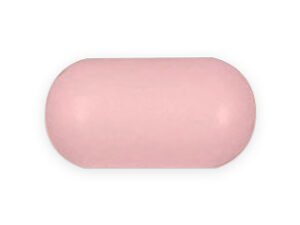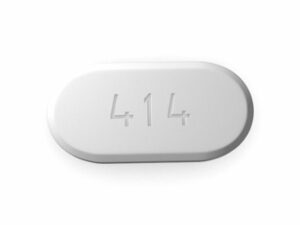
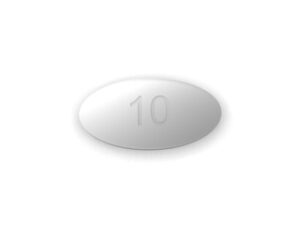
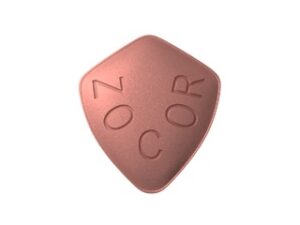
Simvastatin (e.g., brand options include Zocor and generics) — Patient Guide for Australia
Simvastatin is a cholesterol-lowering medicine belonging to the statin class. It is commonly used in adults to help reduce the risk of heart disease and stroke by lowering “bad” cholesterol (LDL) and improving overall cholesterol balance. This guide is designed to be patient-friendly and to explain how simvastatin works, how it’s typically taken, important interactions, and practical tips for safe use in Australia.
Important: Medication advice should always be tailored to you. If you’re unsure whether simvastatin is suitable for your situation, discuss with a healthcare professional.
Basic product information
- Medicine name: Simvastatin
- Medicine type: Statin (lipid-modifying medicine)
- Common strengths: 5 mg, 10 mg, 20 mg, 40 mg (strength varies by brand and formulation)
- How it’s taken: By mouth (tablets)
- Typical dosing frequency: Once daily (often in the evening)
- Therapeutic aim: Lower LDL cholesterol and reduce cardiovascular risk
How simvastatin works (mechanism of action)
Simvastatin lowers cholesterol by blocking an enzyme in the liver called HMG-CoA reductase. This enzyme plays a key role in the body’s cholesterol production.
When simvastatin reduces cholesterol production in the liver:
- The liver increases the number of LDL receptors on its surface
- More LDL cholesterol is removed from the bloodstream
- Blood levels of total cholesterol and triglycerides often decrease
- HDL (“good” cholesterol) may increase slightly
Beyond cholesterol lowering, statins may stabilise plaque and reduce inflammation in blood vessels, contributing to lower rates of heart attack and stroke in eligible patients.
Pharmacokinetics (how the body handles simvastatin)
Understanding pharmacokinetics can help you take simvastatin correctly and appreciate why certain interactions matter.
- Absorption: Simvastatin is absorbed after oral administration, but its overall active effect depends on metabolism.
- Metabolism: Simvastatin is metabolised mainly in the liver, especially by the enzyme CYP3A4.
- Active form: Simvastatin is a prodrug; it is converted into active metabolites.
- Half-life: The overall clinical effect lasts longer than the parent drug level because active metabolites contribute.
- Distribution and excretion: Metabolites are eliminated mainly via the bile into the gastrointestinal tract, with some elimination through the urine.
Why this matters: Drugs or foods that affect CYP3A4 can change simvastatin levels in the body. Higher simvastatin exposure may increase the risk of muscle-related side effects (myopathy/rhabdomyolysis).
Typical use: what simvastatin is prescribed for
Simvastatin is used to lower cholesterol and reduce the likelihood of cardiovascular events such as:
- Heart attack and related complications
- Stroke and transient ischaemic attacks (TIAs) in at-risk individuals
- Need for procedures to restore blood flow (as part of an overall risk-reduction plan)
Simvastatin may also be used in certain people with high cholesterol levels or inherited lipid disorders, depending on clinical assessment and treatment goals.
Indications (who may benefit)
Indications can vary by dose and individual factors, but commonly include:
- Primary prevention of cardiovascular disease in people at increased risk
- Secondary prevention in people who already have cardiovascular disease (e.g., prior heart attack, angina, stroke, or documented atherosclerotic disease)
- Hypercholesterolaemia (high LDL cholesterol) when lifestyle measures are not enough
- Other specialist lipid management uses based on clinical guidelines
Final indication and eligibility depend on your cholesterol profile, medical history, and risk factors.
How to take simvastatin: timing, with or without food
Many statins—including simvastatin—are commonly taken in the evening because cholesterol production in the body tends to be higher at night.
Typical timing
- Often taken: once daily in the evening (e.g., with dinner or before bed)
- Consistency matters: Try to take it at the same time each day
With or without food
Simvastatin can generally be taken with or without food. Taking it with food may help with tolerability for some people, but follow your specific product instructions and your healthcare professional’s advice.
If you miss a dose: Take it when you remember unless it’s close to the time of your next dose. Do not take a double dose to make up for a missed tablet.
Food interactions: grapefruit and other relevant foods
Grapefruit (and grapefruit juice) should be avoided or used with extreme caution when taking simvastatin. Grapefruit can increase simvastatin levels by affecting CYP3A4 activity, raising the risk of muscle side effects.
Other foods may also affect drug metabolism, but the most widely recognised dietary interaction with simvastatin is grapefruit.
- Avoid: grapefruit juice
- Be cautious: large or concentrated amounts of citrus products marketed as containing grapefruit components
- Check labels: some mixed fruit juices may contain grapefruit
Alcohol interactions and considerations
Alcohol does not directly interact with simvastatin in the same way grapefruit does, but alcohol can influence liver health. Since simvastatin is processed by the liver:
- Heavy or regular alcohol intake may increase the risk of liver problems.
- If you drink alcohol, aim for moderation and follow advice from your healthcare team.
- Report symptoms that could signal liver issues (e.g., unusual fatigue, dark urine, yellowing of eyes/skin, persistent nausea).
If you have liver disease or significantly elevated liver enzymes, your healthcare professional may adjust therapy or monitor more closely.
Medicine interactions: what to watch for
Certain medicines can raise simvastatin levels or increase the risk of muscle injury. Some interactions are well-established and require dose adjustment, alternative therapy, or close monitoring.
High-risk interaction examples (CYP3A4 and other mechanisms)
- Strong CYP3A4 inhibitors (examples include some antifungals and certain antibiotics) may substantially increase simvastatin exposure.
- Some HIV medicines can also interact via CYP pathways.
- Cyclosporine may increase simvastatin risk and often requires avoidance or careful limits.
- Gemfibrozil (a lipid-lowering agent) increases the risk of muscle problems when combined with statins.
- Other fibrates may increase risk depending on the specific agent and dose.
- Amiodarone and certain other medicines may increase statin exposure and myopathy risk.
Do not start or stop medicines (including “natural” products) without checking interactions. Herbal supplements can also affect liver enzymes and drug transport.
Additional interaction considerations
- Anticoagulants (warfarin and similar): Statins can sometimes affect bleeding risk by influencing clotting parameters. If you take blood thinners, your healthcare team may request more frequent monitoring.
- Other lipid medicines: Combining cholesterol medicines may be appropriate in selected cases, but it must be done with careful monitoring.
- Niacin: Some combinations can increase adverse muscle effects.
Practical tip: Keep an up-to-date list of all medicines and supplements you take and review it with your pharmacist or doctor whenever anything changes.
Dosing: typical adult regimens and dose adjustment
Simvastatin dosing depends on your cholesterol levels, cardiovascular risk, age, kidney function, and whether interacting medications are being used.
Common approach
- Starting dose: Often 10 mg to 20 mg once daily (exact starting dose varies)
- Titration: Your healthcare professional may adjust the dose after checking lipid levels (commonly after several weeks)
- Maintenance dose: The effective dose is the lowest dose that achieves your treatment goals with acceptable safety
Important dose safety note
Higher simvastatin doses generally carry a greater risk of muscle side effects, especially when used with interacting medications. Your clinician may limit the maximum dose depending on your other medicines and risk factors.
Do not adjust your dose without medical guidance. If you feel unwell or develop muscle pain, contact a healthcare professional promptly.
Safety profile: side effects and when to seek help
Most people tolerate simvastatin well. However, like all medicines, it can cause side effects. Knowing what’s normal and what requires urgent attention helps keep treatment safe.
Common or mild side effects
- Headache
- Stomach upset, nausea, constipation or diarrhoea
- Muscle soreness can occur in some people (mild aches without weakness)
Serious side effects (seek medical attention)
Call your doctor urgently or seek immediate care if you develop:
- Severe muscle pain, tenderness, or weakness—especially with fever or feeling very unwell
- Dark, cola-coloured urine (possible rhabdomyolysis)
- Signs of liver problems such as yellowing of the skin/eyes, severe persistent nausea/vomiting, right upper abdominal pain, or marked unusual fatigue
- Allergic reactions (e.g., swelling of face/lips, difficulty breathing, widespread rash)
Monitoring while on simvastatin
Your healthcare professional may do:
- Blood lipid tests (to confirm cholesterol lowering)
- Liver blood tests (especially if there are symptoms or risk factors)
- Creatine kinase (CK) if muscle symptoms occur
Practical use tips for everyday life
- Take it consistently: Try to make it part of a daily routine (e.g., dinner time or before bed).
- Avoid grapefruit: Choose alternatives to grapefruit juice.
- Know your medicines: Check the “interaction” section in your pharmacist’s advice and keep your medicine list updated.
- Report muscle symptoms early: Don’t “push through” severe muscle pain.
- Maintain lifestyle changes: Statins work best alongside healthy eating, regular physical activity, weight management, and smoking cessation (if relevant).
- Stay hydrated: Adequate fluids may support overall muscle health.
- Be cautious with new supplements: Some supplements may affect liver metabolism or increase side effect risk.
Recent guidance and clinical context in Australia
In Australia, cholesterol management is guided by clinical practice guidelines and Therapeutic Goods Administration (TGA) information for safety and prescribing. Current evidence supports the use of statins for people at increased cardiovascular risk, with treatment decisions based on:
- Baseline LDL cholesterol and overall cardiovascular risk
- Presence of established cardiovascular disease (secondary prevention)
- Risk factors such as diabetes, smoking, kidney disease, hypertension, and family history
- Medication tolerability and interaction potential
Clinicians regularly review cholesterol targets and adjust therapy as needed. If you experience side effects or have medication changes (particularly interacting drugs), it may be appropriate to switch to a different statin or adjust the dose.
Alternative options: other statins and non-statin choices
If simvastatin isn’t suitable due to interactions, side effects, or insufficient cholesterol reduction, your healthcare professional may consider alternatives. Common options include:
Other statins
- Atorvastatin
- Rosuvastatin
- Pravastatin (often has fewer CYP3A4 interactions)
Non-statin lipid-lowering medicines
- Ezetimibe (reduces cholesterol absorption)
- PCSK9 inhibitors (injections for certain patients at high cardiovascular risk)
- Bile acid sequestrants (selected cases)
- Other agents depending on lipid disorder type and availability
The best alternative depends on your cholesterol pattern, response to statins, tolerance, and risk level.
Delivery and availability in Australia
Simvastatin is widely available in Australia, typically in tablet form and in generic versions. Availability may vary by strength and manufacturer.
When ordering online, common delivery expectations include:
- Discreet packaging (where permitted by the supplier)
- Shipping timeframes that depend on your location and order processing times
- Cold-chain handling is generally not required for tablets (unless a specific product states otherwise)
- Stock availability may affect the exact brand or strength supplied (generics may be substituted if allowed)
Always check the product strength and instructions on the packaging before taking a dose.
Market/legal context for Australia (high-level)
In Australia, medicines are regulated under the Therapeutic Goods Act and managed through the Therapeutic Goods Administration (TGA). Statins such as simvastatin are listed and regulated according to evidence of quality, safety, and efficacy.
Online pharmacies must comply with Australian regulations, including requirements around:
- Appropriate supply processes
- Clear consumer medicines information
- Safety checks (including medicine interactions and suitability information)
- Accurate labelling and dispensing to match the requested product
Supply and continuing use should follow the guidance of Australian healthcare professionals.
FAQ: Simvastatin for patients
1) When should I take simvastatin?
It is usually taken once daily in the evening. Choose a consistent time that fits your routine. If your doctor/pharmacist provided different instructions, follow those.
2) Can I take simvastatin with food?
Yes. Simvastatin can generally be taken with or without food. If you notice stomach upset, taking it with a meal may help.
3) What happens if I miss a dose?
Take it when you remember unless it’s close to your next dose. Do not double up to make up for the missed tablet.
4) Can I drink alcohol while taking simvastatin?
Moderation is generally advised. Heavy or regular alcohol intake may increase liver risk. If you drink, discuss safe limits with a healthcare professional, especially if you have liver disease.
5) Is grapefruit really a problem?
Yes. Grapefruit and grapefruit juice are a major interaction risk with simvastatin because they can increase simvastatin levels. It’s best to avoid them.
6) What medicines should I tell my pharmacist about?
Tell them about all medicines and supplements, especially those for cholesterol, infections (including certain antibiotics and antifungals), HIV, blood pressure/heart conditions, and blood thinners.
7) What muscle symptoms should worry me?
Mild muscle aches can happen, but you should seek urgent medical advice if you develop severe muscle pain/weakness, tenderness, or dark urine, or if you feel very unwell.
8) Will simvastatin cure my high cholesterol?
Simvastatin helps control cholesterol and reduces cardiovascular risk, but it doesn’t “cure” the underlying tendency. Ongoing treatment plus lifestyle measures is typically needed.
9) How long does it take to work?
Cholesterol levels typically start improving within a few weeks. Your clinician may recheck blood tests to confirm you’re reaching goals.
10) Are there alternatives if I can’t tolerate simvastatin?
Yes. Depending on your situation, alternatives may include other statins or non-statin medicines. Your clinician can recommend options that reduce interaction risk and improve tolerability.
Summary
Simvastatin is a statin medicine used to lower LDL cholesterol and reduce cardiovascular risk. It works by inhibiting cholesterol production in the liver, increasing LDL clearance from the bloodstream. Because simvastatin is metabolised largely via CYP3A4, interactions—particularly with grapefruit and certain medications—can increase the risk of muscle or liver side effects. Taking it consistently (often in the evening), avoiding grapefruit, limiting alcohol, and promptly reporting symptoms such as severe muscle pain can support safe, effective treatment.
If you have questions about suitability, interactions, or dosing for your individual circumstances, consult a pharmacist or healthcare professional before continuing or changing therapy.