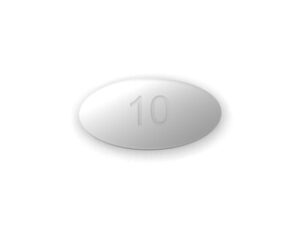

Atorvastatin (Australia) – Patient-Friendly Guide
Atorvastatin is a widely used medicine for improving cholesterol levels and lowering the risk of heart and blood vessel problems. It belongs to a group of medicines called statins. If you’re using atorvastatin (or considering it), this guide explains how it works, how to take it, what to expect, and important safety and interaction information.
This page is written to help you understand your medicine in everyday language. It does not replace advice from your healthcare professional.
Basic Product Information
- Medicine name: Atorvastatin
- Class: Statin (HMG-CoA reductase inhibitor)
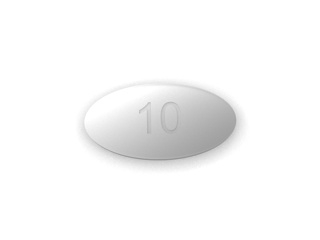
- Common forms: Tablets (strengths vary, e.g., 10 mg, 20 mg, 40 mg, 80 mg)
- How it’s used: Daily treatment to lower LDL (“bad”) cholesterol and triglycerides, and to reduce cardiovascular risk
- Brand availability: May be supplied under different brand names depending on the supplier
What Atorvastatin Does (Mechanism of Action)
Atorvastatin helps improve cholesterol levels primarily by reducing the liver’s production of cholesterol.
- Blocks cholesterol synthesis: Atorvastatin inhibits an enzyme called HMG-CoA reductase in the liver.
- Increases LDL removal: As liver cholesterol production decreases, the liver increases the number of LDL receptors on its surface. This helps the body clear LDL cholesterol from the bloodstream.
- Helps lower triglycerides: It also reduces triglyceride levels and may slightly raise HDL (“good”) cholesterol.
Over time, lower LDL levels reduce the chance of plaque building up in arteries, which lowers the risk of heart attack, stroke, and other cardiovascular events.
Pharmacokinetics (How the Body Handles Atorvastatin)
Understanding the “journey” of the medicine can help you take it correctly.
- Absorption: Atorvastatin is absorbed through the digestive tract after you take a tablet.
- Peak levels: Blood levels generally rise within a few hours after dosing.
- Metabolism: The liver processes atorvastatin mainly via the CYP3A4 pathway.
- Half-life: The medicine’s effect lasts longer than its detectable blood concentration because its active inhibition of cholesterol synthesis persists.
- Excretion: Metabolites are eliminated primarily via the bile and faeces.
These properties are one reason atorvastatin is taken once daily. Consistent daily use supports the long-term cholesterol-lowering effect.
Typical Uses in Australia
Atorvastatin is commonly prescribed to:
- Treat high cholesterol (hypercholesterolaemia): Especially when lifestyle changes alone are not enough.
- Lower cardiovascular risk: For people with established cardiovascular disease or who are at increased risk due to factors such as diabetes, high blood pressure, smoking, or a strong family history.
- Reduce risk after cardiovascular events: It may help lower the likelihood of further heart-related events.
- Manage certain lipid disorders: Depending on the individual condition and laboratory results.
Your healthcare professional may tailor use based on your lipid profile, overall risk level, age, other medical conditions, and treatment history.
Indications (Who It Is Used For)
Indications may differ slightly depending on local product information and clinical guidance, but atorvastatin is generally used for:
- Hypercholesterolaemia: Including primary hypercholesterolaemia and mixed dyslipidaemia.
- Prevention of cardiovascular events: In people with existing cardiovascular disease and/or high risk of developing it.
- Adjunct to diet and lifestyle: Alongside a heart-healthy diet, exercise, weight management, and stopping smoking where relevant.
How to Take Atorvastatin (Timing and Routine)
Atorvastatin can usually be taken once daily. Many people take it in the evening, but timing is often flexible. Follow the instructions provided with your medicine or by your healthcare professional.
Common timing advice
- Once per day: Try to take it around the same time each day.
- If it’s late or you forget: Take it when you remember if it’s the same day. If it’s close to the next dose, skip the missed dose and continue your normal schedule.
- Do not double up: Avoid taking two doses at once.
Diet and lifestyle
- Continue with a heart-healthy diet (lower saturated fat and trans fats; more fibre and unsaturated fats).
- Maintain regular physical activity as advised.
- If you smoke, consider a quit plan—this can meaningfully reduce cardiovascular risk.
Food Interactions (Including Grapefruit)
Food can affect how much atorvastatin enters your system, especially certain juices. The key dietary interaction is:
- Grapefruit and grapefruit juice: Grapefruit can increase atorvastatin levels in the body by affecting drug-metabolising enzymes. This can raise the risk of side effects, particularly muscle-related effects. Many clinicians recommend avoiding grapefruit or grapefruit juice while taking atorvastatin.
For most people, atorvastatin can be taken with or without food. However, consistent daily timing and avoiding high-risk foods/jqrices helps reduce variability.
Alcohol and Medicine Interactions
Alcohol can affect the liver and may increase the risk of liver-related side effects with statins, especially with heavy or frequent use.
Practical alcohol guidance
- Moderate use: Many people can drink alcohol in moderation while on statins, but discuss your situation with your clinician.
- Heavy drinking: Avoid or limit alcohol strongly, as it can increase liver stress and may raise risk of adverse effects.
- Signs to watch: If you notice unusual tiredness, dark urine, yellowing of skin/eyes, or severe abdominal pain, seek medical help promptly.
If you have liver disease, hepatitis, or persistently raised liver enzymes, you should get specific advice before using atorvastatin.
Medicine Interactions (Important to Review)
Atorvastatin is metabolised mainly by CYP3A4. Medicines that affect this pathway can change atorvastatin levels, increasing the risk of side effects or reducing effectiveness.
Examples of interaction categories
- Strong CYP3A4 inhibitors (higher risk): Certain antibiotics/antifungals and some antivirals can significantly raise atorvastatin levels.
- CYP3A4 inducers (may reduce effect): Some medicines can lower atorvastatin levels, which may reduce cholesterol-lowering benefit.
- Other lipid-lowering medicines: Combining statins with certain medicines may increase muscle side effects and needs careful assessment.
- Diabetes and blood pressure medicines: Many combinations are possible, but monitoring may be needed depending on your health profile.
Always check interactions with all current medicines you take, including:
- Over-the-counter medicines
- Herbal supplements (e.g., some products can affect CYP pathways)
- Vitamins/minerals (usually less likely, but still worth mentioning)
Tip: Keep an up-to-date list of your medicines and show it whenever you visit a healthcare professional.
Dosing (Typical Approach)
Dosing varies by the individual’s condition, cholesterol levels, cardiovascular risk, and how they respond to treatment. A clinician will choose the starting dose and may adjust it based on follow-up lipid tests.
General dosing principles
- Starting dose: May vary (commonly from lower doses in some patients).
- Adjustments: Dose changes are often made after repeat blood tests and clinical review.
- Maximum dose: The maximum strength is determined by the product information and clinical guidance.
- Adherence matters: Taking atorvastatin daily is important for achieving and maintaining lipid reductions.
Practical example (not a prescription)
Some patients begin at a moderate dose and then have cholesterol rechecked after an interval, with possible dose adjustment depending on targets and tolerance. Your exact plan should come from your healthcare professional.
Timing for Blood Tests and Follow-Up
Monitoring helps confirm the medicine is working and checks for potential side effects.
- Lipid tests: Typically checked after starting or changing dose to assess LDL and triglyceride response.
- Liver function tests: Clinicians may perform baseline tests and later tests if there are symptoms suggesting liver problems or if clinically indicated.
- Muscle-related checks: If you develop muscle pain, weakness, or dark urine, contact your clinician promptly—additional evaluation may be required.
Safety Profile (What to Know)
Like all medicines, atorvastatin can cause side effects. Most people tolerate it well. However, it’s important to know what’s normal and what needs urgent attention.
Common side effects
- Headache
- Muscle aches or mild cramps (sometimes)
- Nausea or digestive upset
- Changes in blood tests (e.g., liver enzymes) may occur
Serious but uncommon risks
-
Muscle injury (myopathy/rhabdomyolysis): Warning signs include:
- Severe or persistent muscle pain
- Muscle weakness
- Fever
- Dark/tea-coloured urine
- Liver problems: Seek medical advice if you notice yellowing of skin/eyes, dark urine, severe abdominal pain, or unusual fatigue.
- Allergic reactions: Seek immediate help if you get swelling of the face/lips, difficulty breathing, or widespread rash.
Who may need extra monitoring
- People with liver disease or significant alcohol intake
- Older adults
- People with kidney problems
- People taking interacting medicines (especially those that raise statin levels)
- People with a history of muscle problems related to statins
Practical Use Tips (Get the Best Results)
- Take it daily: Consistency is key. If you stop suddenly, cholesterol levels may rise.
- Use a routine: Link your dose to a daily habit (e.g., after brushing your teeth).
- Keep an eye on symptoms: Report muscle pain, weakness, or dark urine early.
- Inform healthcare providers: Tell any doctor, pharmacist, or dentist that you take atorvastatin.
- Don’t forget lifestyle changes: Atorvastatin works best alongside diet, activity, and smoking cessation.
- Be cautious with new products: Check interactions before starting herbal supplements or “fat burner” products.
Alternative Options (If Atorvastatin Isn’t Suitable)
Depending on your cholesterol levels, health history, and tolerance, clinicians may consider alternatives. Options can include:
Other statins
- Rosuvastatin
- Simvastatin
- Pravastatin
- Pitavastatin
Non-statin cholesterol-lowering medicines
- Ezetimibe: Often used alone or with a statin to further reduce LDL
- PCSK9 inhibitors: Injectable options for certain high-risk patients
- Bempedoic acid: Another non-statin option in selected cases
- Triglyceride-targeting medicines: Such as fibrates or omega-3 fatty acids (chosen based on the lipid pattern)
The “best” alternative depends on why atorvastatin isn’t suitable (e.g., side effects, interactions, or insufficient LDL lowering). A healthcare professional can help choose the safest and most effective plan.
Market and Legal Context for Australia (General Information)
In Australia, medicines are regulated by the Therapeutic Goods Administration (TGA) and supplied through approved channels. Statins are established therapies and are widely available through pharmacy services.
Access to medicines may depend on the product formulation, dosing strength, and local regulatory requirements. Many people receive atorvastatin via standard pharmacy pathways where appropriate clinical assessment is performed.
If you are purchasing medicines online, choose reputable suppliers that comply with Australian requirements for supply, product authenticity, and customer safety.
Recent Guidance and Clinical Updates (What to Keep in Mind)
Clinical practice regarding statins continues to evolve based on new evidence and patient safety considerations. In general:
- Cardiovascular risk remains central: Treatment decisions are commonly based on overall risk and cholesterol results.
- Safety monitoring is important: Clinicians assess potential liver/muscle risks, particularly when interacting medicines are involved.
- Shared decision-making: Patients and clinicians discuss benefits, expected risk reduction, and tolerance.
- Lifestyle is part of the treatment: Guidelines consistently support diet, exercise, and smoking cessation alongside medication.
Because individual recommendations can differ, follow the advice provided with your medication and your care plan.
Delivery and Availability (Online Pharmacy Considerations in Australia)
Atorvastatin tablets are typically stocked by major pharmacy suppliers. Delivery availability may vary depending on location and stock levels. When ordering online:
- Check delivery timeframes for your postcode or region.
- Confirm product strength and quantity before checkout.
- Look for clear packaging and expiry information details where available.
- Ensure you receive the correct manufacturer/strength you intended to order.
If you have questions about availability, substitutions, or delivery tracking, reputable Australian online pharmacies usually provide support channels.
FAQ – Atorvastatin
1) How long does it take for atorvastatin to work?
Cholesterol changes can begin within days, but the full effect is typically assessed after a period of consistent daily use. Clinicians commonly recheck lipid levels after starting or adjusting dose to confirm response.
2) Should I stop eating fat completely while on atorvastatin?
Not necessarily. The goal is to choose healthier fats and reduce saturated and trans fats. Focus on a balanced diet with fibre, vegetables, wholegrains, and sources of unsaturated fats.
3) Can I drink alcohol while taking atorvastatin?
Moderate alcohol may be possible for some people, but heavy or frequent drinking can increase liver strain. If you have liver disease or abnormal liver tests, discuss alcohol guidance with your clinician.
4) Can I take atorvastatin with other medicines?
Many medicines can be taken safely together, but some interactions can significantly increase atorvastatin levels. Always check interactions—especially antibiotics, antifungals, antivirals, and other lipid-lowering medicines.
5) What should I do if I miss a dose?
Take it when you remember on the same day. If it’s close to the next scheduled dose, skip the missed dose. Don’t double up.
6) What side effects require urgent medical attention?
Seek urgent help if you develop severe muscle pain or weakness with dark urine, signs of liver injury (e.g., yellow skin/eyes, dark urine), or symptoms of an allergic reaction (e.g., swelling or difficulty breathing).
7) Is grapefruit completely forbidden?
Grapefruit can raise atorvastatin levels and increase the risk of side effects. Many clinicians recommend avoiding grapefruit or grapefruit juice while taking atorvastatin. If you’re unsure, ask your pharmacist for guidance.
8) Will I feel different when I start atorvastatin?
Many people feel no immediate changes. The benefits are mainly long-term cardiovascular risk reduction and lipid improvement, measured with blood tests and clinical outcomes.
9) Is it safe to take atorvastatin long-term?
For many people at risk of cardiovascular events, long-term statin therapy is beneficial. Safety monitoring and review of dose and interactions help maintain tolerability over time.
10) Are there alternatives if I get muscle aches?
Sometimes dose adjustment, switching to a different statin, changing dosing strategy, or combining with another cholesterol-lowering medicine may be considered. Don’t stop your medicine without medical advice—discuss symptoms promptly.
Summary
Atorvastatin is a statin medicine used to lower LDL (“bad”) cholesterol and reduce the risk of cardiovascular events. It works by decreasing cholesterol production in the liver and increasing LDL clearance from the bloodstream. For best results, take it once daily as directed, avoid grapefruit/grapefruit juice, and watch for any signs of muscle or liver problems. Regular follow-up and blood tests help confirm effectiveness and safety.
If you have questions about dosing timing, potential interactions, or whether atorvastatin is appropriate for you, consult your healthcare professional or pharmacist.