Bempedoic Acid (Australia) — Patient-Friendly Information
Bempedoic acid is a cholesterol-lowering medicine used to help reduce the risk of cardiovascular events in certain adults. This guide explains how bempedoic acid works, when it’s typically used, what to expect, key safety information, and practical tips for everyday use in Australia.
Please note: individual recommendations can vary depending on your medical history, other conditions, and current medicines. Always follow the dosing plan provided by your healthcare professional.
Quick Facts
- Medicinal ingredient: Bempedoic acid
- What it’s used for: Helps lower LDL (“bad”) cholesterol and reduce cardiovascular risk in appropriate patients
- How it’s taken: Usually as a once-daily oral tablet
- Common monitoring: Blood tests for cholesterol; additional blood tests may be recommended (e.g., uric acid, liver tests)
- Key safety considerations: Can increase uric acid (gout risk), may affect liver enzymes, and can rarely contribute to tendon problems
Basic Product Information
Bempedoic acid belongs to a group of cholesterol-modifying medicines that lower LDL cholesterol by affecting cholesterol production in the liver.
- Medicine type: Oral lipid-lowering agent
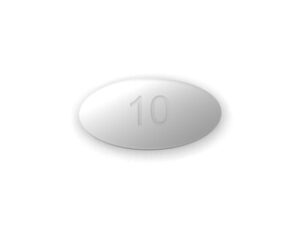
- Typical formulation: Tablets
- Typical dosing schedule: Once daily
- Availability in Australia: May be available through specialist or general access channels depending on product approvals and local supply
The exact brand and tablet strength can vary. Always confirm the strength printed on your box or label.
How Bempedoic Acid Works (Mechanism of Action)
Bempedoic acid works by inhibiting an enzyme called ATP-citrate lyase in the liver. This enzyme plays a role in the body’s cholesterol synthesis. By blocking this step, the liver produces less cholesterol, leading to:
- Increased LDL receptor activity (the liver pulls more LDL cholesterol out of the bloodstream)
- Reduced LDL (“bad”) cholesterol levels
- Potential reduction in other lipid measures, depending on baseline cholesterol and concurrent therapies
Importantly, bempedoic acid is a prodrug that is activated mainly in liver tissue, which is one reason it may be considered in patients where muscle-related side effects are a concern.
Pharmacokinetics (How the Body Handles It)
Understanding pharmacokinetics can help explain dosing timing and what may influence effects. While individual variation occurs, the general pattern is:
- Absorption: After oral dosing, bempedoic acid is absorbed and converted to its active form mainly in the liver.
- Activation: The active metabolite forms largely in the liver, supporting targeted cholesterol lowering.
- Distribution: The active process leads to effects primarily in hepatic pathways that regulate cholesterol.
- Metabolism: The medicine is metabolised in the body through hepatic pathways.
- Elimination: The metabolites are eliminated primarily via the liver/bile and also through renal pathways.
Your clinician may adjust the approach if you have significant liver impairment or other complex medical conditions.
Typical Use and Indications (What It’s For)
In Australia, bempedoic acid may be used to help manage cholesterol in adults who meet certain clinical criteria, particularly when LDL cholesterol remains above target despite other lipid-lowering measures or when additional options are needed.
Common clinical reasons include:
- Primary hypercholesterolaemia (including familial forms) when LDL cholesterol goals are not met
- Mixed dyslipidaemia in selected patients
- High cardiovascular risk where LDL lowering is important as part of a broader risk-reduction plan
It’s often used alongside (or considered with) other cholesterol-lowering strategies such as statins, ezetimibe, or other approved therapies, based on your individual risk profile and tolerance.
Timing: How and When to Take Bempedoic Acid
Bempedoic acid is generally taken once daily. Choose a consistent time each day to improve adherence. You can take it with or without food unless your local label or your healthcare professional advises otherwise.
Practical timing suggestions:
- Take it at the same time daily (e.g., with a morning routine)
- If you miss a dose, take it when you remember unless it’s close to the next dose
- Do not take two doses to make up for a missed tablet
If you have questions about the best time to take it with other medicines you’re using, it’s worth asking a pharmacist.
Food Interactions and Dietary Considerations
Bempedoic acid can usually be taken with or without food. In many people, food does not significantly change its effect. However, your product label should be treated as the authority for exact instructions.
A few practical points:
- Consistency helps: Taking it the same way each day (with or without food) can improve your routine.
- Grapefruit and similar products: While bempedoic acid is not classically affected like some other medicines, it’s still wise to inform your pharmacist if you regularly consume grapefruit products.
- Hydration and uric acid: Because bempedoic acid may raise uric acid in some people, staying well hydrated may be helpful, especially if you have a history of gout.
Alcohol and Medicine Interactions
Alcohol is not always listed as a direct interaction with bempedoic acid. However, alcohol can indirectly affect safety and effectiveness, especially in relation to liver health and cardiovascular risk.
Consider the following:
- Liver safety: If you drink alcohol heavily or have liver disease, discuss this with your healthcare professional. Some lipid-lowering medicines can affect liver enzymes, and clinicians may monitor accordingly.
- Gout risk: Alcohol—particularly beer and spirits—can raise uric acid in some people and may trigger gout. Since bempedoic acid can also raise uric acid, combining both can increase the risk of flare-ups in susceptible individuals.
- Medication adherence: Alcohol can impair routine adherence. Taking your tablet consistently is still important.
If you’re unsure how alcohol applies to your specific situation, ask your pharmacist about your overall medicine list.
Drug Interactions (Medicines That May Matter)
Interaction risk depends on your complete medicine list. Always review what you take—including over-the-counter products and herbal supplements. Below are common interaction themes clinicians consider with bempedoic acid:
- Urate-related medicines and gout therapies: If you take medicines for gout or have a history of gout, you may need closer monitoring.
- Statins: Some people use bempedoic acid with or instead of statins depending on tolerance and risk. Your clinician will guide the combination strategy.
- Liver-affecting medicines: If you take medicines that can affect liver enzymes, your clinician may monitor liver function more closely.
- Other lipid-lowering drugs: Combinations may be used to reach LDL goals; the overall plan should be guided by lipid levels and tolerability.
For the most accurate advice, provide your pharmacist with a complete list of prescription medicines, non-prescription medicines, vitamins, and herbal products.
Dosing: How Much Is Usually Taken?
The typical adult dose is one tablet once daily. The exact tablet strength on your prescription or label determines total daily dose.
General dosing principles (not a personal prescription):
- Adults: Usually once-daily dosing
- Missed dose: Take when remembered unless close to the next dose
- Adjustments: Dose adjustments may be considered for certain medical conditions under clinician guidance
Always follow your product label and clinician instructions. Do not change the dose without medical advice.
How Long Until It Works?
Cholesterol changes typically become measurable within the first few weeks of therapy. Many clinicians repeat lipid testing after an appropriate interval to assess response and guide ongoing treatment.
Typical expectation: You may notice no immediate “feeling” because this is a preventive cholesterol-lowering medicine. The benefit is measured through cholesterol numbers and, importantly, through long-term cardiovascular risk reduction.
Safety Profile: Common and Serious Side Effects
Like all medicines, bempedoic acid can cause side effects. Many people tolerate it well, but it’s important to know what to watch for. If you experience severe or concerning symptoms, seek medical advice promptly.
Common side effects
- Elevated uric acid (as seen on blood tests)
- Muscle discomfort in some people (though muscle symptoms can be less common than with certain other cholesterol medicines)
- Changes in liver enzymes (often detected on blood tests)
- Back pain or joint aches reported by some patients (varies by individual)
Serious or important side effects (seek prompt advice)
- Gout or gout flare: sudden pain, redness, swelling—often in the big toe, ankle, or knee
- Tendon problems: pain, swelling, or inflammation (especially if sudden or persistent)
- Allergic reactions: rash, itching, swelling of face/lips, difficulty breathing
- Signs of liver issues: yellowing of eyes/skin, dark urine, severe fatigue, persistent nausea
Who may need extra caution?
- People with a history of gout or high uric acid
- People with liver disease or prior abnormal liver function tests
- People taking medicines that may raise uric acid or affect liver enzymes
- People with a history of tendon disorders
Practical Use Tips (Making Treatment Easier)
- Take it every day: Cholesterol management is a long-term strategy.
- Keep follow-up appointments: Lab tests help confirm safety and effectiveness.
- Know your “early warning signs”: If you develop symptoms of gout or tendon pain, contact your healthcare professional promptly.
- Hydrate: Drinking adequate water may be helpful, particularly if you have a history of gout.
- Plan your routine: Pair the tablet with an everyday habit (e.g., after breakfast).
- Don’t stop suddenly: If you feel unwell, seek advice before stopping—your clinician may adjust treatment.
Alternative Options (Discuss With Your Healthcare Professional)
Depending on your LDL levels, risk factors, and tolerance, clinicians may consider other lipid-lowering options. Alternatives include:
- Statins: often first-line for LDL lowering; may have muscle-related or liver-related side effects in some individuals
- Ezetimibe: lowers cholesterol absorption in the intestine
- PCSK9 inhibitors (injectable): typically used in higher-risk patients or those who need further LDL reduction
- Bile acid sequestrants: sometimes used but may be limited by tolerability or interactions
- Fibrates and omega-3 products: mainly for triglyceride management rather than LDL reduction
- Lifestyle strategies: diet, weight management, physical activity, and smoking cessation improve overall cardiovascular risk
The best alternative depends on your lipid pattern (LDL vs triglycerides), cardiovascular risk, existing medical conditions, and previous response/tolerance.
Market and Legal Context for Australia
In Australia, the availability and use of medicines depend on regulatory approval and prescribing practices aligned with local guidelines. Cholesterol-lowering treatments are commonly managed within structured clinical pathways, including assessment of cardiovascular risk and selection of therapies to achieve LDL cholesterol targets.
Bempedoic acid availability can vary by indication and local supply arrangements. Your pharmacist can confirm current stock and expected dispatch times.
What to expect:
- Guidance may reference Australian lipid management pathways and cardiovascular prevention recommendations.
- Clinical criteria for use may include confirmed lipid elevations, cardiovascular risk level, and response/tolerance to other therapies.
- Monitoring requirements may include lipid testing and safety blood tests according to clinician judgement.
Recent Guidance and Clinical Considerations
Recent international and local practice trends have emphasised:
- Using evidence-based LDL lowering to reduce cardiovascular risk in appropriate groups
- Optimising background therapy (including statins/other agents) based on tolerance and risk
- Sharing decision-making regarding benefits, side effects, and monitoring
If you’re starting bempedoic acid, ask your clinician what monitoring schedule they recommend for you (for example, checking uric acid and liver enzymes at baseline and during therapy).
Delivery and Availability
Online pharmacies in Australia may offer bempedoic acid subject to product availability, regional supply, and medicine handling requirements. Availability can change, so delivery timelines can vary.
Typical ordering and delivery expectations:
- Packaging: Medicines are generally dispatched in tamper-evident packaging and stored/handled per required standards.
- Dispatch time: Dependent on stock on hand; if sourced from a distributor, dispatch may take longer.
- Tracking: Many online pharmacies provide tracking details for parcels.
- Cold chain: Generally not required unless the product label specifies otherwise.
Contact customer service if you need an estimate of current dispatch times or want to confirm that your specific tablet strength/brand is available.
FAQ — Bempedoic Acid
1) What is bempedoic acid used for?
Bempedoic acid is used to lower LDL cholesterol and help reduce cardiovascular risk in adults who meet criteria based on their lipid levels and overall risk profile. It may be used alone or alongside other cholesterol-lowering therapies as directed by your healthcare professional.
2) How do I take it?
It is typically taken once daily at a consistent time each day. You can usually take it with or without food. If your product label says otherwise, follow the label instructions.
3) Will I feel any effects immediately?
Most people do not feel immediate changes because it primarily works through cholesterol reduction in the liver. Blood tests are used to measure response.
4) What should I do if I miss a dose?
Take it when you remember if it’s not too close to the next dose. Do not take a double dose to catch up. If you’re unsure, ask your pharmacist.
5) Can I take it with food?
Usually yes. Food does not typically significantly alter effects, but it’s best to follow your specific product label and your healthcare professional’s advice.
6) Does alcohol affect bempedoic acid?
There is not always a direct interaction, but alcohol can increase the risk of liver problems and may trigger gout in some people. If you drink alcohol or have gout, discuss your situation with your pharmacist or doctor.
7) Can it cause gout?
Yes. Bempedoic acid can raise uric acid and may trigger gout flares in some people. Seek medical advice promptly if you develop sudden joint pain, redness, or swelling.
8) Will it interact with my other cholesterol medicines?
It may be used with other lipid-lowering therapies in selected patients. However, interactions depend on which medicines you use. Provide your pharmacist with your complete medicine list for tailored safety checks.
9) What monitoring is usually recommended?
Many clinicians monitor cholesterol levels and may also check safety blood tests such as liver enzymes and uric acid, particularly if you have risk factors for liver disease or gout.
10) What if I get tendon pain?
If you experience tendon pain or swelling—especially sudden symptoms—contact your healthcare professional promptly. Avoid strenuous activity until you’re advised.
At-a-Glance Summary Table
| Category | What to know |
|---|---|
| Purpose | Reduces LDL cholesterol to help lower cardiovascular risk |
| How it works | Inhibits ATP-citrate lyase in the liver, reducing cholesterol synthesis and increasing LDL clearance |
| Typical dose | Usually once daily (confirm strength and instructions on your label) |
| With or without food | Usually can be taken either way; follow product label instructions |
| Time to see results | Cholesterol changes typically assessed after several weeks; no immediate “felt” effect |
| Key safety watch-outs | Raised uric acid/gout risk, possible tendon problems, liver enzyme changes |
| Alcohol considerations | May increase gout risk and can affect liver health; keep consumption sensible and discuss if unsure |
| Monitoring | Cholesterol tests; uric acid and liver tests may be recommended depending on risk |
Important Reminder
This information is designed to be patient-friendly and educational. It does not replace advice from your healthcare professional. If you have questions about whether bempedoic acid is appropriate for you, or how it fits with your existing medicines, speak with your pharmacist or clinician.