

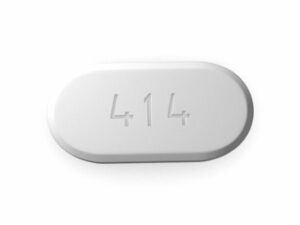

Fenofibrate (Australia) — Patient Information
Fenofibrate is a lipid-regulating medicine used to help improve blood fat levels such as triglycerides and cholesterol. In people with high triglycerides, fenofibrate can reduce the risk of developing complications linked to abnormal lipid profiles. This guide is designed to help you understand how fenofibrate works, how it is typically used, what to watch for, and how to use it safely.
Quick Product Overview
| Category | Details |
|---|---|
| Generic name | Fenofibrate |
| Medicine class | Fibrate (PPAR-α agonist) |
| Main purpose | Helps lower triglycerides; may help raise HDL; can reduce LDL in some people |
| Common strengths / forms | Often available as different capsule or tablet presentations (brand/formulation may vary) |
| Typical use | Long-term management of dyslipidaemia, alongside diet and lifestyle |
| How it’s taken | Usually once daily for many formulations; follow your specific product directions |
What Fenofibrate Is Used For
Fenofibrate is used to treat abnormal blood lipids. It is especially helpful when triglycerides are high. High triglycerides can be associated with increased risk of pancreatitis when levels are very elevated, and may contribute to cardiovascular risk depending on your overall health profile.
Common indications (uses)
- High triglycerides (hypertriglyceridaemia), including severe elevations where triglycerides are at risk of causing pancreatitis.
- Mixed dyslipidaemia (raised triglycerides and cholesterol abnormalities), when appropriate based on your lipid results and risk factors.
- Patients who require triglyceride control as part of overall cardiovascular risk management.
Your clinician may also recommend additional lipid-lowering strategies such as statins, omega-3 fatty acids, or diet changes depending on your cholesterol pattern and risk. Fenofibrate is generally used as part of a broader plan, not as a stand-alone solution.
How Fenofibrate Works (Mechanism of Action)
Fenofibrate belongs to the fibrate class. It primarily activates a receptor called PPAR-α (peroxisome proliferator-activated receptor alpha) in the liver and other tissues. Activation of PPAR-α changes how your body handles fats.
Key actions
- Increases breakdown of fatty acids in the liver.
- Reduces triglyceride levels by influencing the production and clearance of lipoproteins.
- May improve HDL (“good” cholesterol) in some people.
- Can reduce LDL (“bad” cholesterol) particularly when triglycerides are high and the overall lipid pattern improves.
Importantly, fenofibrate’s benefits are supported by reductions in the relevant lipid parameters; however, overall cardiovascular risk is influenced by many factors, including blood pressure, smoking status, diabetes control, and cholesterol profile as a whole.
Pharmacokinetics (How the Body Handles Fenofibrate)
Pharmacokinetics describes how fenofibrate is absorbed, processed, and eliminated. While details vary by formulation, the general pattern is as follows:
Absorption and conversion
- After swallowing, fenofibrate is absorbed from the gastrointestinal tract.
- Fenofibrate is converted mainly to an active metabolite (often described in product literature as fenofibric acid).
Peak levels and steady effect
- Blood levels typically rise after dosing, with peak effects occurring within a few hours for many oral formulations.
- Lipid improvements generally become noticeable after several weeks, with further improvement over time.
Distribution and elimination
- The active metabolite is distributed in the body and is cleared primarily by the kidneys.
- If kidney function is reduced, the medicine may accumulate, increasing the chance of side effects. This is why kidney function is important when choosing a dose and monitoring.
Typical Use and Timing
Fenofibrate is usually taken as a daily medicine. Many formulations are taken once per day, but the exact timing depends on the product you receive. Follow the instructions on your medication label and any advice from your healthcare professional.
When to take it
- Take once daily unless your product instructions or healthcare professional advise otherwise.
- Try to take it at the same time each day to maintain consistent blood levels.
- If you miss a dose, take it when you remember if it is close to the next dose. If it is near the next dose, skip the missed dose and continue as normal. Do not double dose.
Lifestyle matters: Fenofibrate works best when combined with a heart-healthy diet, appropriate weight management, regular physical activity, and good management of conditions like diabetes.
Food Interactions and Taking Fenofibrate With Meals
Food can affect the absorption of some lipid medicines. For fenofibrate, the effect of food varies by formulation. Many people find taking fenofibrate with a meal improves tolerance and may improve absorption for certain products.
Practical guidance
- Check your specific product instructions for whether it should be taken with food.
- If you are unsure, taking it with a meal is often a reasonable approach—especially if the product leaflet indicates “with food” or if you experience stomach discomfort when taken on an empty stomach.
Alcohol and Medicine Interactions
Alcohol can influence triglyceride levels and liver health. Because fenofibrate is used to manage triglycerides and may affect liver enzymes in some people, alcohol use is an important consideration.
Alcohol with fenofibrate
- Limit alcohol, particularly if you have high triglycerides, fatty liver, or abnormal liver tests.
- Avoid heavy or binge drinking, which can worsen triglycerides and increase strain on the liver.
General interactions to consider
Fenofibrate can interact with other medicines that affect the liver, kidneys, blood clotting, or muscle health. Tell your healthcare professional and pharmacist about all medicines and supplements you take, including herbal products.
Medicine Interactions (Important Examples)
The risk of side effects may increase when fenofibrate is combined with certain drugs. Some of the most important categories are listed below. This is not a complete list—always check the specific interaction information for your product.
Medicines that require extra caution
- Statins (e.g., atorvastatin, simvastatin, rosuvastatin): combining can increase the risk of muscle-related side effects in some people (rare but serious). Monitoring is essential, particularly if you have kidney disease or other risk factors.
- Warfarin and other anticoagulants: fenofibrate may increase the effect of anticoagulants, raising bleeding risk. Your INR may require closer monitoring.
- Immunosuppressants (e.g., ciclosporin/tacrolimus): this combination may raise the risk of kidney problems; kidney function should be closely monitored.
- Other lipid medicines: combination therapy should be chosen carefully based on your lipid pattern and overall risk, and guided by blood tests.
- Kidney-affecting medicines: any medicine that can affect kidney function may increase fenofibrate risk if kidney function declines.
If you notice new muscle pain, weakness, dark urine, unusual tiredness, or signs of liver problems (such as yellowing of the skin/eyes), contact a healthcare professional promptly.
Dosing (General Information)
Dosing depends on the formulation you’re using and your kidney function. Always use the dose prescribed for you or the dose specified on your product label instructions. Never change dose without medical advice.
Common dosing principles
- Many fenofibrate products are taken once daily.
- People with reduced kidney function may require a lower dose or may not be suitable for certain formulations.
- Dose adjustments are typically based on blood tests and tolerance.
Monitoring that often accompanies dosing
- Lipid profile (cholesterol, triglycerides, HDL, LDL) to confirm response.
- Liver function tests.
- Kidney function tests (e.g., creatinine/eGFR).
- In some cases, blood glucose may be monitored, especially in people with diabetes.
Safety Profile and Side Effects
Like all medicines, fenofibrate can cause side effects. Many people tolerate it well, but it’s important to know what to watch for. Side effects can vary based on dose, kidney function, and whether you take other lipid medicines.
Commonly reported side effects
- Stomach or digestive symptoms (e.g., nausea, abdominal discomfort, diarrhoea).
- Headache.
- Temporary changes in liver enzymes may occur on blood tests.
- Changes in blood test results (lipids, liver tests, kidney-related markers) are part of expected monitoring.
Serious side effects (seek urgent medical help)
- Muscle damage: symptoms may include muscle pain, tenderness, weakness, or dark/coloured urine.
- Allergic reactions: swelling of face/lips, rash, breathing difficulty.
- Liver problems: yellowing of skin or eyes, severe fatigue, persistent right-sided abdominal pain, dark urine.
- Pancreatitis symptoms (especially if triglycerides are very high): severe upper abdominal pain that may radiate to the back, vomiting.
Who should use extra caution
- People with kidney disease.
- People with liver disease or persistent abnormal liver tests.
- People taking statins or other medicines that may increase muscle risk.
- People with a history of muscle disorders or unexplained muscle symptoms.
Practical Tips for Safe Use
1) Take it consistently
Choose a time of day that you can stick to. Consistency supports steady lipid control.
2) Keep up with blood tests
Regular monitoring helps confirm that fenofibrate is working and allows early detection of safety issues. If you’re due for tests, schedule them promptly.
3) Know the warning signs
Contact a healthcare professional if you develop:
- New or severe muscle pain or weakness
- Unexplained fever with muscle symptoms
- Yellow skin/eyes, dark urine, or severe abdominal pain
- Signs of allergy (rash, swelling, breathing problems)
4) Pair with diet and lifestyle
Fenofibrate supports lipid management, but it doesn’t replace lifestyle steps. Consider:
- A diet lower in refined carbohydrates and sugars (particularly important for triglycerides)
- Limiting alcohol when triglycerides are high
- Reducing excess saturated fat and choosing unsaturated fats
- Regular exercise and healthy weight goals
5) Check for duplicate medicines
Some “heart health” or “cholesterol” supplement blends may contain ingredients that affect liver enzymes or interact with medications. Inform your pharmacist about all products you take, including supplements.
Alternatives to Fenofibrate
Depending on your lipid profile and risk factors, clinicians may recommend other treatments. Alternatives can include:
Common lipid-lowering options
- Statins (often first-line for LDL cholesterol and cardiovascular risk).
- Omega-3 fatty acids (for triglyceride lowering in some cases).
- Ezetimibe (commonly used to lower LDL cholesterol).
- PCSK9 inhibitors (for specific high-risk patients, usually administered by injection).
- Bile acid sequestrants (selected cases).
- Other fibrates (depending on availability and suitability).
The best option depends on your blood lipid pattern (especially triglycerides vs LDL), your kidney and liver health, diabetes status, and the medicines you already take.
Fenofibrate in the Australian Market: Legal and Guidance Context
In Australia, lipid-lowering medicines are supplied in accordance with the Therapeutic Goods Administration (TGA) and Australian medicines scheduling arrangements. Availability may vary by brand, strength, and formulation. Guidance is typically aligned with cardiovascular and dyslipidaemia management principles used by clinicians in Australia.
Recent guidance and typical clinical approach (high level)
While individual recommendations depend on your personal risk profile and latest test results, contemporary clinical practice often focuses on:
- Using lipid-lowering therapy based on measured cholesterol fractions and overall cardiovascular risk.
- Prioritising lifestyle measures (diet, exercise, weight, smoking cessation).
- Monitoring safety with periodic blood tests, particularly liver and kidney function.
- Careful selection of combination therapy (for example, fibrate plus statin) with awareness of muscle-related risks.
For the latest information, your pharmacist can help point you to relevant Australian resources and current prescribing directions for your specific product.
Delivery and Availability (Online Pharmacy)
Fenofibrate is commonly available through Australian pharmacies, including online services. Stock can vary depending on strength and brand/formulation. When purchasing through an online pharmacy, you’ll typically select:
- Specific product strength and pack size
- Delivery address and delivery option
- Any required pharmacy service steps (where applicable)
What to expect with delivery
- Orders are usually processed during business hours and dispatched after verification where required.
- Delivery timelines depend on your location and the pharmacy’s courier network.
- Store your medicine as directed on the packaging (typically at controlled room temperature away from moisture and heat).
Packaging and storage
- Keep in the original container to protect from moisture and help prevent mix-ups.
- Keep out of reach of children.
- Check expiry date and return/dispose safely if expired (follow pharmacy or local disposal guidance).
FAQ — Fenofibrate
1) How long does it take for fenofibrate to work?
Many people see changes in triglycerides and other lipid measures within a few weeks. Your clinician will usually check your lipid profile at intervals (often around 4–12 weeks after starting or adjusting therapy), then periodically thereafter.
2) Can I take fenofibrate with other cholesterol medicines?
Combination therapy may be used in selected patients, but it must be chosen carefully. Some combinations, especially with statins, can increase the risk of muscle-related side effects. Always follow clinician instructions and report any muscle symptoms promptly.
3) Should I take fenofibrate with food?
It depends on the formulation. Some fenofibrate products are recommended to be taken with meals to support absorption and reduce stomach upset. Check your product label instructions. If in doubt, discuss with a pharmacist.
4) What should I do if I miss a dose?
Take the missed dose when you remember if it is close to the next dose. If it’s nearly time for the next dose, skip the missed dose and continue as normal. Do not take double the dose.
5) Does fenofibrate affect the liver?
Fenofibrate can cause changes in liver enzymes in some people. This is why liver function blood tests may be performed during treatment. Seek medical advice if you experience symptoms of liver problems such as yellowing of the skin/eyes or dark urine.
6) Can I drink alcohol while taking fenofibrate?
Alcohol can worsen triglycerides and may strain the liver. If you have high triglycerides, consider limiting alcohol significantly or avoiding it, and follow advice from your healthcare professional.
7) Who should avoid fenofibrate or use it only with extra monitoring?
Extra caution is often required for people with kidney disease, liver disease, or those taking certain interacting medicines (including some statins or anticoagulants). Your pharmacist can help review your current medications for safety considerations.
8) What are the most important side effects to watch for?
Seek urgent medical help for signs of muscle damage (muscle pain/weakness with dark urine), allergic reactions, or liver problems (yellow skin/eyes, severe abdominal pain). Mild stomach upset may occur, but persistent or severe symptoms should be discussed with a healthcare professional.
9) Is fenofibrate suitable for everyone?
Fenofibrate may not be suitable for everyone. Suitability depends on your lipid pattern, kidney and liver function, and other medicines you take. Your pharmacist can help with general information, while a clinician assesses your individual situation.
10) How should I store fenofibrate?
Store it according to the packaging instructions (commonly at room temperature away from moisture and heat). Keep it in its original container and out of reach of children.
When to Seek Help
Contact a healthcare professional promptly if you experience:
- Severe or persistent abdominal pain or vomiting
- Yellowing of skin/eyes, severe fatigue, or dark urine
- New muscle pain, weakness, or tenderness—especially if accompanied by fever or feeling unwell
- Signs of an allergic reaction such as rash, swelling, or breathing difficulty
Keep your medication list updated and include fenofibrate when you consult any clinician. If you have planned surgeries or procedures, inform your healthcare team about your medicines in advance.
Note: This information is intended to help you understand fenofibrate in general terms. Always follow the product-specific directions and advice provided by your pharmacist or healthcare professional for your individual treatment.