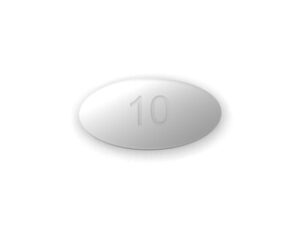
Ursodiol (Ursodeoxycholic Acid) – Patient Information (Australia)
Ursodiol is a medicine used to treat certain bile-related conditions, most commonly specific types of gallstones. It contains ursodeoxycholic acid (UDCA), a naturally occurring bile acid that helps improve bile flow and reduce the harmful effects of abnormal bile chemistry.
This guide is designed to be patient-friendly and practical, with information on how Ursodiol works, how to take it, common interactions, safety considerations, and what to expect. Always follow the instructions provided by your healthcare professional and the product label.
Basic product information
- Generic name: Ursodeoxycholic acid (UDCA)
- Brand names: May vary by manufacturer
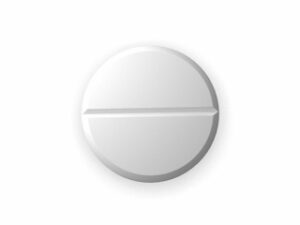
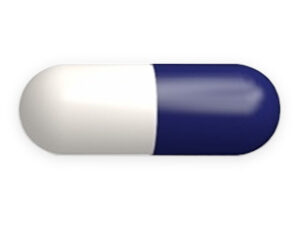
- Common forms: Oral capsules or tablets (availability varies)
- Medicine class: Bile acid / hepatobiliary agent
- What it helps with: Certain gallstone types and selected bile duct/liver conditions
Note: This page provides general information for Australia. Specific dosing and product strengths differ between brands and indications.
How Ursodiol works (mechanism of action)
Ursodiol is a bile acid that works in several helpful ways inside the body:
- Dissolves cholesterol gallstones: It gradually reduces the cholesterol content of bile and encourages mobilisation of cholesterol from gallstones, helping them shrink and dissolve over time.
- Improves bile composition: It makes bile less “aggressive” by replacing more hydrophobic, potentially toxic bile acids.
- Enhances bile flow: It supports a healthier bile environment, which can reduce cholestatic (bile flow) problems in certain conditions.
- Cell protection: UDCA may help stabilise cell membranes in the liver and bile ducts, reducing inflammation and injury related to bile acids.
Pharmacokinetics (what the body does to the medicine)
Understanding how UDCA behaves can help explain dosing schedules and why it may take time to work.
- Absorption: UDCA is absorbed in the small intestine. Food can influence absorption, so dosing instructions may vary by product.
- Distribution: It circulates through the bloodstream and is taken up by the liver where it is processed.
- Metabolism: UDCA undergoes modification by liver cells and intestinal bacteria. Some metabolites contribute to its overall effect.
- Biliary excretion: UDCA is excreted into bile, where it participates in the digestion of fats and in gallstone-related processes.
- Elimination: Excretion occurs mostly through bile and stool. Because it behaves like a bile acid, it has an enterohepatic (liver–intestine) circulation.
Why timing matters: Since UDCA works through bile chemistry and bile flow, results—especially for gallstones—are typically gradual and depend on consistent long-term use.
Typical uses (indications)
Ursodiol is used for conditions where bile composition or bile flow is abnormal. Common clinical uses include:
- Cholesterol gallstones: For selected patients with symptomatic or non-surgical candidates, especially when gallstones are cholesterol-based and the gallbladder still functions.
- Primary biliary cholangitis (PBC): To improve biochemical markers and slow progression in certain people with PBC.
- Other cholestatic conditions: In some cases, UDCA may be used when recommended by a specialist based on diagnosis and bile-related findings.
Important: Not all gallstones dissolve. Treatment choice depends on stone type, size, gallbladder function, and imaging results.
When to take Ursodiol (timing and regimen)
The best time to take Ursodiol depends on the formulation and your clinician’s plan. In many situations:
- Consistency is key: Take your dose at the same times each day.
- With or after food (often preferred): Many patients are advised to take UDCA with meals to support bile release and absorption.
- Divide doses if prescribed: Some regimens require split dosing (e.g., morning and evening).
Practical tip: If you forget a dose, take it when you remember unless it’s close to the next dose. Do not double up to “catch” up. If you’re unsure, check the consumer medicines information (CMI) or consult a pharmacist.
Food interactions and dietary considerations
Food can influence how UDCA performs. General advice may include:
- Take with food if instructed: Meals stimulate bile release and may improve the medicine’s effectiveness.
- Maintain a balanced diet: Healthy fat intake and overall nutrition support bile function and liver health.
- Be cautious with very low-fat diets: These may alter bile flow. If you follow a specific diet, discuss it with your clinician.
There are no widely required “special foods” for Ursodiol, but your individual situation (e.g., gallstone risk factors, liver condition, weight goals) may affect dietary recommendations.
Alcohol interactions
Ursodiol is used for bile and liver-related conditions, so alcohol may be a concern even if there is no direct “unsafe” interaction for all patients.
- General guidance: Limit or avoid alcohol if you have liver disease or cholestatic conditions.
- Why it matters: Alcohol can worsen liver inflammation and disrupt normal liver function.
- Practical approach: If you choose to drink, do so sparingly and discuss safe limits with your healthcare provider.
Seek advice urgently if you develop symptoms such as worsening yellowing of the eyes/skin (jaundice), severe abdominal pain, or unusual fatigue.
Medicine interactions (including common drug classes)
Some medicines can reduce the effectiveness of UDCA or increase risk of side effects. Always tell your pharmacist about all medicines you take, including over-the-counter products and supplements.
Key interaction types
-
Bile acid binding resins: Medicines such as cholestyramine or colestipol can bind bile acids and reduce UDCA effectiveness.
Tip: Your clinician/pharmacist may suggest spacing doses by several hours (exact timing depends on the product and regimen). - Antacids with aluminium: Some antacids may affect absorption of UDCA.
- Hormonal therapies: Estrogen-containing products can increase cholesterol saturation of bile, potentially affecting gallstone risk. Discuss with your clinician if relevant.
- Cholesterol-lowering agents: Certain lipid treatments may indirectly affect bile cholesterol content. Your pharmacist can advise on compatibility and timing.
What about “natural” products and supplements?
Herbal remedies can also affect liver enzymes and bile chemistry. Examples include products marketed for “liver cleansing” or “detox.” Because supplement contents can vary, it’s best to discuss any non-prescription products with a pharmacist.
Dosing (general guidance)
Dosing is determined by the diagnosis, severity, and individual factors such as liver function and body weight. Use the dose on your product label or as instructed by your healthcare professional.
Common dosing patterns
- Cholesterol gallstones: Often given in divided doses daily, with treatment typically lasting months and sometimes longer. Disappearance of stones is not immediate.
- Primary biliary cholangitis (PBC): UDCA is taken long-term, with dosing commonly based on body weight.
Important: Do not adjust your dose without medical advice. If your dose seems incorrect or you have trouble swallowing capsules/tablets, ask your pharmacist about suitable options.
Missed dose
- If you miss a dose, take it when you remember unless it is close to the next scheduled dose.
- Do not take a double dose to make up for a missed one.
How long does Ursodiol take to work?
- Gallstones: Dissolution is gradual. It may take many months, and response is assessed with imaging. Some gallstones do not respond.
- PBC and cholestatic conditions: Blood tests may improve over weeks to months. Long-term adherence is usually required to maintain benefit.
If there is no improvement after an appropriate trial period, your specialist may reassess the diagnosis, stone type, or treatment strategy.
Safety profile and side effects
Most people tolerate UDCA reasonably well, but side effects can occur. Your healthcare provider can help balance benefits and risks for your condition.
Common side effects
- Diarrhoea or loose stools
- Abdominal discomfort, nausea, or indigestion
- Mild itching (may be relevant in cholestatic conditions)
Less common but important adverse effects
- Allergic reactions: rash, swelling, wheezing, or trouble breathing (seek urgent help)
- Worsening liver-related symptoms: significant increase in jaundice, dark urine, or severe fatigue
When to seek urgent medical attention
- Signs of allergy (facial swelling, hives, difficulty breathing)
- Severe or persistent abdominal pain
- Marked yellowing of skin/eyes that is worsening
- Vomiting that prevents keeping fluids down
Practical use tips for everyday life
- Use a routine: Link your dose to a meal (e.g., breakfast and/or dinner) if your instructions support this.
- Track symptoms: If you have itch, pain, or changes in stool colour, note timing relative to doses.
- Attend blood test monitoring: For liver/bile conditions, regular monitoring may be required.
- Stay consistent: For gallstones, missed doses can reduce the chance of benefit because the process is slow.
- Keep an updated medicine list: Especially important for interaction checks (e.g., bile acid binders, antacids).
Alternative options
Alternative treatment depends on the underlying condition. Your healthcare professional may consider other therapies, depending on diagnosis and severity.
For cholesterol gallstones
- Surgery (e.g., cholecystectomy) – often considered for recurrent symptoms or certain risk factors.
- Endoscopic or other procedures – in selected cases depending on complications.
- Watchful waiting – may be appropriate for some asymptomatic situations.
For primary biliary cholangitis (PBC) and cholestatic liver conditions
- Other liver-directed medications (as recommended by specialists)
- Supportive care such as itch management and monitoring for complications
- Lifestyle and specialist follow-up tailored to liver health
Diet and lifestyle: While diet alone is not a replacement for medical treatment, maintaining a healthy weight and avoiding alcohol excess may support liver health.
Market and legal context for Australia (what to expect)
In Australia, medicines are regulated under the Australian Government’s framework managed by the Therapeutic Goods Administration (TGA). Availability and prescribing/dispensing rules vary depending on whether a medicine is listed as prescription-only or otherwise.
For an online pharmacy purchase experience, common expectations include:
- Supply restrictions depending on product status
- Pharmacist review of your details for safety and interaction screening
- Delivery policies aligned with cold-chain requirements (if any) and general pharmacy standards
Note on product status: Please check the product page for the specific Ursodiol brand strength you’re considering, as availability rules and supply processes can differ.
Recent guidance and monitoring (general)
Management of bile duct and liver conditions evolves with ongoing clinical research. In Australia, care for conditions such as PBC typically involves:
- Regular liver function tests and monitoring of cholestatic markers
- Assessing response to UDCA over time using agreed clinical criteria
- Specialist follow-up for people who do not respond adequately or who develop complications
If you have gallstones, clinicians may periodically reassess using imaging and symptoms to determine whether continued UDCA is worthwhile.
Delivery and availability in Australia
Availability of Ursodiol depends on your location, the specific brand/supplier, and current pharmacy stock levels.
When ordering online, you can generally expect:
- Secure packaging to protect tablets/capsules
- Tracking updates if provided by the courier
- Estimated delivery times listed at checkout
- Pharmacist consultation or screening where required for safe supply
Tip: If you’re near a dose deadline, consider ordering early to avoid running out—UDCA regimens are often long-term.
FAQ about Ursodiol
1) What is Ursodiol used for?
Ursodiol (ursodeoxycholic acid) is used for selected gallstone types (especially cholesterol stones) and certain bile/liver conditions such as primary biliary cholangitis (PBC). The right use depends on diagnosis and test results.
2) Will Ursodiol dissolve all gallstones?
No. UDCA is most effective for specific stone types and situations. If stones are not cholesterol-based or if the gallbladder doesn’t function well, treatment may be less effective or not suitable.
3) How long does it take to see results?
Results are typically gradual. Gallstone dissolution often requires months. For conditions like PBC, blood tests and symptoms may improve over weeks to months, with long-term treatment often needed.
4) Should I take Ursodiol with food?
Many people are advised to take it with meals to support bile release and absorption. Follow the specific instructions on your product label or from your healthcare professional.
5) Can I drink alcohol while taking Ursodiol?
Alcohol should generally be limited or avoided if you have liver disease or cholestatic conditions. Even if there is no direct interaction in every case, alcohol can worsen liver health.
6) What medicines can interact with Ursodiol?
Some medicines can reduce UDCA effectiveness, especially bile acid binding resins (e.g., cholestyramine or colestipol). Antacids and certain other therapies may also be relevant. Tell your pharmacist about all medicines and supplements.
7) What should I do if I miss a dose?
Take it when you remember unless it’s close to the next dose. Do not double up. If you’re uncertain, consult your pharmacist or the product instructions.
8) Are there side effects I should watch for?
Common effects include diarrhoea and stomach discomfort. Seek urgent help for allergic reactions (rash, swelling, breathing difficulty) or severe worsening jaundice or abdominal pain.
9) Do I need blood tests while taking Ursodiol?
Often, yes—especially for liver/bile conditions like PBC. Monitoring helps assess response and safety. Your clinician will advise how frequently.
10) Can Ursodiol be stopped once I feel better?
Don’t stop UDCA without medical advice. For many bile/liver conditions, benefit depends on long-term use. If stopping is considered, it should be planned with your healthcare provider.
Summary
Ursodiol (ursodeoxycholic acid) is a bile-directed medicine used to treat certain cholesterol gallstones and selected bile/liver disorders such as PBC. It works by improving bile composition and supporting healthier bile flow, with effects that often take time. Taking UDCA consistently—commonly with food if advised—while avoiding key interacting medicines and limiting alcohol can help support treatment outcomes. If you have questions about how Ursodiol fits your condition, a pharmacist can help check interactions and confirm safe, practical use.