

Fludac (Fluoxetine) — Patient Information
Fludac contains fluoxetine, a well-known medicine used to treat several mental health conditions. This page is designed to help you understand how it works, how to take it safely, what to expect, and when to seek medical help.
In Australia, fluoxetine medicines (including brands such as Fludac) are used widely in general practice and psychiatry. If you have any questions about your personal situation or other medicines you may be taking, speak with a qualified healthcare professional.
Quick overview
- Active ingredient: Fluoxetine
- Medicine type: SSRI (Selective Serotonin Reuptake Inhibitor)
- Common uses: Depression, anxiety-related disorders, and some other conditions as clinically indicated
- Typical dosing frequency: Once daily (depending on your treatment plan)
- Common onset of benefit: Often 1–2 weeks for some symptoms; full benefit can take 4–8 weeks
- Key feature: Long half-life (it remains in the body for weeks), which may affect stopping/restarting timing
What is Fludac?
Fludac is an antidepressant medicine. The active ingredient fluoxetine helps increase serotonin activity in the brain. Serotonin is a chemical messenger involved in mood, anxiety, sleep, appetite, and other functions.
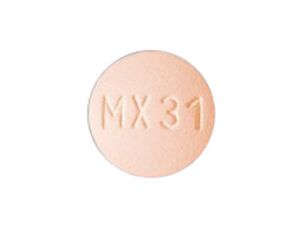
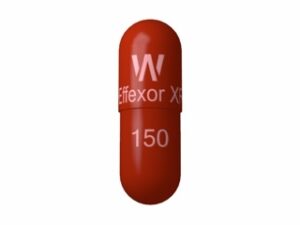
Fludac is typically taken as a tablet or capsule form, depending on the product strength available. Your pharmacist or prescriber can confirm the exact formulation and strength you have.
How Fludac works (mechanism of action)
Fluoxetine belongs to the SSRIs. It works by:
- Blocking serotonin reuptake
- Gradually improving brain signalling: The mood and anxiety benefits usually build over time as the brain adapts.
Unlike some medicines that can reduce symptoms quickly, SSRIs commonly require consistent use for several weeks to achieve full effect.
Pharmacokinetics: how the body processes fluoxetine
Understanding pharmacokinetics can help explain why dosing schedules and missed doses matter.
| Parameter | What it means for you |
|---|---|
| Absorption | Fluoxetine is absorbed after taking a dose; blood levels build with regular daily use. |
| Active metabolite | Fluoxetine is metabolised partly to norfluoxetine, which also has activity. |
| Half-life (long) | Fluoxetine and norfluoxetine remain in the body for an extended period. This can reduce “withdrawal-like” issues compared with some shorter-acting SSRIs, but it also means effects can persist after stopping. |
| Time to steady state | Repeated daily dosing generally leads to more stable blood levels after several weeks. |
| Metabolism | Mainly via liver enzyme systems. Other medicines that affect these enzymes can change fluoxetine levels. |
Typical uses and indications (what it’s used for)
Fludac (fluoxetine) is used to treat a range of mental health conditions. The exact indication and dose depend on diagnosis, age, severity, and other individual factors.
Common indications include:
- Major depressive disorder
- Obsessive-compulsive disorder (OCD)
- Panic disorder
- Some anxiety-related conditions (as clinically indicated)
For each condition, improvement may occur gradually, and the “right” dose may be adjusted over time based on response and side effects.
How to take Fludac: timing and dosing basics
Your healthcare professional will determine the most appropriate dose. The information below is general guidance.
Typical dosing frequency
- Often once daily, at a consistent time.
What time of day?
Many people choose a morning dose, especially if it causes insomnia or restlessness. If it makes you feel drowsy, your clinician may suggest taking it in the evening. Choose a time that is easy to remember and keep it consistent.
Can it be taken with or without food?
Fluoxetine can generally be taken with or without food. Food usually doesn’t significantly change the effectiveness, though some people find taking it with food reduces nausea.
What if you miss a dose?
- If you remember on the same day, you can usually take it then.
- If it is nearly time for the next dose, skip the missed dose and continue as normal.
- Do not take double doses to make up for a missed dose.
Because fluoxetine has a long half-life, missing one dose may not cause immediate problems, but consistency helps treatment work as intended.
Food interactions
Fluoxetine does not have a major, well-established food restriction for most people. However, practical considerations include:
- Maintain stable eating habits if nausea or appetite changes occur.
- Grapefruit is not always a major concern for fluoxetine, but grapefruit and other substances that affect liver enzymes may still interact with medications. If you consume grapefruit frequently, discuss with your pharmacist.
- St John’s wort (an herbal product) can interact with many antidepressants and is generally not recommended while taking fluoxetine.
If you notice stomach upset, nausea, or reduced appetite, consider taking the dose with a meal (if appropriate for your product instructions) and talk to a clinician if symptoms persist.
Alcohol interactions and guidance
Mixing alcohol with antidepressants is often not recommended. Alcohol can:
- Increase sedation or worsen dizziness
- Worsen mood and sleep, which may counteract treatment goals
- Increase the risk of risky behaviour, particularly during the early weeks of treatment
If you choose to drink alcohol, consider small amounts and monitor how you feel. Avoid binge drinking. If you have any history of alcohol dependence or frequent heavy drinking, ask a healthcare professional for personalised advice.
Medicine interactions (important)
Fluoxetine can interact with other medicines, including those that also affect serotonin, liver enzymes, or bleeding risk.
Tell your pharmacist or doctor about all medicines you take, including:
- Prescription medicines
- Over-the-counter products (including cough/cold and pain medicines)
- Herbal supplements
- Vitamin and mineral products
Examples of medicine interaction categories
- Other serotonergic medicines (risk of serotonin syndrome), such as certain migraine medicines, some opioids, and some antidepressants
- MAO inhibitors (a serious interaction risk)
- Medications affecting bleeding (e.g., some antiplatelet/anticoagulants or NSAIDs), which may increase bleeding risk
- Medicines metabolised by liver enzymes that fluoxetine can inhibit or affect
- Linezolid and methylene blue (antibiotics/medicines with serotonergic activity in certain settings)
Serotonin syndrome: what to watch for
Seek urgent medical help if you develop symptoms such as:
- High fever, agitation, confusion
- Fast heart rate and heavy sweating
- Tremor, muscle stiffness, or jerky movements
- Severe diarrhoea
This is uncommon but potentially serious. Do not “wait it out”.
Suicidal thoughts and mood changes
Antidepressants can sometimes be associated with increased risk of suicidal thinking in some people, particularly early in treatment or when doses change. Contact your clinician promptly if mood worsens, anxiety increases significantly, or you experience suicidal thoughts.
Dosing guidance (general information)
Only your healthcare professional can advise your exact dose. However, the following outlines common dosing principles.
Common approach
- Start low, increase slowly when needed to reduce side effects.
- Monitor response over several weeks.
- Adjust dose based on benefits and tolerability.
Typical dose ranges (adults)
In many clinical settings, fluoxetine dosing ranges commonly used for depression and related conditions fall within a broad spectrum. Your prescription label and clinician instructions are the definitive guide.
Important: Do not change your dose without advice. If side effects are troublesome, ask whether a dose adjustment or alternative strategy is appropriate.
Children and adolescents
Fluoxetine may be used for certain conditions in younger people under specific criteria. Dosing, monitoring, and safety planning are especially important. Follow the exact plan provided by your clinician and ensure regular follow-up.
What side effects to expect (safety profile)
Many people tolerate fluoxetine well, but side effects can occur—especially during the first days to weeks. Side effects are often temporary and may lessen as your body adjusts.
Common side effects
- Nausea, stomach upset, diarrhoea
- Headache
- Sleep changes (insomnia or sometimes sleepiness)
- Dry mouth
- Increased sweating
- Reduced appetite or mild weight changes
- Sexual side effects (e.g., reduced libido, delayed orgasm)
- Feeling more anxious or “restless” early on in some people
Less common but important side effects
- Mania or hypomania (e.g., unusually elevated mood, reduced need for sleep, risky behaviour)
- Abnormal bleeding (especially if combined with medicines that affect clotting)
- Low sodium (hyponatraemia), more likely in older adults or people taking certain diuretics
- Seizures (rare; risk may be higher in certain medical conditions)
When to seek urgent help
Get urgent medical assistance if you experience:
- Signs of serotonin syndrome
- Severe allergic reaction (swelling of face/lips, breathing difficulty)
- Fainting, severe agitation, or extreme confusion
- Thoughts of self-harm or serious worsening depression
Practical use tips (helpful for daily life)
- Be consistent: Take it at the same time each day to maintain steady levels.
- Plan for the early phase: Some side effects may appear early. Give the medicine time unless symptoms are severe.
- Track symptoms: Consider noting sleep, appetite, anxiety, mood, and side effects weekly.
- Don’t stop suddenly: If you decide to stop, do so only with medical guidance—fluoxetine stays in the body for a long time.
- Manage nausea: Taking with food may help; drinking water and eating small meals can reduce discomfort.
- Sleep hygiene: If insomnia occurs, avoid late caffeine, keep a consistent bedtime, and discuss changes if sleep doesn’t improve.
- Sexual side effects are real: If they occur, speak up—there are options and strategies.
Stopping or changing treatment
Because fluoxetine and its metabolite remain in the body for weeks, stopping can feel different from other antidepressants. You may still experience symptoms if treatment is stopped, reduced, or changed—especially if your regimen is altered.
Follow a gradual plan if recommended, and do not combine fluoxetine with other antidepressants unless your clinician provides a switching schedule. This helps reduce risks such as serotonin syndrome and relapse of symptoms.
Alternative options to consider
If fluoxetine isn’t suitable—because of side effects, incomplete response, interactions, or personal preference—there are other medication classes and specific alternatives that clinicians may consider.
Medication alternatives
- Other SSRIs (e.g., sertraline, citalopram, escitalopram)
- Other antidepressant classes (e.g., SNRIs such as venlafaxine or duloxetine, or other options depending on the condition)
- Non-medication approaches such as psychological therapies (e.g., CBT) may be used alone or alongside medication
Your best option depends on your diagnosis, previous treatment history, other medical conditions, and potential drug interactions.
Australia: market and legal context
In Australia, antidepressants including fluoxetine-containing products are regulated medicines supplied through licensed pharmacies. Availability is influenced by brand, strength, and formulation. The healthcare system typically supports medication access alongside appropriate screening and follow-up.
Practices may vary depending on your age, medical history, and diagnosis. Pharmacists play a key role in counselling on safe use, interactions, and monitoring.
Important note: Australian medicine availability and guidance can change. Always check the product label and consult your pharmacist if anything is unclear.
Recent guidance and monitoring points
While specific recommendations may vary over time and by health organisation, general monitoring principles for SSRIs in Australia include:
- Early follow-up after starting or changing dose, particularly for anxiety, sleep changes, or worsening symptoms
- Monitoring mood and behaviour, especially for suicidal thoughts or mania/hypomania
- Reviewing interactions with new medicines (including OTC and herbal products)
- Assessing tolerability and adjusting dose or treatment if side effects persist
If you have questions about current local recommendations, your GP or pharmacist can provide up-to-date advice tailored to your situation.
Delivery and availability (online pharmacy)
Fludac (fluoxetine) may be available through online pharmacies in Australia depending on stock, formulation, and strength. Delivery typically depends on:
- Product availability at dispatch
- Courier service and your delivery location
- Standard processing times and any required verification steps
When ordering online, double-check:
- The strength (mg) matches your treatment plan
- The form (tablet/capsule) is the correct one
- Your delivery address is correct and includes any unit details
Your pharmacy should provide estimated delivery timeframes and tracking information when applicable.
FAQ: Fludac (Fluoxetine)
1) How long does Fludac take to work?
Some people notice improvements in sleep, anxiety, or “edge” within 1–2 weeks. Full symptom relief for depression and OCD often takes 4–8 weeks or longer. Consistency is important.
2) Can I take Fludac at night?
Yes, for many people. If fluoxetine causes insomnia, taking it in the morning may help. If it causes sleepiness, an evening dose may be better. Use a schedule that suits your response and discuss with your pharmacist if unsure.
3) Does fluoxetine interact with caffeine?
Caffeine isn’t a direct “classic” interaction like serotonergic medicines, but it can worsen anxiety, restlessness, or sleep problems—especially early in treatment. If you experience increased anxiety or insomnia, consider reducing caffeine.
4) What side effects are most common at the beginning?
Nausea, headache, sleep changes, and restlessness can occur early. These often improve with time. If side effects are severe or you become unwell, seek medical advice promptly.
5) Can I drink alcohol while taking Fludac?
It’s generally best to limit or avoid alcohol because it can worsen mood, sleep, and overall wellbeing and may increase side effects like dizziness or sedation. If you do drink, keep it light and monitor how you feel.
6) What should I do if I miss a dose?
Take it when you remember on the same day, unless it’s close to the next dose—then skip the missed dose. Don’t double up. If you frequently miss doses, discuss strategies to improve adherence.
7) Is it safe to stop Fludac suddenly?
Do not stop suddenly without advice. While fluoxetine can stay in the body longer than some other SSRIs, your symptoms can still return or worsen. A plan for stopping or changing should be made with a healthcare professional.
8) Can Fludac cause weight changes?
Some people experience changes in appetite and weight. It varies—some gain, some lose, and for others it’s minimal. Monitoring your weight and discussing significant changes is helpful.
9) Can I take other medications such as pain relief?
Some medicines may interact or increase bleeding risk. For example, combining SSRIs with certain anti-inflammatory medicines (NSAIDs) may raise bleeding risk. Check with your pharmacist about any medicine you plan to take.
10) When should I seek urgent help?
Seek urgent medical assistance if you suspect serotonin syndrome, have severe allergic symptoms, develop signs of mania/hypomania, or experience thoughts of self-harm or serious worsening depression.
Important safety reminder
This information is general and cannot replace advice from your healthcare professional. If you have questions about whether Fludac is suitable for you, your interactions with other medicines, or how to manage side effects, contact a pharmacist or doctor.