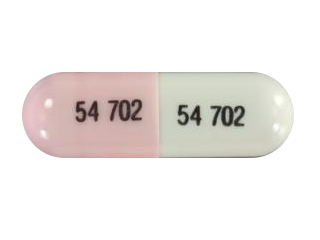


Lithium (Lithium Carbonate) — Patient Guide (Australia)
Lithium is a medicine used to treat and prevent certain mood disorders, particularly bipolar disorder. It has been used for many years and, when taken correctly and monitored appropriately, can help stabilise mood and reduce the risk of relapse. This guide explains how lithium works, how your body handles it, how to take it safely, key interactions, and what to expect when using lithium in Australia.
1) Basic product information
- Medicine name: Lithium (commonly as lithium carbonate; also available in other lithium salts depending on the brand)
- Therapeutic class: Mood stabiliser
- Common forms: Tablets/capsules (immediate-release and sometimes modified-release forms)
- How it’s used: Usually as a long-term treatment to maintain mood stability
- Key safety requirement: Regular blood tests to check lithium levels and kidney/thyroid function
Important note: Lithium has a relatively narrow “therapeutic window,” meaning that levels that are too low may be ineffective, while levels that are too high can cause serious side effects. Monitoring is central to safe use.
2) How lithium works (mechanism of action)
Lithium’s exact mechanism is complex and not fully understood, but several actions are involved in mood stabilisation:
- Modifying brain signalling: Lithium affects the activity of neurotransmitters and intracellular pathways involved in mood regulation.
- Influencing second messenger systems: It can alter signalling molecules inside cells that contribute to neuronal stability.
- Reducing neuronal excitability: By changing how neurons communicate, lithium may help prevent episodes of mania and depression in bipolar disorder.
- Neuroprotective effects (emerging evidence): Research suggests potential long-term protective effects on neurons, though clinical application remains guided by established safety monitoring.
Because lithium works gradually, it’s often used for maintenance (preventing mood episodes) and may take time to reach stable blood levels.
3) Pharmacokinetics (how your body handles lithium)
Pharmacokinetics describes how the body absorbs, distributes, metabolises, and eliminates lithium.
Absorption
- Lithium is absorbed from the stomach and intestine after oral dosing.
- How quickly it reaches peak levels depends on the product formulation (immediate-release vs modified-release).
Distribution
- Lithium distributes throughout the body fluids.
- Because lithium is handled by the kidneys, hydration and kidney function strongly influence levels.
Metabolism
- Lithium is not significantly metabolised by the body.
Excretion
- Kidneys eliminate lithium primarily by filtration and reabsorption processes.
- Changes in kidney function, dehydration, or certain medicines that affect kidney function can raise lithium levels.
Half-life (general concept)
- Lithium has an elimination half-life that typically supports once or multiple daily dosing depending on the formulation.
- Steady-state levels are reached only after several days, so dose changes require time and repeat monitoring.
4) Typical use in Australia
In Australia, lithium is used mainly for:
- Bipolar disorder (especially for maintenance and relapse prevention)
- Reducing risk of recurrent mood episodes when other strategies are not sufficient
- Sometimes in other mood-related conditions as part of specialist care, depending on the individual situation
Lithium is often considered when:
- There is a history of repeated manic or mixed episodes
- Maintenance of long-term mood stability is a priority
- There has been partial response or intolerance to other options
5) When to take lithium (timing and consistency)
Follow your specific product instructions and your prescriber’s plan. In general:
- Take at the same time(s) each day to keep levels steadier.
- Do not skip doses without advice; sudden changes can affect mood and lithium levels.
- If your medicine is modified-release, swallow whole and do not crush or split unless the product instructions specifically allow it.
Monitoring schedule (typical approach)
Many people need blood tests to check lithium levels and monitor safety parameters. A common pattern is:
- Baseline tests before starting
- More frequent tests after starting or changing dose
- Ongoing periodic tests once stable
Your testing frequency may vary based on kidney function, age, dose, and other medicines.
6) Food interactions and diet considerations
Lithium is strongly influenced by the body’s fluid and salt balance. While lithium can usually be taken with food, the most important dietary considerations relate to sodium (salt) intake and hydration.
- Staying hydrated: Dehydration (from vomiting, diarrhoea, heavy sweating, or not drinking enough) can raise lithium levels.
- Sudden major salt changes: Avoid drastic changes in sodium intake without medical advice.
- Consistent intake: If you follow a salt-restricted diet, do not abruptly change your pattern.
Practical tip: If you’re ill with a condition that causes fluid loss (e.g., gastroenteritis), discuss what to do with your lithium plan, especially whether to temporarily pause and when to restart. This should be decided with your healthcare team.
7) Alcohol interactions
Alcohol is not a direct “classic” lithium chemical interaction, but it can create risk indirectly:
- Dehydration: Alcohol can contribute to dehydration, which may raise lithium levels.
- Increased side effects: Alcohol may worsen dizziness, drowsiness, or coordination problems.
- Risky decision-making: Mood and safety can be affected, especially for people managing bipolar disorder.
If you choose to drink alcohol, do so cautiously and avoid binges. Seek personalised advice if you have kidney disease, are older, or notice side effects when combining alcohol and lithium.
8) Medicine interactions (especially important)
Lithium can interact with multiple medicines, mainly by changing kidney handling of lithium or affecting kidney function and fluid balance. Some interactions can significantly increase lithium levels, raising the risk of toxicity.
Medicines that may increase lithium levels
- Non-steroidal anti-inflammatory drugs (NSAIDs) (e.g., ibuprofen, naproxen, diclofenac): can reduce lithium clearance.
- Some blood pressure medicines, especially:
- ACE inhibitors (e.g., perindopril, lisinopril)
- Angiotensin receptor blockers (ARBs) (e.g., losartan, valsartan)
- Diuretics (especially thiazides): can raise lithium levels.
- Other medicines affecting renal blood flow or kidney function may increase levels.
Medicines that require careful review
- Other psychotropic medicines: monitoring may be needed for combined effects.
- Medications that affect hydration or cause vomiting/diarrhoea: these can indirectly change lithium concentrations.
- Herbal supplements and some over-the-counter products: always check ingredients and discuss with a pharmacist.
Always check before starting anything new
Even common products may matter. Tell your pharmacist about all medicines and supplements you use, including:
- OTC pain relievers (particularly NSAIDs)
- Decongestants or “cold and flu” products
- Herbal remedies
- Diuretics or blood pressure tablets
9) Indications (what lithium is used for)
Lithium is used to treat and prevent mood episodes associated with bipolar disorder. Common indications include:
- Maintenance treatment for bipolar disorder to reduce relapse risk
- Prevention of recurrent manic, hypomanic, and mood episodes in suitable patients
- Specialist-led options when clinically appropriate based on individual response and risk factors
10) Dosing (general principles)
Lithium dosing is highly individual. The “right dose” is the dose that achieves safe blood levels and clinical benefit while avoiding toxicity. Therefore, dose selection is based on:
- Your lithium blood level results
- Kidney function
- Age and overall health
- Other medicines and fluid/salt status
- Whether you’re using immediate-release or modified-release formulations
Starting and adjusting doses
- Doses are typically started at a conservative level and adjusted gradually.
- Blood tests help determine whether dose increases or decreases are needed.
- After any dose change, waiting time is needed to reach a new steady state before rechecking levels.
Common approach to monitoring
A typical testing plan includes checking lithium levels at appropriate times relative to the dose and product type. Your healthcare team will specify the exact timing for your blood test.
Do not adjust your dose on your own. If you miss doses or suspect toxicity, contact a healthcare professional promptly.
11) Safety profile and side effects
Lithium can be effective, but it has important safety considerations. Side effects can occur even at “therapeutic” levels in some individuals. Toxicity risk increases when levels rise too high, especially with dehydration, kidney impairment, or interacting medicines.
Common side effects
- Tremor (fine shaking), especially early in treatment
- Increased thirst and frequent urination
- Nausea or stomach discomfort
- Weight changes
- Light-headedness or fatigue
- Loose stools in some people
Serious side effects (possible lithium toxicity)
Seek urgent medical help if you suspect toxicity. Signs may include:
- Severe or worsening tremor
- Severe nausea, vomiting, diarrhoea
- Confusion, unusual drowsiness, trouble speaking
- Severe unsteadiness or coordination problems
- Fainting or seizures (rare but serious)
Long-term risks that require monitoring
- Kidney effects: Lithium can affect kidney function over time in some people.
- Thyroid effects: It can contribute to hypothyroidism (underactive thyroid) and sometimes other thyroid changes.
- Parathyroid/ calcium effects: In some cases, calcium regulation may be affected.
When to contact a healthcare professional urgently
- Signs of dehydration (persistent vomiting/diarrhoea, inability to keep fluids down)
- New severe symptoms or sudden worsening of tremor or confusion
- Accidental overdose or taking an extra dose
- Starting or stopping interacting medicines without advice
12) Practical use tips (how to take lithium safely)
- Keep your hydration consistent: aim for regular fluid intake, especially during hot weather or illness.
- Be cautious with “as needed” NSAIDs: ask your pharmacist what pain relief is safest for you.
- Tell healthcare providers you take lithium, including dentists and emergency services.
- Avoid abrupt salt intake changes: if you’re advised to follow a low-salt diet or increase salt, discuss how that affects lithium.
- Adhere to blood test schedules: monitoring is essential for safety and dose accuracy.
- Use a medication reminder to reduce missed doses.
- Know your products: immediate-release vs modified-release affects timing and blood test interpretation.
Managing missed doses
If you miss a dose, do not double up unless your healthcare team has advised this. Because timing and steady levels matter, seek guidance from your pharmacist on what to do based on your dose schedule.
13) Alternative options to lithium
Depending on your diagnosis, symptoms, and past response, clinicians may consider other treatments for bipolar disorder or mood stabilisation. Alternatives include:
- Valproate (for some mood episodes and maintenance)
- Carbamazepine
- Lamotrigine (often used for bipolar depression prevention/maintenance)
- Atypical antipsychotics (some have maintenance roles)
- Psychological therapies alongside medication (e.g., structured strategies for coping and relapse prevention)
Medication choice depends on factors such as symptom pattern (mania vs depression), kidney and thyroid status, comorbidities, and interaction risk.
14) Lithium in the Australian market & legal context
In Australia, lithium is regulated and provided through the normal healthcare supply system. Availability and requirements can differ by formulation and brand. Because lithium requires monitoring and has interaction risks, healthcare professionals generally guide its safe use.
Key practical points for Australia:
- Ongoing monitoring: In practice, blood tests and clinical review are integral to continued treatment.
- Safety communication: Pharmacists and prescribers emphasise interaction checks (NSAIDs, diuretics, blood pressure medicines).
- Product details vary: Different brands and release types can have different dosing schedules.
Recent guidance and clinical emphasis: Recent clinical practice has continued to stress careful monitoring, attention to kidney and thyroid function, education about dehydration/illness precautions, and cautious use alongside interacting medications. Always follow the most up-to-date advice provided by your treating healthcare professional.
15) Delivery and availability (online pharmacy)
Availability of lithium products may vary by brand and release type. If you order online, delivery times typically depend on stock location and service area across Australia.
What you can expect when ordering:
- Product listing details: The specific brand, strength, and formulation should be clear.
- Packaging: Tablets/capsules are usually supplied in manufacturer packaging suitable for storage.
- Cold/temperature control: Lithium generally does not require refrigeration, but store as directed on the label.
Storage reminder: Keep lithium in a cool, dry place and out of reach of children. Avoid excessive heat or moisture. If you’re unsure about storage for your specific brand, check the product label.
16) Lithium FAQ
How long does it take for lithium to start working?
Lithium levels in the blood rise over several days as the body reaches steady state. Symptom improvement can occur gradually. For maintenance, benefit is often seen over time, not overnight.
Why do I need regular blood tests?
Lithium levels need to remain within a safe range for effectiveness while avoiding toxicity. Blood tests also help assess kidney and thyroid safety.
Can I take lithium with food?
In most cases, lithium can be taken with or without food. The more important issue is maintaining hydration and consistent routines. If your doctor or label instructions specify a particular method, follow that.
What should I do if I get gastroenteritis (vomiting/diarrhoea)?
Fluid loss can raise lithium levels quickly. Contact a healthcare professional promptly for advice on whether to temporarily pause lithium and when to restart. Don’t wait until you feel extremely unwell.
Is it safe to take ibuprofen or other pain relief?
NSAIDs like ibuprofen can increase lithium levels in some people. Ask a pharmacist what pain relief is safest for you while on lithium.
Can I drink alcohol while taking lithium?
Alcohol may increase dehydration and worsen dizziness or drowsiness. If you choose to drink, keep it moderate, stay hydrated, and avoid binge drinking. Seek personalised advice if you have kidney problems or experience side effects.
Does lithium cause weight gain?
Some people experience weight changes. If you notice rapid or troublesome changes, discuss them with your healthcare team—diet, activity, thyroid status, and fluid balance can all play roles.
What side effects should worry me?
Urgent attention is needed for symptoms that suggest possible toxicity (e.g., severe vomiting/diarrhoea, confusion, marked unsteadiness, or seizures). If you have severe or unusual symptoms, contact emergency services.
Can lithium affect the thyroid?
Yes. Lithium can contribute to hypothyroidism in some people. Regular thyroid monitoring is commonly used to detect changes early.
What happens if I stop lithium suddenly?
Stopping lithium abruptly can increase the risk of relapse and may destabilise mood. Always discuss changes with your healthcare team. Never stop or reduce lithium without guidance.
Are there alternatives if lithium doesn’t suit me?
Yes. Depending on your specific condition and history, clinicians may consider other mood stabilisers or treatments for bipolar disorder. Your doctor can help determine the best option based on your risk profile and monitoring needs.
Quick reference table: key points for safe use
| Topic | What to know |
|---|---|
| Monitoring | Regular blood tests for lithium level; also kidney and thyroid checks |
| Hydration | Keep fluid intake steady; dehydration can raise lithium levels |
| Salt (sodium) | Avoid sudden major changes in salt intake |
| NSAIDs | May increase lithium levels—ask before using |
| Blood pressure medicines | Some types (e.g., ACE inhibitors/ARBs) can affect lithium—review interactions |
| Diuretics | Can raise lithium levels—interaction review is essential |
| Alcohol | Indirect risks via dehydration and increased side effects |
| Illness precautions | Vomiting/diarrhoea can require urgent advice about lithium dosing |
Final reminder
Lithium can be a highly effective mood stabiliser for the prevention of recurrent mood episodes. Because it requires careful monitoring and has important interactions—especially with dehydration, NSAIDs, diuretics, and certain blood pressure medicines—safe use depends on consistency, blood test follow-up, and proactive communication with your healthcare team.
If you have questions about a specific lithium brand, strength, or release type, or about interactions with medicines you already take, speak with a pharmacist for personalised guidance.