
Escitalopram (Lexapro® and other brands) – Patient Guide (Australia)
Escitalopram is a widely used medicine for treating common mental health conditions such as depression and anxiety. It belongs to a group of medicines called SSRIs (selective serotonin reuptake inhibitors). This guide explains what escitalopram is, how it works, how the body handles it, typical uses, timing, food and alcohol interactions, practical tips, safety information, and what to expect in Australia.
Important: This information is for education only and does not replace advice from a healthcare professional. If you have questions about your specific situation, ask your doctor or pharmacist.
1) Basic product information
- Generic name: Escitalopram
- Brand examples: Lexapro® and other locally available brand names
- Medicine class: SSRI (selective serotonin reuptake inhibitor)
- Common strengths: 5 mg, 10 mg, 15 mg, 20 mg (availability may vary)
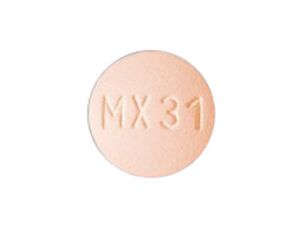
- Forms: Tablets (and in some markets, other formulations may exist)
In Australia, escitalopram is a prescription medicine and availability may differ by pharmacy and medication supply.
2) Mechanism of action (how escitalopram works)
Escitalopram works primarily by affecting serotonin, a natural chemical (neurotransmitter) involved in mood, sleep, appetite, and stress response.
- SSRIs block serotonin reuptake: Escitalopram inhibits the serotonin transporter (SERT), reducing the reabsorption of serotonin by nerve cells.
- Serotonin signals remain longer: This increases serotonin activity in the brain, helping to improve symptoms over time.
- Gradual symptom improvement: Although serotonin changes can occur soon after dosing, mood and anxiety improvement typically take days to weeks as brain adaptation occurs.
3) Indications (what it is used for)
Escitalopram is used to treat conditions including:
- Depression (major depressive disorder)
- Generalised anxiety disorder (GAD)
- Social anxiety disorder (social phobia)
- Panic disorder (with or without agoraphobia)
- Obsessive-compulsive disorder (OCD) in some cases (depending on local guidance and clinician assessment)
For many people, the “fit” is individual—your clinician may choose escitalopram if it suits your symptoms, past treatment history, and risk factors.
4) Typical dosing and how to take it (timing)
Dose varies based on the condition being treated, your age, other medications, and how you respond. Common starting doses are often lower to reduce side effects, then adjusted gradually.
Typical approach (general patient overview)
- Starting low: Many people start at a lower dose (for example, 5 mg or 10 mg daily) to help minimise early side effects.
- Adjust gradually: Your prescriber may increase the dose after assessing response and tolerability.
- Maintenance: Once symptoms improve, a stable effective dose is used to maintain benefit.
When to take it
Escitalopram is usually taken , around the same time each day. You can take it with or without food.
- If it makes you sleepy: consider taking it in the evening (unless your doctor advises otherwise).
- If it affects your sleep (insomnia): consider taking it in the morning.
How long until it works?
- First changes: some people notice changes in 1–2 weeks.
- More noticeable improvement: often 2–6 weeks.
- Full benefit: may take several weeks, especially for anxiety symptoms.
If you feel worse early on, it’s important not to stop suddenly without medical advice. Early adjustment is common with anxiety disorders, and your clinician can guide safer options.
5) Pharmacokinetics (how the body absorbs and processes escitalopram)
Pharmacokinetics describes how a medicine is absorbed, distributed, metabolised, and eliminated.
- Absorption: Escitalopram is absorbed after oral dosing, with peak blood levels typically reached within a few hours.
- Distribution: It is distributed throughout the body and can cross into the brain where it influences serotonin signalling.
- Metabolism: Mainly metabolised in the liver, including by enzymes of the cytochrome P450 system (commonly involving CYP2C19 and other pathways).
- Elimination: Metabolites are eliminated largely through the kidneys and partly through other routes.
- Half-life: Escitalopram has a half-life of roughly about 27–32 hours (may vary by person), which supports once-daily dosing.
Because liver function and drug interactions can affect metabolism, clinicians may adjust the dose for people with significant liver impairment or who take interacting medicines.
6) Food interactions
Escitalopram can be taken with or without food. Food is not generally expected to meaningfully reduce effectiveness.
Practical tip: Choose a routine you can stick to (e.g., with breakfast or after dinner) to help with adherence.
7) Alcohol interactions and general substance advice
Alcohol may worsen:
- Depression and anxiety symptoms
- sleep quality
- side effects such as dizziness, drowsiness, and impaired coordination
While a strict “no interaction” statement may vary by individual circumstances, combining escitalopram with alcohol is generally not recommended because it can make it harder to judge symptom improvement and can increase the risk of adverse effects.
If you drink alcohol, discuss safe limits with your doctor or pharmacist.
8) Medicine interactions (important examples)
Escitalopram can interact with other medicines, potentially increasing side effects or changing effectiveness. Always tell your healthcare provider about all medicines and supplements you take (including over-the-counter products).
Key interaction types to know
- Other serotonergic medicines: Combining with medicines that increase serotonin may raise risk of serotonin syndrome (a potentially serious condition). Examples can include some migraine medicines (triptans), certain pain medicines (e.g., tramadol), and some antidepressants.
- MAOIs: Do not combine with monoamine oxidase inhibitors (MAOIs) or certain related drugs unless specifically planned with appropriate washout timing.
- Linezolid and methylene blue: These antibiotics/agents can affect monoamine pathways and may require careful avoidance or monitoring.
- QT prolongation risk: Escitalopram may affect heart rhythm (QT interval) in some circumstances, especially with other medicines that also prolong QT or with low potassium/magnesium.
- CYP metabolism interactions: Medicines that inhibit or strongly affect CYP enzymes (particularly CYP2C19) can raise escitalopram levels.
- Bleeding risk: SSRIs may increase bleeding tendency, especially when combined with NSAIDs (like ibuprofen/naproxen), aspirin, or anticoagulants (blood thinners).
Common medicine categories to mention to your pharmacist
- Triptans for migraine
- Other antidepressants
- St John’s wort (herbal supplement)
- Tramadol or other opioid-like medicines
- Antipsychotics or anti-nausea medicines that may affect QT
- Blood thinners and antiplatelet medicines
- NSAIDs for pain/inflammation
Practical tip: Bring a list (or photos) of your medicines to appointments or share it through your pharmacy account where available.
9) Safety profile (what to watch for)
Like all medicines, escitalopram can cause side effects. Many are mild and improve within the first few weeks. However, some symptoms may require urgent medical attention.
Common side effects
- Nausea
- Headache
- Sleep changes (insomnia or sleepiness)
- Dizziness
- Dry mouth
- Increased sweating
- Tremor (shakiness)
- Sexual side effects (reduced libido, delayed orgasm)
- Changes in appetite/weight (varies by person)
Less common but important warnings
- Worsening anxiety early on: Some people with anxiety conditions may feel more restless at the start. Clinicians often manage this with gradual dosing.
- Serotonin syndrome: Seek urgent help if you experience symptoms such as agitation, confusion, fever, sweating, muscle stiffness, shaking, or diarrhoea—especially after dose changes or interacting medicines.
- Mania/hypomania: In people with bipolar disorder risk, SSRIs can trigger mood elevation or agitation. Tell your doctor if you develop unusually high energy, decreased need for sleep, or risky behaviour.
- Abnormal bleeding: Report easy bruising, bleeding gums, nosebleeds, black/tarry stools, or blood in vomit.
- Low sodium (hyponatraemia): Watch for severe headache, confusion, weakness, or fainting—particularly in older adults or those on diuretics.
- Heart rhythm changes (QT prolongation): If you have known heart rhythm problems, discuss this with your clinician. Seek help if you faint or have sustained palpitations.
Stopping and withdrawal symptoms
Stopping SSRIs suddenly can cause discontinuation symptoms such as dizziness, “brain zaps,” nausea, irritability, and sleep disturbance. If you need to stop, your prescriber will usually recommend a gradual taper.
10) Practical use tips (patient-friendly)
- Take it daily: Escitalopram works with consistent dosing. Missing doses may reduce effectiveness.
- Give it time: Anxiety may take longer than you expect. Track progress week by week.
- Manage early side effects: If nausea occurs, taking the tablet with food or in the evening (if it suits you) may help.
- Don’t double up: If you miss a dose, take it when you remember unless it is close to the next dose. Follow advice from your pharmacist.
- Plan dose changes with support: If you increase or decrease the dose, be attentive to side effects and contact your clinician if needed.
- Consider therapy alongside medicine: Many people benefit from psychological therapies such as CBT, particularly for anxiety and depression.
- Keep a simple log: Note sleep, anxiety, mood, and side effects to help your clinician adjust dosing safely.
11) Alternative options (if escitalopram isn’t suitable)
If escitalopram does not provide enough benefit or causes side effects that are difficult to manage, your clinician may consider other options.
Medication alternatives (examples)
- Other SSRIs: such as sertraline, fluoxetine, paroxetine (selection depends on symptoms, tolerability, and interactions).
- SNRIs: such as venlafaxine or duloxetine (often considered when pain or anxiety co-exists).
- Other antidepressants: such as mirtazapine or tricyclic antidepressants in specific cases (depending on risk profile).
- Short-term symptom support: For anxiety flare-ups, clinicians may use temporary supportive strategies (non-benzodiazepine approaches are increasingly preferred where appropriate).
Non-medicine alternatives
- Psychological therapy: CBT, mindfulness-based therapies, and other evidence-based approaches.
- Lifestyle strategies: sleep routine, regular physical activity, stress management, and limiting alcohol.
- Support services: counselling and mental health support programs available in Australia.
Your choice should reflect your symptoms, health history, and preferences.
12) Escitalopram in Australia: market and legal context
In Australia, prescription medicines are regulated under the Therapeutic Goods Administration (TGA) framework. Escitalopram is listed as a prescription-only medicine (often referred to as Schedule 4 in Australia), meaning it requires assessment and direction by a healthcare professional.
Online pharmacy services that supply prescription medicines typically follow Australian regulatory requirements, including:
- verification of eligibility and appropriate medication supply channels
- safe dispensing and patient information
- pharmacist involvement when required
- adherence to storage, shipping, and labelling standards
Recent guidance (general overview): Across Australia, clinical recommendations continue to emphasise careful monitoring during initiation, attention to suicide risk in vulnerable groups, and mindful management of discontinuation. SSRIs are widely used, and clinicians commonly consider dose adjustments and patient-specific factors (age, liver function, comorbidities, and interacting medicines).
13) Delivery, availability, and storage
Availability
Escitalopram is commonly available through Australian pharmacies. Stock levels can vary depending on your local pharmacy and manufacturer supply.
Delivery (online pharmacy)
If your chosen pharmacy offers delivery, it typically includes:
- Secure packaging to protect tablets from damage
- Tracking where offered
- Delivery to your nominated address
Delivery timeframes depend on location, courier partners, and pharmacy dispatch schedules.
Storage
- Store at room temperature unless your product label says otherwise.
- Keep out of reach of children.
- Keep in the original packaging to protect from moisture and light as directed.
- Check the expiry date before use.
14) When to seek urgent medical help
Get urgent medical attention or contact local emergency services if you experience:
- Signs of serotonin syndrome (high fever, severe agitation, confusion, muscle stiffness, severe shaking, diarrhoea)
- Severe allergic reaction (swelling of face/lips, difficulty breathing)
- Fainting, severe dizziness, or chest pain
- Manic symptoms (extreme elevation/irritability, risky behaviour, or not sleeping for long periods)
- Thoughts of self-harm or suicide or sudden worsening of distress
If you are in immediate danger, call emergency services in Australia (000).
15) FAQ
How quickly will escitalopram help my symptoms?
Some people notice early changes within 1–2 weeks, but it usually takes 2–6 weeks for more noticeable improvement. Anxiety disorders can take longer than depression for symptom relief.
Can I take escitalopram with food?
Yes. Escitalopram can be taken with or without food. If you experience nausea, taking it with food may be helpful.
Is it safe to drink alcohol while taking escitalopram?
Alcohol can worsen mood and anxiety and may increase side effects like dizziness or drowsiness. It’s generally best to avoid or minimise alcohol and discuss your situation with a pharmacist or doctor.
What should I do if I miss a dose?
Take the missed dose when you remember unless it is close to your next scheduled dose. Do not take two doses at once. For personalised advice, follow the directions from your pharmacist or product information.
Will escitalopram change my ability to drive or operate machinery?
Some people experience dizziness or sleepiness, especially early in treatment. Until you know how it affects you, take care with driving or machinery use.
Can I stop escitalopram suddenly?
Stopping suddenly can cause discontinuation symptoms. If you want to stop, your doctor will usually recommend a gradual dose reduction.
What side effects are most common?
Common side effects include nausea, headache, sleep changes, dizziness, sweating, tremor, and sexual side effects. Many improve after the first few weeks.
Are there medicines I should avoid with escitalopram?
Escitalopram can interact with other serotonergic drugs, MAOIs, some migraine medicines (triptans), certain antibiotics/agents, blood thinners, NSAIDs, and medicines that affect heart rhythm (QT). Always review your medication list with a pharmacist.
Does escitalopram affect weight?
Weight change can occur but varies. Some people experience appetite changes early on; longer-term weight changes differ between individuals.
Is escitalopram suitable for older adults?
It can be used in older adults, but clinicians often start at lower doses and monitor for side effects such as low sodium (hyponatraemia) and increased bleeding risk, especially if other medicines are used.
Summary
Escitalopram is an SSRI medicine used for depression and a range of anxiety disorders. It works by increasing serotonin activity in the brain and typically requires consistent daily dosing to achieve symptom improvement over weeks. Food does not usually affect it significantly, but alcohol may worsen symptoms and side effects. Because escitalopram can interact with other medicines and may have important safety considerations (including serotonin syndrome risk with certain combinations and discontinuation symptoms if stopped suddenly), it’s best used with guidance from healthcare professionals.
For availability and delivery within Australia, speak with your local or online pharmacy team and ensure your medication plan and safety checks are up to date.