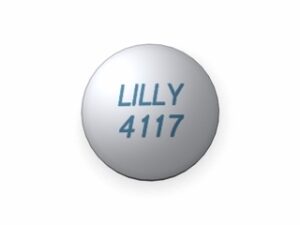


Citalopram (citalopram hydrobromide) — Patient Guide (Australia)
Citalopram is an antidepressant medicine used to treat certain mental health conditions. This page provides clear, practical information about how citalopram works, how it’s used, what to expect, and important safety considerations. Always follow the instructions provided by your clinician or pharmacist.
Quick Facts
- Active ingredient: Citalopram hydrobromide
- Medicinal class: Selective Serotonin Reuptake Inhibitor (SSRI)
- Common uses: Depression and anxiety-related conditions (as determined by your clinician)
- Typical dosing form: Tablets (strengths vary by product)
- Onset: Some benefits may start within 1–2 weeks; full effect often takes several weeks
Basic Product Information
Citalopram hydrobromide is a prescription antidepressant medicine. It works by affecting serotonin signalling in the brain. Serotonin is a chemical messenger involved in mood, sleep, appetite, and anxiety regulation.
In Australia, citalopram products are marketed under various brand and generic forms depending on availability. Your pharmacist can help confirm the exact strength you have and how to take it.
| Category | Details |
|---|---|
| Medicine name | Citalopram (citalopram hydrobromide) |
| Type | SSRI antidepressant |
| How it’s taken | Usually once daily (timing depends on tolerance) |
| Common side effects | Nausea, headache, sleep changes, sexual side effects, dry mouth, increased sweating |
| Key safety points | Serotonin syndrome risk with interacting medicines; QT (heart rhythm) concerns in certain situations |
How Citalopram Works (Mechanism of Action)
Citalopram is an SSRI, meaning it increases the availability of serotonin in the brain by blocking the serotonin reuptake transporter. In simpler terms, it helps serotonin stay active in the synaptic space (the area between nerve cells), which can improve mood and anxiety symptoms over time.
Unlike some fast-acting medicines, SSRIs typically require consistent daily use for weeks to achieve their full therapeutic effect. Early changes may occur in sleep, appetite, or anxiety, while mood improvements often follow later.
Pharmacokinetics (How the Body Processes It)
Pharmacokinetics describes what the body does to a medicine—how it absorbs, distributes, metabolises, and eliminates it.
- Absorption: Citalopram is absorbed after oral dosing.
- Distribution: It distributes throughout the body, including the central nervous system.
- Metabolism: Primarily metabolised in the liver.
- Elimination: Exits the body mainly through metabolism and subsequent excretion.
- Half-life: The elimination half-life is long enough that daily dosing is usually practical.
Because metabolism involves the liver and drug transport mechanisms, dose adjustments may be needed for some people, particularly those with liver impairment or those taking medicines that interact with citalopram metabolism.
What Citalopram Is Used For (Indications)
Citalopram is used for conditions such as:
- Depressive disorders (including major depression)
- Anxiety-related disorders (for example, panic disorder and other anxiety conditions, depending on clinical assessment)
The exact indication and suitability for you depend on your medical history, symptom pattern, and risk factors. Your pharmacist can discuss common use patterns and what to monitor.
Typical Timing and How to Take It
Citalopram is usually taken once daily. Many people take it in the morning, while others find taking it at night suits them better (especially if it affects sleep).
Starting and titration
- Begin with a lower dose to improve tolerability.
- Increase gradually if needed, based on response and side effects.
- Do not change dose frequency without clinician guidance.
Consistency matters
Try to take citalopram around the same time each day. Consistency helps maintain steadier levels in the body and may reduce withdrawal-type symptoms if doses are missed.
Dosing Information (General Guidance)
Dosing varies depending on the condition being treated, age, liver function, other medicines, and individual tolerability. It’s important to use your specific product instructions.
- Adults: Often started at a lower dose, then adjusted.
- Older adults: Dose may be lower, and monitoring may be more frequent.
- Hepatic impairment (liver problems): Dose adjustments are commonly considered.
- Cardiac risk / QT concerns: Lower dosing may be recommended in some situations.
If you’re unsure of your prescribed dose or the correct strength for your tablet, ask your pharmacist.
What to Expect: When It Starts Working
Many people notice early changes within the first 1–2 weeks (for example, reduced anxiety or improved sleep), but mood improvement may take several weeks.
- First few days: Side effects may appear (e.g., nausea, headache, jittery feeling).
- 1–2 weeks: Some improvement in anxiety or sleep may occur.
- 3–6 weeks: More noticeable mood benefits are often seen.
If you feel worse after starting, or if symptoms rapidly intensify, contact your healthcare team promptly. In urgent situations, seek immediate help.
Food Interactions and Administration with Meals
Citalopram can generally be taken with or without food.
- If you experience nausea, taking it with food may help.
- Maintaining regular meals and hydration can also improve early tolerability.
Avoid sudden changes in diet or extreme dieting that could contribute to dehydration or electrolyte imbalances, which may affect heart rhythm risk in susceptible individuals.
Alcohol and Medicine Interactions
Alcohol
It’s generally recommended to limit alcohol while taking citalopram. Alcohol can:
- Worsen mood or anxiety symptoms
- Increase drowsiness and impair coordination
- Increase the chance of missing doses due to intoxication or poor routine
If you choose to drink, do so cautiously and in moderation—discuss with your pharmacist or clinician for personalised advice.
Important medicine interactions
Some medicines can increase the risk of serious side effects or change how citalopram works. Always tell your pharmacist about all medicines, supplements, and herbal products you take.
- Other serotonergic medicines: Risk of serotonin syndrome (e.g., certain migraine medicines like triptans, linezolid, some opioids such as tramadol, and other antidepressants).
- MAO inhibitors: Often require strict washout periods due to significant interaction risk.
- Medicines that affect heart rhythm (QT prolongation): The combination may increase risk in vulnerable people.
- Medicines affecting liver enzymes: Some drugs can raise citalopram levels, increasing side effects.
- Blood thinning medicines (e.g., warfarin): May increase bleeding risk in some people, especially around dose changes.
- NSAIDs (e.g., ibuprofen, naproxen) and antiplatelets: May increase the chance of bleeding when combined with SSRIs.
- Electrolyte-lowering medicines: Diuretics or other medicines that affect potassium/magnesium may increase QT risk if dehydration or low electrolytes occur.
Herbal products such as St John’s wort may affect serotonin and medicine metabolism and are generally best avoided unless your clinician advises otherwise.
Safety Profile and Side Effects
Like all medicines, citalopram can cause side effects. Many are mild and improve over time, but some require medical attention.
Common side effects
- Nausea
- Headache
- Sleep disturbances (insomnia or sleepiness)
- Increased sweating
- Dry mouth
- Agitation or feeling “on edge” early in treatment
- Sexual side effects (e.g., reduced libido, delayed orgasm)
- Reduced appetite or weight changes (varies by person)
Less common but serious risks
- Serotonin syndrome: Rare but potentially life-threatening. Seek urgent medical help if you develop fever, confusion, severe agitation, shaking/tremor, diarrhoea, fast heart rate, or muscle stiffness—especially after adding or increasing serotonergic medicines.
- QT prolongation / heart rhythm effects: Risk may be higher with higher doses, existing heart conditions, low potassium/magnesium, or interacting medicines. Report palpitations, fainting, or severe dizziness promptly.
- Bleeding risk: SSRIs may increase the risk of unusual bruising or bleeding, particularly when combined with blood thinners or NSAIDs.
- Hyponatraemia (low sodium): More likely in older adults or those taking diuretics. Symptoms may include headache, confusion, weakness, or seizures.
- Worsening mood or suicidal thinking: As with all antidepressants, monitoring is important when starting or changing dose. Seek urgent help if you feel unsafe or have thoughts of self-harm.
Pregnancy and breastfeeding (general considerations)
If you are pregnant, planning pregnancy, or breastfeeding, discuss risks and benefits with your clinician. Many factors are considered, including the severity of your illness, previous treatment response, and any obstetric risk factors.
Practical Use Tips
How to improve comfort during the first weeks
- Take it consistently each day at a time that suits you.
- Manage nausea by taking with food and staying hydrated.
- Plan for early changes in sleep—if it makes you drowsy, consider morning dosing changes; if it causes insomnia, consider evening dosing (confirm with your pharmacist).
- Don’t stop suddenly: Stopping abruptly can cause discontinuation symptoms (e.g., dizziness, “brain zaps,” irritability, nausea, flu-like feelings).
If you miss a dose
- If you remember the same day: take it when you remember.
- If it’s close to the next dose: skip the missed dose and take the next one at the usual time.
- Do not take a double dose to make up for the missed dose.
If you miss several doses or are unsure what to do, ask your pharmacist for tailored advice.
Stopping the medicine (discontinuation guidance)
When treatment is no longer needed, it’s usually recommended to taper gradually under clinical guidance to minimise discontinuation symptoms. Even though this page doesn’t provide a personalised schedule, your clinician/pharmacist can help you plan a safe taper.
Alternative Options
If citalopram isn’t suitable, other treatment options may be considered. Alternatives include:
- Other SSRIs: e.g., sertraline, escitalopram (depending on availability and suitability)
- SNRIs: e.g., venlafaxine, duloxetine
- Other antidepressants: depending on symptoms and comorbidities
- Psychological therapies: counselling or cognitive behavioural therapy (CBT) may complement medication
- Lifestyle and support strategies: sleep routine, physical activity, stress reduction, and social supports
The best choice depends on your symptom profile, side-effect preferences, past response to medications, and medical history. Discuss options with your healthcare team.
Market and Legal Context for Australia
In Australia, citalopram is an antidepressant medicine used under Australian medicines regulations and professional prescribing practices. Availability, brand names, and pack sizes can vary across wholesalers and pharmacies.
Online pharmacies in Australia commonly provide medicines via approved channels and supported by pharmacy services. Requirements may include patient verification and safe dispensing processes. Always purchase from legitimate Australian pharmacy providers.
Recent guidance and safety monitoring (high-level)
- Ongoing safety focus exists around QT prolongation and medicine interactions, particularly with higher doses and in people with risk factors.
- Health services emphasise monitoring after starting or changing dose, including attention to mood changes, anxiety shifts, and side effects.
- Guidance commonly reinforces careful review of concomitant medicines to reduce interaction risk and to support safe tapering if discontinuing.
Your pharmacist can tell you whether additional monitoring (e.g., assessment of risk factors, review of interacting medicines) is recommended for your specific circumstances.
Delivery and Availability (Online Pharmacy)
Availability of citalopram products may vary by supplier and strength. If you’re ordering online, the pharmacy site will typically show:
- Pack sizes and strengths available
- Estimated delivery times
- Conditions for delivery (e.g., rural/remote coverage and courier service)
- How substitutions are handled (if applicable)
To avoid delays, ensure the details needed for safe dispensing are correct. If a product is temporarily unavailable, the pharmacy may contact you about alternatives that are clinically equivalent and appropriately supplied.
When to Seek Urgent Help
Seek urgent medical help if you experience:
- Symptoms of serotonin syndrome (high fever, confusion, severe agitation, tremor, diarrhoea, muscle stiffness)
- Signs of significant heart rhythm problems (fainting, severe dizziness, persistent palpitations)
- Severe allergic reactions (swelling of face/lips, difficulty breathing, widespread rash)
- Thoughts of self-harm or feeling unsafe, particularly when starting or changing dose
In Australia, if you believe it is an emergency, call 000. For urgent mental health support, consider contacting emergency services or local crisis supports.
FAQ — Frequently Asked Questions
1) How long does it take for citalopram to work?
Some people notice changes within 1–2 weeks, but full benefits commonly take several weeks. If you don’t feel improvement after a reasonable trial, discuss with your clinician before adjusting anything.
2) Can I take citalopram with food?
Yes. You can usually take it with or without food. If nausea occurs, taking it with a meal may help.
3) What if I feel worse at the beginning?
Early side effects can sometimes feel uncomfortable. However, significant worsening—especially with agitation, new or increased suicidal thoughts, or severe restlessness—should be discussed promptly with a healthcare professional.
4) Is it safe to drive or operate machinery?
Some people experience sleepiness or dizziness, particularly early in treatment or when doses are changed. Until you know how it affects you, use caution with driving and machinery.
5) Can I drink alcohol while taking citalopram?
Alcohol may worsen depression/anxiety and increase side effects such as drowsiness. It’s generally best to limit alcohol and avoid binge drinking. Ask your pharmacist for advice tailored to your situation.
6) What medicines should I avoid?
Avoid or use caution with medicines that increase serotonin or affect heart rhythm, and let your pharmacist know about all medicines and supplements. Particularly important are MAO inhibitors, other serotonergic medicines, and some QT-prolonging or metabolism-affecting drugs.
7) What are common long-term side effects?
Sexual side effects and sleep or sweating changes can persist for some people. If these occur and affect your quality of life, don’t stop abruptly—discuss options with your clinician.
8) Can I stop citalopram suddenly?
Stopping suddenly can cause discontinuation symptoms. When stopping, most people taper gradually with professional guidance.
9) Does citalopram affect weight?
Weight changes can occur, but the direction and amount vary widely between individuals. Monitor your weight and discuss persistent changes.
10) Are there alternatives if citalopram isn’t working for me?
Yes. Alternatives may include other antidepressants (SSRIs or SNRIs), dose adjustments, or combining medication with psychological therapy. Your clinician can help determine the best plan for your symptoms and tolerance.
Important: This information is general and cannot replace personalised medical advice. If you have questions about citalopram, your specific dose, or interactions with your current medicines, speak with your pharmacist or clinician.