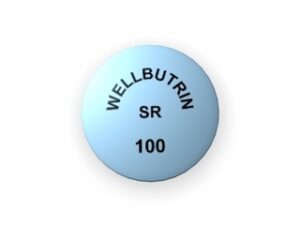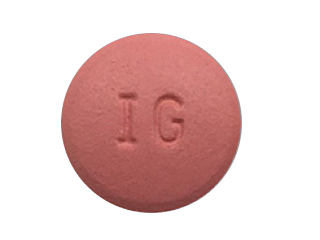
Bupropion (Bupropion Hydrochloride) – Patient-Friendly Medicine Information (Australia)
Bupropion hydrochloride is a medicine used for conditions such as depression and smoking cessation (depending on the product and dose form available). It works differently from many other antidepressants, which may make it suitable for some people who have not responded well to other options.
This page provides practical, easy-to-understand information about how bupropion works, how it is used, common safety considerations, and what to expect. Always follow the instructions given by your healthcare professional and the consumer medicine information (CMI) supplied with your product.
Quick Facts
- Active ingredient: Bupropion hydrochloride
- Common uses: Depression; smoking cessation (varies by formulation)
- How it works: Influences brain chemicals involved in mood and cravings
- Typical dosing: Often started at a low dose and increased gradually (depends on formulation)
- Common side effects: Nausea, headache, dry mouth, insomnia, increased sweating, jitteriness
- Important safety note: Can increase seizure risk, especially at higher doses or with certain risk factors
Basic Product Information
| Category | Information |
|---|---|
| Medicine name | Bupropion (bupropion hydrochloride) |
| Medicine class | Atypical antidepressant; also used for nicotine dependence (product/formulation dependent) |
| Forms | Available as immediate-release and modified-/extended-release formulations in many markets (confirm your specific product) |
| Typical dosing schedule | Varies by formulation (e.g., once daily for some extended-release products) |
| Branding | May be marketed under different brand names; check your packaging for exact details |
How Bupropion Works (Mechanism of Action)
Bupropion primarily affects the brain’s chemical messengers norepinephrine (noradrenaline) and dopamine. It is often described as an atypical antidepressant because it does not work like selective serotonin reuptake inhibitors (SSRIs) for many people.
In simplified terms, bupropion may:
- Block reuptake of norepinephrine and dopamine (helping them stay available longer)
- Reduce cravings and withdrawal symptoms for nicotine in some people (supporting smoking cessation)
- Support mood and concentration by influencing reward and motivation pathways
Key point: Because it works through norepinephrine/dopamine pathways, bupropion may be particularly useful for people who experience low energy, poor concentration, or motivation. It can also be chosen when someone needs an antidepressant with a different side-effect profile than some SSRIs.
Pharmacokinetics (Absorption, Distribution, Metabolism, Excretion)
Pharmacokinetics describes what the body does to the medicine. While the exact numbers depend on the specific formulation and patient factors, the overall pattern is well understood:
- Absorption: Bupropion is absorbed after oral dosing. Peak blood levels occur at different times depending on immediate-release vs modified-release forms.
- Metabolism: The medicine is broken down mainly in the liver. Several metabolites form, including hydroxybupropion and others, which may contribute to effect.
- Active metabolites: Some metabolites can have pharmacological activity, and overall clinical effect reflects both parent drug and metabolites.
- Elimination: Bupropion and metabolites are cleared from the body largely through the kidneys (via urine) and partly through other routes.
Practical implication: Because bupropion is metabolised in the liver and cleared by the body over time, dose adjustments and caution may be needed in people with liver or kidney impairment.
Typical Use and Indications
Bupropion may be used for:
- Depression (major depressive episodes). It may be used alone or as part of a broader treatment plan.
- Smoking cessation (helping people stop smoking) depending on the specific product and regulatory indications for that formulation.
Important: Not all bupropion products in all countries have the same approved uses. Confirm the indication for your specific item by checking the packaging and CMI.
When to Take Bupropion (Timing)
Timing can influence tolerability, especially sleep. Many people experience activation (feeling more alert) and may have difficulty sleeping if they take bupropion too late.
- Morning dosing is often preferred to reduce insomnia risk.
- If your product is extended-release and taken once daily, follow your product instructions for the recommended time.
- If your product is immediate-release and requires multiple doses, space doses as instructed and avoid late-evening dosing.
Tip: If you notice insomnia, consider discussing a time adjustment with your healthcare professional rather than skipping doses.
Food Interactions
Food effects: For many people, bupropion can be taken with or without food. However, individual products may have specific instructions regarding how to take them.
- If you experience nausea, taking bupropion with a small meal may help.
- Swallow tablets whole as directed. Do not crush or chew unless your product instructions specifically allow it.
- Maintain consistent routine: taking it at the same time each day can improve predictability.
Best practice: Refer to the CMI for your exact formulation (immediate-release vs extended-release), as instructions may differ.
Alcohol and Medicine Interactions
Alcohol
It’s wise to be cautious with alcohol while taking bupropion.
- Seizure risk: Alcohol can increase seizure risk, particularly with heavy or binge drinking and with sudden alcohol withdrawal.
- Side effects: Alcohol may worsen dizziness, drowsiness, and coordination problems for some people.
Practical advice: If you drink alcohol, discuss a safe limit with your healthcare professional. Avoid binge drinking, and don’t stop regular alcohol intake suddenly without medical guidance.
Medicine Interactions
Bupropion can interact with other medicines. Some combinations can raise bupropion levels, increase seizure risk, or affect mood stability.
Common interaction considerations include:
- Other medicines that can increase seizure risk (e.g., some antipsychotics, antidepressants, stimulants, certain antibiotics such as quinolones, and other drugs that lower seizure threshold)
- Medicines that affect liver enzymes (because bupropion is metabolised in the liver, enzyme inducers or inhibitors may change levels)
- Some antidepressants and psychiatric medicines (risk of mood changes or side effects may increase when combined)
- Nicotine replacement therapy or smoking cessation aids (often used together, but specific plans should be individualised)
Always tell your healthcare professional about:
- All prescription medicines
- All over-the-counter products (including cough/cold remedies)
- Herbal supplements
- Your alcohol use
Dosing (How It Is Typically Started and Adjusted)
Dose and schedule depend on:
- The condition being treated
- The formulation (immediate-release vs extended-release)
General approach (common practice):
- Start low to reduce side effects.
- Increase gradually if needed and as tolerated.
- Do not exceed the maximum daily dose for your specific product.
Because dosing details vary by product: check the CMI for your exact strength and release type. If you have questions about your prescription instructions, ask a pharmacist.
Missed dose
- If you miss a dose, take it when you remember unless it is close to the next dose.
- Do not take a double dose to make up for a missed tablet.
If you’re unsure, consult your CMI or ask a pharmacist for product-specific advice.
How Long It Takes to Work (Timing of Benefits)
For depression, symptom improvement typically happens over time:
- Early changes: some people notice improvements in energy, sleep, or concentration within the first 1–2 weeks.
- Full effect: antidepressant benefits often take several weeks (commonly 4–6 weeks, sometimes longer).
For smoking cessation (depending on indication and product), dosing schedules are designed to support quitting before and during the quit attempt. Follow your plan closely.
Important: If you feel worse, become agitated, or develop unusual mood changes—especially early in treatment—seek prompt advice from a healthcare professional.
Safety Profile and Warnings
Like all medicines, bupropion can cause side effects. Many are mild to moderate and improve as your body adjusts.
Common side effects
- Insomnia or disturbed sleep
- Headache
- Dry mouth
- Nausea
- Increased sweating
- Agitation, anxiety, or feeling “wired”
- Tremor or dizziness
Serious but uncommon risks
- Seizures: Risk increases with higher doses and certain risk factors.
- Allergic reactions: including rash, swelling, or breathing difficulty.
- Mania/hypomania: in people with bipolar disorder or those predisposed to it.
- Changes in mood and behaviour: including worsening depression, agitation, or unusual risk-taking—particularly early in treatment.
- High blood pressure: some people may experience increases; monitoring may be needed.
Seizure risk – key factors
Bupropion should be used with extra caution when any of the following apply:
- A history of seizures
- Eating disorders (such as bulimia or anorexia nervosa)
- Current or heavy alcohol use and risk of alcohol withdrawal
- Some conditions or medicines that can lower the seizure threshold
- Taking doses above recommended limits
When to seek urgent help
- Seizure activity
- Severe allergic reaction (e.g., swelling of face/lips, trouble breathing)
- Signs of severe mood change, suicidal thinking, or extreme agitation
- Chest pain, fainting, or severe worsening headache
Practical Use Tips (Making Treatment Easier)
- Take it at the right time: typically in the morning to reduce insomnia.
- Stick to the schedule: taking it consistently helps maintain stable effects.
- Do not change the dose on your own: small dose changes can significantly affect side effects.
- Track early effects: note sleep, mood, anxiety, and energy for the first few weeks to discuss with your clinician.
- Hydrate and manage dry mouth: sugar-free gum or water can help.
- Be cautious with driving or operating machinery if you feel dizzy or “activated.”
- Report worsening symptoms quickly: early treatment is a time for close monitoring.
Alternative Options
Depending on the reason you’re considering bupropion (depression, smoking cessation, or other goals), alternatives may include:
For depression
- SSRIs (e.g., sertraline, escitalopram, fluoxetine)
- SNRIs (e.g., venlafaxine, duloxetine)
- Mirtazapine (often considered when insomnia or low appetite is prominent)
- Other antidepressants based on symptoms and side-effect preferences
For smoking cessation
- Nicotine replacement therapy (patches, gum, lozenges)
- Varencicline (where appropriate and available)
- Behavioural support (counselling, quit programs, structured plans)
Which option is best depends on your medical history, other medications, symptom pattern, and preferences. Your healthcare professional can help select a tailored approach.
Market and Legal Context in Australia
In Australia, medicine access is regulated through the Australian regulatory and quality framework and the Scheduling/Pharmaceutical Benefits Scheme arrangements where applicable. Availability and restrictions depend on the specific product and how it is classified.
For consumers:
- Medicines may be categorised as prescription-only or subject to professional involvement.
- Pharmacists can guide you on safe use, suitability, interactions, and side effects.
- Consumer Medicine Information (CMI) is provided for approved products and includes key safety warnings and directions.
Note: Always ensure the product you receive matches the formulation and strength you intend to use, and follow the CMI instructions.
Recent Guidance and Monitoring (What to Expect in Practice)
Guidance for antidepressant medicines commonly emphasises:
- Careful assessment of mood disorders and risk factors before starting treatment
- Monitoring early in treatment for changes in mood, agitation, and sleep
- Reviewing dose and side effects after initiation and following dose changes
- Consideration of comorbidities (e.g., anxiety, bipolar risk, substance use)
In smoking cessation care, structured quit plans and behavioural support are often recommended alongside pharmacotherapy, improving the chances of success.
If you have questions about local clinical pathways or monitoring schedules, ask your pharmacist or healthcare provider.
Delivery and Availability (Online Pharmacy Information)
Availability can vary depending on stock, product form (immediate-release vs extended-release), and pack size. Many online pharmacies in Australia can:
- Verify product details (strength and formulation) before dispatch
- Confirm availability and expected delivery timeframes
- Package medicines appropriately for safe delivery
Delivery tips:
- Ensure your contact details are correct for delivery updates.
- Some areas may have different delivery schedules; check at checkout.
- If you need urgent supply, contact customer support to discuss options.
Storage: Store as directed on the packaging—typically at controlled room temperature, away from moisture and heat, and out of reach of children.
FAQ
1) What is bupropion used for?
Bupropion is used for depression and, depending on the specific approved product/formulation, may also be used to support smoking cessation. Check the indication on your product packaging and CMI.
2) How quickly will I feel better?
Some people notice changes in energy or concentration within 1–2 weeks, but full antidepressant benefit often takes several weeks (commonly 4–6 weeks). If you’re using it for quitting smoking, improvement is supported by a structured quit plan.
3) Will bupropion help with low energy and concentration?
For many people, because it influences norepinephrine and dopamine pathways, bupropion may help with low energy and concentration. Individual responses vary, so ongoing review with your healthcare professional is important.
4) Can I take bupropion with food?
In many cases, bupropion can be taken with or without food. If it upsets your stomach, taking it with a meal may help. Always follow the CMI for your specific product.
5) Is it safe to drink alcohol while taking bupropion?
Alcohol should be used with caution. Heavy/binge drinking and sudden withdrawal can increase seizure risk and worsen side effects. Discuss your situation and safe limits with your healthcare professional.
6) What side effects are most common?
Common side effects include insomnia, headache, dry mouth, nausea, increased sweating, and feeling jittery or agitated.
7) Does bupropion cause weight gain?
Weight effects vary between individuals. Some people experience minimal change, while others may notice changes in appetite. If weight changes concern you, discuss them early with your healthcare professional.
8) Can bupropion affect sleep?
Yes. Insomnia is common for some people. Taking it earlier in the day (often morning) can help. If sleep problems persist, seek advice about timing or dose adjustment.
9) What if I miss a dose?
Take it when you remember unless it is close to the next dose. Do not take a double dose. Refer to your CMI for product-specific guidance.
10) What should I tell my pharmacist or doctor before starting?
Tell them about seizure history, eating disorders, bipolar disorder risk, liver or kidney problems, alcohol use, and all medicines and supplements you take. This helps reduce the risk of interactions and serious side effects.
Summary
Bupropion hydrochloride is a medicine that helps treat depression and may support smoking cessation depending on the specific formulation and indication. It works largely by affecting norepinephrine and dopamine signalling, which can influence mood, energy, and cravings. Side effects like insomnia and dry mouth can occur, so timing and dose adherence are important.
For best results and safety, take bupropion exactly as directed, avoid exceeding recommended doses, be cautious with alcohol, and speak promptly to a healthcare professional if you notice severe symptoms or significant mood changes.