
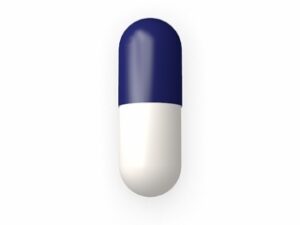
Cymbalta (Duloxetine) — Patient-Friendly Information (Australia)
Cymbalta is a brand of duloxetine, a medicine used to treat a range of conditions including depression, anxiety, chronic pain and some nerve-related pain syndromes. This page provides general, patient-friendly information about how duloxetine works, how it is used, common safety considerations and what to expect while taking it.
Medicines affect people differently. Always read the consumer medicines information (CMI) supplied with your product and follow the advice of your healthcare professional.
Basic product information
- Active ingredient: Duloxetine (as duloxetine hydrochloride)
- Brand name: Cymbalta
- Medicine type: Antidepressant with pain-modulating properties (SNRIs)
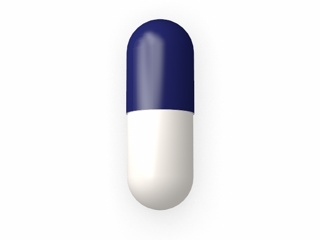
- Common dosage forms: Capsules (strengths vary by product/market listing)
- How it’s taken: Usually once daily or divided dosing depending on the condition and prescribed regimen
How Cymbalta works (mechanism of action)
Duloxetine is a SNRI (serotonin–norepinephrine reuptake inhibitor). It helps increase levels of certain brain chemicals involved in mood and pain processing:
- Serotonin and norepinephrine reuptake are reduced, leading to higher signalling in pathways related to mood regulation.
- In the nervous system, this can also reduce the way pain signals are amplified, which is why duloxetine can be effective for some chronic pain conditions.
In many people, pain relief can begin earlier than improvements in mood or anxiety, though the exact timing varies.
Pharmacokinetics (how the body handles duloxetine)
While exact values can vary among individuals, the general pharmacokinetic profile of duloxetine includes:
- Absorption: Duloxetine is absorbed after oral dosing. Food can affect the timing of absorption (see “Food interactions” below).
- Distribution: It distributes throughout the body and is extensively metabolised.
- Metabolism: Primarily metabolised by liver enzymes (notably CYP1A2 and CYP2D6).
- Elimination: Metabolites are excreted, mainly via the kidneys.
- Onset and steady levels: Effects build over days to weeks. Steady-state blood levels typically occur after several days of consistent dosing.
What it is used for (typical use & indications)
Cymbalta is used in Australia for a variety of conditions, commonly including:
- Major depressive disorder (MDD)
- Generalised anxiety disorder (GAD)
- Diabetic peripheral neuropathy (nerve pain due to diabetes)
- Chronic musculoskeletal pain (for example, chronic low back pain or pain related to osteoarthritis in some cases, depending on local guidance)
- Fibromyalgia (in some settings)
- Other chronic pain conditions may be considered based on clinical assessment and current local prescribing information.
Whether Cymbalta is suitable for you depends on your diagnosis, other medicines, medical history (especially liver or kidney conditions) and risk factors such as bipolar disorder or risk of serotonin syndrome.
Timing: when and how to take it
Your dosing schedule should follow the instructions given by your healthcare professional and the product label/CMI. In general:
- Take it consistently at the same time each day to maintain steady effect.
- Swallow capsules whole. Do not open, crush or chew unless instructed by your healthcare professional.
- If you miss a dose: Take it when you remember unless it is close to the next dose. Do not double up.
Some people find duloxetine more tolerable with food (see “Food interactions”). If you experience nausea or stomach discomfort, taking it with a meal may help.
Dosing overview (general information)
Dosage varies by indication, tolerability, and individual response. Your clinician may start at a lower dose and increase gradually to reduce side effects.
Important: The following is a general guide for understanding typical regimens; always use your own prescribed dose.
| Condition (examples) | Typical dosing approach (general) | Notes on adjustment |
|---|---|---|
| Depression (MDD) | Often started at a lower daily dose, then adjusted based on response | Improvements may take several weeks; dose increases are commonly gradual |
| Generalised anxiety disorder (GAD) | Similar titration approach to reduce early side effects | Some people feel changes sooner; full benefits can take time |
| Diabetic peripheral neuropathy | Usually titrated to balance pain relief with tolerability | Regular assessment of pain and side effects helps guide the dose |
| Chronic musculoskeletal pain | May start lower, with assessment after an initial trial period | Not everyone responds; clinicians may review ongoing need if benefits are insufficient |
| Fibromyalgia (where applicable) | Often started low and increased based on tolerability | Combination approaches (exercise, sleep, pain strategies) can support results |
If you’re changing dose: Do not alter your dose without medical advice. Stopping or rapidly reducing duloxetine can cause discontinuation symptoms (see “Safety profile” below).
Food interactions
Food can influence how duloxetine is absorbed:
- Take with food if needed: Many people tolerate duloxetine better when taken with meals, particularly if nausea occurs.
- Consistency is helpful: Once you find a comfortable approach (with or without food), keeping the routine consistent may reduce day-to-day variability.
There are no universal food “bans” for duloxetine, but individual tolerance and your overall health (for example, reflux or gastritis) may matter.
Alcohol interactions
Alcohol can increase the risk of side effects such as:
- Drowsiness and dizziness
- Impaired coordination
- Worsened mood or sleep in some people
- Liver strain—duloxetine is metabolised in the liver, and heavy alcohol use may increase the risk of liver problems
To reduce risk, it’s generally recommended to limit or avoid alcohol while taking Cymbalta, especially when starting treatment or when adjusting the dose. If you drink alcohol regularly or have any liver-related concerns, discuss this with your healthcare professional.
Medicine interactions (important)
Duloxetine can interact with other medicines through liver enzyme pathways and effects on serotonin and bleeding risk. This can increase side effects or reduce effectiveness. Tell your healthcare professional and pharmacist about all medicines you take, including over-the-counter products and herbal supplements.
Common interaction themes to discuss
- Other antidepressants/serotonergic medicines: combining with certain drugs may increase the risk of serotonin syndrome (a rare but serious condition).
- Triptans and migraine medicines: some combinations can raise serotonergic risk.
- Tramadol and certain strong pain medicines: may increase risk of serotonin-related side effects and dizziness.
- MAO inhibitors: generally avoided; washout periods may be required when switching (exact timing depends on the medicines involved).
- Anticoagulants/antiplatelet medicines (e.g., warfarin, some blood thinners, aspirin, clopidogrel): may increase bleeding risk, especially with NSAIDs and other agents that affect clotting.
- NSAIDs (e.g., ibuprofen, naproxen): may increase risk of stomach irritation or bleeding when used with duloxetine.
- Liver-metabolised drugs: medicines that affect CYP1A2/CYP2D6 can change duloxetine levels.
- St John’s wort (herbal): may alter serotonin-related effects and metabolism.
Practical advice
- Before starting any new medicine, ask your pharmacist or check the CMI for interaction warnings.
- If you notice unusual bruising, black/tarry stools, severe stomach pain, high fever with confusion, agitation, muscle stiffness or rapid heartbeat—seek urgent medical advice.
Safety profile: side effects and warnings
Like all medicines, Cymbalta can cause side effects. Many are mild and improve over time, but some require prompt medical attention. Your clinician can help you weigh benefits versus risks for your situation.
Common side effects
- Nausea (often early in treatment)
- Dry mouth
- Headache
- Dizziness or light-headedness
- Sleep changes (insomnia or drowsiness)
- Constipation or reduced appetite
- Sweating
- Fatigue
- Sexual side effects (for example, reduced libido or delayed orgasm)
Less common but important risks
- Changes in blood pressure: duloxetine can sometimes cause increases or (less commonly) decreases, particularly early on.
- Increased heart rate in some people.
- Hyponatraemia (low sodium), especially in older adults or those taking diuretics.
- Bleeding risk when combined with certain medications (see interactions).
- Liver problems: risk may be higher with significant alcohol intake or pre-existing liver disease.
- Mania or hypomania risk in people with bipolar disorder (or risk factors).
- Discontinuation symptoms if stopped suddenly (see below).
Serious symptoms—get urgent help
Seek urgent medical attention if you experience signs of a serious reaction such as:
- Serotonin syndrome: confusion, agitation, fever, sweating, tremor, muscle stiffness, fast heartbeat, or diarrhoea
- Severe allergic reaction: swelling of the face/lips, trouble breathing, widespread rash
- Jaundice (yellowing of skin/eyes), dark urine, severe right upper abdominal pain
- Suicidal thoughts or significant mood worsening: especially early in treatment or after dose changes
- Unusual bleeding: vomiting blood, black/tarry stools, coughing blood, or severe unexplained bruising
Discontinuation (stopping) and tapering
Duloxetine should generally be tapered rather than stopped abruptly. Stopping suddenly can lead to discontinuation symptoms such as dizziness, headache, nausea, irritability, “electric shock” sensations, and sleep disturbance.
If you need to stop, ask your clinician for a tapering plan tailored to your dose and how long you’ve been taking it.
Practical use tips
- Expect gradual improvement: For mood and anxiety, benefits often take weeks. For pain, some people notice improvement sooner, but it can still be gradual.
- Take at the same time daily: helps reduce missed doses and maintains stable levels.
- Manage early nausea: try taking with food; staying hydrated and eating small meals can help.
- Track symptoms: keeping a daily note of mood, anxiety, pain level and side effects can help your clinician adjust dose appropriately.
- Be cautious with driving or machinery: especially when starting or after dose changes, if you feel dizzy or drowsy.
- Don’t mix with alcohol heavily: to reduce dizziness, impaired judgement and potential liver risk.
- Review all medicines regularly: pharmacists can help check interaction risks.
- Keep follow-up appointments: early review can improve tolerability and safety.
Alternative options
Depending on your condition, alternatives may include other antidepressants, pain-modulating medicines, or non-drug approaches. Your healthcare professional can advise based on your diagnosis, severity, comorbidities and previous responses.
Medication alternatives (examples)
- Other SNRIs: for some pain and mood conditions
- SSRIs (for depression/anxiety): may be considered depending on your needs
- Tricyclic antidepressants (TCAs) (for some nerve pain): sometimes used for neuropathic pain in selected patients
- Gabapentinoids (e.g., pregabalin/gabapentin) for neuropathic pain in some cases
- Topical options (for certain localised pain syndromes): depending on the cause
- Non-drug strategies: physiotherapy, graded exercise, sleep optimisation, cognitive behavioural therapy (CBT), relaxation techniques and pain education
Choosing an alternative is not just about symptom targets; it also involves assessing interaction risk, side effect tolerance, and safety factors such as liver health and other medications.
Australia: market and legal context
In Australia, access to medicines is regulated under the Therapeutic Goods Administration (TGA) framework and state/territory health arrangements. Cymbalta (duloxetine) is an established medicine listed and supplied in Australia under appropriate regulatory controls and product information.
Online pharmacies in Australia typically require valid eligibility and may supply medicines in accordance with applicable laws and professional obligations. Product availability, strengths and pack sizes can vary.
For the most accurate and up-to-date information, check:
- the product’s Consumer Medicines Information (CMI)
- TGA listings and safety updates
- guidance from your healthcare provider
Recent guidance and safety updates (how to stay informed)
Safety information for medicines can evolve over time as new evidence becomes available. It’s good practice to:
- review the CMI when your supply changes (e.g., strength or packaging)
- check for any safety communications from the TGA or your pharmacy
- report any new or worsening symptoms promptly
If you have concerns about risks (such as mood changes, bleeding risk or liver-related symptoms), discuss them with your pharmacist or doctor.
Delivery and availability (online pharmacy)
Availability of Cymbalta can vary by strength and formulation. When ordering online, you can usually expect:
- Product verification: checks to ensure correct item and strength
- Secure packaging: to protect capsules from damage
- Delivery estimates: dependent on stock status and your location
- Cold-chain not required: duloxetine capsules are generally stored at controlled room temperature (confirm on the product label)
If you need help finding the correct strength or you’re unsure about your dosing regimen, speak to a pharmacist before ordering.
Storage
- Store at room temperature as directed on the pack
- Keep out of reach of children
- Protect from excessive moisture and heat
- Do not use after the expiry date on the pack
FAQ
1) How long does it take for Cymbalta to work?
Many people notice changes within the first few weeks, but full benefits—especially for depression and anxiety—often take several weeks. Pain relief may occur sooner for some, but can also build gradually. If you don’t feel improvement, your clinician may review your dose or treatment plan.
2) Can I take Cymbalta with food?
Yes. If you experience nausea, taking Cymbalta with food may help. Try to keep your timing consistent day to day.
3) What happens if I miss a dose?
Take it when you remember if it’s not close to your next dose. If it’s near the next dose, skip the missed dose. Avoid taking a double dose.
4) Should I avoid alcohol completely?
It’s usually recommended to limit or avoid alcohol because alcohol can worsen side effects (such as drowsiness and dizziness) and may increase liver-related risk in some people—especially with heavy or regular intake. If you’re unsure, discuss your alcohol use with a healthcare professional.
5) Can I stop Cymbalta suddenly?
Generally, do not stop abruptly. Duloxetine can cause discontinuation symptoms if stopped suddenly. If stopping is needed, ask for a gradual tapering plan.
6) What side effects are most common?
Common side effects include nausea, dry mouth, headache, dizziness, sleep changes, constipation, sweating and fatigue. Many lessen as your body adjusts.
7) Are there serious risks I should watch for?
Yes. Seek urgent medical help for symptoms of serotonin syndrome (e.g., confusion, agitation, fever, tremor), severe allergic reactions, signs of liver problems (jaundice, dark urine), or unusual bleeding. If mood worsens or you have suicidal thoughts, contact urgent support immediately.
8) Does Cymbalta affect driving or operating machinery?
It can. Dizziness or drowsiness may occur, particularly at the start or after dose changes. Until you know how it affects you, use caution with driving and machinery.
9) What medicines should not be taken together with Cymbalta?
Interactions depend on your full medication list. In particular, be cautious with other serotonergic medicines, MAO inhibitors, some migraine medicines, certain pain medicines, anticoagulants/antiplatelets, NSAIDs and drugs that affect liver enzymes. Always check with a pharmacist before starting anything new.
10) Can Cymbalta be used for both mood and pain?
Yes. Duloxetine’s benefits extend beyond mood for certain pain conditions because it affects nerve signalling related to pain processing.
11) Is Duloxetine suitable for everyone?
Suitability depends on your medical history, especially liver or kidney health, history of bipolar disorder, bleeding risk, and medicines you are already taking. A clinician will help determine if it’s appropriate for you.
Disclaimer
This information is intended to support understanding and does not replace personalised medical advice. If you have questions about your specific condition, dose or side effect concerns, speak with a pharmacist or healthcare professional.