Sinequan (Doxepin) – Patient Information (Australia)
Sinequan is a brand of doxepin, a medicine used to treat certain mental health conditions and some related symptoms. This guide explains what Sinequan is, how it works, how it is commonly used, and important safety and interaction information. It is written for patients and carers, with practical tips to help you use your medicine safely.
Quick Overview
- Active ingredient: Doxepin
- Medicine type: Tricyclic antidepressant (TCA)
- Common uses: Depression and anxiety-related symptoms; sometimes for sleep difficulties associated with these conditions
- How it works: Affects brain chemicals involved in mood and anxiety
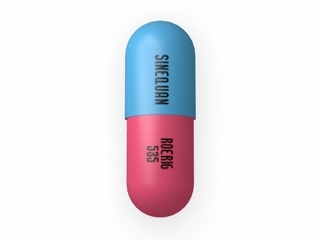
- Available forms: Typically tablets/capsules depending on brand and product availability in Australia
Note: Product strength, formulation, and dosing vary. Always follow the instructions given to you with your specific medicine.
Basic Product Information
| Category | Details |
|---|---|
| Brand | Sinequan |
| Generic name | Doxepin |
| Drug class | Tricyclic antidepressant (TCA) |
| Main effects | Helps improve mood, anxiety, and related symptoms |
| Common side effects | Drowsiness, dry mouth, constipation, dizziness |
| Who may benefit | Selected adults for depression and anxiety symptoms (as clinically appropriate) |
How Sinequan (Doxepin) Works
Doxepin belongs to the group of medicines known as tricyclic antidepressants. It works mainly by influencing chemical messengers (neurotransmitters) in the brain.
While exact mechanisms can vary, doxepin helps by:
- Increasing the availability of mood-related neurotransmitters such as serotonin and noradrenaline (via reuptake effects).
- Blocking certain receptors involved in anxiety and sleep regulation, which may contribute to its calming and sleep-promoting effects.
- Reducing symptoms related to depression and anxiety over time.
Important: Like many antidepressants, Sinequan usually takes time to show full benefit. Some people notice changes earlier, but a typical course requires consistent use.
Pharmacokinetics (How the Body Handles Doxepin)
Pharmacokinetics describes absorption, distribution, metabolism, and excretion. The following points provide patient-relevant understanding of what happens to doxepin in the body.
- Absorption: Doxepin is absorbed after oral dosing. Food may slightly affect absorption depending on formulation and timing.
- Distribution: It distributes throughout body tissues, including the brain, which contributes to its therapeutic effect.
- Metabolism: Doxepin is primarily metabolised in the liver by enzyme pathways (notably CYP-related metabolism). This means other medicines that affect liver enzymes may alter doxepin levels.
- Elimination: Metabolites are removed mainly via urine (and to a lesser extent via other routes).
- Half-life: Doxepin has a relatively long duration of action, which is why dosing schedules may involve daily use.
Clinical takeaway: Because doxepin is processed by the liver and can remain in the body for some time, interactions and accumulation can occur with certain medicines or liver impairment.
Typical Uses and Indications
Sinequan (doxepin) is used for depression and anxiety-related conditions depending on individual assessment. It may also be used when symptoms include sleep disturbance that occurs with these conditions.
In practice, doctors may consider doxepin for:
- Depressive illness (including when anxiety symptoms are present)
- Mixed depression and anxiety symptoms in appropriate patients
- Sleep disturbance when linked to mood/anxiety symptoms (this is individualised)
Not for everyone: The suitability of doxepin depends on your medical history, current medicines, cardiovascular risk, liver function, and the nature of your symptoms.
Timing: When to Take Sinequan
Many people experience drowsiness with doxepin. As a result, dosing time may be chosen to match your daily routine and symptom pattern.
General timing tips:
- Take at the same time each day to maintain steady levels.
- If you feel sleepy after dosing, evening or bedtime dosing may be used (only if that’s what your clinician advised).
- If doxepin makes you feel alert or restless, discuss with your clinician as the timing may need adjustment.
What to expect: Early side effects (like drowsiness) may improve after the first days to weeks, while mood benefits generally take longer.
Dosing: How Sinequan Is Commonly Started and Adjusted
Dosing is individualised. Factors include age, symptom severity, response, tolerability, other medicines, and liver function.
Typical approach (generalised, not a personal dosing instruction):
- Start low and increase gradually to reduce side effects.
- Dose may be adjusted based on response and side effects.
- Some patients may require ongoing maintenance treatment for continued symptom control.
Important safety notes about dosing:
- Do not increase the dose on your own to speed up improvement.
- If you miss a dose, do not double unless your healthcare professional has told you to.
- If you stop suddenly after regular use, you may experience withdrawal-like symptoms (e.g., insomnia, nausea, mood changes). Tapering under guidance is often needed.
Food Interactions
Food interactions can affect comfort, absorption timing, and side-effect patterns.
- With or without food: Many people can take doxepin with food if it reduces nausea or stomach upset.
- Consistency helps: Taking it the same way each day may improve predictability of effects.
- Avoid large alcohol intake with meals (see alcohol section below) as it can worsen sedation and impairment.
If you have reflux, nausea, or appetite changes: Taking doxepin with food may help. Discuss ongoing side effects with your pharmacist or doctor.
Alcohol and Medicine Interactions
Alcohol
Avoid alcohol while taking Sinequan unless your clinician specifically says it’s safe for you. Alcohol can:
- Increase sedation and impair driving/operating machinery.
- Worsen dizziness and fall risk.
- Increase risk of dangerous central nervous system depression.
Common Medicine Interactions
Doxepin can interact with other medicines. Some interactions may raise the risk of side effects (like excessive drowsiness) or affect heart rhythm. Always check your full list of medicines, including:
- Over-the-counter cold/flu products
- Sleep aids and sedatives
- Antihistamines
- Pain medicines, especially those that cause drowsiness
- Herbal products (e.g., St John’s wort)
- Any new prescription medicines
Key interaction categories:
- Other sedatives/sleep medicines: may increase drowsiness and impairment.
- Anticholinergic medicines (some allergy medications, bladder medications): may increase effects such as dry mouth, constipation, and blurred vision.
- Medicines that affect heart rhythm (QT-prolonging drugs) or increase cardiac risk: may increase the chance of abnormal heart rhythms.
- Medicines affecting liver enzymes (CYP inhibitors/inducers): can increase or decrease doxepin levels, affecting safety and effectiveness.
- Serotonergic medicines (some migraine medications and other antidepressants): may increase the risk of serotonin-related adverse effects.
Never start or stop interacting medicines without advice. If you are unsure, ask your pharmacist.
Safety Profile: Common and Serious Side Effects
Like all medicines, Sinequan can cause side effects. Many are mild and improve as your body adjusts, but some require prompt medical attention.
Common Side Effects
- Drowsiness or sedation
- Dizziness (especially when standing up)
- Dry mouth
- Constipation
- Blurred vision
- Increased appetite or weight changes
- Nausea or stomach discomfort
- Sweating changes
Less Common but Important Risks
- Heart rhythm changes (especially in people with underlying heart conditions, electrolyte disturbances, or interacting medicines)
- Urinary retention (more likely in certain prostate/bladder conditions)
- Low blood pressure and increased fall risk
- Confusion (more likely in older adults)
Seek Urgent Medical Help If
Get urgent help if you experience:
- Severe dizziness, fainting, chest pain, or palpitations
- Severe allergic reaction (swelling of face/lips, trouble breathing, hives)
- Signs of overdose (unusual sleepiness, confusion, very fast/irregular heartbeat, seizures)
- Rapid worsening of mood or suicidal thoughts, especially early in treatment or after dose changes
Carers’ note: If someone becomes unusually drowsy, confused, or unwell after starting or changing doxepin, seek medical advice promptly.
Practical Use Tips (Patient-Friendly)
- Give it time: Mood improvement often takes weeks. If side effects are intense, speak to your pharmacist/doctor rather than stopping abruptly.
- Be cautious the first days: Avoid driving or risky activities until you know how Sinequan affects you.
- Rise slowly: To reduce dizziness, stand up slowly from sitting/lying positions.
- Manage dry mouth: Sip water, use sugar-free gum or lozenges, and maintain good oral hygiene.
- Prevent constipation: Drink adequate fluids, eat fibre-rich foods, and consider a stool softener or mild laxative if advised.
- Check sleep safety: If you take it at night, ensure your bedroom environment is safe (clear pathways, avoid hazards).
- Keep a symptom diary: Track sleep, mood, anxiety, and side effects to help with dose adjustments.
Alternative Options
If Sinequan isn’t suitable or isn’t effective, there are other treatment options for depression/anxiety symptoms. The best choice depends on your diagnosis, medical history, and tolerability.
Medication alternatives (examples)
- Other antidepressants such as selective serotonin reuptake inhibitors (SSRIs) or serotonin-noradrenaline reuptake inhibitors (SNRIs)
- Other tricyclic antidepressants (depending on clinical need)
- Medicines targeting anxiety used in specific circumstances
Non-medicine options
- Psychological therapies (e.g., cognitive behavioural therapy)
- Sleep strategies (sleep hygiene, stimulus control)
- Lifestyle supports (regular activity, structured routine)
- Peer and community supports and mental health services
Important: Do not switch antidepressants without a plan. Cross-tapering or careful timing may be required to reduce side effects and withdrawal symptoms.
Market and Legal Context for Australia
In Australia, medicines such as doxepin are regulated under the national medicines framework and listed according to their safety and use requirements. Medicines intended for mental health conditions typically fall under schedules that require appropriate assessment by a healthcare professional.
What this means for patients:
- Your pharmacist and healthcare team may ask about your medical history and current medications to ensure safe use.
- Clear labelling and instructions on the medicine packaging are standard.
- Telehealth and online services may require an online clinical review before dispensing, depending on the service model.
Recent guidance: Mental health guidance in Australia continues to emphasise careful monitoring during antidepressant initiation, dose changes, and for higher-risk groups (including younger people). It also stresses patient education about side effects, adherence, and safety planning. For the most up-to-date guidance, consult your healthcare professional and refer to Australian health authorities.
Delivery and Availability (Online Pharmacy)
Sinequan (doxepin) availability can vary by manufacturer and product strength. When ordering online:
- Stock status: Your order confirmation may indicate whether it is in stock or subject to supplier lead times.
- Packaging: Medicines are shipped in original manufacturer packaging with printed information.
- Delivery timelines: Delivery depends on your location and courier service.
- Cold chain: Sinequan does not typically require refrigeration, but always follow the storage instructions on your pack.
If you need the medicine urgently, check with the pharmacy’s support team regarding dispatch times and alternatives (such as contacting nearby suppliers).
Storage
- Store at room temperature unless the pack states otherwise.
- Keep in the original container to protect from light and for easy identification.
- Keep out of reach of children.
- Do not use after the expiry date shown on the pack.
FAQ – Frequently Asked Questions
1) How long does it take for Sinequan to work?
Some people notice changes in sleep, anxiety, or side effects within the first days to weeks. Mood improvements often take several weeks. If you feel no benefit after an appropriate trial period, discuss it with your doctor or pharmacist before changing anything.
2) Why do I feel drowsy after taking doxepin?
Drowsiness is a common effect. It may be stronger during the first days. Your dosing time may be adjusted, and you may need extra caution with driving and operating machinery.
3) Can I drive while taking Sinequan?
Until you know how it affects you, avoid driving or hazardous activities. If you feel sleepy, slow to react, or dizzy, do not drive. Ask your pharmacist for specific advice based on your dose and response.
4) What if I miss a dose?
Generally, take it when you remember unless it’s close to the next dose. Do not double the dose. If you’re unsure, check with your pharmacist.
5) Can I take it with food?
Many people can take doxepin with or without food. If it upsets your stomach, taking it with food may help. Try to keep your routine consistent.
6) Is it safe to drink alcohol?
It is generally recommended to avoid alcohol because alcohol can significantly increase sedation, dizziness, and impairment.
7) What medicines commonly interact with doxepin?
Interactions can occur with sedatives, some antihistamines, certain heart-rhythm affecting medicines, and medicines that influence liver enzymes. Always provide your complete medicine list to your pharmacist.
8) Will Sinequan cause weight gain?
Some people experience appetite changes and weight gain. Lifestyle measures (balanced diet and physical activity) can help, and your healthcare professional can monitor your progress.
9) What should I do if I get constipation or dry mouth?
For dry mouth, sip water regularly, consider sugar-free lozenges, and maintain dental hygiene. For constipation, increase fluids and fibre; if needed, ask your pharmacist about suitable options.
10) Can I stop Sinequan suddenly?
It is usually not recommended to stop abruptly after regular use. Stopping can lead to uncomfortable symptoms. Discuss tapering with your clinician.
When to Contact Your Pharmacist or Doctor
Contact your healthcare team if you experience:
- Severe or persistent drowsiness, dizziness, or falls
- Uncontrolled constipation, urinary difficulties, or significant vision changes
- Palpitations, fainting, chest pain, or signs of abnormal heart rhythm
- Worsening mood, unusual behaviour changes, or thoughts of self-harm
- Any suspected allergic reaction
Disclaimer: This information is general and designed to help you understand Sinequan (doxepin). Your individual dose and suitability depend on your health conditions and other medicines. Always follow the instructions provided with your medicine and seek advice from a healthcare professional for personal guidance.