
Effexor XR (Venlafaxine) — Patient-Friendly Medicine Information (Australia)
Effexor XR is a brand of venlafaxine in an extended-release (XR) form. It is used to treat certain mental health conditions, including depression and anxiety disorders. This guide explains how it works, how it is usually taken, key safety points, and practical tips to help you use your medicine more effectively.
Important: Always follow the specific instructions provided with your medicine and by your healthcare professional. Everyone’s needs are different.
Quick Facts
- Active ingredient: Venlafaxine (extended-release / XR)
- Medicine type: Antidepressant (SNRI—serotonin–norepinephrine reuptake inhibitor)
- Form: Extended-release tablets/capsules (designed to release medicine slowly)
- Common uses: Major depressive disorder; anxiety-related conditions (e.g., social anxiety disorder and generalised anxiety disorder)
- Typical frequency: Usually taken once daily (because it’s extended-release)
- Onset: Some symptom improvement may start within 1–2 weeks; full benefit often takes several weeks
Basic Product Information
Effexor XR (venlafaxine extended-release) is manufactured for once-daily dosing. The XR formulation gradually releases venlafaxine over time, helping to maintain steadier levels in the body throughout the day.
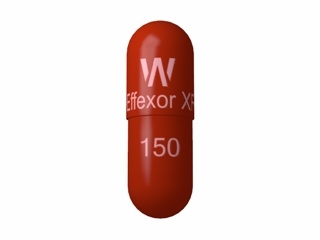
Strengths and appearance vary by product presentation. Always check the label for the correct strength and how many tablets/capsules to take.
How Effexor XR Works (Mechanism of Action)
Venlafaxine belongs to a group of medicines called SNRI antidepressants. It works by affecting two brain chemical pathways:
- Serotonin (5-HT): Helps improve mood, anxiety, and emotional regulation.
- Norepinephrine (NE): May support alertness, energy, and concentration.
Venlafaxine primarily helps by blocking reuptake (reabsorption) of serotonin and norepinephrine. This increases their availability in the synaptic space, supporting more balanced signalling in brain circuits involved in mood and anxiety.
Pharmacokinetics (How the Body Handles It)
Pharmacokinetics describes how the body absorbs, distributes, metabolises, and eliminates a medicine.
Absorption and XR release
- Extended-release formulation: designed so medicine levels rise gradually and remain steadier.
- Peak levels (Tmax): typically occur several hours after dosing (exact timing can vary between individuals).
Distribution
- Venlafaxine and its active metabolite bind partially to plasma proteins.
Metabolism
- Venlafaxine is metabolised in the liver, mainly via the enzyme CYP2D6.
- The major active metabolite is O-desmethylvenlafaxine (ODV).
- Some people (depending on genetics and other medicines) may metabolise venlafaxine faster or slower, affecting blood levels.
Elimination
- Venlafaxine and metabolites are eliminated primarily through the kidneys (urine).
- Kidney function can influence dosing needs.
Typical Uses in Australia
Effexor XR is commonly used to treat:
- Major depressive disorder
- Generalised anxiety disorder (GAD)
- Social anxiety disorder
It may also be considered in other conditions depending on clinical judgement. Always confirm your intended use with your healthcare professional.
Indications (What It’s Used For)
Indications refer to the conditions a medicine is intended to treat. For venlafaxine XR, indications in practice may include:
- Depression: to reduce depressive symptoms such as low mood, loss of interest, sleep disturbance, and fatigue.
- Anxiety disorders: to reduce excessive worry, social anxiety symptoms, and related physical symptoms (e.g., tension, restlessness).
Because severity and history differ, the best treatment plan may involve medicine, psychological therapy, lifestyle strategies, or a combination.
When to Take Effexor XR (Timing and Routine)
Effexor XR is usually taken once daily. Many people prefer to take it at the same time each day to maintain steady medication levels.
- Morning vs evening: Some people take it in the morning if it feels activating; others take it in the evening if it suits their routine. Follow your clinician’s guidance.
- Consistency matters: Try not to skip doses and aim for the same timing daily.
- With or without food: You can generally take it with food to reduce stomach upset if that occurs.
How to take XR tablets/capsules
- Do not crush or chew extended-release forms. Doing so can release the medicine too quickly.
- Swallow whole with water.
- If you miss a dose, follow the instructions on the product label or your healthcare professional’s advice.
Food Interactions
Food interactions are typically less significant with extended-release venlafaxine than with many other medicines. In general:
- Taking with food may help tolerability (e.g., nausea).
- Avoid major changes in eating patterns if your stomach is sensitive, and monitor how you feel.
If you experience persistent nausea, loss of appetite, or stomach pain, speak with your healthcare provider. They may adjust dose timing or provide additional strategies.
Alcohol Interactions
It is best to avoid or minimise alcohol while taking venlafaxine because alcohol can:
- Increase drowsiness or dizziness
- Worsen depression and anxiety symptoms
- Increase risk of poor judgement and falls
If you drink alcohol, discuss a safe approach with your clinician—especially if you are starting treatment or changing dose.
Medicine Interactions (Important Safety Considerations)
Venlafaxine can interact with other medicines. Some interactions are especially important for safety.
1) Other antidepressants and serotonergic medicines (risk of serotonin syndrome)
Caution is needed when combining with medicines that increase serotonin, such as:
- MAO inhibitors
- Other SSRIs/SNRIs
- Triptans (migraine medicines)
- Linezolid (an antibiotic with MAOI-like effects)
- Some opioids (e.g., tramadol) and other agents that may increase serotonin
- St John’s wort (herbal)
Seek urgent medical help if you develop symptoms suggestive of serotonin syndrome, such as fever, agitation, confusion, sweating, tremor, diarrhoea, or muscle stiffness.
2) Medicines that affect bleeding risk
Venlafaxine may increase bleeding risk when taken with:
- NSAIDs (e.g., ibuprofen, naproxen)
- Aspirin (especially regular/high dose)
- Anticoagulants (e.g., warfarin)
- Antiplatelet agents (e.g., clopidogrel)
Report unusual bruising, black/tarry stools, vomiting blood, or prolonged bleeding.
3) CYP2D6 inhibitors (can increase venlafaxine levels)
Because venlafaxine is metabolised partly via CYP2D6, medicines that inhibit CYP2D6 may increase blood levels. Examples include some:
- Antidepressants
- Antipsychotics
- Some heart rhythm medicines
Your clinician can check interactions based on your medication list.
4) QT and blood pressure considerations
- Venlafaxine can affect heart rate and may contribute to changes in blood pressure in some people, particularly at higher doses.
- Caution may be needed if you have underlying heart conditions or are taking medicines that affect heart rhythm.
Always tell your healthcare professional about:
- All prescription medicines
- Over-the-counter medicines
- Herbal products and supplements
- Recent medication changes
Dosing Information (General Guidance)
Dosing must be individualised. The information below is general and may not match your personal plan.
| Condition (common) | General approach to dose (typical starting strategy) | Adjustment style |
|---|---|---|
| Major depressive disorder | Often starts at a lower dose and is increased gradually | Incremental increases every 1–2+ weeks depending on response and tolerability |
| Generalised anxiety disorder | Often starts low to reduce side effects | Adjust based on symptom response and side effects |
| Social anxiety disorder | Gradual titration is commonly used | Adjust based on clinical improvement and tolerability |
Extended-release dosing: With XR, people typically take the same daily dose rather than multiple doses per day.
Do not change dose suddenly
Venlafaxine should not be stopped abruptly. Stopping suddenly can lead to discontinuation symptoms. If you need to stop, your clinician may taper gradually.
How Long Until It Works (Timing of Effects)
- Early effects: Some improvements (e.g., sleep, anxiety, tension) may occur within the first 1–2 weeks.
- Full benefit: Often takes several weeks of consistent dosing.
- Patience is important: If symptoms are severe or you’re struggling, it’s still important to continue as prescribed while monitoring side effects and progress with your healthcare provider.
If you feel no improvement after a reasonable period, speak with your clinician. Treatment may require dose adjustment, time, or a different strategy.
Safety Profile and Side Effects
Like all medicines, Effexor XR can cause side effects. Many are mild and improve over time, especially with gradual dose increases. However, some effects require prompt attention.
Common side effects
- Nausea
- Dry mouth
- Headache
- Sleep changes (insomnia or sleepiness)
- Increased sweating
- Dizziness
- Fatigue
- Loss of appetite
- Sexual side effects
More serious but less common risks
- Blood pressure changes: may increase blood pressure in some people, particularly with higher doses.
- Bleeding risk: increased tendency to bruise or bleed, particularly with NSAIDs/aspirin/anticoagulants.
- Hyponatraemia: low sodium levels can occur (more likely in older adults or those taking diuretics).
- Activation or worsening anxiety: early in treatment some people feel more restless or agitated.
- Serotonin syndrome: risk increases when combined with other serotonergic agents.
- Discontinuation symptoms: withdrawal-like effects if stopped abruptly.
Seek urgent help if you experience
- Severe agitation, confusion, fever, sweating, tremor, or muscle stiffness
- Fainting, severe dizziness, chest pain, or severe palpitations
- Signs of severe allergic reaction (swelling of face/lips, difficulty breathing)
- Thoughts of self-harm or a significant worsening of mood—especially early in treatment or after dose changes
Practical Use Tips (What Helps Most)
Start-up period: manage side effects
- Take it consistently at the same time daily.
- Try with food if you feel nausea.
- Hydrate and consider reducing caffeine if you feel jittery.
- If insomnia occurs, discuss whether evening dosing vs morning dosing should be adjusted.
Don’t stop suddenly
When treatment changes, tapering may reduce discontinuation symptoms. If you miss tablets regularly, speak to your healthcare provider before restarting at a higher dose.
Track progress
- Use a simple mood/anxiety diary
- Note sleep quality, appetite, and side effects
- Bring the information to your follow-up appointment
Blood pressure monitoring
Because venlafaxine can affect blood pressure, your clinician may check it periodically. If you have a history of hypertension, diabetes, or heart conditions, monitoring is particularly important.
Alternative Options
If Effexor XR isn’t suitable (due to side effects, lack of response, interactions, or personal preference), there are alternatives. Options may include:
- Other SNRIs (e.g., desvenlafaxine)
- SSRIs (e.g., sertraline, escitalopram, fluoxetine)
- Other antidepressants (choice depends on symptoms and tolerability)
- Psychological therapy such as cognitive behavioural therapy (CBT), especially for anxiety disorders
- Adjunct strategies like sleep hygiene, exercise, stress reduction, and support networks
Your healthcare professional can help choose based on your diagnosis, symptom profile (e.g., anxiety vs depression predominance), medical history, and medication interactions.
Australia Market and Legal Context (General Information)
In Australia, medicines containing venlafaxine are regulated and supplied according to local requirements. Supply may involve assessment of eligibility and appropriate prescribing pathways through authorised healthcare professionals and dispensing services.
For online pharmacy services, reliable delivery systems typically ensure:
- Medicines are sourced through appropriate channels
- Identity and address checks where required
- Clear labelling and packaged storage information
- Privacy and secure handling of personal information
Always use medicines only as directed and report any adverse effects to your healthcare professional.
Recent Guidance and Treatment Principles
In general, contemporary mental health treatment guidance emphasises:
- Individualised dosing and gradual titration to improve tolerability
- Monitoring of symptom changes, side effects, and (where relevant) blood pressure
- Combination care (medicine plus therapy) for many patients, particularly in anxiety disorders
- Careful transition planning when switching antidepressants to minimise discontinuation symptoms and interactions
Guidance can evolve as new evidence emerges. Your healthcare provider can advise on current best practice for your situation.
Delivery and Availability (Online Pharmacy)
Effexor XR availability may vary by dose and formulation. Many online pharmacies in Australia offer:
- Discreet packaging
- Secure payment options
- Standard and express delivery depending on location
- Tracking on dispatch where offered
Storage: Keep your medicine in its original packaging, protected from moisture and heat. Store at room temperature unless the label states otherwise.
Do not use expired medicine. Check the expiry date on the pack.
FAQ — Effexor XR (Venlafaxine) in Australia
1) Is Effexor XR taken once a day?
Yes. Because it is an extended-release (XR) formulation, it is typically taken once daily. Your regimen may differ based on your condition and tolerability.
2) When will I start feeling better?
Some people notice changes within 1–2 weeks, but full benefit often takes several weeks. If you feel worse early on, contact your healthcare professional promptly, especially after dose changes.
3) Can I take Effexor XR with food?
Generally, yes. Taking it with food may help reduce common side effects like nausea. If your stomach is sensitive, try taking it with a meal.
4) Can I drink alcohol while taking it?
It’s best to avoid or minimise alcohol. Alcohol can worsen mood and anxiety symptoms and may increase dizziness or sleepiness.
5) What should I do if I miss a dose?
Follow the directions on the product label or the advice given by your healthcare professional. In many cases, you take it when you remember unless it is close to the next dose—then skip the missed dose. Do not take double doses.
6) Why shouldn’t I stop venlafaxine suddenly?
Stopping abruptly can lead to discontinuation symptoms such as dizziness, nausea, headache, irritability, or “brain zaps.” If you need to stop, tapering is usually recommended under clinician guidance.
7) Does Effexor XR affect blood pressure?
It can. Some people experience increases in blood pressure, especially at higher doses. Your clinician may monitor blood pressure during treatment.
8) What interactions are most important to avoid?
Extra caution is needed when combined with other serotonergic medicines (to avoid serotonin syndrome), plus medicines that increase bleeding risk. Always provide a full list of your medicines, including OTC and herbal products.
9) Can I drive or operate machinery?
Some people experience dizziness, drowsiness, or changes in alertness—especially when starting or adjusting doses. Until you know how it affects you, use caution.
10) Are there alternatives if Effexor XR doesn’t suit me?
Yes. Alternatives may include other antidepressants (SSRIs/SNRIs), different dosing strategies, or psychological therapies. Your clinician can help choose based on your symptoms and history.
Need more help? If you have questions about starting, switching, side effects, or whether a medicine is suitable with your other treatments, speak with a healthcare professional.