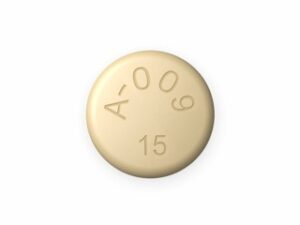


Fluoxetine (for Australia) — Patient Information
Fluoxetine is a widely used medicine in Australia for treating a range of mental health conditions. It belongs to a group of medicines called SSRIs (selective serotonin reuptake inhibitors). This page explains how fluoxetine works, what it is used for, how to take it safely, and what to consider with food, alcohol, and other medicines.
| Category | Details |
|---|---|
| Medicine class | SSRI (Selective Serotonin Reuptake Inhibitor) |
| Common uses | Depression, OCD, panic disorder, and related conditions (as determined by a clinician) |
| Typical dosing forms | Tablets/capsules or oral liquid (product depends on brand) |
| Time to start working | Some effects in 1–2 weeks; fuller benefits may take several weeks |
| Common side effects | Nausea, headache, sleep changes, sweating, sexual side effects |
| Key safety points | Report suicidal thoughts early; watch for serotonin syndrome; avoid certain drug combinations |
Basic Product Information
Fluoxetine is the generic name. Many brands exist, but the active ingredient is the same: fluoxetine. The medicine is designed to help regulate levels of serotonin in the brain. Serotonin is a chemical messenger involved in mood, anxiety, appetite, sleep, and impulse control.
Fluoxetine is commonly taken once daily and is known for having a relatively long duration of action compared with some other SSRIs. This can influence how quickly levels build up and how long effects last after stopping.
How Fluoxetine Works (Mechanism of Action)
Fluoxetine works primarily by increasing the availability of serotonin in the brain. It does this by inhibiting the serotonin transporter (SERT), which normally reabsorbs serotonin. When SERT is blocked, serotonin remains active in the synaptic space for longer, helping improve communication between nerve cells.
Over time, fluoxetine also contributes to “downstream” changes in brain receptors and networks. These longer-term adaptations are part of why the medicine often takes a few weeks to produce its full effect.
Pharmacokinetics (Absorption, Metabolism, and Duration)
- Absorption: Fluoxetine is absorbed after oral dosing.
- Peak levels: Blood levels typically peak a few hours after a dose (timing can vary between individuals).
- Metabolism: Fluoxetine is metabolised mainly in the liver, primarily by the enzyme CYP2D6.
- Active metabolite: Norfluoxetine is an active metabolite that contributes to overall effect.
- Half-life: Fluoxetine and norfluoxetine have relatively long half-lives. This means the medicine may remain in the body for weeks after stopping.
- Implications: The long half-life can reduce some “withdrawal” issues seen with shorter-acting SSRIs, but it still requires safe planning if stopping or changing dose.
Typical Uses and Indications
Fluoxetine is used to treat several mental health conditions. The exact choice of medicine, dose, and duration should be tailored to the individual and their symptoms.
Common indications
- Depression (including major depressive episodes)
- Obsessive-compulsive disorder (OCD)
- Panic disorder (with or without agoraphobia)
- Bulimia nervosa (in some treatment plans)
- Premenstrual dysphoric disorder (PMDD) (in some cases)
Your clinician will consider factors such as symptom pattern, severity, previous treatment response, and other health conditions before recommending fluoxetine.
When It Starts Working (Timing)
Fluoxetine is not an immediate “relief” medicine. Many people notice changes gradually:
- First 1–2 weeks: Some may notice early improvements (sleep, appetite, anxiety), or side effects may begin.
- Weeks 3–4: Mood and anxiety symptoms often improve more clearly.
- 6–8+ weeks: For some conditions—especially OCD—full benefit may take longer.
It’s important to keep taking fluoxetine as directed even if you don’t feel better right away. If side effects are difficult, discuss options with your clinician rather than stopping suddenly.
Dosing (General Information)
Dosing varies depending on the condition being treated, age, and individual response. The information below is general and not a substitute for personalised medical advice.
Typical dosing approach
- Start low, go slow: Many people begin at a lower dose to reduce side effects, then may be adjusted.
- Once daily dosing: Often taken in the morning or at another consistent time.
- Condition-specific: OCD and panic disorder may require different dosing strategies than depression.
Common practical dose ranges (varies by product and indication)
- Depression: commonly started around 20 mg daily; adjusted if needed.
- OCD: may require higher doses than depression for effectiveness in some people.
- Panic disorder: typically involves careful titration to reduce activation or early worsening.
If you miss a dose, take it when you remember unless it is close to the next dose time. Do not take a double dose to “catch up.”
Food Interactions
Fluoxetine can generally be taken with or without food. Taking it with food may help reduce nausea or stomach upset in some people.
However, a consistent routine can be helpful—choose a time that suits your schedule and helps you remember.
Alcohol and Medicine Interactions
Alcohol
It’s usually best to limit or avoid alcohol while taking fluoxetine, because alcohol can:
- worsen depression or anxiety symptoms
- increase dizziness, drowsiness, or impaired judgement
- make side effects more noticeable
If you drink alcohol, discuss safe limits with your clinician or pharmacist based on your individual risk factors.
Important medicine interactions
Fluoxetine can interact with other medicines. Some combinations can increase the risk of serious side effects, including serotonin syndrome or abnormal heart rhythms.
Examples of medicines that may require extra caution
- Other serotonergic medicines (e.g., certain migraine medicines like triptans, other antidepressants, tramadol, linezolid, some pain medicines): increased risk of serotonin syndrome.
- MAO inhibitors: generally contraindicated or require a safe washout period.
- Medicines affecting CYP2D6 (fluoxetine is a CYP2D6 inhibitor): can raise levels of certain drugs metabolised by this pathway.
- Anticoagulants/antiplatelet medicines (e.g., warfarin, clopidogrel): may affect bleeding risk.
- NSAIDs (e.g., ibuprofen, naproxen) and other drugs that can affect bleeding: may increase bruising/bleeding risk when combined.
- Some antipsychotics or other medicines that affect heart rhythm: increased concern for QT prolongation depending on the regimen.
Herbal and supplements to mention
- St John’s wort (Hypericum perforatum): can increase serotonergic effects and reduce efficacy depending on the combination.
- 5-HTP and other “serotonin” supplements: may increase risk of serotonin-related side effects.
Always provide your pharmacist with a full list of medicines, including over-the-counter products and supplements. This helps identify potential interactions early.
Safety Profile: What to Expect
Like all medicines, fluoxetine can cause side effects. Many improve after the first days to weeks. The safety information below highlights common and important risks.
Common side effects
- Nausea, upset stomach
- Headache
- Sleep changes (insomnia or sleepiness)
- Anxiety or restlessness early in treatment for some people
- Sweating
- Diarrhoea or other bowel changes
- Sexual side effects (reduced libido, delayed orgasm)
Less common but serious risks
- Serotonin syndrome: Seek urgent medical help if you develop symptoms such as fever, agitation, confusion, tremor, severe sweating, diarrhoea, muscle stiffness, or fast heart rate—especially after adding serotonergic medicines.
- Mania or hypomania: People with bipolar disorder may become unusually energetic, impulsive, or have reduced need for sleep. Report this promptly.
- Bleeding risk: SSRIs can increase bleeding tendencies, particularly when combined with NSAIDs or anticoagulants. Seek advice for unusual bruising, nosebleeds, black/tarry stools, or vomiting blood.
- Hyponatraemia (low sodium): More likely in older adults or those on certain diuretics. Symptoms can include headache, confusion, weakness, or unsteadiness.
- Suicidal thoughts/behaviour (early treatment): Monitor closely during the first weeks, especially for younger people. If you or someone else notices worsening depression, agitation, or suicidal thoughts, seek urgent help.
- Allergic reactions: rash, swelling, breathing difficulty—seek emergency help.
Driving and operating machinery
Fluoxetine usually does not cause severe drowsiness in everyone. However, sleep changes or dizziness can occur. If you feel unwell or less alert, avoid driving or operating machinery until you know how fluoxetine affects you.
Practical Tips for Using Fluoxetine
1) Take it at the same time each day
Many people find success with routine. If it causes sleep disturbance, adjusting the time (e.g., morning vs evening) may help—discuss with your pharmacist or clinician before changing.
2) Don’t stop suddenly
Even though fluoxetine has a long half-life, stopping abruptly can still lead to discomfort or symptom return. If you need to discontinue, a clinician will advise on a safe tapering plan.
3) Track early changes
- Note sleep, anxiety, appetite, and mood from week to week.
- Write down side effects and when they start so your clinician can respond effectively.
4) Manage early side effects
- Nausea: consider taking with food and staying hydrated.
- Activation/restlessness: let your clinician know; sometimes a slower titration helps.
- Headache: ensure adequate fluids and rest; discuss persistent or severe pain.
5) Be cautious with new medicines
Whenever you are prescribed or buy a new medicine (including over-the-counter products), ask your pharmacist whether it is safe to combine with fluoxetine.
Alternative Treatment Options
Depending on your diagnosis and personal history, clinicians may consider other options instead of fluoxetine, or alongside non-drug strategies.
Other SSRIs and antidepressants
- Sertraline
- Citalopram / escitalopram
- Paroxetine
- Venlafaxine or duloxetine (SNRIs)
- Mirtazapine (different mechanism)
- Tricyclic antidepressants in selected cases
Non-medicine options
- Psychological therapies (e.g., CBT, exposure and response prevention for OCD)
- Lifestyle strategies (sleep regularity, physical activity, structured routine)
- Supportive care and monitoring for symptom change
Many people benefit most from a combined approach tailored to their needs.
Fluoxetine in the Australian Market: Legal and Guidance Context
In Australia, antidepressant medicines such as fluoxetine are regulated and generally supplied through the health system. Availability and prescribing processes can differ depending on the formulation and patient circumstances. Pharmacies may provide guidance on safe use, interactions, and how to take the medicine properly.
Australian healthcare providers follow established mental health guidelines and monitor safety concerns, including risk of worsening mood early in treatment and possible drug interactions.
Recent guidance considerations (high level)
- Close monitoring early in treatment: particularly for younger people or those with severe depression.
- Individualised treatment plans: dose adjustments based on response and tolerability.
- Review of comorbidities: including substance use, bipolar spectrum symptoms, and medical conditions that may increase risk of adverse effects.
- Safe switching strategies: when moving between antidepressants, a clinician may use specific washout/taper steps.
If you have questions about how fluoxetine fits your overall plan, ask your pharmacist or clinician.
Delivery and Availability (Online Pharmacy)
Availability of fluoxetine products can vary by brand and dosage strength. When ordering online, typical steps include:
- Selecting the correct strength and form (e.g., tablets, capsules, or liquid depending on your product).
- Verifying personal details as required by Australian pharmacy processes.
- Checking estimated delivery timeframes based on your location.
Many online pharmacies provide discreet packaging. Delivery time varies with courier schedules and local conditions. If you need urgent medicine supply, contact customer support before placing an order.
When to Seek Urgent Help
Contact emergency services or seek urgent medical help if you experience:
- Signs of serotonin syndrome (high fever, agitation, confusion, tremor, severe sweating, muscle stiffness)
- Severe allergic reaction (swelling of face/lips, breathing difficulty)
- Thoughts of self-harm or a sudden severe worsening of mood
- Manic symptoms (extreme energy, risky behaviour, little need for sleep)
- Uncontrolled bleeding or signs of serious bleeding
If you’re unsure, it is safer to seek advice promptly.
FAQ: Fluoxetine for Customers in Australia
1) How long does it take for fluoxetine to work?
Some people notice changes within 1–2 weeks, but full benefit often takes several weeks. For conditions like OCD, improvement may continue over several months.
2) Can I take fluoxetine with food?
Yes. It can generally be taken with or without food. If nausea occurs, taking it with food may help.
3) What time of day should I take fluoxetine?
Many people take it once daily at a consistent time. If it affects sleep, your pharmacist may suggest morning or evening dosing based on your symptoms.
4) Can I drink alcohol while taking fluoxetine?
It’s usually best to limit or avoid alcohol. Alcohol can worsen mood and may increase side effects like dizziness or impaired judgement.
5) What should I do if I miss a dose?
Take it when you remember unless it is close to the next dose. Do not double up. If you’re unsure, ask a pharmacist for advice based on your schedule.
6) Are there important interactions with other medicines?
Yes. Some combinations can be unsafe, especially with other serotonergic medicines or certain interacting drugs. Always provide a full list of medicines and supplements to your pharmacist.
7) What side effects are common at the start?
Common early effects include nausea, headache, sleep changes, sweating, and sometimes increased restlessness. These often improve over time.
8) Will fluoxetine cause weight changes?
Weight changes can occur with SSRIs, but they vary by individual. If you notice significant or worrying changes, discuss them with your clinician.
9) Can fluoxetine affect sexual function?
Yes. Sexual side effects can occur with SSRIs, such as reduced libido or delayed orgasm. If this becomes distressing, speak with your clinician—options may include dose adjustment or a different medicine strategy.
10) How should I stop fluoxetine?
Do not stop suddenly. A clinician will guide you on a safe plan to taper if needed. Because fluoxetine has a long half-life, the approach may differ from shorter-acting SSRIs.
Summary
Fluoxetine is an SSRI medicine used to treat several mental health conditions, including depression, OCD, and panic disorder. It works gradually by increasing serotonin signalling. People often experience early side effects before full symptom improvement, and it may take several weeks to see the best results. As with all medicines, safety matters—especially regarding drug interactions, alcohol use, and monitoring mood changes early in treatment.
For personalised guidance on your specific situation—such as dosing timing, interaction checks, or managing side effects—speak with your pharmacist or clinician.