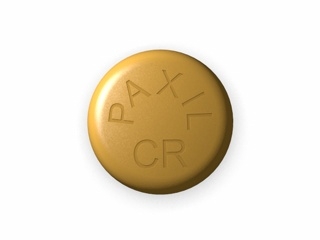


Paxil (Paroxetine) – Patient Guide (Australia)
Paxil is a brand of paroxetine, a medicine belonging to the class of antidepressants known as selective serotonin reuptake inhibitors (SSRIs). It is used to treat a range of mental health conditions and anxiety disorders. This guide explains how Paxil works, when it is taken, key safety information, and practical tips to help you use your medicine safely and effectively in Australia.
| Product name | Paxil (paroxetine) |
|---|---|
| Medicine type | SSRI antidepressant |
| Common forms | Tablets (including immediate-release formulations) |
| How it helps | Improves symptoms by affecting serotonin signalling |
| Who it may be used for | Depression, anxiety-related disorders (varies by local guidance) |
| Branding | Other brands may contain the same active ingredient (paroxetine) |
| Key safety points | Stopping suddenly can cause withdrawal symptoms; watch for drug interactions |
| Typical start time | Some benefits may appear within 1–2 weeks; full effect often takes several weeks |
Basic product information
Active ingredient: Paroxetine
Class: SSRI (Selective Serotonin Reuptake Inhibitor)
What Paxil is used for: Treatment of specific mood and anxiety disorders, as determined by your clinician and supported by Australian prescribing practices.
Important: Everyone responds differently. Your dose and treatment plan depend on the condition being treated, your age, other medicines you take, and your medical history.
How Paxil works (mechanism of action)
Paxil works primarily by affecting a brain chemical called serotonin. Serotonin plays a role in mood, sleep, appetite, and anxiety regulation.
- SSRI action: Paroxetine blocks the reuptake (reabsorption) of serotonin into nerve cells.
- Effect over time: This increases serotonin activity in the brain and helps regulate mood and anxiety circuits.
- Clinical outcome: With regular use, symptoms such as low mood, loss of interest, excessive worry, panic, and compulsive behaviours may improve.
Although the mechanism begins quickly, symptom relief usually takes days to weeks because the brain’s serotonin pathways adapt gradually.
Pharmacokinetics (how the body handles paroxetine)
Pharmacokinetics describes absorption, distribution, metabolism, and elimination. Understanding these helps explain onset, side effects, and interactions.
- Absorption: Paroxetine is absorbed after oral dosing.
- Distribution: It distributes throughout the body, including the central nervous system.
- Metabolism: Paroxetine is mainly metabolised in the liver.
- Elimination: Metabolites are eliminated primarily through the kidneys.
- Half-life (practical relevance): Paroxetine tends to have a moderate-to-long elimination profile, which means missing doses can still cause noticeable effects for some people.
Withdrawal risk: Due to how paroxetine leaves the body and how the nervous system adapts, stopping suddenly can lead to discontinuation symptoms. Tapering reduces this risk.
Typical uses and indications
Paxil/paroxetine is used for certain mood and anxiety disorders. The exact approved indications can vary by formulation and Australian product information. Common clinical uses include:
- Depression (major depressive disorder)
- Obsessive-compulsive disorder (OCD)
- Generalised anxiety disorder (GAD)
- Panic disorder (with or without agoraphobia)
- Social anxiety disorder (also called social phobia)
- Post-traumatic stress disorder (PTSD) (depending on local guidance and patient factors)
Note: Your prescriber will choose Paxil if it’s appropriate for your symptoms and safety profile compared with other options.
When to take Paxil (timing and consistency)
Paxil is generally taken at the same time each day. The best time depends on how it affects you (some people feel calmer; others may feel sleepy or more alert).
- Choose a consistent time: Morning or evening may both be suitable.
- If it makes you sleepy: Consider taking it in the evening (unless your clinician advises otherwise).
- If it causes insomnia: Consider taking it in the morning.
- Missed dose: Take it when you remember unless it’s close to the next dose. Do not double up.
Starting effects: Early improvement (e.g., reduced anxiety) can occur before full antidepressant effects. Some side effects may be more noticeable during the first 1–2 weeks.
Food interactions and stomach comfort
Paxil can generally be taken with or without food. Food does not usually require special timing adjustments.
- Nausea/loose stools: If you experience stomach upset, taking Paxil with food may help.
- Absorption consistency: Try to maintain a regular routine with daily dosing.
Tip: If you develop persistent nausea or vomiting, speak with a healthcare professional promptly.
Alcohol and medicine interactions
Alcohol
It’s generally recommended to limit or avoid alcohol while taking SSRIs. Alcohol can worsen mood symptoms, increase sedation, and may affect judgment and coordination. This is especially important when starting treatment or increasing dose.
Medicines that may interact with Paxil
Paroxetine has the potential to interact with other medicines because it can affect liver enzymes and serotonin pathways.
Seek advice before combining Paxil with:
- Other serotonergic medicines (risk of serotonin syndrome): examples include some migraine medicines (triptans), tramadol, linezolid, some opioids with serotonergic activity, and other antidepressants.
- Monoamine oxidase inhibitors (MAOIs) and certain related drugs: these combinations can be dangerous.
- Medicines affecting bleeding risk: such as non-steroidal anti-inflammatory drugs (NSAIDs) and aspirin (in some situations) or anticoagulants/antiplatelet medicines.
- Other medications metabolised by the liver: dosage adjustments may be needed.
- Thioridazine and some other specific medicines: may carry significant interaction risks.
- St John’s wort: can increase serotonin-related adverse effects.
What to do: Bring a list of all medicines and supplements (including over-the-counter products) to your healthcare appointment, and check with a pharmacist if you are unsure.
Dosing overview (how doses are determined)
Dosing is individualised. Your prescriber will consider your diagnosis, symptom severity, age, and response to treatment.
- Start low and adjust: Many patients begin at a lower dose to improve tolerability, then dose may be increased gradually.
- Follow a gradual schedule: Dose adjustments should not be made abruptly without clinical guidance.
- Ongoing assessment: Clinicians typically review symptom progress after a few weeks and reassess the dose and suitability.
Important: This site content provides general information and does not replace dosing instructions from your clinician. Always take Paxil exactly as directed on your medicine label.
How long until it works?
Many people notice changes gradually:
- 1–2 weeks: Some early improvements in anxiety, sleep, or nervousness may occur.
- 3–6 weeks: A clearer picture of benefit for depression and anxiety disorders.
- Longer-term: For conditions like OCD, full response may take longer (often several months) and maintenance treatment may be considered.
If you experience no benefit after an adequate trial at the right dose, discuss it with your clinician rather than stopping abruptly.
Safety profile and side effects
Like all medicines, Paxil can cause side effects. Many improve as your body adjusts, but some require medical attention.
Common side effects
- Nausea
- Dry mouth
- Headache
- Sleep changes (sleepiness or insomnia)
- Tremor
- Dizziness
- Sweating
- Sexual side effects (reduced libido, delayed orgasm)
- Changes in appetite or weight
- Constipation or diarrhoea
Less common but important risks
- Discontinuation symptoms if stopped suddenly (see below)
- Serotonin syndrome when combined with other serotonergic medicines (urgent care may be needed)
- Bleeding risk when used with NSAIDs, aspirin or blood thinners
- Hyponatraemia (low sodium), more likely in older adults or those on diuretics
- Mania/hypomania in people with bipolar disorder
- Glaucoma risk: caution is sometimes advised in certain eye conditions
- Increased suicidal thoughts in some age groups early in treatment: close monitoring is important
Discontinuation symptoms (stopping Paxil)
Stopping paroxetine suddenly can lead to discontinuation symptoms such as:
- Dizziness, “brain zaps” (sensory disturbance)
- Nausea
- Flu-like feelings
- Irritability, anxiety, or mood changes
- Sleep disturbances
- Headache
Best practice: If you need to stop, your clinician will usually advise a gradual taper to reduce symptoms.
Practical tips for safe use
- Take it daily: Consistency helps maintain stable serotonin activity.
- Give it time: Improvements may take several weeks; continue as directed unless side effects are severe.
- Track symptoms: Note changes in mood, anxiety, sleep and appetite. This can help review effectiveness.
- Watch for early warning signs: Worsening agitation, unusual behaviour, or severe restlessness should be assessed promptly.
- Hydration and nausea management: If nausea occurs, small meals and water may help; consult a pharmacist for strategies.
- Don’t mix without checking: Ask about interactions before starting new medicines, including herbal products.
- Protect sleep: If insomnia happens, speak to a clinician about dose timing and supportive strategies.
- Be careful driving: Some people feel dizzy or sleepy early on—until you know how Paxil affects you.
Alternative options
If Paxil isn’t suitable or doesn’t provide enough benefit, several other treatments may be considered. Alternatives can include other SSRIs, serotonin-noradrenaline reuptake inhibitors (SNRIs), and non-medication approaches.
Medication alternatives (examples)
- Other SSRIs (may include sertraline, escitalopram, fluoxetine—depending on your diagnosis and personal circumstances)
- SNRIs (such as venlafaxine or duloxetine in some conditions)
- Other antidepressants where appropriate
Non-medication alternatives
- Psychological therapies (e.g., CBT for anxiety and depression; exposure-based approaches for OCD and panic)
- Lifestyle supports: regular sleep, exercise, structured routines, and stress management
Your clinician can help compare options based on your symptoms, history of response, and interaction risks.
Market and legal context in Australia
In Australia, antidepressant medicines such as paroxetine are generally regulated under the Therapeutic Goods Administration (TGA) framework and must be supplied according to national medicine schedules. Many antidepressants are supplied under specific prescribing and dispensing requirements and are commonly obtained through pharmacies with appropriate clinical oversight.
Availability can vary by formulation and brand. The active ingredient may be supplied in different brands or generics, and substitution policies depend on local pharmacy procedures and medicine supply.
Why this matters: Mental health medicines require correct diagnosis, appropriate monitoring, and safe interaction checks—especially when starting or changing doses.
Recent guidance and safety monitoring (general)
While recommendations can evolve, general safety principles for SSRIs include:
- Careful monitoring early in treatment, especially for increased anxiety, agitation, or mood changes.
- Attention to drug interactions, including other serotonergic agents and medicines that increase bleeding risk.
- Caution in people at higher risk for hyponatraemia, bipolar disorder, or significant medical comorbidities.
- Clear guidance on tapering to reduce discontinuation symptoms.
If you have questions about your personal risk profile, speak to your pharmacist or clinician for tailored advice.
Delivery and availability (online pharmacy considerations)
Availability may depend on stock and your location within Australia. Many online pharmacies can provide home delivery, but products must be supplied in accordance with Australian regulations and the requirements for the specific medicine.
When ordering, you may need to provide relevant information as required by the pharmacy process (for example, confirming suitability and checking interactions). Delivery timelines can vary by:
- Your postcode/region
- Order cut-off times
- Whether the medicine is in local stock
- Courier services
Storage: Keep medicines in the original packaging, store at appropriate temperatures as indicated on the label, and keep out of reach of children.
FAQ – Paxil (Paroxetine)
1) What is Paxil used for?
Paxil (paroxetine) is used for conditions such as depression and several anxiety-related disorders (and other conditions depending on clinical assessment and product information). Your clinician will confirm the most appropriate use for you.
2) How quickly will I feel better?
Some people notice early changes within 1–2 weeks, but full benefits usually take several weeks. For OCD, improvement may take longer.
3) Can I take Paxil with food?
Yes. Paxil can generally be taken with or without food. If you get nausea, taking it with food may help.
4) Is it safe to drink alcohol while taking Paxil?
It’s generally best to limit or avoid alcohol, as it can worsen mood symptoms and increase sedation or impaired coordination.
5) What happens if I miss a dose?
Take it when you remember if it’s not too close to the next scheduled dose. Do not double up. If you frequently miss doses, discuss a practical plan with your pharmacist.
6) Can I stop Paxil suddenly?
It’s usually not recommended to stop suddenly due to discontinuation symptoms. If you need to stop, ask your clinician about a gradual tapering plan.
7) Will Paxil cause weight gain?
Some people experience weight changes, but the direction and degree vary. If you notice significant changes, review them with your clinician.
8) What are common side effects?
Common side effects include nausea, headache, sleep changes, sweating, dizziness, dry mouth, and sexual side effects. Many improve over time.
9) Are there serious warning signs?
Seek urgent medical attention if you develop symptoms suggestive of serotonin syndrome (such as confusion, fever, severe agitation, tremor, and diarrhoea) or if you experience severe allergic reactions. If your symptoms worsen significantly or you feel unsafe, contact urgent support.
10) What medicine interactions should I watch for?
Avoid combining Paxil with other serotonergic medicines without advice. Also be cautious with NSAIDs/aspirin and blood thinners due to possible bleeding risk. Always check before starting new prescription, over-the-counter, or herbal products.
11) Can Paxil be used in older adults?
It may be used in older adults when appropriate, but extra monitoring can be required, particularly for low sodium (hyponatraemia) and side effect sensitivity.
12) Are there alternatives if Paxil doesn’t work for me?
Yes. Options may include other SSRIs, SNRIs, or non-medication therapies such as CBT. Your clinician can help choose based on your diagnosis and response history.
Always follow your medicine label and seek individual advice for questions about suitability, interactions, and what to do if side effects occur. If you have any concerns about your mental health safety, contact local urgent support services immediately.