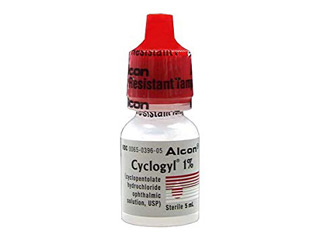
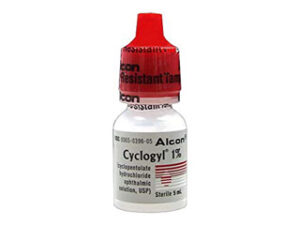
Cyclogyl (Cyclopentolate) Eye Drops – Patient Information (Australia)
Brand: Cyclogyl
Active ingredient: Cyclopentolate
Medicine type: Antimuscarinic / anticholinergic mydriatic (dilates the pupil) and cycloplegic (temporarily paralyzes focusing)
This patient-friendly guide explains how Cyclogyl (cyclopentolate) works, what it’s used for, how to use it safely, and what to expect. It also covers interactions, timing, and practical tips for day-to-day use across Australia.
What is Cyclogyl?
Cyclogyl (cyclopentolate) is an eye medicine used to temporarily dilate the pupils and reduce the eye’s ability to focus. It is commonly used during eye examinations and other situations where a clear view of the back of the eye is needed, and/or where an accurate measurement of refractive error is required.
- Mydriatic effect: dilates (widens) the pupil
- Cycloplegic effect: temporarily relaxes the focusing muscles
Important: Effects can last several hours and may blur near vision and increase light sensitivity.
Mechanism of Action
Cyclopentolate belongs to the antimuscarinic drug class. In the eye, it blocks muscarinic receptors that normally allow the iris and the focusing mechanism to respond to stimulation.
By blocking these receptors, Cyclogyl:
- Dilates the pupil (mydriasis), allowing more light into the eye for examination.
- Paralyses accommodation (cycloplegia), which helps “freeze” the eye’s focusing ability so the refractive error can be measured more accurately.
Pharmacokinetics (How the body handles Cyclogyl)
When applied to the eye, cyclopentolate acts locally, though some absorption can occur.
- Absorption: Absorption is greater in children and in situations where drops are not applied carefully (e.g., excess drops or poor technique).
- Distribution: Because cyclopentolate can be absorbed into the body, systemic effects (such as dry mouth or flushing) are possible, especially in children.
- Metabolism and elimination: The drug is metabolised and eliminated by the body; the exact details vary between individuals.
Clinical takeaway: While the main effects are local to the eye, careful use and techniques such as punctal occlusion (see “Practical use tips”) can reduce systemic exposure.
Typical Uses in Australia
Cyclogyl is widely used in ophthalmic care. Common reasons include:
- Eye examinations: To dilate the pupil and make the retina and optic nerve easier to examine.
- Refraction testing (especially in children): To help obtain accurate measurements of the eye’s focusing power.
- Assessment of certain eye conditions: In some cases, clinicians use cycloplegic/mydriatic drops to aid diagnosis.
When Does it Start Working? Timing and Expectations
After instilling Cyclogyl, pupil dilation and reduced focusing begin relatively quickly.
| Effect | Typical onset | How long it may last | What you might notice |
|---|---|---|---|
| Pupil dilation (mydriasis) | Within ~15–30 minutes | Often several hours | Brighter light sensitivity, blurred vision |
| Reduced focusing (cycloplegia) | Within ~20–30 minutes | Often several hours (sometimes longer) | Difficulty focusing on near objects; “foggy” reading vision |
Practical advice: Plan for blurred near vision and increased glare for the rest of the day. Many people find it helpful to bring sunglasses and avoid tasks requiring sharp near vision.
Indications (Why Cyclogyl is used)
Cyclogyl is indicated for medical uses where pupil dilation and cycloplegia are required, such as:
- Ophthalmic examination of the interior of the eye
- Obtaining cycloplegic refraction (often important in children)
- Situations where reduced accommodation improves diagnostic accuracy
Note: The exact dosing regimen and number of drops can vary depending on age, the purpose of testing, and local clinical protocols.
Dosing (General guidance for eye drop use)
Dosing depends on the patient’s age and the intended purpose (examination vs refraction). Always follow the specific instructions provided with your product and by your eye-care professional.
General principles:
- Use only the recommended number of drops.
- Do not “top up” more often than instructed.
- Children may be more sensitive to systemic absorption; correct technique is important.
Common regimens in eye-care settings may include:
- Adults: a small measured number of drops per eye before examination/testing.
- Children: dosing is often weight/age dependent and may require extra care to avoid excess absorption.
If you are using Cyclogyl at home for an examination arranged by an eye service, follow the schedule provided. If you are unsure about timing or the number of drops, contact the relevant service for clarification.
How to Use Cyclogyl Correctly (Practical step-by-step)
- Wash your hands thoroughly.
- Check the dropper tip for cleanliness and intactness (avoid touching it to the eye or skin).
- Gently tilt your head back.
- Pull down the lower eyelid to form a small pocket.
- Instil the prescribed number of drops into the eye, aiming for the pocket (avoid blinking immediately).
- Close your eye gently for 1–2 minutes.
- Remove excess fluid with a clean tissue if needed.
Punctal occlusion (recommended technique)
To reduce absorption through the tear duct, consider punctal occlusion:
- After instilling the drop, gently press the inner corner of the eye (near the nose) with a finger for about 1–2 minutes.
This can help lower the likelihood of systemic side effects, particularly in children.
Food Interactions
There are no well-established food interactions for cyclopentolate eye drops. Because the medicine is delivered to the eye, dietary timing is generally not a concern.
- If you are taking other medicines, focus on eye-drug timing (spacing between different eye drops), and ask a pharmacist if you’re unsure.
- For sensitive stomach concerns (e.g., nausea from systemic anticholinergic effects), follow your usual medical advice—most people do not experience such effects when used correctly.
Alcohol and Medicine Interactions
Alcohol
There is no specific alcohol interaction expected from occasional use of cyclopentolate eye drops, but cyclopentolate can rarely cause systemic anticholinergic effects (e.g., dizziness, blurred vision, drowsiness, or a “dry” feeling). Alcohol can worsen impairment sensations.
- For at least the same day after use, avoid driving and avoid alcohol if you feel dizzy or your vision is not clear.
- If you feel unwell, contact a healthcare professional.
Other medicines
Because cyclopentolate has antimuscarinic effects, caution is advised when used with other medicines that may also cause anticholinergic side effects.
Tell a pharmacist or clinician if you use:
- Other anticholinergic medications
- Medicines that affect the pupil/eye focusing
- Medications for Parkinson’s disease, bladder symptoms, or motion sickness (some can have anticholinergic properties)
Eye-drop spacing: If using multiple eye drops, wait at least 5–10 minutes between different products (unless your clinician instructs otherwise). Ointments should usually be applied last.
Safety Profile and Side Effects
Most people experience temporary, expected eye effects (dilated pupil and blurry near vision). Systemic side effects are uncommon when drops are used correctly, but they can occur.
Common expected effects
- Blurred vision (especially near vision)
- Light sensitivity
- Reduced ability to focus
- Temporary stinging or discomfort after instillation
Less common possible systemic side effects
These are more likely in children or if drops are not used carefully (or if excess reaches the nose/tear duct):
- Dry mouth
- Flushing or warm skin
- Unusual sleepiness or restlessness
- Fast heartbeat
- Headache
Serious side effects – seek urgent medical help
Get urgent advice if you or a child develops signs of a serious reaction, including:
- Severe eye pain
- Marked worsening redness
- Severe headache with nausea/vomiting (especially with eye pain and halos around lights)
- Confusion, agitation, or significant behavioural changes
- Difficulty breathing or facial swelling
These symptoms may suggest complications such as elevated eye pressure in susceptible individuals or an allergy.
Who should be extra cautious?
- People with narrow angles or a history suggestive of angle-closure risk may need special evaluation before use.
- Children are more sensitive to systemic absorption—use punctal occlusion and exact dosing.
- Pregnancy/breastfeeding: Cyclopentolate absorption is usually limited with correct use, but discuss with a healthcare professional if pregnant or breastfeeding.
Practical Use Tips (Make treatment safer and easier)
- Plan your day: arrange transport; avoid driving until vision clears.
- Bring sunglasses to reduce discomfort from bright light.
- Protect children’s eyes: watch for rubbing (rubbing can spread medicine).
- Avoid touching the drop tip to prevent contamination.
- Close your eye gently and consider punctal occlusion to reduce leakage into the nose.
- Do not use contact lenses unless your clinician instructs otherwise. Many patients are advised to remove lenses before dilation drops; follow local advice.
- After instillation: use a clean tissue to wipe any excess from the skin.
- Wash hands again after applying drops, especially before touching your own eyes or face.
Alternative Options (Other eye-drop choices)
In ophthalmology and optometry, other agents may be used depending on the purpose and patient factors. Alternatives can include:
- Other cycloplegic drops used for refraction (choice depends on age and desired duration)
- Other mydriatics used to dilate the pupil for examination
- Miotic agents or pressure-lowering therapies in specific conditions (not interchangeable; used for different goals)
The best alternative depends on the reason for dilation, the expected duration, and individual risk factors (e.g., narrow angles). Your eye-care professional can advise which option is most suitable.
Market and Legal Context for Australia
In Australia, eye medicines are supplied under local regulation and product scheduling rules. Availability can vary by brand, strength, and formulation.
- Quality and supply: Medicines sold in Australia should be supplied through authorised channels and meet Australian regulatory standards.
- Medicines scheduling: Some ocular agents may be classified differently depending on formulation and intended use.
- Advice: Pharmacists may provide counselling on correct instillation, safety, and what to do if side effects occur.
Recent guidance (general): In eye care, there has been continued emphasis on patient safety around mydriatic/cycloplegic agents—particularly correct dosing, avoiding excess absorption, recognising symptoms that may indicate raised eye pressure, and ensuring follow-up for vision impairment and child safety. Always follow the most current advice from your eye-care provider.
Delivery and Availability (Australia)
Online pharmacies in Australia may offer Cyclogyl eye drops depending on stock availability and supplier arrangements. Delivery times vary by location and courier service.
- Availability: may depend on packaging size, strength, and current supplier supply.
- Delivery: typically dispatched on business days; express options may be available depending on the retailer.
- Storage: store the product as directed on the label. Keep out of reach of children and protect from heat and light where applicable.
If you need the drops urgently for a scheduled appointment, order early and check estimated delivery time at checkout.
What to Expect After Use
After Cyclogyl, your eyes may feel slightly uncomfortable or different due to the dilation and loss of focusing ability.
- Driving and screen use: avoid driving and minimise fine near work until vision returns to normal.
- Reading: near tasks may be difficult; use larger text and allow time for the eye to refocus when effects fade.
- Light sensitivity: sunglasses or dim indoor lighting can help.
Effects are temporary, and vision usually improves as the medication wears off.
Frequently Asked Questions (FAQ)
1) How long does Cyclogyl last?
For many people, pupil dilation and reduced near focusing last several hours. The exact duration varies by age, dose, and individual response. Children can sometimes experience longer or more noticeable effects.
2) Can I drive after using Cyclogyl?
Usually it’s best not to drive until vision is clear and your ability to focus has returned. Cyclogyl can cause blurry vision and increased light sensitivity.
3) Can I use Cyclogyl with contact lenses?
Contact lens guidance depends on the product instructions and your clinician’s advice. Many patients are advised to remove lenses before using dilating drops. Ask your pharmacist if you are unsure.
4) Will Cyclogyl affect the other eye?
If drops are applied to only one eye, the other eye should not be affected. However, medicine can sometimes spread via blinking, tears, or hand contact. Washing hands and using careful technique reduces the risk.
5) What should I do if I get the drop in my mouth or drink alcohol?
Accidental swallowing can contribute to systemic effects, though it’s usually limited. If you feel unwell (dizziness, confusion, unusual drowsiness), seek advice. Avoid alcohol on the day of use if you feel impaired.
6) What if my child becomes unusually restless or sleepy?
Children are more sensitive to anticholinergic medicines. Stop further drops and seek medical advice urgently if symptoms are significant or rapidly worsening.
7) Can Cyclogyl be used with other eye drops?
Yes, but you should generally space products by 5–10 minutes. If using multiple medicines, confirm the schedule with your pharmacist or eye-care professional.
8) Is it safe for people with glaucoma?
Cyclopentolate can be risky for individuals with certain types of glaucoma or narrow angles. If you have glaucoma or a history of narrow angles, discuss with an eye-care professional before use.
9) Are there any food interactions?
No specific food interactions are expected with eye drops like Cyclogyl. Focus instead on avoiding unsafe activities until vision clears.
10) How should I store Cyclogyl?
Store in line with the instructions on the label (commonly at controlled room temperature, away from heat and direct light). Keep the bottle tightly closed and out of reach of children.
Summary
Cyclogyl (cyclopentolate) is an eye drop used to dilate pupils and temporarily paralyse focusing for examinations and accurate refraction testing. The main effects are temporary blur and light sensitivity, with systemic side effects uncommon when the medicine is used correctly—especially important in children.
- Expect blurred near vision and glare for several hours
- Use correct technique, including punctal occlusion when possible
- Avoid driving until your vision is back to normal
- Seek urgent help for severe eye pain, major headache with nausea, or signs of a serious reaction