
Cyclopentolate (Eye Drops) — Patient Guide (Australia)
Cyclopentolate is an ophthalmic medicine used to dilate the pupil and temporarily paralyse focusing (cycloplegia). It is commonly used in eye examinations and some specific eye conditions under the direction of an eye care professional.
This guide is designed to help you understand what cyclopentolate does, how it works, what to expect, and how to use it safely. If you have any concerns about your individual situation, speak with your eye care professional or pharmacist.
Basic product information
| Category | Information |
|---|---|
| Medicine name | Cyclopentolate |
| Route | Topical use in the eye (eye drops) |
| Common purpose | Pupil dilation (mydriasis) and cycloplegia for examinations |
| How it acts | Antimuscarinic (anticholinergic) effects |
| Typical duration | Vision can be blurry for several hours; effects may last longer in some people |
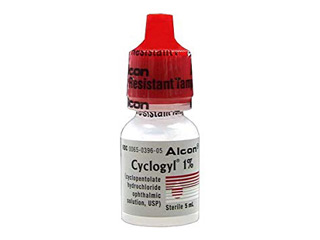
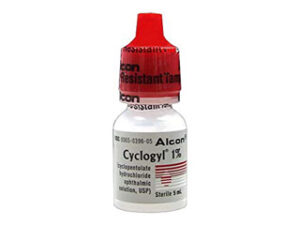
Cyclopentolate eye drops are available in different strengths in Australia. Your product label and the instructions provided by your clinician are the most reliable source for your exact dose.
Mechanism of action
Cyclopentolate belongs to a group of medicines called antimuscarinics (anticholinergics). In the eye, it blocks muscarinic receptors, which are normally stimulated by the body’s natural chemical acetylcholine.
This leads to:
- Mydriasis: relaxation of the iris sphincter muscle, causing the pupil to dilate.
- Cycloplegia: paralysis of the ciliary muscle, temporarily reducing the eye’s ability to focus on near objects.
Together, these effects make it easier for eye specialists to examine the eye structures and measure refractive error accurately, especially in children or when a full cycloplegic refraction is needed.
Pharmacokinetics (how the body handles it)
When applied as eye drops, cyclopentolate acts locally but small amounts may be absorbed. The exact pharmacokinetic profile can vary based on dose, drop technique, age, and whether the tear drainage is reduced.
- Absorption: absorption can occur through the conjunctiva and nasal mucosa (via drainage through the tear duct).
- Distribution: absorbed drug may reach systemic circulation, which is why side effects can occur—especially in children.
- Metabolism and elimination: systemic clearance occurs primarily through normal body metabolism and elimination pathways; however, clinical effects are usually related to local and short-term systemic absorption.
Practical takeaway: The systemic absorption risk is lower when drops are used correctly (including techniques such as gentle tear-duct pressure), but it cannot be ignored—particularly in infants and children.
Typical use and why it’s used
Cyclopentolate eye drops are used mainly to:
- Produce cycloplegia for more accurate measurement of refractive error (refraction).
- Assist with fundus examination (looking at the retina and optic nerve) by enlarging the pupil.
- Support certain ophthalmic evaluations where a dilated pupil is needed.
In some clinical settings, cyclopentolate may also be used to help manage or assess specific eye conditions as determined by the treating clinician.
When to expect effects (timing)
Individual responses vary, but typical timing looks like this:
- Onset: pupil dilation and loss of focusing ability often begin within 20–60 minutes.
- Peak effect: effects may be strongest around 30–120 minutes after instillation.
- Duration: blurry vision and light sensitivity may last several hours. In some people—especially children—the effects can last longer.
Your clinician may schedule the eye test to occur after sufficient effect is achieved. If you are using cyclopentolate in preparation for an exam, follow their timing instructions carefully.
Food interactions
Because cyclopentolate is used in the eye, it has no known direct food interaction for most people.
However, if you (or a child) experiences mild dizziness or blurred vision, it may be helpful to:
- avoid driving until vision returns to normal
- ensure safe supervision after instillation
- consider normal meals as tolerated
If you have been advised to fast for any unrelated procedure, follow those instructions.
Alcohol and medicine interactions
Alcohol
There is no specific alcohol interaction documented for eye use in most cases. That said, cyclopentolate may cause dizziness or blurred vision in some individuals; alcohol can also impair balance and judgement.
- Avoid alcohol on the day you use cyclopentolate if you feel unwell, dizzy, or your vision is affected.
- Do not drive or operate machinery while vision is impaired.
Medicine interactions
Cyclopentolate is antimuscarinic. The main theoretical interaction concern is with other medicines that also have anticholinergic effects or affect pupil size/focus.
Discuss with your pharmacist or clinician if you are taking:
- Other antimuscarinic/anticholinergic medicines (for example, some medications used for overactive bladder or bowel spasm)
- Tricyclic antidepressants (some have anticholinergic effects)
- Antihistamines (especially older “sedating” types that may have anticholinergic activity)
- Other eye drops used for dilation or focusing (combination effects may increase side effects)
Also seek advice if you take medicines that affect heart rhythm, since anticholinergic effects can occasionally influence pulse rate.
Indications (when cyclopentolate is used)
Cyclopentolate eye drops are indicated for:
- Optical and medical eye examinations requiring pupil dilation and cycloplegia.
- Refraction (particularly in children) when cycloplegic refraction is preferred or needed to improve accuracy.
- Ophthalmic assessment where a dilated pupil helps view the interior of the eye.
The exact purpose and dosing schedule depend on the patient’s age, eye health, and the clinician’s examination plan.
Dosing (general guidance)
Dosing depends on the strength of the product, the age of the patient, and the clinical objective. Always follow the directions provided with your specific cyclopentolate eye drops.
Common clinical patterns (illustrative only):
- For eye examinations, a typical regimen may involve instilling drops into the affected eye(s) with a scheduled repeat dose to achieve full effect.
- Children often require careful dosing and monitoring because systemic absorption can be higher.
How to apply (key steps):
- Wash your hands.
- Shake the bottle if the label instructs you to do so.
- Gently pull down the lower eyelid to create a small pocket.
- Instil the prescribed number of drops into the eye without touching the dropper tip to the eye.
- Close your eye gently for 1–2 minutes.
- Optional but helpful: apply gentle pressure at the inner corner of the eye (tear-duct area) for 1–2 minutes to reduce drainage into the nose.
- Wipe excess liquid with a clean tissue.
If using more than one eye medicine, separate them by at least 5–10 minutes unless your clinician advises otherwise.
Safety profile
Common side effects
Because cyclopentolate affects pupil size and focusing, vision-related effects are expected. Possible side effects include:
- Blurry vision or difficulty focusing on near objects
- Light sensitivity (photophobia)
- Temporary eye irritation, redness, or a mild burning sensation
- Dryness or discomfort in and around the eye
Less common but important effects (seek advice)
Systemic effects may occur, particularly in children or if drops enter the nose through the tear duct. Contact your clinician or seek medical advice urgently if you notice:
- Marked drowsiness, unusual agitation, or confusion
- Dry mouth, flushed skin, or fever
- Rapid heartbeat or palpitations
- Severe headache or persistent vomiting
- Eye pain that is severe or worsening
When to avoid cyclopentolate or get specialist advice
Cyclopentolate may not be suitable in some situations. Speak to a pharmacist or clinician before use if you have:
- Known or suspected narrow-angle (angle-closure) glaucoma or symptoms suggestive of it
- Previous bad reactions to similar dilating or cycloplegic drops
- Significant eye inflammation or injury—unless advised
If you suddenly experience eye pain, severe headache, halos around lights, or nausea after dilation, seek urgent medical attention as this can signal a serious eye pressure problem.
Practical use tips (making it safer and more comfortable)
- Plan your day: arrange for safe transport after the drop (especially children). Vision may be blurry for hours.
- Wear sunglasses: light sensitivity is common; sunglasses can improve comfort outdoors.
- Don’t rub the eyes: rubbing can increase irritation and may spread medication.
- Reduce systemic absorption: gentle pressure at the tear duct (inner corner of the eye) can help.
- Keep hands away from the face: wash hands after instilling drops to avoid transferring medicine to the mouth or other people.
- Child safety: supervise closely. Keep the bottle out of reach and avoid accidental extra dosing.
- Contact lenses: follow product instructions. Many dilating drops recommend removing contact lenses before instillation and waiting before reinserting.
- Record timing: note the time you applied drops so you can estimate when effects will peak and when your vision may start improving.
Alternative options
Depending on the reason for treatment (for example, an eye examination or a refractive assessment), other cycloplegic agents or pupil-dilating medicines may be considered by eye specialists. Alternatives can include:
- Atropine (stronger cycloplegia; longer-lasting)
- Homaptropine (cycloplegic effect; used in some settings)
- Tropicamide (shorter acting for dilation; often used for specific exam purposes)
The “best” option depends on age, the clinical goal, desired duration, and the patient’s risk profile. Your eye care professional will choose the most appropriate agent.
Market and legal context in Australia
In Australia, eye medicines are supplied according to regulatory requirements and the scheduling of the active ingredient. Availability, brand variations, and the need for professional guidance can differ by strength and formulation.
Cyclopentolate products are typically supplied for clinical or specialist use. When ordering online, your purchase may require appropriate identification of the patient and confirmation of eligibility depending on local regulations and pharmacy policies.
If you are unsure whether a particular cyclopentolate product is suitable for your situation, consult your pharmacist or eye care provider.
Recent guidance and clinical considerations
Ophthalmic dilating and cycloplegic medicines are commonly used in contemporary eye care. Current clinical practice continues to emphasise:
- Using the lowest effective dosing to achieve exam goals while reducing systemic exposure.
- Special caution in children due to higher susceptibility to systemic anticholinergic effects.
- Monitoring for adverse events such as unexpected agitation, fever, or significant tachycardia.
- Angle-closure risk assessment in patients with risk factors for narrow angles.
If you have previously had an eye pressure problem or a narrow-angle diagnosis, mention this to your clinician before using cyclopentolate.
Delivery and availability (Australia)
Online pharmacies in Australia may offer cyclopentolate eye drops depending on stock availability, product strength, and scheduling requirements. Delivery times can vary by location and chosen shipping method.
- Availability: stock may fluctuate. If a product is out of stock, pharmacies may offer an alternative strength/brand or suggest a different option.
- Shipping: confirm estimated delivery time at checkout.
- Cold chain: many eye drops do not require refrigeration, but always check your product label.
- Packaging: keep the bottle in the original packaging to protect from light and for clear expiry information.
After receiving your order, check:
- expiry date
- integrity of the bottle
- strength (e.g., concentration) matches what was recommended
Storage and disposal
- Store according to the label (commonly at controlled room temperature, away from excess heat and sunlight).
- Keep out of reach of children.
- Do not use after the expiry date.
- Disposal: follow local pharmacy guidance for medication disposal. Do not flush down the toilet unless instructed.
FAQ — Cyclopentolate eye drops
1. What does cyclopentolate do to my vision?
Cyclopentolate dilates your pupils and temporarily reduces your ability to focus. This commonly causes blurry near vision and light sensitivity. Vision should gradually improve as the effect wears off.
2. How long will the blurriness last?
Many people notice effects for several hours. In children or some adults, it may last longer. The best estimate comes from the specific dosing used for your exam.
3. Can I drive after using cyclopentolate?
Usually, you should not drive until your vision has fully returned to normal and you feel confident reading road signs and seeing clearly in daylight.
4. Is cyclopentolate safe for children?
Cyclopentolate is used in paediatric eye care, but it requires careful dosing and supervision. Children may be more sensitive to systemic anticholinergic side effects, so follow the exact instructions provided by the clinician and monitor for unusual symptoms.
5. What if the drops accidentally get in the mouth?
If a child puts drops in their mouth or you suspect ingestion, rinse the mouth and contact a pharmacist or seek medical advice promptly, especially if symptoms occur.
6. Can I use cyclopentolate if I wear contact lenses?
Many eye drops advise removing contact lenses before instillation. Follow the product label or your clinician’s guidance. If told to wait before reinserting lenses, allow the recommended time.
7. What should I do if I miss a dose?
If you are using cyclopentolate only for an exam preparation schedule, follow the directions given for that appointment. Do not apply extra drops without advice.
8. Are there serious warning signs to watch for?
Yes. Seek urgent medical help if you experience severe eye pain, severe headache, vomiting, halos around lights, or significant unwellness after dilation—particularly if you have glaucoma risk factors.
9. Does alcohol affect cyclopentolate?
Alcohol does not have a direct specific interaction for eye drops, but it may worsen dizziness or judgement impairment when your vision is affected. It’s sensible to avoid alcohol on the day of use if you feel unwell.
10. How can I reduce side effects?
Use the drops exactly as directed, apply gentle pressure at the tear duct for 1–2 minutes, avoid rubbing the eyes, and wear sunglasses. Plan for blurred vision and safe supervision, especially for children.
Summary
Cyclopentolate eye drops are an antimuscarinic medicine used to dilate the pupil and create temporary cycloplegia to support accurate eye examinations. Effects begin within about an hour and often last several hours, with light sensitivity and blurred vision being common. Safety depends on correct instillation technique and appropriate dosing—particularly in children. If you have any risk factors for glaucoma or have experienced adverse reactions to similar drops, seek advice before use.
For the most accurate guidance for your product strength and situation, refer to the instructions on the packaging and ask your pharmacist or eye care professional.