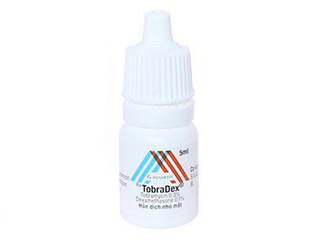
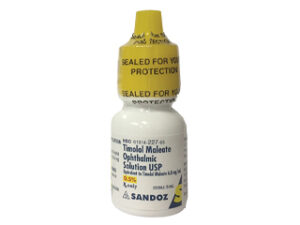
Tobradex (Obramycin/Dexamethasone) – Patient Guide (Australia)
Tobradex is a combination medicine used in eye infections and inflammatory conditions of the eye. It contains:
- Obramycin (tobramycin) – an antibiotic that helps treat infection caused by certain bacteria.
- Dexamethasone – a corticosteroid that reduces inflammation and swelling.
This page provides practical, patient-friendly information to help you understand how Tobradex works, when it may be used, and how to use it safely.
1. Basic product information
| Feature | Information |
|---|---|
| Medicine name | Tobradex |
| Active ingredients | Obramycin (tobramycin) + dexamethasone |
| Common dosage forms | Eye drops and/or eye ointment (availability may vary) |
| What it is for | Infections and inflammation of the eye (as assessed by a clinician) |
| How it’s applied | Directly into the affected eye(s) |
Important: Tobradex is for use in the eyes only. Do not use it for the ear or nose unless specifically directed.
2. How Tobradex works (mechanism of action)
Tobradex combines two actions working together:
- Antibacterial action (Obramycin/tobramycin): Tobramycin is an aminoglycoside antibiotic. It interferes with bacterial protein synthesis, which helps stop bacteria from growing and reproducing. It is used against many gram-negative bacteria and some gram-positive bacteria, depending on local resistance patterns and the specific organism.
- Anti-inflammatory action (dexamethasone): Dexamethasone is a corticosteroid that reduces inflammation by affecting inflammatory pathways in eye tissues. This can help lessen redness, swelling, and discomfort.
Why the combination matters: Some eye problems involve both bacterial infection and significant inflammation. The antibiotic helps address infection, while the steroid helps control the inflammatory response.
3. Pharmacokinetics (what happens in the body)
Because Tobradex is used as an eye medication, absorption is mainly local (around the eye). However, some drug can enter the bloodstream.
- Tobramycin: After eye dosing, systemic absorption is generally low when used correctly. Tobramycin that does enter the bloodstream is eliminated mainly via the kidneys.
- Dexamethasone: Dexamethasone can be absorbed through ocular tissues. Systemic levels from eye use are usually low, but absorption can increase if dosing is frequent or if there is damage to ocular tissues.
What this means for you: Most side effects are local to the eye. Still, if you have kidney disease, severe eye surface damage, or need prolonged treatment, your clinician may monitor you more closely.
4. Typical uses and indications
Tobradex is typically used for eye conditions where both infection and inflammation are present, such as:
- Bacterial conjunctivitis (when inflammation is significant and bacterial infection is suspected/confirmed)
- Blepharitis or blepharoconjunctivitis in select cases where a bacterial component is involved
- Inflammatory eye conditions associated with bacterial infection, as determined by a clinician
Not for all “red eye” causes: Red, painful eyes can be caused by viruses, allergies, dry eye, or other conditions. Corticosteroids can worsen certain infections. Use Tobradex only for conditions it is intended for, and follow clinical advice.
5. Timing: when and how often to use Tobradex
Your dosing schedule depends on your condition and how severe it is. Many eye infections improve with short-term use, while inflammation may require a slightly different schedule.
Typical timing concepts (general guidance):
- Eye drops are usually spaced throughout the day (for example, every few hours at first for more severe cases).
- As symptoms improve, the interval may be increased or the treatment may be shortened, according to clinician advice.
- Ointment may be used at night because it can blur vision.
Follow your prescribed instructions exactly. If you are unsure about how often to use your Tobradex, speak to your pharmacist or clinician.
6. Dosing information (practical overview)
Below is a general “what dosing often looks like” guide. Actual dosing may vary by product strength and your condition.
- Eye drops: Usually a small number of drops into the affected eye(s) per dose, with the dosing frequency depending on severity.
- Eye ointment: Often applied as a thin strip into the affected eye(s), typically less frequent than drops, with night use common due to longer contact time.
How to take a dose correctly:
- Wash your hands.
- Gently shake (if your product instructions indicate shaking for drops).
- Use a mirror if helpful.
- Pull down the lower eyelid to form a “pocket.”
- Tilt your head back slightly and place the recommended number of drops/ointment into the pocket.
- Close your eye gently and press the inner corner of your eye (near the nose) with a finger for about 1 minute if instructed or if comfortable. This may help reduce drainage into the tear duct.
- Keep your eye closed for a short time.
- Wipe away any excess with a clean tissue.
Missed dose: If you miss a dose, use it when you remember unless it’s close to the next dose. Do not double up.
7. Food interactions
Food interactions are unlikely with Tobradex because it is applied to the eye. However, if you take Tobradex along with other medicines (for example, oral antibiotics or pain relief), your clinician or pharmacist can check for interactions relevant to those medicines.
8. Alcohol and medicine interactions
Alcohol
There are usually no direct alcohol interactions with Tobradex eye drops/ointment because systemic absorption is generally low. However, if you are using other medicines for the same condition (such as oral antibiotics or pain relief), alcohol may interact with those treatments or affect your overall recovery.
Other medicines
Potential interactions are mainly related to other eye medications and the overall steroid/antibiotic exposure to the eye.
- Other eye drops/ointments: Keep a gap of at least 5–10 minutes between different eye medicines unless your pharmacist/clinician advises otherwise.
- Contact lenses: Do not wear contact lenses during treatment unless your clinician specifically allows it. Many eye infections and steroid-containing drops require avoiding lenses to reduce irritation and infection risk.
- Ocular surface disease: If you use medicines for glaucoma or other eye conditions, tell your clinician because corticosteroids can affect eye pressure in some people.
Always tell your pharmacist about all medicines you use, including eye drops, ointments, tablets, and supplements.
9. Safety profile: important risks and side effects
Like all medicines, Tobradex can cause side effects. Most are related to the eye and tend to be temporary.
Common side effects
- Temporary stinging/burning after application
- Redness or irritation
- Tearing
- Temporary blurred vision (especially with ointment)
Less common but important side effects
- Increased eye pressure (intraocular pressure): Steroids can raise eye pressure, particularly with prolonged use or in susceptible people.
- Cataract formation: Long-term steroid use can contribute to cataracts.
- Delayed wound healing: Steroids can slow healing in some eye surface conditions.
- Secondary infection: Using steroids can mask or worsen existing infections, and can allow opportunistic infections to develop.
- Allergic reactions: Itching, swelling, or worsening redness may occur.
Seek urgent care if you have
- Severe eye pain
- Sudden or worsening vision changes
- Marked light sensitivity
- Significant swelling around the eye
- Symptoms that rapidly worsen after starting Tobradex
Who needs extra caution?
- People with a history of steroid-induced raised eye pressure
- People with glaucoma
- Those with thin corneas or corneal disorders
- People using Tobradex for longer than recommended
- Anyone with a known hypersensitivity to tobramycin, dexamethasone, or similar medicines
10. Practical use tips for best results
- Don’t touch the tip to your eye: This helps prevent contamination.
- Use good hygiene: Wash hands before and after dosing.
- Remove contact lenses: Avoid lenses during infection/inflammation; restart only if your clinician says it is safe.
- Expect temporary blur: Especially with ointment. Avoid driving until your vision is clear.
- Don’t stop early: If symptoms improve quickly, stopping too soon can allow infection to return. Use it for the duration advised.
- Monitor response: If there is no improvement within the expected timeframe, get medical advice promptly.
- Check expiry: Use only unexpired products.
11. Alternative options
The best alternative depends on what is causing the eye problem. Alternatives may include different antibiotic drops, anti-inflammatory options without antibiotics, or non-drug measures.
Common alternatives (examples)
- Antibiotic eye drops without a steroid component (for suspected or confirmed bacterial infection without significant inflammatory needs)
- Lubricating drops for dry eye irritation
- Antihistamine/mast-cell stabiliser eye drops for allergic conjunctivitis
- Antiviral treatment if the cause is suspected to be viral
Why alternatives matter: Steroids are not appropriate for all causes of red eye. For example, viral eye infections may worsen if corticosteroids are used inappropriately.
12. Market and legal context for Australia
In Australia, medicines are classified based on the level of risk and need for professional oversight. Tobradex is generally provided through the appropriate healthcare pathway in line with Australian regulatory requirements for ophthalmic steroid/antibiotic combinations.
How to obtain it: You should only use Tobradex as directed for your condition, and you can ask your pharmacist about availability, suitable formulations (drops vs ointment), and how to use the product correctly.
Quality and standards: Products available in Australia must meet Australian regulatory standards for quality, safety, and efficacy.
13. Recent guidance and clinical considerations (general)
Ophthalmic practice emphasises several key safety points when using steroid-containing eye drops:
- Appropriate diagnosis: Steroids should be used with caution and only when the cause of inflammation has been assessed.
- Review if not improving: Lack of improvement or worsening requires prompt reassessment.
- Monitor eye pressure: Longer courses of corticosteroids may require checks, especially in people at higher risk for glaucoma or steroid response.
- Correct duration: Using steroids longer than necessary can increase risk of complications.
Your clinician may adapt the plan based on examination findings such as the appearance of the cornea, conjunctiva, and tear film.
14. Delivery and availability (online pharmacy)
Availability can vary by brand stock and formulation (drops vs ointment). When ordering online in Australia, you may find Tobradex listed under ophthalmic products.
Delivery expectations:
- Orders are typically dispatched after verification of payment and stock availability.
- Delivery times depend on your location and courier service.
- Some locations may have longer transit times, especially for regional areas.
Check on delivery: Ensure the packaging is intact, the expiry date is valid, and the product matches what you ordered.
15. FAQ
What is Tobradex used for?
Tobradex is used for eye conditions where bacterial infection and inflammation are present (or strongly suspected), helping to reduce infection and swelling at the same time.
How long does it take to work?
Many people notice some improvement within 1–2 days. If you don’t see improvement within the expected timeframe for your condition, contact a healthcare professional for review.
Can I wear contact lenses while using Tobradex?
It’s generally recommended to avoid contact lenses during eye infection or inflammation. If you must wear lenses due to special circumstances, ask your clinician or pharmacist for specific advice.
Will Tobradex blur my vision?
Yes, temporary blurred vision can occur, especially with ointment. Avoid driving or operating machinery until your vision clears.
Can I use Tobradex for “pink eye”?
“Pink eye” can have different causes (bacterial, viral, allergy, irritation). Tobradex may be appropriate in some bacterial cases, but corticosteroids may not be suitable for viral causes. Get advice to ensure the diagnosis is correct.
What should I do if I miss a dose?
Use the dose when you remember unless it’s close to the next dose. Don’t double the dose.
What happens if I use Tobradex for too long?
Prolonged steroid use can increase the risk of raised eye pressure, cataract, secondary infection, and other complications. Follow the duration recommended for your condition.
Are there any food interactions?
Food interactions are unlikely with Tobradex because it is used in the eye. If you’re taking other medicines by mouth, your pharmacist can check for interactions with those.
Can I drink alcohol while using Tobradex?
Direct alcohol interaction is not usually expected with eye drops/ointment. However, alcohol may affect how you feel and may interact with any other medicines you’re taking.
What if my symptoms worsen?
Stop using it and seek urgent medical advice if you experience severe pain, worsening redness, marked light sensitivity, or sudden vision changes.
What are common alternatives to Tobradex?
Alternatives depend on the cause and severity, and may include antibiotic drops without steroid, anti-allergy drops, lubricants, or antiviral treatment where appropriate.
Summary
Tobradex (Obramycin/tobramycin and dexamethasone) is an eye medicine that combines an antibiotic and a corticosteroid to treat selected eye conditions involving both infection and inflammation. It should be used carefully and for the duration recommended, because steroid-containing eye drops can carry specific risks—particularly with prolonged use.
If you have any concerns about symptoms, dosing, side effects, or whether Tobradex is suitable for your specific eye problem, speak with a pharmacist or healthcare professional.