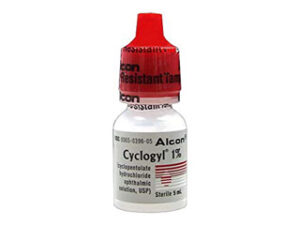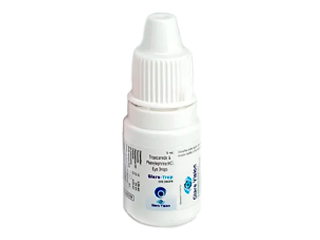


Tropicamide Eye Drops (Tropicamide)
Tropicamide is an eye drop medicine used to dilate (widen) the pupil and temporarily blur near vision. In Australia, it’s commonly used in eye examinations and some ophthalmic procedures to help clinicians view the inside of the eye more clearly.
This page provides patient-friendly information about how tropicamide works, typical uses, timing, side effects, safety, and practical tips for day-to-day handling. If you have specific concerns (for example, eye pain, severe light sensitivity, or vision changes that don’t settle), seek advice from your eye care professional promptly.
Basic product information
| Product | Details |
|---|---|
| Active ingredient | Tropicamide |
| Medicinal form | Eye drops (solutions of tropicamide) |
| What it does | Dilates pupil (mydriasis) and may paralyse focusing (cycloplegia) |
| Typical setting | Eye exams, diagnostic imaging, ophthalmic procedures |
| Duration | Usually several hours; near vision may remain blurred longer |
Important: Brands and strengths can vary. Always follow the directions provided with your specific product pack, and ask your pharmacist or optometrist for advice if anything is unclear.
How tropicamide works (mechanism of action)
Tropicamide is an antimuscarinic (anticholinergic) medicine. In the eye, it blocks muscarinic receptors that normally drive:
- Pupil constriction (via the circular muscles of the iris), leading to pupil dilation.
- Focusing for near vision (via the ciliary muscle), which can cause blurred near vision (temporary cycloplegia).
By relaxing these pathways, tropicamide allows more light and clearer views of the retina and lens during an eye examination.
Pharmacokinetics: what the body does to tropicamide
When used as eye drops, tropicamide acts locally in the eye, with some absorption through the tissues around the eye and into the bloodstream. While exact values can differ by dose and formulation, the general behaviour is:
- Absorption: Tropicamide can be absorbed through the ocular tissues and may enter systemic circulation.
- Distribution: After absorption, it distributes throughout the body. Systemic effects are more likely with higher doses, frequent dosing, accidental swallowing, or in people who are particularly sensitive.
- Metabolism and elimination: Tropicamide is metabolised and eliminated primarily by the body through renal (kidney) pathways and other metabolic processes.
In practice, the eye effects (dilation and reduced focusing ability) are what most people notice. Systemic side effects are uncommon when used appropriately with correct drop technique.
Typical use in Australia
Tropicamide is widely used as part of ophthalmic diagnostics. Common clinical reasons include:
- Eye examinations where dilation is needed to inspect the retina, optic nerve, and lens.
- Refraction assessment (especially when cycloplegia is needed to reduce accommodation-related blur).
- Pre-procedure preparation for certain ophthalmic tests and imaging.
Your eye care professional will determine whether tropicamide is appropriate for your situation based on age, eye history, and examination goals.
Timing: when to expect effects
Tropicamide generally starts working within a short period after instillation. Typical timelines are:
- Onset: usually within minutes to about 30 minutes.
- Peak effect: often reached within 30–60 minutes (varies by person and formulation).
- Duration: dilation commonly lasts several hours; near vision can remain blurred longer.
- Recovery: many people return to near-normal vision by later in the day, but some residual light sensitivity or blur may persist.
If you have been given advice about driving or returning to work, follow that guidance. If you need to read fine print, consider arranging assistance or postponing tasks until the effect settles.
Indications (when tropicamide is used)
Tropicamide is indicated for pupil dilation and cycloplegia for diagnostic or therapeutic reasons in ophthalmology. Indications may include:
- Ophthalmoscopy or fundus examination to improve visualisation of internal eye structures.
- Refraction where cycloplegia is desired to measure refractive error more accurately.
- Diagnostic procedures requiring mydriasis.
Your clinician will consider your medical history—particularly conditions involving eye pressure, narrow angles, or previous reactions to antimuscarinics.
Dosing: general guidance
Dosing depends on the product strength and the purpose of use (examination vs. refraction vs. specific procedure). In Australia, clinicians and pharmacists provide directions based on the relevant pack instructions.
General examples (not a substitute for your specific directions):
- For eye examination: one or more drops may be placed in the affected eye(s), with possible repeat doses after a short interval.
- For cycloplegic refraction: dosing may require careful timing and sometimes additional drops depending on the protocol used by the practice.
How to use the drops correctly:
- Wash or sanitise your hands.
- Tilt your head back, look up, and pull down the lower eyelid to create a small “pocket”.
- Instil the prescribed number of drops without touching the tip to your eye.
- Close your eyes gently and press the inner corner of your eye (near the nose) for about 1 minute. This reduces drainage into the nose and can limit systemic absorption.
- Wipe away excess fluid with a clean tissue.
- If using more than one eye medicine, separate them by the time suggested on your label or by your pharmacist.
If you miss a dose: follow the directions on your product label or the instructions from your eye care professional. Do not use extra drops unless advised.
Food interactions
Tropicamide is used as an eye drop, so food interactions are not commonly expected. Any clinically significant interactions with food are unlikely because systemic exposure from correct eye-drop use is generally low.
However, if you experience nausea, dizziness, or other unusual effects after use, consider whether you may have accidentally swallowed some drops or used more than directed, and seek advice.
Alcohol and medicine interactions
Alcohol
There is no strong, well-established alcohol–tropicamide interaction for typical eye-drop use. Still, because tropicamide can cause blurred vision and dizziness in some people, it’s sensible to avoid alcohol while your vision is affected—especially if you plan to drive or operate machinery.
Other medicines
Tropicamide’s antimuscarinic effects mean it may increase the risk of side effects when combined with other medicines that have anticholinergic (antimuscarinic) properties. Inform your pharmacist or clinician if you take any of the following types of medicines:
- Medicines for bladder overactivity (anticholinergics)
- Some allergy medications that cause drowsiness and have anticholinergic effects
- Some antidepressants or antipsychotics with anticholinergic activity
- Medicines for Parkinson’s disease (some have anticholinergic action)
- Other eye drops or treatments that affect pupils or eye focusing
Also tell your clinician about:
- Any history of glaucoma or raised eye pressure
- Any history of “narrow angles” or previous episodes of eye pain with dilating drops
- Any allergy or previous reaction to anticholinergic medicines
Safety profile: risks and side effects
Tropicamide is generally well tolerated when used correctly for eye examinations. Nonetheless, some people experience local or systemic side effects.
Common or expected effects
- Light sensitivity (photophobia)
- Blurred near vision (difficulty focusing)
- Blurred vision or “glare,” particularly in bright environments
- Temporary redness or mild irritation
- Dryness or a scratchy feeling in the eye
Less common systemic effects
Systemic antimuscarinic effects are uncommon with proper technique, but may include:
- Dry mouth
- Dizziness or headache
- Nausea
- Fast heart rate (palpitations)
- Unusual sleepiness or confusion (more likely in sensitive individuals)
Seek urgent medical attention if
Although rare, serious eye complications can occur, particularly in people with certain eye anatomy (for example, narrow-angle predisposition). Get urgent help if you experience:
- Severe eye pain
- Marked redness
- Significant worsening blur rather than gradual improvement
- Severe headache, nausea, or vomiting
- Halos around lights that are intense or persistent
Practical use tips (patient checklist)
- Plan for vision changes: bring sunglasses and avoid bright outdoor lighting.
- Avoid driving: after dilation, your vision and focusing ability may be impaired. Only drive again when you feel confident and your vision has returned.
- Be careful with children: keep out of reach and watch for accidental contact or swallowing.
- Use correct drop technique: press the inner corner of the eye to reduce drainage.
- Don’t rub your eyes: rubbing can increase irritation and the chance of systemic absorption through the tear duct.
- Remove contact lenses if advised: many clinicians prefer contact lenses removed during dilation to improve comfort and reduce contamination risk.
- Allow time for reading and screens: near tasks may be difficult until the medicine wears off.
Alternative options
Depending on the reason for dilation and the clinical protocol, eye care professionals may choose other medicines with similar or different mechanisms. Possible alternatives include:
- Other antimuscarinic eye drops used for mydriasis/cycloplegia
- Sympathomimetic agents that dilate the pupil (used selectively)
- Combination regimens that achieve dilation with different dosing schedules
The “best” alternative depends on your eye history, age, and what the examination is trying to measure. Your optometrist or ophthalmologist can explain what they choose and why.
Market and legal context in Australia
In Australia, availability of medicines is regulated under the Australian Register of Therapeutic Goods (ARTG) and the national scheduling and prescribing framework. Eye drops containing tropicamide are used in clinical settings and are handled under pharmacy and medicine regulation rules appropriate to their classification.
The exact way tropicamide is supplied can vary by formulation, strength, and product brand, and may include roles for authorised health professionals and pharmacists. Always check the product packaging and consult a pharmacist for the most accurate information about how it can be obtained and used for your situation.
Note: This page is for general information. Requirements for supply, counselling, and product-specific instructions may differ.
Recent guidance and clinical considerations
Eye care practices periodically update protocols to improve safety and reduce adverse events, particularly around:
- Assessing narrow-angle risk before using pupil-dilating drops.
- Ensuring correct administration technique to minimise systemic absorption (for example, punctal pressure).
- Patient advice around driving, work safety, and managing light sensitivity after dilation.
- Special care for children and individuals who are more sensitive to antimuscarinic medicines.
If you are having a procedure or eye examination, follow the pre-visit and post-visit instructions provided by the clinic. If you have previously experienced troublesome side effects, tell the clinician beforehand.
Delivery and availability (Australia)
Tropicamide eye drops may be available through pharmacy channels depending on the product and its supply category. Online pharmacies serving Australia typically offer delivery to eligible areas, subject to local regulations and courier availability.
Availability can be influenced by:
- Product brand and concentration
- Store inventory and supplier lead times
- Quantity limits (where applicable)
- Cold chain requirements (usually not required for typical eye drops, but always check the label)
Storage tips: keep the bottle tightly closed, store at the recommended temperature on the pack, and avoid contaminating the dropper tip. Check expiry dates and discard according to pack instructions.
Delivery considerations: If you need the drops for an appointment date, order early and allow time for dispatch and transit. If delivery timing is critical, contact the pharmacy for an estimated dispatch timeframe.
FAQ: Tropicamide eye drops
1) What is tropicamide used for?
Tropicamide is used to dilate the pupil and, in many cases, temporarily reduce focusing ability. This helps clinicians examine the inside of the eye and perform refraction or diagnostic procedures more accurately.
2) How long will my vision stay blurry?
Many people experience blurred near vision and light sensitivity for several hours. Near vision may take longer to fully recover. Your eye care professional may provide an estimate based on the number of drops used and your sensitivity.
3) Can I drive after using tropicamide?
It’s usually not recommended to drive until vision has clearly improved and you feel safe. Dilation and cycloplegia can affect distance vision, glare tolerance, and focusing. Wear sunglasses if you must be outdoors, and arrange alternative transport if needed.
4) Will tropicamide affect only one eye or both?
It depends on how it’s administered. Eye care professionals may use it in one or both eyes based on the examination or procedure plan. Use only as directed for your specific treatment.
5) What should I do if the drops get in my mouth?
If any liquid is accidentally swallowed, rinse your mouth with water and contact a pharmacist or healthcare professional for advice, especially if it was more than a tiny accidental amount. Use punctal pressure after dosing in future to reduce drainage.
6) Is it safe for children?
Tropicamide may be used in children for certain eye examinations, but dosing and safety considerations are especially important. Always follow clinician instructions closely and ensure correct administration and supervision.
7) What if I have glaucoma?
People with certain forms of glaucoma or narrow-angle anatomy may be at higher risk from pupil-dilating drops. Tell your eye care professional if you have glaucoma, raised eye pressure, or a history of narrow angles or severe reactions to dilating drops.
8) Can I use contact lenses with tropicamide?
You should follow the advice on your product label or from your eye care professional. In many cases, it’s recommended to remove contact lenses before instilling drops and wait until vision is stable and the clinician’s guidance is followed.
9) Are there any food interactions?
Food interactions are not typically a concern with tropicamide eye drops used as directed, since the medicine acts mainly in the eye.
10) Can I drink alcohol?
Alcohol is not known to directly interact with tropicamide in a typical clinical sense, but because it can worsen dizziness or impair judgement and because your vision may be affected, it’s wise to limit alcohol until your eye symptoms resolve—especially if you need to be alert or mobile.
11) What other medicines should I tell my pharmacist about?
Tell them about all medicines you use, particularly any that have anticholinergic effects (some allergy medicines, bladder medications, and certain mental health or neurological medicines), and any other eye drops used to affect pupils or eye pressure.
Summary
Tropicamide is a pupil-dilating and focusing-blurring eye drop commonly used for eye examinations and diagnostic procedures in Australia. It works by blocking antimuscarinic pathways in the eye, helping clinicians see the retina and lens clearly. Effects generally begin within minutes, peak within about an hour, and commonly last several hours—making sunglasses and avoiding driving sensible practical steps.
If you notice severe eye pain, intense redness, or persistent worsening vision, seek urgent medical advice. For personal guidance about whether tropicamide is suitable for you and how to use it safely, consult your optometrist, ophthalmologist, or pharmacist.