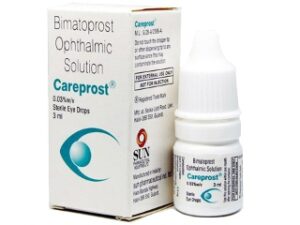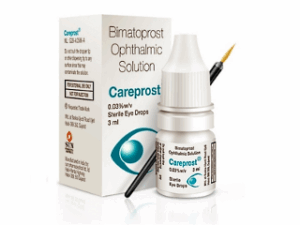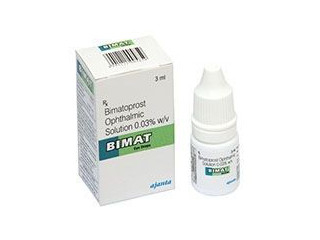
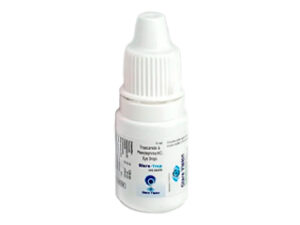
Bimat + Applicators (Bimatoprost) — Patient Information (Australia)
Bimat + Applicators is a medicine containing bimatoprost. It is supplied with applicators designed to help you apply the medicine to the eyelid line as directed. This product is used for specific eye conditions and is commonly associated with lowering elevated eye pressure and/or promoting the growth of eyelashes, depending on the formulation and indication.
This guide is written to help you understand how bimatoprost works, how to use it, what to expect, and what safety considerations matter. Always follow the instructions provided with your medicine and seek professional advice for questions tailored to your situation.
Key Product Information
- Active ingredient: Bimatoprost
- Product name: Bimat + Applicators
- Form: Eye drop formulation supplied with applicators (for topical use to the eye)
- Common routes of administration: Ophthalmic (eye use)
- Typical frequency: Often once daily (commonly in the evening), depending on the indication and local product instructions
Note: Product instructions (and the exact strength and dosing schedule) may vary between brands and countries. For Australia, follow the instructions on your specific pack or label.
How Bimatoprost Works (Mechanism of Action)
Bimatoprost is a prostaglandin analogue (more precisely, it is a prostamide that acts like prostaglandin activity in ocular tissues). Its main effect is to improve the eye’s fluid drainage system.
What it does in the eye:
- Increases outflow of aqueous humour (the fluid inside the eye) through pathways that help reduce eye pressure.
- May also affect structures associated with lash growth (for products indicated for cosmetic/therapeutic eyelash changes).
Why timing matters: Many ophthalmic prostaglandin-type medicines show their greatest effect with evening/night dosing, as ocular physiology changes throughout the day.
Pharmacokinetics (Absorption, Distribution, Metabolism, Elimination)
Because bimatoprost is used as an eye medicine, systemic exposure is generally low when used correctly. In general terms:
- Absorption: After topical eye administration, bimatoprost can be absorbed through ocular tissues. Systemic absorption is usually limited.
- Distribution: Any absorbed drug distributes throughout the body, but typically at very low levels.
- Metabolism: Bimatoprost is metabolised primarily in the body (metabolic pathways relevant to prostamide/prostaglandin analogues).
- Elimination: The drug and its metabolites are eliminated largely through renal pathways (and to a lesser extent other routes).
Clinical implication: With recommended dosing and correct application, systemic side effects are uncommon, but local eye effects (e.g., redness, irritation) are more commonly observed.
What Bimat + Applicators Is Used For (Indications)
Depending on the product formulation and indication, bimatoprost eye medicines may be used for:
- Lowering elevated intraocular pressure (IOP) in people with conditions such as glaucoma or ocular hypertension.
- Reducing progression risk by maintaining healthier eye pressures (as advised by an eye care professional).
- Eyelash-related indications where a bimatoprost product is specifically approved to improve eyelash appearance (e.g., length, fullness, darkness), depending on local product approval.
Important: Always confirm the intended use for your specific product and follow your clinician’s plan.
Typical Dosing & Timing
Dosing schedules depend on the condition being treated and the product instructions. A common regimen for bimatoprost eye drops is:
- Typical timing: Once daily, usually in the evening or at night.
- Why once daily: The ocular effect generally supports daily dosing.
- Use consistently: Using at the same time each day can help maintain consistent effect.
How to use the applicators (general guidance)
- Use clean hands and avoid touching the applicator tip to your eye or eyelid.
- Apply the prescribed amount along the eyelid margin or to the specified area as instructed.
- After application, keep your eyes closed briefly if comfortable.
- Wipe away excess with a clean tissue if instructed by your product information.
Missed dose: If you miss a dose, apply it as soon as you remember unless it is close to the next dose. Do not apply double doses. If unsure, contact your pharmacist or clinician.
Do not change the dose or stop suddenly unless advised, especially for glaucoma/IOP-related treatment plans.
Mechanistic & Practical Expectations
For pressure control (IOP): You may not feel an immediate change. The benefit is assessed by eye pressure measurements and eye examinations. Improvement can occur within days, but ongoing monitoring is essential.
For eyelash effects (if indicated): Visible changes often develop gradually. Many people notice effects after several weeks, with maximum changes typically observed over a few months. Results vary between individuals.
Food Interactions
No specific food interactions have been widely reported for bimatoprost ophthalmic use. Because systemic absorption is usually low, eating is not expected to meaningfully affect the medicine’s performance.
Practical tip: You can take meals normally. The key factor is timely eye application as directed.
Alcohol & Medicine Interactions
Alcohol
There is no well-established direct interaction between alcohol and bimatoprost eye medicines. However, alcohol can irritate eyes in some people (especially if dryness or redness occurs), which may worsen tolerability.
- If your eyes feel dry or irritated after alcohol, consider reducing intake and discuss symptoms with your pharmacist.
- Seek urgent help if you experience severe eye pain, sudden vision changes, or significant swelling.
Other medicines
Eye medicines can interact mainly through shared eye-surface effects (irritation, dryness) or through concurrent eye drops that can wash each other out.
- Other eye drops/ointments: If you use more than one eye medicine, follow a schedule to avoid diluting or displacing drops. Often a 5–15 minute gap is advised between different eye drops (exact timing should follow your clinician’s plan).
- Prostaglandin-type medicines: Using more than one prostaglandin analogue in the same eye may increase side effects. Only combine if specifically directed.
- Contact with preservatives: Some eye drops contain preservatives; long-term use may contribute to eye surface dryness in sensitive individuals.
Tell your healthcare professional about all medicines you use, including eye drops, supplements, and “natural” products.
Dosing for Different Situations (General Information)
Your exact regimen depends on your indication and product instructions. In general:
- If treating one eye: apply only to the affected eye unless directed otherwise.
- If prescribed for both eyes: apply to both eyes following the dosing schedule.
- Children: suitability and dosing vary by product approval and condition; use only under professional guidance.
- Older adults: dosing is commonly similar, but eye surface sensitivity may be higher—monitor for irritation.
Do not use more frequently than instructed. Increasing frequency does not reliably improve results and may raise the risk of side effects.
Safety Profile & Possible Side Effects
Like all medicines, bimatoprost can cause side effects. Many are mild and related to the eye’s surface or eyelids.
Common side effects
- Eye redness
- Itching or irritation
- Dryness or a gritty feeling
- Tearing
- Darkening of eyelid skin or eyelash changes (if indicated)
- Changes in eyelashes (growth, thicker lashes, or increased pigmentation)
Less common side effects
- Headache
- Allergic-type reactions (rare)
- Increased pigmentation around the eye
Serious side effects — seek urgent help
Contact urgent medical care or your eye care provider immediately if you experience:
- Severe eye pain
- Sudden vision changes
- Marked swelling of the eyelids or face
- Severe redness with worsening symptoms
- Burning or discomfort that becomes intolerable or persistent
Safety considerations
- Contact lenses: If you wear contact lenses, you may need to remove them before applying the medicine and wait before reinserting. Follow the label or advice from your pharmacist.
- Eye conditions: People with inflammation, recent eye surgery, or fragile ocular surface should use prostaglandin analogues carefully under professional guidance.
- Skin pigmentation: Some users notice increased pigmentation near the application area over time.
- Glasses/contacts: If vision blurs temporarily after application, wait before driving or operating machinery.
Practical Use Tips (Getting the Best Results)
- Consistency is key: Use at the same time each day.
- Don’t double up: If you forget a dose, return to your normal schedule.
- Avoid touching: Keep the applicator tip away from your eye to reduce contamination and irritation.
- Gentle technique: Apply carefully along the eyelid margin or prescribed area—avoid the eyeball if your instructions specify eyelid-line application.
- Use a mirror: Many people find a mirror helps ensure correct placement.
- Manage dryness: If dryness occurs, consider preservative-free lubricating drops—ask your pharmacist about compatibility and spacing.
- Track changes: If treating eyelash-related effects, monitor for comfort and any unexpected eyelid irritation.
- Follow-up visits: For IOP/glaucoma-related treatment, keep regular eye pressure checks and examinations.
Alternative Options
Depending on your condition, ophthalmologists and optometrists may offer alternative treatments. Options may include:
- Other prostaglandin analogues (similar mechanism, different brand formulations)
- Beta-blocker eye drops
- Alpha agonists
- Carbonic anhydrase inhibitors
- Combination eye drops (for convenience in some patients)
- Non-drop therapies (for certain cases): laser treatments or procedures may be considered by your eye specialist
- Eyelash-focused alternatives (where approved for similar cosmetic or therapeutic goals)
Important: Alternatives depend on your eye diagnosis, medical history, and tolerability. Discuss options with a qualified eye care professional.
Market & Legal Context for Australia
In Australia, eye medicines are regulated by the relevant authorities and are dispensed in accordance with approved indications and labelling requirements. Availability can vary by product category, brand, and indication. For the most accurate information on what your specific product is approved for, refer to the Australian product packaging and consumer medicine information provided with your medicine.
When buying online, reputable pharmacies will typically:
- Provide information consistent with the Australian approved product
- Follow Australian dispensing and supply requirements
- Ensure the product matches what you select (strength, form, and quantity)
- Offer guidance on safe use and storage
Note: If you are unsure whether your product is intended for your condition (e.g., IOP lowering vs eyelash appearance), check the label and consult your pharmacist.
Recent Guidance & Monitoring Considerations
Eye medicines like bimatoprost require ongoing monitoring for effectiveness and tolerability. Recent practice trends in ophthalmology generally emphasise:
- Regular eye examinations for people with glaucoma/ocular hypertension
- Monitoring for ocular surface effects such as dryness, redness, or irritation
- Careful review of concurrent therapies (other drops, ointments, or contact lens use)
- Adherence to prescribed dosing schedules to avoid under-treatment or increased side effects
Your clinician may adjust your regimen based on response and side effects.
Delivery, Availability & What to Expect
Availability of Bimat + Applicators may vary depending on supply and packaging. When ordering online:
- Dispatch: Orders are typically dispatched on business days (timelines depend on warehouse and carrier services).
- Packaging: Products are normally shipped with protective packaging to reduce breakage or leakage.
- Storage on arrival: Store as directed on the pack. Keep out of reach of children.
- Expiry: Check the expiry date before use.
If you have questions about stock, strength, or whether the product matches your intended indication, contact the pharmacy team before ordering.
Storage & Handling
- Follow the storage instructions on the carton/label (commonly room temperature, protected from excessive heat).
- Keep the applicators clean and avoid contamination.
- Do not use if the packaging appears damaged or if the product looks abnormal.
- Keep all medicines out of reach and sight of children.
FAQ
1) How long does it take for Bimat + Applicators to work?
For eye pressure (IOP): some effect may be seen within days, but your clinician will assess overall response using measurements at follow-up.
For eyelash-related effects (if indicated): visible changes often take several weeks, with more noticeable results over a few months.
2) Can I use Bimat + Applicators if I wear contact lenses?
Contact lens advice depends on the product formulation and your eye health. Many ophthalmic medicines require removal of contact lenses before application and waiting before reinsertion. Check your label and ask your pharmacist for the exact guidance.
3) What if I accidentally get the medicine in my mouth?
If a small amount is swallowed accidentally, it is usually not an emergency. Rinse your mouth with water. If you feel unwell or have concerns, contact a healthcare professional or the Poisons Information Centre in Australia (below).
4) Is there any food interaction?
No specific food interactions are generally expected for bimatoprost eye medicines. Focus on using the drops at the right time rather than with meals.
5) Can I use alcohol while on bimatoprost?
There is no well-known direct interaction, but alcohol may worsen eye irritation or dryness in some people. If you notice worsening redness or discomfort, reduce intake and discuss symptoms with your pharmacist.
6) Can I use other eye drops with it?
Often yes, but you should follow a spacing schedule to avoid washing out the medicine. Many people use a 5–15 minute gap between drops; however, confirm the timing with your pharmacist or clinician, especially if using multiple eye products.
7) What should I do if I miss a dose?
Apply it when you remember if it’s not close to the next scheduled dose. Do not use extra doses to “catch up.” Resume your normal daily schedule.
8) What side effects are most common?
The most common effects include redness, irritation, dryness, tearing, or eyelash/eyelid changes (where relevant). If symptoms are severe or worsening, seek advice from your eye care provider.
9) When should I stop and get urgent care?
Seek urgent medical help if you have severe eye pain, sudden changes in vision, significant swelling, or intense redness that rapidly worsens.
10) Are there alternatives to bimatoprost?
Yes. Depending on your diagnosis, other medications and treatments may be available. Options can include other classes of glaucoma medications or different eyelash treatments approved for similar purposes.
Quick Reference Table
| Topic | What to know about Bimat + Applicators (bimatoprost) |
|---|---|
| Active ingredient | Bimatoprost |
| Main action | Helps increase aqueous humour outflow to support lower intraocular pressure; may also affect eyelash growth where indicated |
| Typical schedule | Often once daily, commonly in the evening/night |
| Food interactions | Not expected to have clinically significant interactions |
| Alcohol | No known direct interaction; may worsen dryness/irritation in some people |
| Common side effects | Redness, irritation, dryness, tearing; possible eyelash/eyelid pigmentation changes |
| Urgent warning signs | Severe eye pain, sudden vision changes, marked swelling, rapidly worsening redness |
| Monitoring | For IOP/glaucoma: regular eye pressure checks; for other indications: monitor comfort and expected gradual changes |
Final Notes
Bimat + Applicators (bimatoprost) can be an effective option for people who need eye pressure control and/or, where indicated, eyelash-related benefits. The most important things for safe and effective use are correct daily timing, gentle application, and keeping follow-up appointments with your eye care professional.
If you are unsure whether this medicine is right for your condition, or if you experience side effects that worry you, speak with a pharmacist or qualified healthcare provider.
Need urgent help? If you experience severe symptoms (pain, vision changes, significant swelling), seek urgent care immediately. For accidental swallowing or poisoning concerns, you can contact the Poisons Information Centre in Australia on 13 11 26.