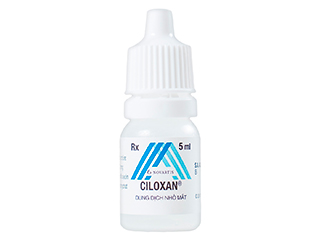
Ciloxan (Ciprofloxacin) – Patient Information (Australia)
Ciloxan is a brand of ciprofloxacin, an antibiotic from the fluoroquinolone group. It is commonly used as an eye medicine (and may also be available in other forms depending on product listing). This page explains how it works, how to use it safely, and what to expect. Always follow the instructions provided with your product and advice from a healthcare professional.
Quick Facts
- Active ingredient: Ciprofloxacin
- Medicine type: Antibiotic (fluoroquinolone)
- Common use: Bacterial eye infections (e.g., conjunctivitis, keratitis)
- Typical forms: Eye drops and eye ointment (check your specific product)
- How it works: Stops bacteria from repairing their DNA, preventing growth
- Key precautions: Avoid touching the eye tip to reduce contamination; stop and seek help if severe pain or vision changes occur
Basic Product Information
Ciloxan contains ciprofloxacin, a broad-spectrum antibiotic effective against many common bacteria that can cause infections in and around the eye. It is used to treat suspected or confirmed bacterial eye infections, typically when prescribed or recommended for that purpose.
Available products: In Australia, Ciloxan is typically supplied as:
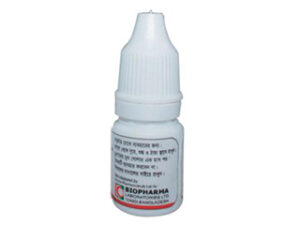
- Ciloxan eye drops
- Ciloxan eye ointment
Strength and dosing frequency vary by formulation. Always use the exact product and directions that match your container label.
How Ciloxan Works (Mechanism of Action)
Ciprofloxacin works by interfering with essential bacterial enzymes involved in DNA replication:
- DNA gyrase inhibition (topoisomerase II) – prevents bacteria from untangling and duplicating DNA.
- Topoisomerase IV inhibition – helps stop chromosome separation during bacterial cell division.
This leads to rapid inhibition of bacterial growth and, at appropriate concentrations, bacterial cell death. Ciprofloxacin is particularly active against many Gram-negative bacteria, and it can also cover some Gram-positive bacteria depending on strain.
Pharmacokinetics (How the Medicine Behaves in the Body)
Because Ciloxan is primarily an eye medicine, most of its activity occurs locally in the eye. The amount that reaches the bloodstream after topical eye use is usually low, but small systemic absorption can occur.
- Absorption: Ciprofloxacin may be absorbed through ocular tissues and via drainage through the tear ducts into the nasal mucosa.
- Distribution: Local drug levels are highest in ocular tissues; systemic distribution is generally limited.
- Metabolism: Metabolism in the body is limited and depends on overall exposure.
- Elimination: Any absorbed portion is largely cleared by the kidneys (and to a lesser extent by other routes).
With topical use, systemic exposure is typically much lower than with oral fluoroquinolones. Nevertheless, people with kidney problems and those taking interacting medicines should be cautious and follow professional advice.
Typical Use and Timing
Ciloxan is used for bacterial eye infections as directed. It is not intended for viral or allergic eye conditions (such as most cases of viral conjunctivitis or hay fever–related conjunctival irritation).
Common treatment goals:
- Reduce bacterial load quickly
- Relieve redness, discharge, and discomfort
- Prevent complications (for example, in corneal infections)
Timing matters: Antibiotics work best when taken at consistent intervals. If you miss a dose, use it as soon as you remember unless it is close to your next scheduled dose—then resume your regular schedule. Do not apply double amounts.
Indications (When Ciloxan May Be Used)
Ciloxan is indicated for eye infections caused by susceptible bacteria, including conditions such as:
- Bacterial conjunctivitis (often characterised by redness with purulent discharge)
- Bacterial keratitis (infection of the cornea; can be serious)
- Other superficial ocular infections as directed by clinicians
If you have severe eye pain, changes in vision, light sensitivity, or symptoms after contact lens use, you should seek prompt medical assessment.
Dosing (Typical Adult Directions)
Dosing depends on the exact Ciloxan formulation and the condition being treated. The guidance below is general and may not match your prescription directions. Always follow the instructions on your product label or provided by your healthcare professional.
Common dosing patterns for eye drops
- Frequently scheduled doses early in treatment (often several times per day for a short course)
- May be adjusted based on severity and clinical response
Common dosing patterns for eye ointment
- May be used at bedtime or when lubrication/longer contact time is desired
- May be combined with drops depending on the regimen
How to apply eye drops safely: refer to the practical tips section below.
Example schedule (for illustration only)
Some regimens may look like this (exact frequency differs by condition and clinician advice):
- Daytime doses at regular intervals
- A final dose before bed
If your label states a specific frequency (e.g., every 2 hours while awake, or 4 times daily), follow that precisely.
Food Interactions
For most people, food interactions are unlikely with topical eye antibiotics like Ciloxan because very little drug reaches the bloodstream. There may still be rare individual variability in absorption, but generally there is no requirement to take Ciloxan with or without food.
If you are using oral medications that interact with ciprofloxacin (for example, certain antacids or minerals), those interactions are more relevant to systemic ciprofloxacin than to eye drops. Still, if you take many medicines, it’s wise to discuss concerns with a pharmacist.
Alcohol and Medicine Interactions
Alcohol
Since Ciloxan is applied to the eye, alcohol interactions are not commonly expected. Systemic exposure is typically low. However, if you experience dizziness, nausea, or headache after treatment, consider limiting alcohol and speaking to a healthcare professional if symptoms persist.
Other medicines
Any systemic absorption is usually small, but medicine interactions can still matter for people who have: very sensitive drug effects, existing kidney impairment, or complex medication regimens.
More notable interactions for ciprofloxacin (mainly with systemic use) include:
- Antacids and mineral supplements (magnesium, aluminium, iron, zinc): can reduce absorption of ciprofloxacin.
- Blood thinners (e.g., warfarin): ciprofloxacin can sometimes increase bleeding risk in systemic settings.
- Theophylline (used in some lung conditions): may alter levels.
- Some antiarrhythmics: ciprofloxacin can affect heart rhythm risk in susceptible individuals (again more relevant to systemic exposure).
- Corticosteroids: increased risk of tendon problems has been reported with systemic fluoroquinolones.
For eye use, these are less likely than with tablets or capsules. Still, it’s reasonable to ask your pharmacist if you’re unsure, especially if you also take oral ciprofloxacin or other interacting medicines.
Safety Profile (Side Effects and Warnings)
Like all medicines, Ciloxan can cause side effects. Many are mild and temporary, especially at the start of treatment. However, some reactions require prompt medical attention.
Common or mild side effects
- Temporary burning or stinging after application
- Redness or mild irritation
- Watery eyes (tearing)
- Unpleasant taste (from drainage through the tear duct)
- Blurred vision briefly after drops/ointment
Less common but serious reactions (seek urgent help)
Seek medical care urgently if you experience:
- Severe or worsening eye pain
- Significant vision changes or inability to see clearly
- Marked light sensitivity
- Swelling of the face/eyelids or trouble breathing (possible allergy)
- Worsening symptoms after 48 hours of treatment or no improvement
- Persistent discharge or symptoms that spread
Contact lens wear
If you wear contact lenses, avoid using them during treatment unless your clinician advises otherwise. Contacts can increase the risk of corneal infection and contamination of the eye drop applicator. Replace lenses and lens cases according to professional advice once the infection has resolved.
Allergy information
Tell a healthcare professional if you have ever had an allergy to ciprofloxacin or other fluoroquinolones, or if you develop a rash or signs of an allergic reaction after using Ciloxan.
Practical Use Tips (How to Apply Correctly)
Correct technique helps the medicine work better and reduces the risk of contamination.
Before you start
- Wash your hands thoroughly.
- Check the label for strength and dosing frequency.
- Remove contact lenses (if applicable) before applying the medicine.
Applying eye drops
- Gently tilt your head back.
- Pull down the lower eyelid to form a small pocket.
- Hold the bottle close to the eye without touching the eyelid or lashes.
- Instil the prescribed number of drops into the lower eyelid pocket.
- Close your eye gently and press the inner corner (near the nose) for about 1 minute if possible. This can reduce drainage into the tear duct.
- Keep your eye closed for a short time and avoid rubbing.
- Wash your hands again after finishing.
Applying eye ointment
- Wash hands and remove contact lenses.
- Pull down the lower eyelid and apply a small ribbon of ointment to the pocket.
- Close the eye and keep it closed briefly.
- Expect blurry vision temporarily—avoid driving until vision is clear.
- Reapply as directed by your clinician or label.
Using with other eye medicines
- If you use more than one eye medication, space them at least 5–10 minutes apart (unless otherwise directed).
- Ointments are often used last because they can “coat” the eye and slow absorption of drops.
Storage and expiry
- Store according to the pack instructions (commonly at room temperature, protected from light if stated).
- Check expiry date and any “discard after opening” guidance if provided.
- Do not use the medicine if the container appears damaged.
What to Expect During Treatment
Many bacterial eye infections start improving within 1–2 days. Redness and discharge should begin to reduce. If symptoms are not improving after 48 hours, or if they worsen, contact a healthcare professional.
- Better: less discharge, reduced redness, improved comfort
- Not better / worsening: increased pain, swelling, worsening discharge, or vision changes
Complete the full course as advised even if you feel better. This helps reduce the risk of relapse and resistance.
Alternative Options (If Ciloxan Is Not Suitable)
Alternatives depend on the infection type, severity, suspected bacteria, allergies, local guidelines, and what products are available. Common alternative eye antibiotics may include other classes (depending on bacterial coverage needs).
Possible alternatives (example categories):
- Other antibiotic eye drops/ointment from different classes
- Supportive care for non-bacterial causes (e.g., lubrication for dryness, hygiene measures for blepharitis)
- Urgent specialist assessment for corneal ulcer or contact lens–related keratitis, where treatment may differ
Don’t switch antibiotics on your own. If Ciloxan isn’t helping, a clinician may reassess diagnosis, perform cultures in certain cases, or choose a different antibiotic or treatment plan.
Market and Legal/Regulatory Context in Australia
Medicines in Australia are regulated to ensure quality, safety, and appropriate supply. Availability and prescribing practices depend on the product classification and local regulations. Eye antibiotics like ciprofloxacin products are typically supplied under appropriate clinical oversight for bacterial eye infections.
Online pharmacies in Australia should:
- Provide product information clearly and accurately
- Ensure lawful supply according to applicable rules
- Include patient-facing warnings and usage directions
- Encourage consultation when symptoms are severe or not improving
Important: If you are unsure whether your symptoms are bacterial, get appropriate assessment. Misuse of antibiotics can delay the correct diagnosis and contribute to antibiotic resistance.
Recent Guidance and Stewardship Considerations
In line with broader antibiotic stewardship principles, clinicians aim to:
- Use antibiotics when there is evidence or strong suspicion of bacterial infection
- Avoid unnecessary antibiotic use for viral or allergic conjunctivitis
- Review treatment if there is no improvement within a short timeframe
- Use the narrowest effective option when possible
If you have recurrent infections, contact lens use, chronic eye conditions, or immunocompromising conditions, your clinician may adjust evaluation and therapy.
Delivery and Availability (Online Pharmacy Australia)
Ciloxan products may be available through online pharmacies, depending on stock and the specific formulation (drops vs ointment). Delivery times can vary by location, shipping method, and stock availability.
- Availability: Check the product listing for current stock status.
- Delivery: Typically standard and express options may be offered (depending on the pharmacy).
- Order accuracy: Confirm the product type and strength before placing your order.
If your treatment schedule is time-sensitive (e.g., suspected keratitis), choose the fastest delivery method available and seek urgent care if symptoms are severe.
FAQ: Ciloxan (Ciprofloxacin) Eye Medicine
1) What is Ciloxan used for?
Ciloxan (ciprofloxacin) is used to treat bacterial infections of the eye, such as bacterial conjunctivitis or bacterial keratitis, depending on the clinician’s assessment and local indications for the product.
2) How quickly should I feel better?
Many people notice improvement within 1–2 days. If you have no improvement or symptoms worsen after 48 hours, contact a healthcare professional promptly.
3) Can I wear contact lenses while using Ciloxan?
It’s generally recommended to avoid contact lens wear during treatment. Contact lenses can worsen or prolong infection and can contaminate the eye. Only resume lenses if you’re advised it’s safe.
4) What should I do if I miss a dose?
Use the dose as soon as you remember. If it’s close to your next dose, skip the missed one and continue your regular schedule. Don’t apply extra drops to “catch up.”
5) Is Ciloxan safe for children?
Use in children depends on age, infection type, and clinician assessment. Check the product label and seek professional advice for dosing and suitability.
6) Can I use Ciloxan with other eye drops?
Yes, but separate the medicines by at least 5–10 minutes. Ointments are often used last. Follow your treatment plan and ask a pharmacist if you’re unsure.
7) Will it work for viral conjunctivitis?
Ciloxan treats bacterial infections. Viral conjunctivitis usually resolves without antibiotics. If you’re not sure of the cause, get medical advice—especially if symptoms are severe or persistent.
8) What are the warning signs that need urgent attention?
Seek urgent medical care if you experience severe eye pain, vision changes, significant light sensitivity, swelling of the eyelids/face, trouble breathing, or if the infection worsens.
9) Does Ciloxan interact with alcohol?
Alcohol interactions are not commonly expected with eye drops/ointment because systemic absorption is usually low. If you feel unwell, consider avoiding alcohol and seek advice if symptoms continue.
10) Can I drive after using Ciloxan?
If your vision becomes blurred after drops or ointment, avoid driving until your vision is clear. Ointment commonly causes more temporary blur.
Summary
Ciloxan (ciprofloxacin) is an antibiotic eye medicine designed to treat bacterial eye infections. It works by stopping bacteria from replicating their DNA. Improvements are often seen within a couple of days, but it’s important to use it correctly and complete the course as directed. If symptoms worsen or you experience severe pain or vision changes, seek urgent medical care.
At-a-Glance Comparison: Key Points to Remember
| Topic | What to know |
|---|---|
| What it treats | Bacterial infections of the eye (e.g., conjunctivitis, keratitis caused by susceptible bacteria) |
| How it works | Inhibits bacterial DNA gyrase and topoisomerase IV |
| How fast it works | Often improves within 1–2 days; seek help if no improvement after 48 hours |
| Dose timing | Use at consistent intervals; don’t double if you miss a dose |
| Food effects | Not usually relevant for eye use |
| Contacts | Avoid contact lenses during treatment unless advised otherwise |
| When to get urgent care | Severe pain, vision changes, marked light sensitivity, allergic symptoms, or worsening symptoms |