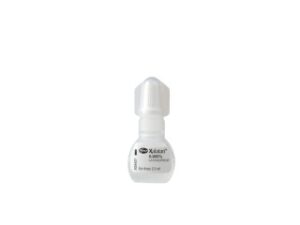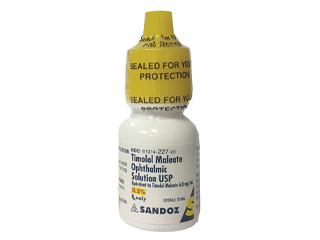
Timoptic (Timolol Maleate) – Patient Information (Australia)
Timoptic contains timolol maleate, a medicine used to lower pressure inside the eye. It belongs to a group of medicines called beta-blockers. Timoptic is used mainly for eye conditions where reducing intraocular pressure helps protect the optic nerve and preserve vision.
This page provides general information about Timoptic, including how it works, how it is usually used, possible side effects, and practical tips. Always follow the instructions provided by your eye care professional and the product packaging.
Key Facts at a Glance
- Active ingredient: Timolol maleate
- Medicinal class: Topical beta-blocker (eye drops)
- Common use: Lowering eye pressure in glaucoma and ocular hypertension
- How it works: Reduces fluid (aqueous humour) production in the eye
- Typical form: Eye drops (strength depends on the product brand/presentation)
- Common timing: Often once or twice daily, depending on the prescribed regimen
What Timoptic Is Used For
Timoptic is used to treat conditions in which the pressure inside the eye (intraocular pressure) is too high or needs to be reduced. Lowering intraocular pressure can help reduce the risk of optic nerve damage.
Indications (Typical Uses)
- Open-angle glaucoma
- Ocular hypertension (when eye pressure is higher than normal)
- Some cases of secondary glaucoma where beta-blockers are considered appropriate by an eye specialist
Important: Timoptic helps control eye pressure. It does not cure glaucoma, but it can help slow progression and protect vision when used consistently.
How Timoptic Works (Mechanism of Action)
Timolol maleate is a non-selective beta-adrenergic blocker. When applied to the eye, it helps lower intraocular pressure mainly by:
- Decreasing aqueous humour production (the fluid made inside the eye)
- Leading to a reduction in pressure within the anterior chamber of the eye
Lower intraocular pressure can help protect the optic nerve from damage associated with glaucoma.
Pharmacokinetics (How the Body Processes Timoptic)
After eye drop administration, timolol can be absorbed through the eye tissues and the nasal mucosa (via drainage into the nose). Some absorption can occur into the bloodstream, which is why systemic side effects (though less common) are possible.
General Pharmacokinetic Overview
- Local ocular effect: Primarily in the eye tissues to reduce aqueous humour production
- Systemic absorption: Possible through the eye’s drainage pathway and the nasal mucosa
- Distribution: Timolol may reach systemic circulation, especially with higher doses or frequent dosing
- Metabolism and elimination: Like other beta-blockers, timolol is metabolised and cleared by the body, mainly through hepatic metabolism and renal excretion of metabolites
Practical takeaway: Use of techniques such as punctal occlusion (briefly pressing the inner corner of the eye) may reduce systemic absorption for some patients (see “Practical Use Tips”).
When It Starts Working and Timing of Doses
Timoptic lowers intraocular pressure within a period of time after dosing. The effect may begin within hours, with continued benefit as the medicine is used consistently.
Typical Timing
Many timolol regimens for eye drops are given:
- Once daily or twice daily, depending on the specific product strength and your prescriber’s instructions
Consistency matters: For glaucoma and ocular hypertension, maintaining stable eye pressure is usually more important than “as needed” dosing.
If you miss a dose: Take it when you remember unless it is close to the next dose. Do not use a double dose to make up for a missed one. If you are unsure, follow the advice on the package or contact your pharmacist or eye care team.
Does Food Affect Timoptic?
Timoptic is administered to the eye, not taken by mouth. Food interactions are not expected to be significant for most people because the medicine is absorbed locally and any systemic absorption is generally small.
Nevertheless, if you take other medications (especially for heart or breathing conditions), it’s important to discuss all your medicines with a pharmacist or doctor to ensure there are no interaction concerns.
Alcohol and Medicine Interactions
Alcohol: There is no well-established direct alcohol interaction with timolol eye drops. However, alcohol can worsen dizziness or fatigue in some people. Because timolol can (in some cases) contribute to lower heart rate or low blood pressure, be cautious with alcohol if you experience light-headedness.
Medicine Interactions to Be Aware Of
Systemic effects are uncommon, but they can occur—especially if you have sensitive cardiovascular or respiratory systems. Tell your health professional about all medicines you use, including:
- Other beta-blockers (including oral tablets, inhalers for asthma/COPD, or other eye drops) – increased risk of slow pulse or other beta-blocker effects
- Calcium channel blockers (e.g., verapamil, diltiazem) – may increase effects on heart rate and conduction
- Antiarrhythmic medicines (for abnormal heart rhythms)
- Digoxin or other medicines that affect heart function
- Diabetes medicines and medicines that can mask low blood sugar symptoms – beta-blockers may sometimes reduce warning signs of hypoglycaemia
- Medicines that lower blood pressure – potential additive effects
- Medicines for depression (some classes can affect heart rhythm)
- Other glaucoma treatments – sometimes used together, but the regimen must be coordinated
Asthma/COPD note: Timolol is a non-selective beta-blocker. It may worsen bronchospasm in susceptible people. If you have asthma or a history of wheezing, discuss suitability with your clinician.
Dose and How to Use Timoptic
Dose depends on the individual and the specific Timoptic product presentation (e.g., strength and whether the regimen is once or twice daily). Use the dose exactly as directed by your eye care professional.
General Adult Dosing (Common Approach)
- Typical dose: Often one drop into the affected eye(s) once or twice daily
Children and adolescents: Dosing requires specialist assessment. The eye care clinician will weigh benefits and risks and monitor closely.
How to Apply Timoptic Eye Drops
- Wash your hands thoroughly.
- If wearing contact lenses, remove them before instilling drops (unless your clinician/pharmacist advises otherwise). Reinsert later if permitted.
- Use a mirror if helpful.
- Gently pull down the lower eyelid to create a small pocket.
- Instill one drop into the eye without touching the dropper tip to the eye.
- Close the eye gently and keep it closed for about 1–2 minutes.
- Use gentle pressure at the inner corner of the eye (see below) to reduce drainage into the nose.
Multiple Eye Medicines: Separation Timing
If you use more than one eye medicine (for example, prostaglandin analogues, artificial tears, or anti-inflammatory drops), follow spacing instructions. A common approach is:
- Wait at least 5–10 minutes between different eye drops to reduce dilution and washout.
Artificial tears may be used more frequently; however, ask your pharmacist about the best schedule for your specific products.
Practical Use Tips (Getting the Best Results)
- Punctal occlusion: After applying the drop, press gently on the inner corner of the eye (near the nose) for about 1 minute. This can reduce systemic absorption.
- Consistency: Use at the same times each day. Consider setting alarms or using a daily medication routine.
- Avoid contamination: Don’t touch the eye or eyelids with the dropper tip. Keep the cap on tightly.
- Don’t stop suddenly: If timolol is helping control eye pressure, stopping can lead to increased intraocular pressure.
- Manage dryness: If you experience irritation or dryness, discuss artificial tear options (preservative-free is often preferred).
Safety Profile and Possible Side Effects
Most people tolerate Timoptic well, but like all medicines it can cause side effects. Some effects are local (eye-related) and some are due to systemic absorption.
Common Eye-Related Side Effects
- Stinging or burning sensation
- Redness
- Dry eyes or discomfort
- Blurred vision (usually temporary)
- Itching or irritation
Less Common but Important Side Effects
- Slow heart rate (bradycardia) or palpitations
- Lower blood pressure symptoms such as dizziness
- Shortness of breath or wheezing, especially in people with asthma/COPD
- Fatigue or reduced exercise tolerance
- Headache
Seek urgent medical advice if you experience
- Worsening breathing problems (wheezing, tight chest)
- Fainting, severe dizziness, or markedly slow pulse
- Severe eye pain, marked light sensitivity, or sudden vision changes
- Allergic-type reactions such as facial swelling or hives
Special Warnings / Who Should Use Caution
- Asthma, COPD, or bronchospasm history: Timolol may aggravate breathing difficulties.
- Heart rhythm or heart conduction disorders: Systemic beta-blocker effects can occur.
- Low pulse or low blood pressure: Monitor for symptoms.
- Diabetes: Beta-blockers can mask some symptoms of hypoglycaemia.
- Thyroid disease: Beta-blockers can mask signs of hyperthyroidism.
- Corneal problems or severe dry eye may worsen with some eye conditions; discuss with your eye care clinician.
Driving and machinery: If your vision becomes blurred after instillation, wait until it clears before driving or operating machinery.
What to Do If You Have an Eye Reaction
If you develop persistent eye discomfort, redness that worsens, or unusual symptoms, stop and seek advice from your pharmacist or eye care professional promptly. Do not ignore symptoms that could indicate infection or a serious inflammatory reaction.
Alternative Options (Other Treatments for Eye Pressure)
Timolol is one option for lowering intraocular pressure. Depending on your diagnosis, response, and tolerance, clinicians may recommend other eye drops or treatment strategies.
Common Alternatives
- Prostaglandin analogues (often once daily) – increase outflow of fluid from the eye
- Alpha agonists – decrease aqueous humour production and increase outflow
- Carbonic anhydrase inhibitors – reduce aqueous humour formation
- Miotics/cholinergics – improve outflow in some cases
- Combination drops – two medicines in one bottle to simplify dosing
- Laser therapy (e.g., selective laser trabeculoplasty) in certain types of glaucoma
- Surgery or other procedures for advanced or resistant cases
Your eye care professional will choose options based on your eye condition, target pressure, and your medical history (including asthma, heart rate issues, and other medications).
Market and Legal Context for Australia
In Australia, medicines for the eye are regulated through the Therapeutic Goods Administration (TGA) and dispensing is subject to relevant rules. Eye medicines containing timolol are typically supplied in accordance with Australian scheduling and pharmacy regulations.
Availability may vary depending on the specific brand, strength, and formulation. Some timolol eye drops may be listed and supplied under pharmacy supply arrangements depending on the product presentation and regulatory status at the time of purchase.
Always check the product listing and packaging on the website and follow any instructions provided for correct use.
Recent Guidance and Safety Notes (General Information)
Ongoing safety monitoring for glaucoma medicines includes attention to:
- Systemic beta-blocker effects (such as effects on heart rate and breathing)
- Proper instillation technique to reduce drainage into the nose and reduce systemic absorption
- Adherence to achieve consistent intraocular pressure control
- Review of therapy when there are side effects, inadequate pressure control, or changes in comorbidities (e.g., developing asthma or new cardiac problems)
Your pharmacist may also advise on product-specific updates (such as preservative types, packaging changes, or switching between strengths) when supplied.
Delivery, Availability, and What to Expect
Online pharmacies in Australia typically supply Timoptic eye drops based on stock availability. Delivery times can vary depending on your location and courier service.
Before You Order
- Confirm the strength and formulation listed on the product page match what you were previously advised.
- Check whether the brand is the same as your usual product, and confirm directions if they differ.
- Review any storage instructions (typically room temperature unless stated otherwise).
Packaging and Storage
- Keep the bottle tightly closed when not in use.
- Store according to the product label instructions.
- Check expiry date before use.
If your bottle is damaged or the solution appears discoloured, do not use it—contact the pharmacy for advice.
FAQ: Timoptic (Timolol Maleate) – Common Questions
1) How quickly will Timoptic lower my eye pressure?
Timoptic generally begins to lower intraocular pressure within hours of dosing, with ongoing effect when used regularly. The exact timing varies by person and regimen. Your eye care professional may measure your eye pressure during follow-up visits to confirm response.
2) Can I stop Timoptic if my eyes feel better?
Don’t stop without advice. Glaucoma often has no symptoms, and eye pressure can rise again after stopping. Ongoing treatment is usually needed to protect the optic nerve.
3) What if I accidentally miss a dose?
Use it when you remember unless it’s near your next dose. Do not take extra drops to “catch up.” If you’re unsure, contact your pharmacist for guidance.
4) Is Timoptic safe if I have asthma or breathing problems?
Timolol is a beta-blocker and may worsen breathing in some people. If you have asthma, COPD, or a history of wheezing, discuss suitability with your clinician before using Timoptic. Your prescriber may choose a different option or monitor you closely.
5) Will Timoptic affect my heart rate?
Most people do not experience significant effects, but because some timolol can be absorbed into the bloodstream, it may cause slow pulse or dizziness in susceptible individuals. Seek medical advice if you experience fainting, severe dizziness, very slow pulse, or new shortness of breath.
6) Can I wear contact lenses?
Many eye drops advise removing contact lenses before instillation and waiting before reinsertion. Follow the instructions on your bottle or ask your pharmacist about the best approach for your specific product and contact lens type.
7) Should I use Timoptic with other glaucoma drops?
Often, yes—different classes may be combined to achieve better pressure control. However, dosing schedules should be coordinated. Use spacing between drops (commonly 5–10 minutes) to prevent washout.
8) Are there food or alcohol interactions?
Food interactions are not expected to be significant. Alcohol may worsen dizziness in some people, and because timolol can rarely affect blood pressure or pulse, caution is sensible if you feel light-headed after using the drops.
9) What side effects are most important to watch for?
Watch for breathing difficulty, fainting/severe dizziness, severe eye pain, sudden vision changes, or signs of allergic reaction. If any of these occur, seek prompt medical advice.
10) Are there alternatives if I can’t tolerate Timoptic?
Yes. Alternatives may include other eye drop classes (prostaglandin analogues, alpha agonists, carbonic anhydrase inhibitors, or combination drops) and procedures like laser therapy. Your eye specialist can help choose the best option for your situation.
Summary
Timoptic (timolol maleate) is an eye drop used to lower intraocular pressure in conditions such as open-angle glaucoma and ocular hypertension. It works by reducing aqueous humour production. While most side effects are mild and eye-related, systemic effects (such as slow heart rate or breathing difficulties) can occur in susceptible individuals due to some absorption into the bloodstream. Using correct administration technique, maintaining consistent dosing, and spacing other eye medicines help maximise benefits and reduce unwanted effects.
If you have questions about your specific regimen, side effects, or suitability due to other health conditions or medications, speak with your pharmacist or eye care professional.