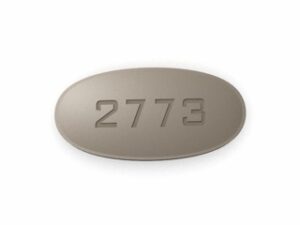
Atacand (Candesartan) – Consumer Information (Australia)
Atacand contains the medicine candesartan, used to treat high blood pressure and to protect the heart in certain people. This guide explains how Atacand works, when it’s usually taken, how it behaves in the body, common uses, important safety information, and practical tips for taking it. It is written for patients and carers to support everyday understanding of treatment.
Quick Facts
- Active ingredient: Candesartan
- Medicine type: Angiotensin II receptor blocker (ARB)
- Common uses: High blood pressure; heart failure; kidney protection in selected patients
- How it’s taken: Usually once daily by mouth
- Typical effects: Helps lower blood pressure and reduce the workload on the heart
Basic Product Information
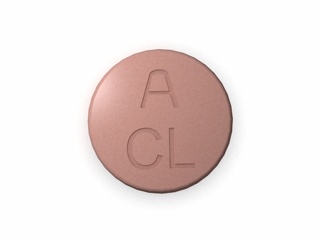
Atacand is an oral tablet medicine available in different strengths (depending on availability from the manufacturer and supply in Australia). Your exact strength and dose will be chosen based on your condition and response to treatment.
| Category | Details |
|---|---|
| Generic name | Candesartan |
| Brand name | Atacand |
| Drug class | ARB (Angiotensin II receptor blocker) |
| Route | Oral (swallowed tablet) |
| Typical dosing frequency | Once daily (often morning or evening) |
| Key monitoring | Blood pressure, kidney function, potassium levels (especially early or after dose changes) |
How Atacand Works (Mechanism of Action)
Candesartan blocks the action of angiotensin II at the AT1 receptor. Angiotensin II is a hormone that helps regulate blood vessel tone and fluid balance. When it is blocked, several beneficial effects occur:
- Blood vessels relax, which lowers blood pressure
- Less strain on the heart, improving how effectively the heart pumps in some people with heart failure
- Renal (kidney) protection in selected patients, by improving stress on the kidneys under high-pressure conditions
- Reduced hormone-driven fluid retention, helping control symptoms and cardiovascular risk over time
Pharmacokinetics: What the Body Does to Atacand
Pharmacokinetics describes how the body absorbs, distributes, metabolises, and eliminates a medicine. Understanding this can help explain dosing patterns and onset of effect.
- Absorption: After oral dosing, candesartan is absorbed from the gastrointestinal tract. Peak blood levels occur typically within a few hours.
- Distribution: Candesartan is distributed into body tissues. It is bound to plasma proteins.
- Metabolism: It is not extensively broken down by liver pathways. It is primarily eliminated in unchanged form and via bile.
- Elimination: Most elimination occurs through the kidneys and the biliary route. The medicine has a relatively long duration of action, allowing once-daily dosing.
- Onset and steady effect: Blood pressure reduction begins after starting treatment and continues over days to weeks. Some benefits (especially in heart failure) become clearer with sustained use.
Typical Use and Indications in Australia
Atacand is used for a number of cardiovascular conditions where blocking angiotensin II provides benefit. Indications may vary based on clinical guidelines and individual circumstances. Common uses include:
- Hypertension (high blood pressure): To lower blood pressure and reduce the risk of cardiovascular events.
- Heart failure: Often used to improve symptoms and reduce risk in people with reduced heart function (and sometimes other selected categories).
- Kidney protection in selected patients: Particularly where there is evidence of kidney involvement and the overall treatment plan supports ARB use.
Your clinician may choose Atacand because it is an ARB option, which can be useful for people who cannot take other classes due to side effects, or where an ARB is preferred in the care plan.
Dosing: How Atacand Is Usually Taken
Dosing must be individualised. The safest and most effective dose for you depends on your condition, age, kidney function, blood pressure response, and any interacting medicines.
General dosing principles
- Once daily: Atacand is commonly taken once each day.
- Start low and adjust: For some conditions, clinicians begin at a lower dose and increase gradually.
- Monitoring matters: Kidney function and potassium levels are often checked, especially after starting or increasing the dose.
- Missed dose: If you miss a dose, take it when you remember on the same day, unless it’s close to the next dose. Don’t take a double dose.
Common timing examples
- Morning dosing: Useful if you prefer to take tablets earlier in the day.
- Evening dosing: Some people prefer evening dosing to reduce the chance of feeling light-headed during the day.
- Consistent schedule: Try to take it at about the same time each day to maintain stable blood levels.
If you are unsure about your dose, check the label on your package. If your dose has recently changed, follow your clinician’s plan for follow-up blood tests and blood pressure checks.
Timing With Meals and Food Interactions
Food effect: Atacand can generally be taken with or without food. Food does not significantly reduce its effectiveness. For best adherence, choose a routine that suits your day—such as taking it with breakfast or dinner.
- Take consistently: The goal is regular daily use, not a special meal requirement.
- If stomach upset occurs: Taking with food may help reduce minor nausea or discomfort in some people.
Alcohol and Medicine Interactions
Alcohol can affect blood pressure and may increase the risk of dizziness or light-headedness, particularly when you first start treatment or if your dose was recently changed. It can also worsen dehydration in some situations, which may impact kidney function.
Practical advice about alcohol
- Keep alcohol intake moderate.
- Avoid binge drinking.
- Be cautious if you already experience dizziness when standing up (orthostatic symptoms).
- Seek medical advice if you notice fainting, marked dizziness, or unusual weakness after drinking.
Common medicine interactions (important)
Atacand can interact with other medicines. Some interactions are predictable because of shared effects on blood pressure, kidney function, or potassium levels.
Examples to discuss with your pharmacist or doctor:
- Other medicines affecting potassium: potassium supplements, salt substitutes containing potassium, or medicines that raise potassium.
- Diuretics (“water tablets”): may lower blood pressure and affect kidney function; dosing may require adjustment.
- NSAIDs (anti-inflammatory pain medicines): such as ibuprofen, naproxen, diclofenac. Regular or high-dose use can affect kidney function, especially in combination with ARBs and diuretics.
- Lithium: may require careful monitoring due to risk of toxicity.
- Medicines for blood pressure: combining multiple blood pressure-lowering medicines can increase the chance of low blood pressure.
- Some diabetes medications: while there is no universal “forbidden” interaction, blood sugar and kidney function should be considered in your care plan.
Always provide your pharmacy with a list of your current medicines, including over-the-counter products and herbal remedies. This helps prevent harmful combinations.
Food Interactions
There are no common dietary restrictions specifically required for Atacand. However, it’s still important to consider general heart-healthy advice from your clinician.
- Salt intake: A lower-salt diet may support blood pressure control. If you’re told to reduce salt, do so gradually and as advised.
- Potassium-containing salt substitutes: These can increase potassium levels—ask your pharmacist before using them.
Safety Profile: Who Should Be Careful?
Like all medicines, Atacand can cause side effects. Many people tolerate it well, but some precautions are important. If you are concerned about any symptom, contact a healthcare professional.
Common side effects
- Dizziness or light-headedness (especially when standing up)
- Headache
- Fatigue
- Low blood pressure symptoms such as feeling faint
- Changes in blood test results—particularly potassium and creatinine/ kidney function markers (often detected via routine blood tests)
Serious side effects (seek urgent medical help)
- Swelling of the face, lips, tongue, or throat (possible allergic reaction)
- Severe dizziness, fainting, or signs of dangerously low blood pressure
- Symptoms of high potassium such as muscle weakness, abnormal heartbeats, or unusual palpitations (risk is higher if you have kidney problems or take potassium-raising products)
Important warnings
- Kidney function and potassium: ARBs can increase potassium and affect kidney function in some people. This is why blood tests are important.
- Dehydration risk: Vomiting, diarrhoea, or heavy sweating can reduce fluid levels and increase the risk of kidney-related issues. Talk to your clinician if you are unwell.
- Pregnancy: ARBs are generally not used during pregnancy due to risk to the unborn baby. If you are pregnant or planning pregnancy, seek timely medical advice to discuss safer options.
Practical Use Tips (Getting the Best Results)
Atacand is most effective when taken regularly. These tips can improve safety and results:
- Track your blood pressure: If you use a home blood pressure monitor, record readings and share them with your clinician at follow-up.
- Keep up with blood tests: Especially early in treatment or after dose adjustments.
- Stand up slowly: If dizziness occurs, rise slowly from sitting or lying positions.
- Stay hydrated: Particularly during hot weather or if you’re unwell. Follow “sick day” advice from your healthcare team.
- Avoid potassium supplements unless instructed: Don’t start supplements or salt substitutes containing potassium without advice.
- Don’t stop suddenly: Unless your clinician advises it. Consistent use supports long-term benefits.
What to Do If You Miss a Dose
- If you remember the same day: Take it when you remember.
- If it’s close to the next dose: Skip the missed dose and continue with your usual schedule.
- Do not double up: Taking extra can increase the chance of side effects like low blood pressure.
Alternative Options to Consider
Treatment for blood pressure and heart failure can involve different medication classes and combinations. If Atacand is not suitable, your clinician may consider alternatives, depending on your specific condition and history.
Alternative medication classes
- ACE inhibitors (another blood pressure/heart-protecting class): often used when appropriate; some people cannot tolerate them due to side effects such as cough.
- Other ARBs: similar class alternatives may be considered if there is intolerance or inadequate response.
- Calcium channel blockers: helpful in certain patients for blood pressure control.
- Thiazide-like diuretics: sometimes used alone or with ARBs for better blood pressure control.
- Beta-blockers or other heart failure medicines: may be added depending on the heart failure type and guideline recommendations.
Choice of alternative depends on your blood pressure readings, kidney function, potassium level, other medical conditions, and existing medicines.
Market and Legal Context in Australia
In Australia, prescription medicines are regulated to ensure they are used safely and appropriately. Availability and dispensing processes are controlled by Australian pharmacy and medicines regulations, including requirements for health information to be collected at the point of supply.
Atacand is an established medicine within its class and is used widely across Australian clinical practice for cardiovascular conditions. Ongoing safety monitoring and guideline updates support clinicians and pharmacists in reviewing suitability over time.
Recent Guidance and Ongoing Safety Considerations
Clinical recommendations for hypertension and heart failure evolve with new evidence. In recent years, there has been continued emphasis on:
- Individualising target blood pressure based on age, comorbidities, and tolerability
- Checking kidney function and electrolytes when initiating or titrating renin–angiotensin system medicines (including ARBs)
- Recognising “sick day” risks during dehydration (e.g., gastroenteritis) and reviewing medicines when unwell
- Using a coordinated medication review to reduce interaction risk, particularly in people taking multiple medicines
If you’re due for follow-up, keep appointments for blood pressure reviews and blood test checks.
Delivery and Availability (Online Pharmacy)
Availability of Atacand products can vary based on the strength required and current stock levels. Most online pharmacies in Australia offer options such as:
- Secure ordering with packaging designed to protect tablets during transit
- Standard and express delivery depending on location
- Tracking updates for many shipments
Delivery times can vary due to local courier schedules and the location you live in. If your medication strength is temporarily out of stock, you may be offered alternatives based on the pharmacy’s policies and your clinician’s advice.
For the best experience, check:
- Current shipping options and estimated delivery windows
- Any packaging or temperature requirements (most tablet medicines have no special temperature needs)
- Return or re-supply options if an item is delayed
FAQ: Atacand (Candesartan)
1) What is Atacand used for?
Atacand (candesartan) is used to treat high blood pressure and to support treatment for heart failure in selected people. It may also be used for kidney protection in certain circumstances as part of an overall cardiovascular and kidney-care plan.
2) How quickly does Atacand start working?
Many people notice blood pressure changes within the first few days. The full effect can take several weeks. If you are taking it for heart failure, benefits may build over time with regular use and follow-up reviews.
3) Can I take Atacand with food?
Yes. Atacand can be taken with or without food. Choose a consistent routine that you can maintain daily.
4) Should I avoid alcohol?
You don’t necessarily need to completely avoid alcohol, but it can increase the likelihood of dizziness or low blood pressure. Keep intake moderate and be especially cautious at the start of treatment or after dose changes.
5) What blood tests are commonly needed?
Your clinician may monitor kidney function and potassium levels, particularly soon after starting Atacand or after increasing the dose. This helps ensure the medicine remains safe for you.
6) Can Atacand raise potassium?
Yes. ARBs like candesartan can increase potassium levels in some people. The risk is higher if you have kidney impairment, take potassium supplements, or use certain medicines that raise potassium. Follow advice and monitoring plans.
7) What should I do if I feel dizzy after taking Atacand?
Sit or lie down, and avoid standing quickly. Dizziness is more likely when first starting or when the dose is increased. If symptoms are severe, persistent, or you faint, seek urgent medical advice and contact your clinician promptly.
8) Can I take ibuprofen or other pain relief medicines?
Occasional use may be acceptable for some people, but regular or higher-dose NSAID use can affect kidney function, especially with ARBs. If you need frequent pain relief, discuss safe options with your pharmacist or clinician.
9) What if I miss a dose?
Take it when you remember on the same day unless it’s close to the next dose. Do not take a double dose to make up for a missed tablet.
10) Are there alternatives if Atacand isn’t suitable?
Yes. Depending on your condition, a clinician may consider another ARB, an ACE inhibitor, or different medication classes. The best choice depends on your blood pressure, kidney function, side effects, and other medicines.
When to Get Medical Help
Contact your clinician or seek urgent medical advice if you experience:
- Fainting, severe or worsening dizziness, or symptoms of dangerously low blood pressure
- Swelling of the face, lips, tongue, or throat
- Signs of high potassium (such as unusual muscle weakness or palpitations)
- Signs of dehydration or severe illness (for example, persistent vomiting or diarrhoea)
Summary
Atacand (candesartan) is an ARB medicine commonly used in Australia for hypertension and certain heart conditions. It helps relax blood vessels and reduce strain on the heart by blocking angiotensin II. Many people take it once daily, with or without food, and it can take days to weeks to reach full blood pressure effect. Safety monitoring—particularly kidney function and potassium levels—is an important part of treatment, especially early on or after dose changes.
If you have questions about your specific dose, interactions with your other medicines, or how to manage Atacand during illness, speak with your pharmacist or healthcare professional.