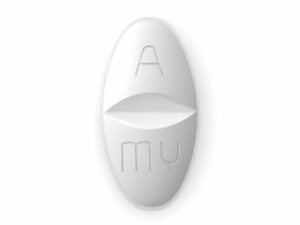
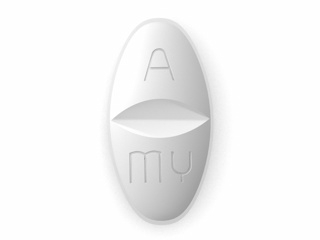

Toprol XL (Metoprolol) – Patient-Friendly Information (Australia)
Toprol XL is a brand of metoprolol, a medicine used to help control the heart rate and reduce the workload on the heart. It contains metoprolol succinate in a controlled-release form designed to last throughout the day.
This guide explains how Toprol XL works, when it’s used, how to take it safely, and what to watch for—written in clear, patient-friendly language for customers in Australia.
Basic product information
| Category | Details |
|---|---|
| Medicine name | Toprol XL |
| Generic name | Metoprolol (metoprolol succinate) |
| Class | Beta-blocker (cardioselective) |
| Formulation | Controlled-release / extended-release tablet |
| Common strengths | Available in various strengths depending on local supply (e.g., 25 mg, 50 mg, 100 mg) |
| Typical dosing schedule | Usually once daily for XL formulation |
How Toprol XL works (mechanism of action)
Metoprolol is a beta-1 (cardioselective) blocker. In simple terms, it helps the heart:
- Slow down the heart rate
- Reduce force of heart contractions
- Lower the heart’s demand for oxygen
- Reduce abnormal rapid heart rhythms
This combination can improve symptoms related to the heart, reduce strain on the cardiovascular system, and help lower the risk of certain heart-related events in people who qualify.
Pharmacokinetics (how the body handles it)
Understanding timing and absorption can help you take Toprol XL correctly. While exact numbers may vary by person, the general behaviour of extended-release metoprolol includes:
- Controlled-release design: medication is released gradually to maintain steadier levels.
- Once-daily dosing: the “XL” formulation is intended to provide effect over 24 hours.
- Metabolism: metoprolol is mainly metabolised by the liver (commonly via CYP2D6).
- Elimination: metabolites are removed largely via the kidneys.
- Steady levels: consistent daily dosing helps reach steady blood levels over several days.
Because metabolism involves liver pathways, certain other medicines (and some genetic differences) can affect metoprolol levels.
Typical uses (indications)
Toprol XL is used for a range of cardiovascular conditions. In Australia, use may include the following (depending on your clinical assessment):
- High blood pressure (hypertension)
- Angina (chest pain due to reduced blood flow to the heart)
- Heart failure (certain patients—typically as part of a broader treatment plan)
- After a heart attack (to reduce strain and risk in appropriate patients)
- To help control heart rate in selected rhythm disorders, such as atrial fibrillation (rate control), when appropriate
Your care team will decide if Toprol XL is suitable based on your diagnosis, heart rate, blood pressure, and overall health.
When and how to take Toprol XL (timing and routine)
General timing
- Usually once daily due to the controlled-release formulation.
- Take it at the same time each day to maintain consistent blood levels.
- If your daily time changes, do so gradually where possible (e.g., within a couple of hours) unless advised otherwise.
How to take the tablet
- Swallow the tablet with water.
- Do not crush or chew extended-release tablets unless your product instructions specifically allow it.
- If a dose is missed, take it when you remember only if it’s close to the next dose timing; otherwise, skip the missed dose and resume your usual schedule.
Do not stop suddenly
Beta-blockers should generally be not discontinued abruptly. Sudden stopping can increase heart rate and worsen angina or other cardiac symptoms. If stopping is needed, it should usually be done by gradual dose reduction under medical supervision.
Food interactions (what to know about meals)
For most people, Toprol XL can be taken with or without food. However, a few practical points can help:
- Try to be consistent—take it either always with food or always on an empty stomach if you notice differences.
- If you experience stomach upset, taking with a meal may improve tolerance.
- In general, foods do not cause major clinically significant interactions with metoprolol, but individual sensitivity can occur.
Alcohol and medicine interactions
Alcohol
Alcohol can affect blood pressure and heart rate. While occasional alcohol may be tolerated by some people, it may also:
- Lower blood pressure further (especially if you already feel light-headed)
- Worsen dizziness or fatigue
- In some cases, contribute to heart rhythm symptoms (varies by person)
If you plan to drink alcohol, consider limiting your intake and avoid driving if alcohol or dizziness occurs. Discuss your personal situation with your pharmacist or doctor.
Common medicine interactions
Metoprolol can interact with other medicines that affect heart rhythm, blood pressure, and liver metabolism. Always check with a pharmacist for your specific medication list.
- Other blood pressure or heart medicines (e.g., other beta-blockers, some calcium channel blockers): may increase effects on heart rate and blood pressure.
- Calcium channel blockers such as verapamil or diltiazem: can increase risk of slow heart rate or conduction problems (your clinician may monitor closely).
- Antiarrhythmics: combinations may increase risk of abnormal heart rhythms or slowed conduction.
- Diabetes medicines (insulin or tablets): beta-blockers can sometimes mask symptoms of low blood sugar (like a fast heartbeat).
- CYP2D6 inhibitors: some medicines can raise metoprolol levels, increasing risk of side effects such as tiredness or low heart rate. Examples include certain antidepressants (e.g., fluoxetine, paroxetine) and other medications that strongly affect CYP2D6.
- Non-steroidal anti-inflammatory drugs (NSAIDs): generally metoprolol can still be used, but NSAIDs may sometimes reduce the blood pressure-lowering effect in some people.
- Some asthma/COPD medicines: while metoprolol is beta-1 selective, higher doses may reduce response to beta-agonist inhalers in some people. Tell your prescriber if you use inhalers regularly.
- Digoxin: combination may increase risk of slow heart rate; monitoring may be needed.
Keep an updated list of medicines and supplements (including herbal products) and show it to your pharmacist when starting or changing therapy.
Dosing: general principles and what to expect
Dosing of Toprol XL varies depending on the condition being treated, your heart rate and blood pressure, age, other medicines, and kidney/liver function.
How dose adjustments usually work
- Start low, go slow: clinicians often begin with a lower dose to reduce the risk of dizziness or slow heart rate.
- Regular review: dose may be increased gradually based on response and tolerance.
- Heart failure dosing: may require careful titration and monitoring.
Typical dosing ranges (overview)
The following ranges are provided as general context. Your exact dose should follow the instructions given for your situation.
- Hypertension / angina / heart rate control: often begins at a low dose and is adjusted based on response.
- Heart failure (selected patients): commonly involves gradual up-titration under close supervision.
- After myocardial infarction: dosing may be adjusted based on tolerance and clinical status.
If you’re unsure of your dose or how to adjust it after missing pills, consult your pharmacist.
Safety profile and side effects
Many people tolerate Toprol XL well, but like all medicines it can cause side effects. Some side effects are more likely at the start of treatment or after dose increases.
Common side effects
- Tiredness or fatigue
- Dizziness, especially when standing up
- Slow heart rate (bradycardia)
- Low blood pressure
- Cold hands or feet
- Headache
- Short-term sleep disturbance or unusual dreams (varies by person)
- Digestive changes such as nausea or constipation
Less common but important risks
- Worsening breathing problems in some people with asthma or severe lung disease (beta-blockers can affect airway responses).
- Heart conduction problems (e.g., worsening atrioventricular block in vulnerable individuals).
- Sexual dysfunction (reported by some patients).
- Depression or mood changes in a subset of individuals.
- Masking low blood sugar symptoms in diabetes.
Seek urgent medical help if
- You faint, have severe dizziness, or feel unusually weak
- Your heartbeat becomes very slow or irregular with symptoms
- You have chest pain that is new or worsening
- Breathing becomes difficult, wheezing increases, or you have swelling of the face/lips (possible allergic reaction)
Who should be extra cautious
- People with asthma or certain chronic lung diseases
- Those with very low heart rate or known conduction abnormalities
- People with diabetes or frequent hypoglycaemia
- Individuals with poor circulation or significant peripheral vascular disease
- People taking multiple medications that affect heart rate or blood pressure
- Anyone with significant liver disease affecting drug metabolism
Practical use tips for everyday life
- Monitor how you feel during the first weeks and after dose changes—dizziness and fatigue are common initially.
- Check your pulse if you’ve been advised to do so; report consistently low values or symptoms.
- Stand up slowly from sitting or lying positions to reduce light-headedness.
- Keep a medication routine (e.g., linking to a daily habit) to avoid missed doses.
- Carry a list of your medicines and allergies, especially if you travel or have regular follow-ups.
- Inform clinicians (GP, cardiologist, dentist, emergency staff) that you take a beta-blocker.
- Avoid abrupt changes in dose—ask before stopping.
Alternative options (if Toprol XL isn’t suitable)
If Toprol XL is not appropriate due to side effects, interactions, or the specific condition being treated, alternative treatments may be considered. These could include:
Other beta-blockers
- Metoprolol immediate-release (shorter acting; requires different dosing schedule)
- Other beta-blockers such as bisoprolol, carvedilol, or atenolol (choice depends on your condition and tolerance)
Non–beta-blocker options
- For blood pressure: ACE inhibitors/ARBs, calcium channel blockers, thiazide-like diuretics, and others
- For angina/heart rate control: some calcium channel blockers or other anti-anginal medicines
- For heart failure: other evidence-based heart failure therapies may be used or optimised
Alternatives depend heavily on your diagnosis, overall health, and how well you respond. Discuss options with your pharmacist or doctor rather than switching on your own.
Market and legal context for Australia (overview)
In Australia, the supply and advertising of prescription and pharmacy medicines is regulated under the TGA (Therapeutic Goods Administration) and related state/territory laws. Medicines like metoprolol products are generally managed as prescription medicines and must be supplied in accordance with Australian requirements.
Pharmacy websites commonly provide product information and facilitate safe ordering through appropriate checks with healthcare professionals or authorised services. Availability can vary by state, pharmacy supply lines, and tablet strengths.
Recent guidance and clinical updates (what you should know)
Clinical guidance for cardiovascular medicines is periodically updated by Australian professional bodies and evidence reviews. While treatment is individual, recent themes in many updates include:
- Optimising evidence-based therapy for heart failure and coronary disease
- Careful initiation and titration of beta-blockers to minimise adverse effects
- Monitoring of heart rate, blood pressure, and symptoms during dose changes
- Attention to drug interactions, especially those affecting metabolism and heart conduction
Your prescriber or pharmacist can confirm the most up-to-date approach for your condition based on current Australian recommendations.
Delivery, availability, and what to expect when ordering
If you’re ordering Toprol XL from an online pharmacy in Australia, you can generally expect:
- Strength and pack size selection based on what’s available locally
- Order processing with medication and customer details checked according to local regulations
- Secure packaging to protect tablets during transit
- Delivery timeframes that depend on your location and the pharmacy’s logistics partners
Availability can vary. If a specific strength is temporarily out of stock, the pharmacy may contact you about alternatives (such as another strength or different formulation) where clinically appropriate.
FAQ about Toprol XL (Metoprolol)
1) What is Toprol XL used for?
Toprol XL (metoprolol succinate) is used for cardiovascular conditions such as hypertension, angina, selected patients with heart failure, and other situations where slowing heart rate and reducing strain on the heart are beneficial.
2) How fast does it work?
Some effects (like heart rate reduction) may be noticed after starting, but full benefits may take days to weeks depending on your condition and the dose. Extended-release tablets are designed to provide steady daily effect.
3) Should I take it in the morning or at night?
Many people take metoprolol once daily at a consistent time. If it makes you tired or dizzy, some prefer taking it at night; if it causes sleep disturbance, some prefer mornings. Choose the time that best suits your experience and discuss changes with your pharmacist if unsure.
4) Can I drink alcohol while taking Toprol XL?
Alcohol may increase dizziness and lower blood pressure. If you choose to drink, keep it moderate and avoid driving if you feel affected. If you have low blood pressure symptoms or heart rhythm concerns, ask your pharmacist or doctor.
5) What side effects are most common?
Common side effects include tiredness, dizziness, slow heart rate, and low blood pressure. These often improve as your body adjusts, especially after dose titration.
6) Can metoprolol affect asthma?
Metoprolol is beta-1 selective, but at higher doses it can still affect beta-2 receptors in the lungs. People with asthma should use caution and seek advice promptly if breathing symptoms worsen.
7) Will metoprolol interact with my other medications?
Yes, interactions can occur—particularly with other medicines that slow heart rate, lower blood pressure, or influence liver metabolism (including certain antidepressants). Always review your full medication list with a pharmacist.
8) What should I do if I miss a dose?
If you remember soon after, take it if it’s still close to your next dose schedule. If the next dose is near, skip the missed dose and continue your usual routine. Do not double up unless advised.
9) Can I stop Toprol XL suddenly?
Generally, no. Stopping beta-blockers abruptly can cause rebound increases in heart rate and worsen angina or symptoms. Dose changes should be gradual and guided by your healthcare professional.
10) Are there alternatives if I can’t tolerate it?
Alternatives may include different beta-blockers, different formulations, or other cardiovascular medicines depending on your condition. Your clinician/pharmacist can help decide what’s safest for you.
11) Does food affect Toprol XL?
Usually you can take Toprol XL with or without food. If you notice stomach upset, taking with food may help. Consistency in how you take it can make side effects more predictable.
12) Who should I contact for urgent concerns?
If you experience fainting, severe dizziness, worsening chest pain, severe shortness of breath, or signs of allergic reaction, seek urgent medical care. For ongoing side effects, contact your pharmacist for advice.
Disclaimer
This information is intended to support patient understanding of Toprol XL (metoprolol) and does not replace advice from healthcare professionals. Always read the product information provided with your medicine and follow the directions given by your clinician and pharmacist.