


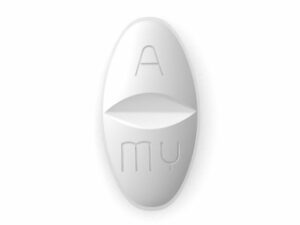
Clonidine (Clonidine) – Patient Information for Australia
Clonidine is a medicine used to treat certain conditions, particularly where reducing nerve signals from the brain to the body helps control symptoms. It is available in multiple formulations depending on the brand and strength, and it may be taken for short-term or longer-term management under medical guidance.
This information is designed to help you understand how clonidine works, what it is used for, how it’s typically taken, and what to consider for safe use. Always follow the directions provided with your medicine or by your healthcare professional.
Basic product information
| Category | Details |
|---|---|
| Medicine name | Clonidine |
| Common uses | Lowering blood pressure; management of certain nervous system-related conditions (e.g., opioid withdrawal symptoms, attention/impulsivity symptoms in some cases) |
| How it may be supplied | Tablets (immediate or modified release depending on product); other formulations may exist |
| How it is taken | By mouth for tablets; timing depends on formulation and your treatment plan |
| Key cautions | Can lower blood pressure and slow heart rate; do not stop suddenly without advice |
How clonidine works (mechanism of action)
Clonidine works by affecting alpha-2 adrenergic receptors in the brain. When these receptors are stimulated, clonidine reduces the release of certain nerve signals (sympathetic outflow), which can lead to:
- Lower blood pressure by reducing nerve-driven tightening of blood vessels and heart strain
- Reduced nervous system “overactivity” in some conditions, helping with symptoms such as restlessness, agitation, or hyperarousal
- Alleviation of physical withdrawal-related symptoms in opioid withdrawal settings, by dampening some of the autonomic (automatic) signs
The effect on the nervous system also explains why clonidine can cause side effects such as drowsiness, dry mouth, and lower heart rate.
Pharmacokinetics (how the body handles clonidine)
Pharmacokinetics describes what happens after you take clonidine: how it is absorbed, distributed, metabolised, and eliminated. While exact values can vary depending on the formulation and individual factors, the overall pattern is:
- Absorption: Clonidine is absorbed after oral administration. Peak blood levels usually occur within a few hours, with timing influenced by whether you’re using an immediate-release or modified-release product.
- Distribution: It distributes through the body and can cross into the central nervous system, which is important for its brain effects.
- Metabolism: Clonidine is metabolised mainly by the liver.
- Elimination: The medicine is eliminated from the body mainly through the kidneys (urine), with some elimination also occurring via other routes.
- Duration of action: The “effective window” depends on the formulation and dose. This is why consistent timing is important—especially for immediate-release tablets.
If you have kidney or liver impairment, your clinician may adjust your dose or monitoring plan. Older adults may be more sensitive to blood pressure-lowering and sedating effects.
Typical indications (what clonidine is used for)
Indications can vary by country, clinical guidelines, and the specific product formulation. In Australia, clonidine may be used for conditions such as:
- Hypertension (high blood pressure): To help reduce blood pressure, often as part of a broader treatment plan.
- Management of opioid withdrawal symptoms: In supervised settings to reduce certain autonomic symptoms (e.g., agitation, sweating, goosebumps, restlessness).
- Attention-related symptoms (selected patients): In some cases, clonidine may be considered when appropriate under clinical assessment.
- Other off-label uses: Some clinicians may use clonidine for additional conditions when it is considered clinically suitable. If you’re unsure why you’ve been prescribed clonidine, ask your healthcare professional for an explanation in plain language.
Always use clonidine only for the purpose discussed with your healthcare professional.
Dosing and timing (what to expect)
Your dose depends on the condition being treated, your age, your response, and how well you tolerate the medicine. Dosing schedules may differ for immediate-release versus modified-release tablets. Do not change your dose without medical advice.
Starting and adjusting dose
- Many people start on a low dose and increase gradually. This helps reduce the risk of side effects such as dizziness or fainting from blood pressure changes.
- If you miss doses or stop unexpectedly, symptoms such as rebound hypertension can occur. This is one of the most important reasons not to stop clonidine suddenly.
How to take clonidine
- Take it at the times your clinician has specified. If you have a twice-daily or multiple-daily plan, try to keep the timing consistent each day.
- If you are on immediate-release tablets, spacing doses evenly can help maintain steadier symptom control.
- If you are using modified-release tablets, follow the product instructions carefully. Do not crush or split modified-release forms unless the packaging clearly allows it.
Timing tips
Clonidine can cause sleepiness in some people. Your clinician may recommend taking your dose in the evening or dividing doses throughout the day to balance benefits and side effects. If you feel drowsy, be cautious with driving and machinery.
Food interactions (can you take it with meals?)
For many people, clonidine can be taken with or without food. Food is not usually a major issue for absorption. However, individual products and personal tolerance can vary.
- If clonidine upsets your stomach, try taking it with a meal or after food.
- Keep your routine consistent (e.g., always take it after breakfast) to support stable daily timing.
- If you’re taking other medicines that have meal-related effects, follow the instructions for each medicine’s timing.
If you notice a pattern (e.g., dizziness is worse when taken on an empty stomach), speak to your healthcare professional for tailored guidance.
Alcohol and medicine interactions
Alcohol
Alcohol can increase the risk of side effects with clonidine, particularly:
- Sleepiness and impaired alertness
- Dizziness and imbalance
- Lower blood pressure
For safety, it’s best to avoid or limit alcohol while taking clonidine—especially when you first start or if your dose is increased. Ask your healthcare professional what level, if any, is appropriate for you.
Common medicine interactions
Several medicine classes can interact with clonidine by increasing sedation, lowering blood pressure, or affecting heart rate. Always tell your pharmacist or clinician about all medicines you use, including over-the-counter products and supplements.
- Other blood pressure-lowering medicines: May further lower blood pressure.
- Medicines that slow heart rate: Can increase risk of bradycardia (slow pulse).
- Sedatives and sleeping tablets: Increased drowsiness risk.
- Opioids: If used together, the combination may worsen breathing suppression or sedation—depending on the specific situation and dose. Use only with medical supervision.
- Tricyclic antidepressants (some types): May affect blood pressure and response in some people.
- Medications for Parkinson’s disease: May influence blood pressure and dizziness risk.
- Stimulants (certain attention-related medicines): Monitoring may be required, as symptom control and cardiovascular effects can interact.
This list isn’t exhaustive. Your pharmacist can provide a personalised interaction check based on your exact products and medical history.
Safety profile and side effects
Like all medicines, clonidine can cause side effects. Many are mild and improve as your body adjusts, especially after careful dose titration. However, some effects require prompt attention.
Common side effects
- Drowsiness, fatigue, or reduced alertness
- Dizziness, especially when standing up quickly
- Dry mouth
- Constipation
- Headache
- Low blood pressure
Less common but important effects
- Slow heart rate (bradycardia)
- Fainting, particularly during dose initiation or increase
- Sleep disturbances
- Skin reactions (rare)
- Rebound effects if stopped suddenly: Clonidine can cause symptoms such as marked blood pressure elevation and agitation if discontinued abruptly
When to seek urgent help
Seek urgent medical care (or call emergency services) if you experience:
- Severe dizziness or fainting
- Chest pain, severe shortness of breath, or feeling like your heart is beating dangerously slowly
- Confusion, extreme drowsiness, or collapse
- Signs of severe allergic reaction (swelling of face/lips, wheezing, widespread rash)
Special populations
- Older adults: Higher sensitivity to blood pressure changes; extra caution with standing and driving.
- People with kidney disease: May need dose adjustment and monitoring.
- People with heart rhythm problems: Increased monitoring may be needed due to heart rate effects.
- Pregnancy and breastfeeding: Use should be discussed with your healthcare professional based on benefits and risks.
Practical use tips (how to take clonidine safely)
- Measure your blood pressure if advised: If clonidine is used for blood pressure control, home readings can help you and your clinician monitor progress.
- Rise slowly: Dizziness from low blood pressure is more likely when standing quickly. Move gradually from lying to sitting to standing.
- Don’t stop suddenly: Abrupt discontinuation can cause rebound symptoms. If you need to stop, your clinician will usually reduce the dose gradually.
- Be careful with driving: Until you know how you respond, avoid driving or hazardous tasks if you feel drowsy.
- Manage dry mouth: Sip water regularly, consider sugar-free lozenges, and maintain good oral hygiene.
- Track side effects: If you get persistent dizziness, unusually slow pulse, or significant sleepiness, speak to your pharmacist or clinician promptly.
- Keep a medication list: Include doses and timing for all medicines and supplements—bring it to appointments.
Missed dose advice
If you miss a dose, take it when you remember unless it is close to the next dose. Do not double up to make up for the missed dose.
Because clonidine may cause rebound effects if doses are irregular, it’s a good idea to ask your pharmacist for specific advice about missed doses for your dosing schedule.
Alternative options
Alternatives depend on what clonidine is being used for (e.g., blood pressure control, withdrawal symptom management, or other conditions). Your healthcare professional may consider other therapies based on your diagnosis, medical history, and risk factors.
Blood pressure alternatives (examples)
- ACE inhibitors
- ARBs
- Calcium channel blockers
- Thiazide-type diuretics
- Beta-blockers (depending on your situation)
For nervous system-related symptoms
- Other centrally acting agents may be considered in some cases
- For attention-related symptoms, behavioural strategies and/or other medicines may be used based on age and response
Don’t switch medicines or stop clonidine without guidance, because abrupt changes can worsen symptoms.
Market and legal context in Australia
In Australia, the availability of medicines and dispensing requirements depend on how the product is classified under the national medicine scheduling system. Clonidine may be provided through community pharmacies and is subject to applicable Australian regulations and pharmacy processes.
Online pharmacy availability typically requires identity and order checks, as required by law and safety frameworks. Always ensure you purchase from a reputable Australian supplier and that the product matches the strength and formulation you were advised to use.
Product availability can change over time due to supply chain factors, brand changes, or formulation updates. If your usual product is temporarily unavailable, your pharmacist can advise on the closest equivalent or recommend an alternative treatment plan with the prescriber.
Recent guidance and monitoring considerations
Clinical practice emphasises:
- Careful initiation and dose titration to reduce dizziness and blood pressure drops
- Monitoring heart rate and blood pressure where appropriate, particularly in people at higher risk (older adults, those with cardiovascular disease)
- Avoiding abrupt discontinuation to reduce the risk of rebound hypertension and symptom flare
- Reviewing concomitant medicines that can increase sedation or further lower blood pressure
If you’ve recently started clonidine, it may be helpful to schedule a follow-up check to review blood pressure, pulse, and tolerability.
Delivery and availability (Australia)
Many Australian pharmacies offer delivery for prescription and non-prescription medicines where permitted by law. Availability of clonidine can vary by stock levels and by the specific brand or formulation (such as immediate-release versus modified-release).
- Check stock status: Some online listings show current availability; others may allow backorders where permitted.
- Shipping timeframes: Delivery speed depends on your location and the pharmacy’s dispatch schedule.
- Packaging: Medicines are typically supplied in tamper-evident packaging with clear labelling.
- Cold chain: Clonidine tablets generally do not require refrigeration, but always check the product instructions.
If you need clonidine urgently (for example, to avoid missed doses), contact the online pharmacy or your local pharmacist to confirm dispatch timelines before placing an order.
FAQ – Clonidine
1. How long does clonidine take to work?
Many people notice an effect within hours after taking a dose, but the overall improvement depends on the condition being treated and whether you’re on an immediate-release or modified-release product. If you’re using clonidine for blood pressure, clinicians often review response over days to weeks after dose changes.
2. Can I take clonidine with meals?
Usually, clonidine can be taken with or without food. If it upsets your stomach, taking it with food may help. Keep the timing consistent from day to day.
3. What should I do if I feel dizzy after taking clonidine?
Sit or lie down immediately if you feel faint. Rise slowly. Check your blood pressure if you have a monitor. Contact your pharmacist or clinician promptly, especially if dizziness is persistent or severe—your dose may need adjustment.
4. Why is it important not to stop clonidine suddenly?
Stopping suddenly can lead to rebound symptoms, including marked blood pressure elevation and feeling unusually agitated or unwell. If you need to stop, do so only with a planned dose reduction.
5. Is clonidine sedating?
It can be. Drowsiness and fatigue are common, especially during the first days or after dose increases. Avoid driving and hazardous tasks until you know how it affects you.
6. Can I drink alcohol while taking clonidine?
It’s generally advised to avoid or limit alcohol because it can increase dizziness, drowsiness, and blood pressure lowering. Ask your pharmacist or clinician for tailored advice.
7. What other medicines should I be careful with?
Be cautious with medicines that also lower blood pressure or cause drowsiness (including sedatives and some pain medicines). Always check interactions with a pharmacist using your full medication list.
8. What if I miss a dose?
Take it when you remember unless it’s near the next dose. Don’t double up. Because irregular dosing can cause problems, it’s wise to ask your pharmacist for guidance specific to your schedule.
9. Do I need blood tests or monitoring?
Monitoring needs depend on your condition and overall health. If clonidine is used for blood pressure, monitoring of blood pressure and pulse may be recommended. Your clinician may also consider kidney function tests when relevant.
10. Are there alternatives if clonidine doesn’t suit me?
Yes, depending on why you’re taking clonidine. Your clinician may consider other blood pressure medicines or other treatment options for nervous system-related symptoms. Do not switch without professional advice.
Summary
Clonidine is a medicine that reduces nerve signals from the brain, which can help lower blood pressure and relieve certain nervous system-related symptoms. It may cause drowsiness, dizziness, dry mouth, and constipation, and it requires careful use—particularly because it should not be stopped suddenly.
For the safest experience, take clonidine exactly as directed, keep your timing consistent, avoid alcohol (or use only as advised), and speak to your pharmacist or clinician if you have concerns about side effects or interactions.