

Telmisartan
Telmisartan is a medicine used mainly to help control high blood pressure (hypertension) and to reduce the risk of certain cardiovascular problems in suitable adults. It belongs to a group of medicines called angiotensin II receptor blockers (ARBs). Telmisartan works by relaxing blood vessels and reducing strain on the heart and kidneys.
This page provides patient-friendly information about how telmisartan works, how it’s used, important interactions, safety considerations, and practical tips for day-to-day use in Australia.
Basic product information
| Item | Details (general) |
|---|---|
| Medicine name | Telmisartan |
| Medicine class | ARB (angiotensin II receptor blocker) |
| Common uses | High blood pressure; cardiovascular risk reduction in some adults |
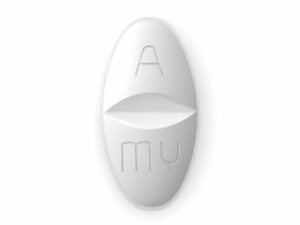
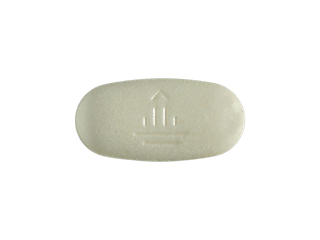
| Typical dosing forms | Tablets (strengths vary by brand and product) |
| How it’s taken | Usually once daily |
| Onset of benefit | Blood pressure often begins improving within days; full effect may take several weeks |
What telmisartan is used for
Telmisartan is commonly prescribed for:
- Hypertension (high blood pressure): to lower blood pressure and help reduce the risk of stroke, heart attack, and kidney complications.
- Cardiovascular risk reduction (in selected patients): in adults at increased cardiovascular risk who may not be able to take other options. This is typically used alongside standard cardiovascular care.
Who might be a suitable candidate?
Suitability depends on individual factors such as blood pressure readings, age, kidney function, diabetes status, and other medicines being taken. Your clinician may consider telmisartan when an ARB approach is appropriate.
How telmisartan works (mechanism of action)
Telmisartan blocks the effects of angiotensin II, a hormone that helps control blood pressure. Angiotensin II normally causes blood vessels to tighten (constrict) and can increase salt and water retention through the body’s hormone systems.
By blocking angiotensin II receptors, telmisartan leads to:
- Vasodilation: blood vessels relax, lowering blood pressure.
- Reduced fluid retention: helps decrease the workload on the heart.
- Kidney protective effects (in some people): lowering pressure inside kidney filtering units may help long-term outcomes in appropriate patients.
Pharmacokinetics: how the body handles telmisartan
“Pharmacokinetics” describes absorption, distribution, metabolism, and elimination—what happens to the medicine in the body.
- Absorption: Telmisartan is absorbed from the gastrointestinal tract. Its level in the blood can be influenced by food (see “Food interactions” below).
- Distribution: It binds to plasma proteins (including albumin), helping it stay in circulation.
- Metabolism: Telmisartan is metabolised mainly in the liver (via pathways such as glucuronidation).
- Elimination: It is cleared from the body primarily through bile and faeces; only a smaller fraction is eliminated in urine.
- Half-life: Telmisartan has a long terminal half-life, which supports once-daily dosing for sustained blood pressure control.
Individual response varies, particularly in people with kidney or liver impairment. Clinicians may adjust the approach based on monitoring needs.
Timing: when and how to take telmisartan
Telmisartan is usually taken once daily, at about the same time each day. You can take it with or without food, but food can affect how much medicine reaches your bloodstream.
Practical timing tips
- Pick a routine time: morning or evening—choose what you can maintain daily.
- Consistency matters: try to avoid large day-to-day timing changes.
- If you miss a dose: take it when you remember if it’s not close to the next dose. If close, skip the missed dose and continue as normal.
- Don’t double up: doubling can increase the chance of side effects.
Food interactions
Telmisartan can be affected by food. In general, taking telmisartan with meals may reduce the concentration of the medicine in the bloodstream compared with taking it on an empty stomach.
For most people, this difference is not expected to make the medicine ineffective when taken as directed, but to support steady results:
- Choose a consistent routine: either take it with meals every day or without meals every day.
- If you notice changing blood pressure readings: discuss with your clinician whether your meal timing should be standardised.
If you’re also taking other medicines (especially diuretics), your clinician may guide how to coordinate doses.
Alcohol interactions and alcohol safety
Alcohol may increase the risk of low blood pressure symptoms such as dizziness, light-headedness, or fainting—particularly when starting telmisartan or increasing the dose.
Practical advice
- Start cautiously: if you drink alcohol, monitor how you feel after taking telmisartan.
- Avoid heavy drinking: this raises the risk of dehydration and blood pressure drops.
- Stay hydrated: dehydration can worsen kidney strain in some people.
Medicine interactions (important)
Some medicines can affect how telmisartan works or increase the risk of side effects (especially related to kidney function, potassium levels, and blood pressure).
Common interaction areas
- Potassium-related medicines: Telmisartan can raise potassium levels. Caution is needed with medicines that also raise potassium, such as potassium supplements and certain “salt substitutes.”
- Diuretics (especially potassium-sparing types): These may change fluid balance and potassium. Examples include spironolactone or eplerenone (use depends on your situation).
- NSAIDs (pain and inflammation medicines): Medicines such as ibuprofen, naproxen, and similar NSAIDs can affect kidney function and may reduce blood pressure-lowering effects in some situations. Higher doses or long-term use raises risk.
- Other blood pressure medicines: Combining treatments can be beneficial but may increase the risk of low blood pressure, dizziness, or kidney function changes—especially after starting or dose changes.
- Lithium: Telmisartan and lithium may interact, increasing lithium levels (requires close monitoring if used together).
Do not combine without guidance (especially)
People are sometimes tempted to combine multiple medicines that affect the renin–angiotensin system. In certain combinations, the risk of low blood pressure, kidney problems, and high potassium can rise.
- Be cautious with dual renin–angiotensin blocking therapy: for example, combining an ARB with an ACE inhibitor or with another ARB is often avoided unless specifically directed and monitored.
Tell your clinician or pharmacist about all medicines you take, including over-the-counter products, herbal remedies, and supplements—especially those containing potassium or frequent NSAID use.
Dosing: typical approach and how adjustments may work
Telmisartan dosing varies based on the condition being treated, individual response, and other health factors (such as kidney or liver function). Strengths differ by product.
Typical dosing patterns
- Hypertension: often started at a lower dose and adjusted based on blood pressure response.
- Cardiovascular risk reduction (selected patients): dosing may follow specific trial-based regimens and be tailored to the person.
How dose changes are commonly handled
- Regular monitoring: blood pressure checks help guide adjustments.
- Lab monitoring may be needed: kidney function and potassium are commonly checked after starting or changing dose, especially in higher-risk individuals.
- Allow time for effect: full blood pressure benefit may take several weeks.
Your healthcare professional will provide exact instructions for your tablets and dose schedule. If you’re unsure, check the label and ask your pharmacist.
Safety profile: common side effects, serious risks, and warning signs
Like all medicines, telmisartan can cause side effects. Many people tolerate it well, but it’s important to know what to watch for.
Common or mild side effects
- Dizziness or light-headedness (more likely when starting or after dose increases)
- Fatigue
- Headache
- GI symptoms such as nausea
These effects are often temporary. If they persist or become bothersome, speak to your pharmacist or clinician.
Serious but less common risks
Contact a healthcare professional urgently if you experience signs of serious issues, such as:
- Signs of high potassium: muscle weakness, unusual heart rhythm symptoms (palpitations), or severe fatigue. (Risk may rise with kidney impairment or interacting medicines.)
- Signs of kidney problems: reduced urine output, swelling, or sudden worsening of health.
- Severe dizziness or fainting: can indicate blood pressure dropping too low.
- Allergic reactions (rare): swelling of face/lips, breathing difficulties, rash or hives.
- Severe dehydration due to vomiting/diarrhoea or poor fluid intake, particularly in combination with other medicines affecting kidneys.
Who should use extra caution?
- Kidney impairment or reduced kidney function
- Liver impairment (dose considerations may apply)
- Diabetes with kidney involvement
- Older adults who may be more sensitive to changes in blood pressure
- People at risk of dehydration (for example, during vomiting/diarrhoea)
Practical use tips (day-to-day)
Monitor blood pressure effectively
- Use a validated home blood pressure monitor if advised.
- Measure at consistent times (e.g., morning and evening) as your clinician suggests.
- Keep a simple log of readings and symptoms.
Stay aware of “start-up” symptoms
When you first begin telmisartan or after a dose change, be cautious with sudden standing. Take your time getting up to reduce dizziness.
Hydration matters
If you’re unwell with vomiting or diarrhoea, or you’re not eating/drinking normally, dehydration can increase the risk of kidney-related side effects. If you become significantly unwell, contact your healthcare provider for guidance.
Keep an eye on potassium
Some people require lab monitoring to ensure potassium levels remain in a safe range, especially if there are risk factors or interacting medicines.
Alternative options to consider
Depending on your medical history, blood pressure goals, and tolerance, clinicians may consider other medications. Alternatives often include:
- Other ARBs (same class, different medicine)
- ACE inhibitors (different class, may not be suitable for everyone)
- Calcium channel blockers
- Thiazide-type diuretics
- Beta-blockers (selected cardiovascular situations)
Lifestyle measures also play an important role alongside medication, such as reducing salt intake, maintaining a healthy weight, regular physical activity, limiting alcohol, and stopping smoking.
If you’re thinking about switching from telmisartan to another option, discuss timing and monitoring with a pharmacist or clinician to minimise blood pressure fluctuations.
Australia market and legal context (what to expect)
In Australia, medicines are regulated by the Therapeutic Goods Administration (TGA) and supplied through licensed channels. ARBs like telmisartan are prescription-only medicines in Australia, and availability varies by brand and strength.
On an online pharmacy website, reputable providers should clearly display:
- Brand and strength information
- Manufacturer details
- Directions for use and patient information
- Delivery timeframes and conditions
- How to get help if you have questions
If you have a condition that may require monitoring (such as kidney disease), ensure your clinician continues appropriate checks.
Recent guidance and considerations
Treatment decisions for hypertension and cardiovascular risk commonly follow Australian and international guidance that emphasises:
- Individualised blood pressure targets based on risk and tolerability
- Regular monitoring of blood pressure and labs when starting or adjusting renin–angiotensin system medicines
- Careful attention to interactions, especially NSAIDs and potassium-related products
- Avoiding unnecessary combinations of medicines that can increase kidney stress and potassium levels
Recommendations can evolve as new evidence emerges. Always rely on current medical advice and local product information.
Delivery and availability in Australia
Telmisartan is generally available through pharmacies and may be supplied by brand-specific products. Availability can vary by:
- Tablet strength and pack size
- Supplier stock levels
- Regional distribution schedules
How delivery commonly works
- Processing time: orders are typically processed during business hours.
- Shipping: delivery time depends on the carrier and your location.
- Cold-chain: telmisartan tablets do not usually require refrigeration.
For the most accurate delivery estimate, check the website’s current shipping information at checkout.
Packaging and storage
- Store below 30°C unless the product label says otherwise.
- Keep in original packaging to protect from moisture and to identify strength.
- Keep out of reach of children.
FAQ about telmisartan
1) How long does telmisartan take to work?
Many people notice blood pressure improvements within days, but the full effect can take several weeks. Continue taking it as directed and monitor your readings.
2) Can I take telmisartan with food?
Yes. Telmisartan can be taken with or without food. Because food can affect blood levels, choosing a consistent routine may help keep results steady.
3) What should I do if I miss a dose?
Take it when you remember if it’s not close to your next dose. If it is close, skip the missed dose and return to your usual schedule. Do not double dose.
4) Does telmisartan cause cough like some other blood pressure medicines?
Cough is more commonly associated with ACE inhibitors rather than ARBs. If you develop a persistent cough, discuss it with your clinician to confirm the cause.
5) Can I drink alcohol while taking telmisartan?
Moderate alcohol may be possible, but alcohol can worsen dizziness and low blood pressure risk. Start cautiously and avoid heavy drinking, especially early in treatment or after dose increases.
6) Are NSAIDs safe with telmisartan?
NSAIDs (like ibuprofen or naproxen) may affect kidney function and can reduce the blood pressure-lowering effect in some cases. Occasional use may be acceptable for some people, but regular or high-dose NSAID use should be discussed with a pharmacist or clinician.
7) Does telmisartan affect potassium?
Yes, telmisartan can increase potassium levels in some people. This is why potassium and kidney function may need checking, especially if you have kidney disease or take potassium-raising products.
8) Who should not use telmisartan or should seek urgent advice?
People with a known allergy to telmisartan should avoid it. People who become severely unwell with dehydration (e.g., ongoing vomiting/diarrhoea) or who experience symptoms suggesting kidney problems or very low blood pressure should seek medical guidance promptly.
9) Can I stop telmisartan if my blood pressure improves?
Blood pressure may rise if telmisartan is stopped. Telmisartan is typically used long-term to manage risk. If you want to stop or change treatment, talk to your clinician first.
10) What are common early side effects?
Dizziness or light-headedness can occur, especially when starting or increasing the dose. Getting up slowly can help. If symptoms are severe or fainting occurs, seek prompt medical advice.
Key takeaways
- Telmisartan is an ARB used for high blood pressure and for certain cardiovascular risk reduction strategies.
- It relaxes blood vessels by blocking angiotensin II receptors.
- Once-daily dosing is typical; food may reduce absorption somewhat, so consistency may help.
- Be mindful of interactions—especially NSAIDs and potassium-related products.
- Monitor blood pressure and watch for symptoms like dizziness, swelling, or unusual weakness.
If you have questions about your specific product strength, directions, or interactions with your current medicines, contact a pharmacist for tailored advice.