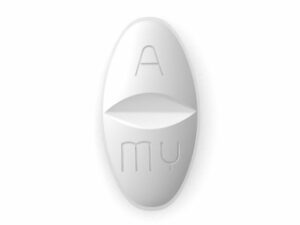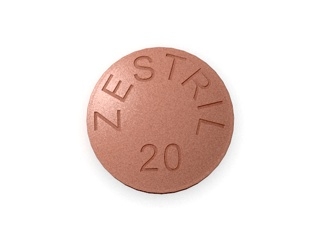


Zestril (Lisinopril) – Patient-Friendly Guide (Australia)
Zestril contains lisinopril, a medicine used to treat several conditions that affect the heart and blood vessels. It helps lower blood pressure and can improve outcomes in certain people with heart failure or after a heart attack. This guide explains how lisinopril works, how it’s used, what to expect, and key safety and interaction considerations relevant to people in Australia.
Always follow the instructions provided by your healthcare professional. If you have questions about your personal treatment plan, ask your doctor or pharmacist.
1. Basic product information
| Item | Details |
|---|---|
| Brand name | Zestril |
| Generic name | Lisinopril |
| Medicine class | ACE inhibitor (Angiotensin-Converting Enzyme inhibitor) |
| Common strengths | Available in multiple tablet strengths (e.g., 2.5 mg, 5 mg, 10 mg, 20 mg, and higher strengths depending on local supply) |
| Typical dosing frequency | Often once daily (depending on condition and prescriber instructions) |
| How it is taken | Oral tablets |
2. How Zestril works (mechanism of action)
Lisinopril is an ACE inhibitor. ACE (angiotensin-converting enzyme) helps produce angiotensin II, a substance that tightens blood vessels and raises blood pressure. It also contributes to fluid retention.
By blocking ACE, lisinopril:
- Relaxes blood vessels to lower blood pressure
- Reduces strain on the heart, which can be helpful in heart failure
- May reduce harmful “remodelling” in some cardiac conditions
- Helps the body excrete salt and water, supporting healthier fluid balance
3. Pharmacokinetics (how the body handles lisinopril)
Understanding pharmacokinetics can help explain onset, duration, and why consistent daily use matters.
- Absorption: Lisinopril is absorbed after taking a tablet by mouth. Food has little overall effect on absorption, but consistent timing helps maintain steady levels.
- Peak level (Tmax): Blood levels typically peak within several hours after a dose.
- Distribution: Lisinopril distributes throughout body tissues and acts mainly through its effect on the renin–angiotensin system.
- Metabolism: Lisinopril is not extensively metabolised by the liver. It largely remains unchanged.
- Elimination: The kidneys excrete lisinopril. Kidney function influences dosing and safety.
- Half-life: Lisinopril has an elimination half-life that supports once-daily dosing in many people.
4. Typical use: what Zestril is prescribed for
In Australia, lisinopril is commonly used to treat the following conditions (depending on individual medical assessment):
- Hypertension (high blood pressure) – to reduce blood pressure and lower cardiovascular risk
- Heart failure – often as part of a combination treatment plan
- After a heart attack – particularly in certain patients with stable conditions and signs of ventricular dysfunction
- Kidney protection in certain patients with diabetes – your clinician may consider ACE inhibitors for kidney risk reduction in appropriate cases
5. Timing and how to take it
Lisinopril is often taken once daily. Many people choose the same time each day to improve adherence.
When should you take it?
- Choose a consistent time: e.g., morning or evening, whichever suits your routine.
- First dose effect: Some people may feel lightheaded when starting or when dose increases. Consider taking the first dose when you can sit or rest afterward.
- If you get dizziness: Taking it at night may help for some people—discuss any change with your pharmacist or prescriber.
How should you take your tablet?
- Swallow the tablet with water.
- Try to take it at the same time each day.
- If you miss a dose, take it when you remember unless it’s close to the next dose. Do not double up.
6. Food interactions
Food generally does not significantly affect lisinopril. This means you can take it with or without food. For best results, keep your usual routine consistent.
If your stomach is sensitive or you experience nausea, taking it with food may be more comfortable (but confirm what works best for you with your pharmacist).
7. Alcohol and medicine interactions
Interactions can increase side effects or change medicine effectiveness. Always check with a clinician if you’re unsure.
Alcohol
- Be cautious: Alcohol can lower blood pressure and may worsen dizziness or lightheadedness, especially when starting or increasing the dose.
- Practical tip: Avoid heavy drinking. If you notice marked dizziness or faintness, reduce alcohol and seek advice.
Common medicine interactions
The following are important categories of interactions to discuss. This is not an exhaustive list—your pharmacist can provide advice based on your medicines and health history.
- Potassium supplements and potassium-rich salt substitutes: May increase risk of high potassium (hyperkalaemia).
- Diuretics (“water tablets”): Some diuretics increase the risk of low blood pressure or kidney function changes. Your clinician may monitor closely and adjust doses.
- Other blood pressure medicines: Combined medicines may strengthen blood pressure lowering (sometimes beneficial, sometimes leading to too much drop).
-
Non-steroidal anti-inflammatory drugs (NSAIDs): Examples include ibuprofen and naproxen. Using NSAIDs with ACE inhibitors can increase risk of kidney problems and can affect blood pressure control.
- Take care with frequent or high-dose NSAID use.
- Ask your pharmacist which pain relief option is safest for you.
- Medicines that affect the renin–angiotensin system: For example, ARBs (like losartan) or aliskiren. Combining may increase side effects, and combinations are generally not routine without close monitoring.
- Medicines affecting blood potassium: Some treatments can raise potassium (your pharmacist can check your specific products).
- Lithium: ACE inhibitors can increase lithium levels, raising toxicity risk. If lithium is used, close monitoring is essential.
If you start a new medicine (including “over-the-counter” products such as pain relievers), it’s wise to ask your pharmacist whether it’s safe with lisinopril.
8. Indications and clinical rationale
ACE inhibitors like lisinopril are widely used because they provide benefit beyond simply lowering numbers on a blood pressure monitor. The “indication” refers to the condition for which the medicine is used.
Hypertension
Lowering blood pressure helps reduce risk of stroke, heart attack, and kidney disease. ACE inhibitors are one of the common first-line options in many clinical pathways.
Heart failure
In heart failure, the heart’s ability to pump effectively is reduced. ACE inhibitors help reduce afterload and support better long-term outcomes. Many people use them alongside other heart-failure medicines.
Post–myocardial infarction (after heart attack)
After a heart attack, ACE inhibitors may benefit patients—particularly those with left ventricular dysfunction or other risk markers—by helping protect the heart and circulation.
Kidney protection in selected patients
In appropriate patients (for example, certain people with diabetes and kidney risk), ACE inhibitors may help slow progression of kidney disease.
9. Dosing: what’s typical and why it may vary
Your dose depends on your condition, kidney function, blood pressure, and other medicines. Because lisinopril is cleared by the kidneys, renal function influences dose and safety.
General principles
- Start low: Many people begin with a lower dose to reduce risk of low blood pressure and dizziness.
- Increase gradually: Dose may be adjusted every 1–2 weeks (or as directed) until blood pressure or treatment goals are reached.
- Monitor labs: Kidney function and potassium levels are often checked, especially after starting or increasing dose.
- Individualised: People with kidney impairment or volume depletion may require different dosing strategies.
Common dosing schedules (overview)
The exact regimen should follow the instructions provided with your medicine and your clinician’s plan. As a general reference, dosing often follows patterns such as:
- Hypertension: often once daily with dose adjustments based on response
- Heart failure: often once daily, sometimes with careful titration and close monitoring
- After heart attack: may involve starting when clinically stable and continuing long-term if tolerated
| Condition | Typical starting approach (general) | Notes |
|---|---|---|
| High blood pressure | Low initial dose once daily | Adjust based on blood pressure goals and side effects |
| Heart failure | Very gradual titration | Monitoring kidney function and potassium is important |
| After heart attack | Start when stable, then maintain | Benefits depend on individual risk factors and tolerance |
| Kidney protection in selected patients | Based on comorbidities and kidney function | Regular blood tests may be required |
Important: If your dose feels “too strong” (for example, frequent dizziness or near-fainting), contact your healthcare professional promptly for advice rather than stopping suddenly.
10. Safety profile: what to watch for
Most people tolerate lisinopril well, but it can cause side effects. Some effects are serious and require urgent medical attention.
Common or expected side effects
- Dizziness (especially after the first dose or dose increases)
- Dry cough (a class effect; usually persistent but not dangerous)
- Headache
- Fatigue
- Nausea or mild stomach upset (less common)
Serious side effects – seek urgent help
- Allergic reaction / angioedema: Swelling of the face, lips, tongue, throat, or difficulty breathing. This requires emergency assessment.
- Severe dizziness, fainting, or very low blood pressure: Especially if symptoms are worsening.
- Signs of high potassium: Muscle weakness, slow or irregular heartbeat, or unusual palpitations (your doctor will monitor blood tests).
- Signs of kidney problems: Reduced urination, unusual swelling, or sudden change in wellbeing (kidney function is commonly monitored).
- Yellowing of the skin/eyes or severe unexplained tiredness with dark urine (rare liver-related issues).
Pregnancy and breastfeeding considerations
ACE inhibitors can be harmful to an unborn baby, particularly after early pregnancy. If you are pregnant, trying to become pregnant, or breastfeeding, discuss options with your healthcare professional promptly.
Who should use extra caution?
- People with kidney impairment
- People with dehydration (e.g., vomiting/diarrhoea, poor fluid intake)
- People taking medicines that may affect potassium or kidney function
- Older adults, who may be more sensitive to blood pressure changes
11. Practical use tips for better results
- Keep a blood pressure log: Record readings if you’ve been advised to. This helps your clinician adjust dosing.
- Attend blood test appointments: Kidney function and potassium monitoring may be required after starting and during dose changes.
- Stand up slowly: If dizziness occurs, rise gradually from sitting or lying positions.
- Stay hydrated (unless restricted): Dehydration increases risk of low blood pressure and kidney stress. Follow your clinician’s advice if you have fluid restrictions.
- Know your “cough” plan: A dry cough can happen. Don’t stop the medicine on your own—discuss alternatives if the cough becomes troublesome.
- Avoid double potassium: Don’t add potassium supplements or salt substitutes unless approved by your clinician.
12. Alternatives to Zestril (lisinopril)
If lisinopril is not suitable (for example, due to side effects like persistent cough, or safety concerns), your doctor may consider alternative treatments. Options vary depending on your diagnosis and medical history.
Common alternatives by medicine class
- ARBs (Angiotensin Receptor Blockers): Similar benefits for many people, often used when ACE inhibitor cough occurs (e.g., candesartan, losartan, valsartan).
- Other antihypertensive classes: Such as calcium channel blockers, thiazide-like diuretics, beta-blockers, and others depending on the condition.
- Heart failure regimens: May include medicines from multiple classes; choice depends on symptoms, ejection fraction, and other risk factors.
Do not switch or stop lisinopril without clinician guidance, as your condition may worsen.
13. Market and legal context for Australia
In Australia, medicines are regulated by the Therapeutic Goods Administration (TGA). Availability, prescribing requirements, and dispensing rules depend on product classification and local regulatory status.
Most ACE inhibitor tablets like lisinopril are commonly supplied through Australian pharmacies and are used as part of evidence-based care for cardiovascular conditions.
For any online purchase, your chosen pharmacy should follow Australian laws and provide clear information about supply, documentation requirements, and safe dispensing practices.
14. Recent guidance and monitoring (what patients commonly see)
Current clinical practice places emphasis on:
- Checking kidney function and potassium after initiation and after dose changes.
- Reassessing blood pressure targets based on overall cardiovascular risk and tolerability.
- Avoiding risky combinations (for example, unnecessary dual blockade of the renin–angiotensin system) unless specialist monitoring is in place.
- Recognising ACE inhibitor cough and considering alternative therapies when needed.
- Individualising treatment for older adults and those with kidney impairment.
Guidance can evolve, so it’s helpful to keep an open line with your GP or pharmacist—especially when other medicines or health issues change.
15. Delivery, availability, and ordering notes (Australia)
Online pharmacies in Australia may offer delivery of eligible medicines to eligible locations depending on licensing and supply arrangements. Availability can vary by stock levels and tablet strength.
- Check pack strength: Ensure you select the correct lisinopril strength and quantity.
- Allow delivery time: Delivery times vary by provider and region.
- Store safely: Keep tablets in a cool, dry place and follow label instructions.
- Don’t share: Use only as directed for your own treatment plan.
If you need your medicine delivered urgently or have difficulty finding a specific strength, contact the pharmacy’s support team to ask about options.
16. FAQ
How quickly does Zestril (lisinopril) start working?
Many people notice blood pressure lowering within the first day, but the full effect may take longer as dosing is adjusted and your body responds. Consistent daily use is important. If you have concerns about your readings, speak with your pharmacist or GP.
Is it safe to take lisinopril with food?
Yes. Food generally does not significantly affect lisinopril. You can take it with or without meals—choose what helps you stay consistent.
What should I do if I miss a dose?
Take it when you remember unless it’s close to your next dose. If it’s nearly time for the next dose, skip the missed dose and continue as normal. Do not take a double dose.
Why do I get dizziness when starting lisinopril?
Early on, blood pressure may drop more than usual, causing lightheadedness—especially if you’re dehydrated, on a diuretic, or after a dose increase. Rising slowly and staying hydrated (if appropriate) can help. Contact your clinician if symptoms are severe or persistent.
Can lisinopril cause a cough?
Yes. A persistent dry cough is a known effect of ACE inhibitors. If the cough becomes bothersome, don’t stop on your own—ask your pharmacist or doctor about whether switching therapy is appropriate.
Should I avoid salt substitutes while on Zestril?
Salt substitutes often contain potassium. Because lisinopril can raise potassium in some people, potassium-containing substitutes may be unsafe unless your clinician approves. Ask your pharmacist for personalised advice.
Are NSAID pain medicines (like ibuprofen) safe with lisinopril?
Caution is recommended. Regular or high-dose NSAID use with ACE inhibitors can increase the risk of kidney problems and can affect blood pressure control. For pain relief, ask your pharmacist for the safest option for you.
Can I drink alcohol while taking Zestril?
Moderate alcohol may be tolerated by some people, but it can worsen dizziness and lower blood pressure. If you feel lightheaded, keep alcohol low or avoid it and seek advice.
What blood tests might I need?
Your clinician may check kidney function (creatinine/eGFR) and electrolytes, especially potassium, particularly after starting or adjusting the dose.
Who should not take lisinopril?
People with a history of ACE inhibitor–related angioedema should not take it. It may also be unsuitable in pregnancy. Discuss your full medical history with your clinician and pharmacist to confirm safety.
What are common long-term expectations?
Lisinopril is usually taken long-term to manage underlying conditions. Many people benefit from improved blood pressure control and, in certain heart conditions, reduced risk of complications. Ongoing monitoring helps ensure safety.
Disclaimer: This information is general and not a substitute for personalised medical advice. If you experience severe symptoms, signs of allergy, swelling, breathing difficulties, fainting, or chest pain, seek urgent medical attention.